Blog Post:
Fertility preservation is a topic that is often overlooked, but it is a crucial consideration for women who are facing fertility issues. For many women, the ability to conceive and carry a child is a natural and expected part of life. However, there are a variety of factors that can affect a woman’s fertility, including medical conditions, genetic disorders, and age. These issues can make it difficult or even impossible for a woman to conceive naturally, leading to feelings of disappointment, frustration, and loss.
Fortunately, there are alternative options available for women who are struggling with fertility issues. In this blog post, we will explore the concept of fertility preservation and discuss some of the alternative options that are available for women who want to preserve their ability to have children in the future.
Understanding Fertility Preservation:
Fertility preservation is the process of preserving a woman’s fertility for future use. This can include preserving eggs, embryos, or ovarian tissue. The goal of fertility preservation is to increase the chances of a woman being able to conceive and carry a child in the future, even if she is currently facing fertility issues.
There are various reasons why a woman may choose to undergo fertility preservation. For some, it may be due to a medical condition or treatment that could potentially impact their fertility, such as cancer treatment. For others, it may be a personal choice to delay pregnancy for personal or professional reasons.
Alternative Options for Fertility Preservation:
1. Egg Freezing:
Egg freezing, also known as oocyte cryopreservation, is a process in which a woman’s eggs are extracted and frozen for future use. This option is usually recommended for women who are not yet ready to have children, but want to preserve their fertility for the future.
The process of egg freezing involves stimulating the ovaries with hormones to produce multiple eggs, which are then retrieved and frozen. These frozen eggs can be used later for in vitro fertilization (IVF) in order to achieve a pregnancy. Egg freezing has become increasingly popular in recent years, with advances in technology making it a more viable option for women facing fertility issues.
2. Embryo Freezing:
Embryo freezing is a similar process to egg freezing, with the key difference being that the eggs are fertilized with sperm before being frozen. This option is most suitable for women who are in a committed relationship and want to preserve their fertility with their partner’s sperm.
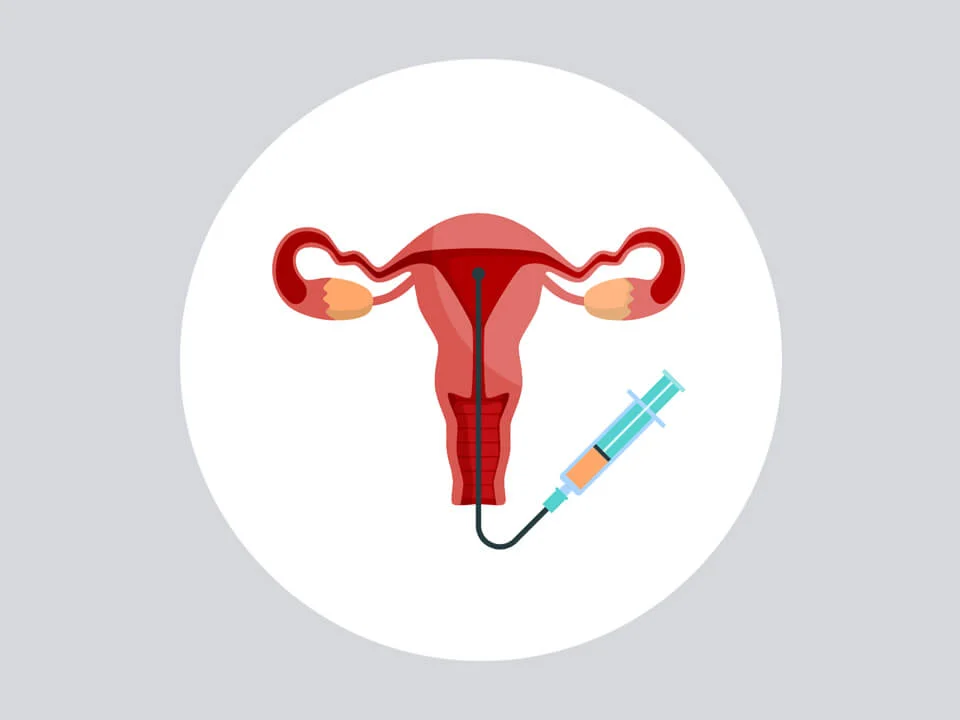
Fertility Preservation for Women with Fertility Issues: Exploring Alternative Options
After the eggs are retrieved, they are fertilized in a laboratory and the resulting embryos are frozen. These embryos can then be thawed and transferred to the woman’s uterus during an IVF cycle at a later date. Embryo freezing is often a more successful option than egg freezing, as the embryos have a higher chance of survival.
3. Ovarian Tissue Freezing:
Ovarian tissue freezing is a less commonly known option for fertility preservation. This procedure involves removing a small piece of ovarian tissue and freezing it for future use. The tissue can then be transplanted back into the woman’s body at a later date, with the hope that it will produce eggs and allow for natural conception.
This option is most suitable for women who are facing certain medical conditions or treatments that may damage their ovaries, such as chemotherapy or radiation. However, it is still considered an experimental procedure and its success rates are not as high as egg or embryo freezing.
4. Surrogacy:
Surrogacy is another alternative option for women with fertility issues. This involves using a gestational carrier to carry the pregnancy to term. In this process, the eggs are retrieved from the intended mother or a donor, fertilized with sperm, and then transferred to the surrogate’s uterus.
Surrogacy can be a viable option for women who are unable to carry a pregnancy themselves but still want to have a biological child. It is a complex and costly process, but it can provide hope for women who thought they may never be able to have a child.
5. Adoption:
For women who are unable to conceive or carry a child, adoption is another option to consider. While it may not be a biological option, adoption allows women to become mothers and build a family in a different way. There are various types of adoption, including domestic, international, and foster care, each with its own unique process and requirements.
Summary:
Fertility preservation is a crucial consideration for women with fertility issues. It is the process of preserving a woman’s fertility for future use and can involve various options such as egg freezing, embryo freezing, ovarian tissue freezing, surrogacy, and adoption. These alternative options provide hope and possibilities for women who are struggling to conceive naturally.
SEO metadata: