The Role of Technology: Intrauterine Insemination vs Low-Tech IVF
In today’s world, technology plays a significant role in almost every aspect of our lives. This is especially true in the field of medicine and reproductive health. When it comes to fertility treatments, there are various options available, including intrauterine insemination (IUI) and in vitro fertilization (IVF). Both these procedures utilize technology to help individuals or couples achieve their dream of having a child. However, there are differences between IUI and low-tech IVF in terms of technology used, success rates, and cost. In this blog post, we will explore the role of technology in these two fertility treatments and compare their effectiveness, costs, and potential risks.
Technology in Intrauterine Insemination (IUI)
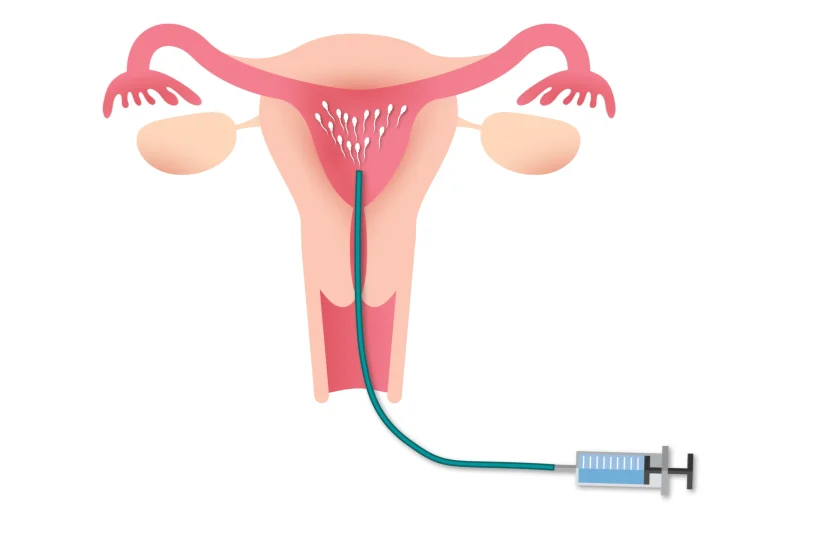
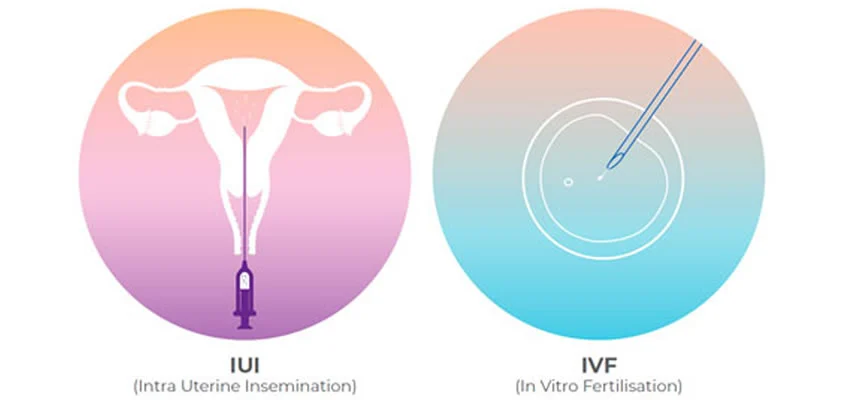
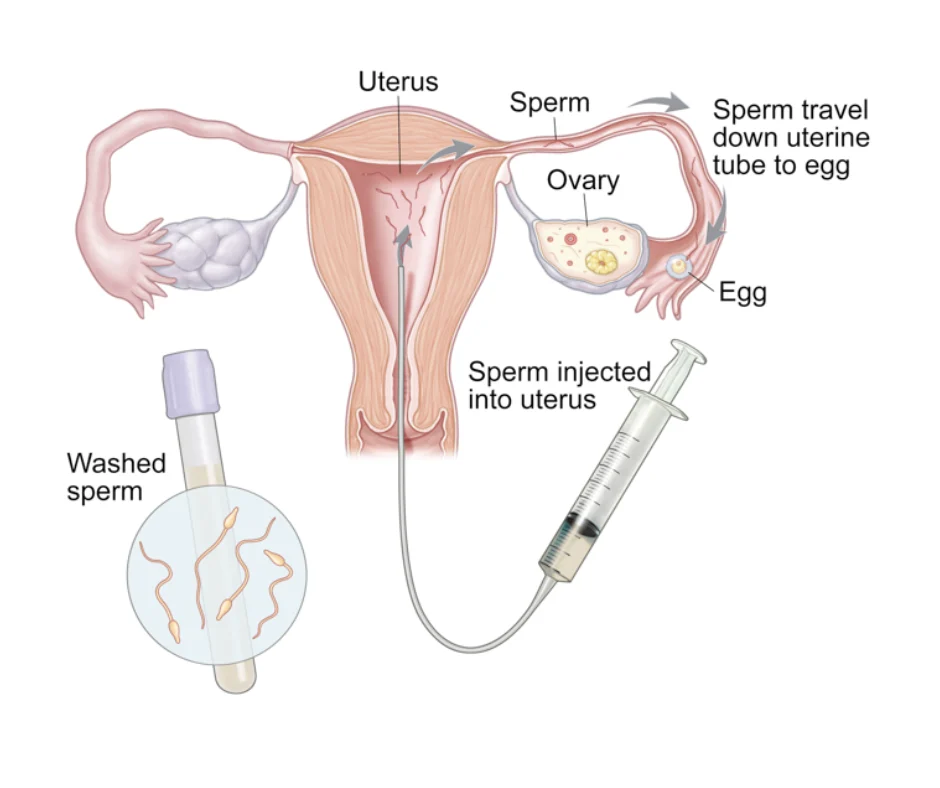
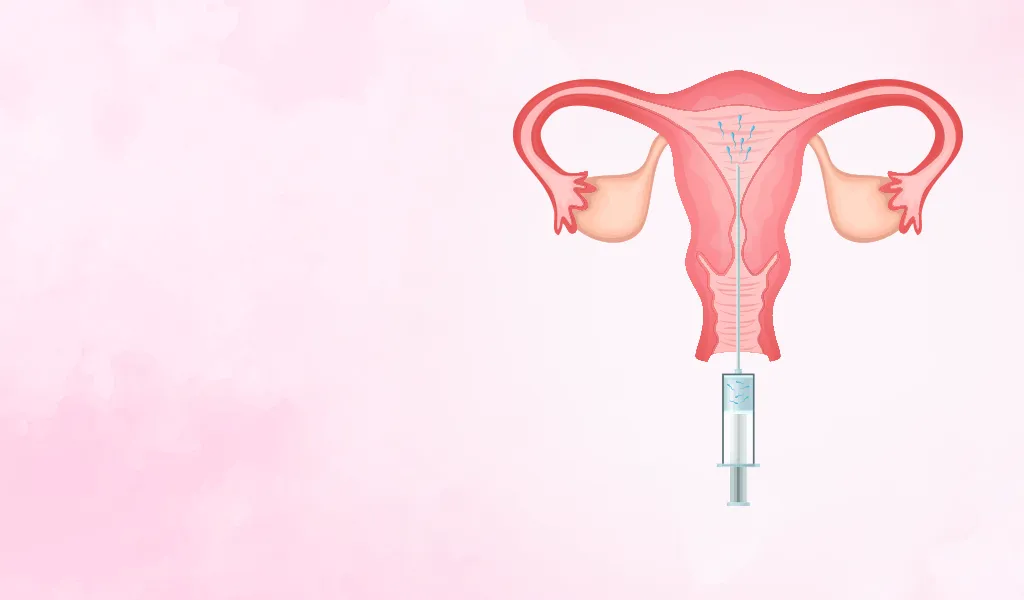
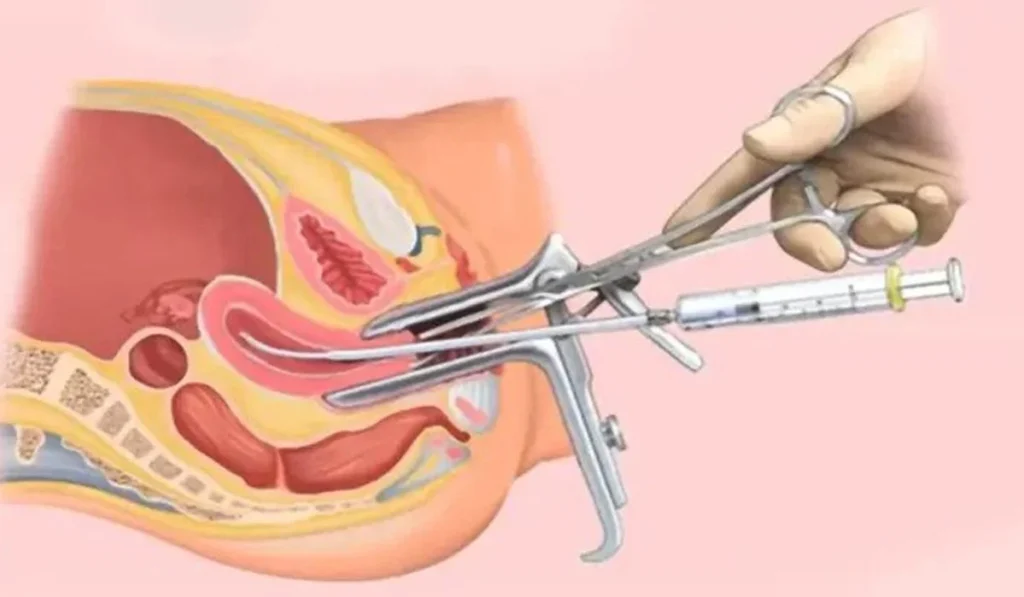
IUI is a fertility treatment that involves placing washed and concentrated sperm directly into a woman’s uterus during ovulation. This procedure is often used as a first-line treatment for couples who are struggling with unexplained infertility, mild endometriosis, or low sperm count.
The technology used in IUI is relatively simple compared to other fertility treatments. It mainly involves the use of a catheter to inject the sperm into the uterus. However, advancements in technology have made the process more efficient and accurate. For instance, sperm washing techniques have improved, resulting in higher sperm concentration and better quality. Additionally, ultrasound technology is used to track ovulation and ensure the sperm is placed at the right time and location.
One of the main advantages of IUI is that it is a minimally invasive and low-cost procedure. It does not require any specialized equipment, making it more accessible to a wider range of individuals and couples. However, the success rates of IUI are relatively low, ranging from 10-20% per cycle, depending on factors such as age and fertility issues.
Technology in Low-Tech IVF
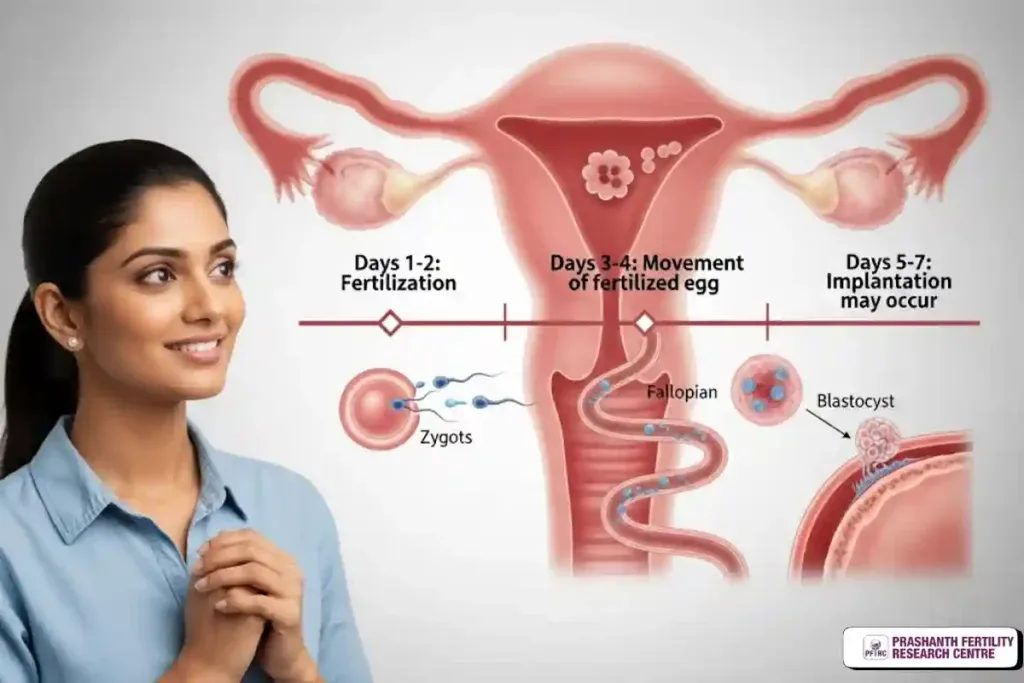
Low-tech IVF, also known as natural cycle IVF, is a form of IVF that uses minimal or no fertility drugs to stimulate the ovaries. Instead, it relies on the natural cycle of the woman’s body to produce a single egg. This egg is then fertilized with sperm in a laboratory and transferred back into the uterus.
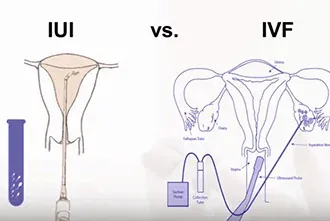
The Role of Technology: Intrauterine Insemination vs Low-Tech IVF
Compared to traditional IVF, which involves multiple hormone injections to stimulate the ovaries and produce multiple eggs, low-tech IVF is less invasive and has a lower risk of side effects. Additionally, it is more affordable since it does not require expensive fertility drugs. The technology used in low-tech IVF is similar to traditional IVF, including the use of ultrasound-guided egg retrieval and laboratory techniques to fertilize and culture the eggs. However, the cost of low-tech IVF is significantly lower than traditional IVF, making it a more cost-effective option for some individuals and couples.
Comparing Success Rates and Risks
When it comes to success rates, traditional IVF has the highest chances of pregnancy, with an average success rate of 40%. On the other hand, low-tech IVF has a success rate of around 15-20%, which is lower compared to traditional IVF but still higher than IUI. This is because low-tech IVF produces fewer eggs, making it less likely for multiple embryos to be transferred.
In terms of potential risks, both IUI and low-tech IVF have minimal risks associated with the procedures themselves. However, the use of fertility drugs in traditional IVF can increase the chances of side effects such as ovarian hyperstimulation syndrome (OHSS). Additionally, multiple pregnancies are more common with traditional IVF, which can increase the risk of complications for both the mother and babies.
Cost Comparison
The cost of fertility treatments can be a significant barrier for many individuals and couples. IUI is the most affordable option, with a cost ranging from $300-$1000 per cycle, depending on factors such as the clinic and location. Low-tech IVF is slightly more expensive, with a cost ranging from $3000-$5000 per cycle. Traditional IVF is the most expensive option, with a cost of around $12,000-$15,000 per cycle.
Summary:
Intrauterine insemination (IUI) and low-tech IVF are two fertility treatments that utilize technology to help individuals and couples conceive. IUI uses a simple catheter to place sperm into the uterus, while low-tech IVF relies on the natural cycle of the woman’s body to produce a single egg. Both procedures have a lower cost compared to traditional IVF, but also have lower success rates. Traditional IVF has the highest success rates but also comes with a higher cost and potential risks associated with fertility drugs. Ultimately, the choice between these two treatments will depend on individual circumstances, preferences, and medical advice.