Tag: fertility

  • Maximizing Your Chances of Conception: Fertility Tracking Devices vs Traditional Methods

    Maximizing Your Chances of Conception: Fertility Tracking Devices vs Traditional Methods

    Conception is a natural process that many couples hope to achieve when trying to start a family. However, for some, it may not be as easy as expected. Factors such as age, health conditions, and lifestyle choices can affect a couple’s chances of conception. Fortunately, there are various methods available to help maximize the chances of conception, including fertility tracking devices and traditional methods. In this blog post, we will discuss the pros and cons of each method and how they can help couples on their journey to parenthood.

    Fertility Tracking Devices

    Fertility tracking devices are modern tools that use technology and data to track a woman’s menstrual cycle and determine her most fertile days. These devices come in various forms, including wearable bracelets, patches, and apps. They use different methods such as basal body temperature, hormone levels, and cervical mucus to predict ovulation and fertility.

    Pros:

    1. Accurate Tracking: Fertility tracking devices use advanced technology to track a woman’s menstrual cycle and determine her fertile window. They can provide accurate results, making it easier for couples to plan and time intercourse accordingly.

    2. Convenient and Easy to Use: These devices are designed to be user-friendly and convenient. They can be worn or used discreetly, and some can even sync with a woman’s phone or other devices, making tracking more accessible and hassle-free.

    3. Personalized Data: Fertility tracking devices collect and analyze a woman’s data over time, providing personalized insights into her cycle and fertility patterns. This information can be valuable for couples trying to conceive, as it can help them understand their fertility better.

    4. Helpful for Women with Irregular Cycles: For women with irregular cycles, fertility tracking devices can be beneficial in identifying ovulation and fertile days. This can be especially helpful for those with conditions like polycystic ovary syndrome (PCOS) or thyroid disorders, which can cause irregular cycles.

    Cons:

    1. Cost: Fertility tracking devices can be expensive, with some costing hundreds of dollars. This can be a significant investment for couples trying to conceive, and it may not be financially feasible for everyone.

    2. Initial Learning Curve: These devices rely on the user’s input and may require some time to learn how to use them correctly. This can be frustrating for some users, especially if they are not tech-savvy.

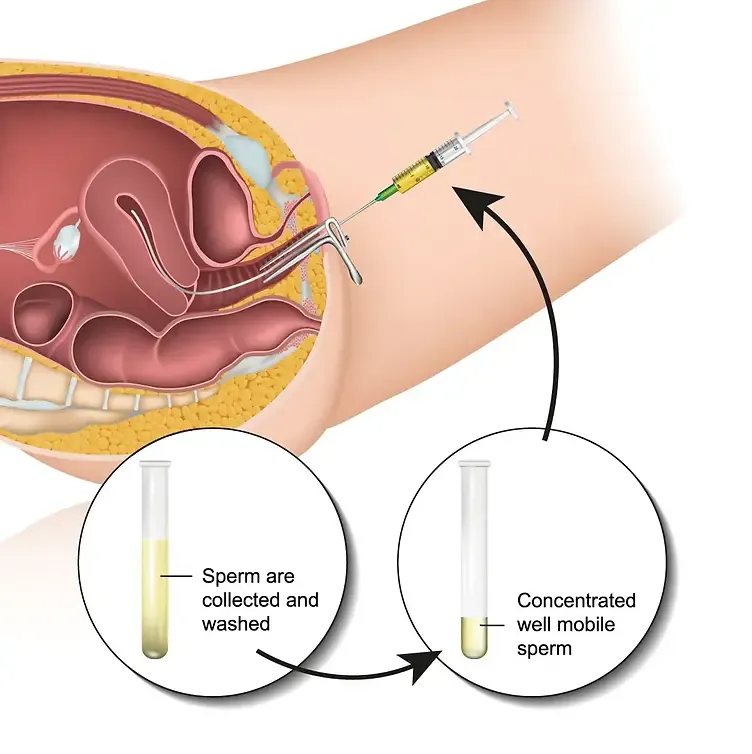
    diagram of a uterus with a syringe for intrauterine insemination procedure

    Maximizing Your Chances of Conception: Fertility Tracking Devices vs Traditional Methods

    3. Not 100% Accurate: While fertility tracking devices can provide accurate results, they are not foolproof. Factors such as stress, illness, or travel can affect a woman’s cycle and throw off the predictions. Therefore, it is essential to use these devices in conjunction with other methods to maximize accuracy.

    Traditional Methods

    Traditional methods of tracking fertility have been used for centuries and rely on a woman’s body signals to determine her fertile window. These methods include tracking changes in basal body temperature, cervical mucus, and changes in the cervix.

    Pros:

    1. Low Cost: Traditional methods of fertility tracking are relatively inexpensive, as they do not require any technology or equipment.

    2. Easy to Learn: These methods are easy to understand and require minimal effort to track. They can be easily learned by anyone and do not require any special skills or technology.

    3. Natural and Non-invasive: Unlike fertility tracking devices, traditional methods do not require any invasive procedures or devices. They are completely natural and can be used by women of all ages and health conditions.

    Cons:

    1. Limited Effectiveness: Traditional methods rely solely on a woman’s body signals, which may not be accurate for everyone. They may not be as effective for women with irregular cycles or those with conditions that affect their fertility.

    2. Subjective: These methods rely on the user’s interpretation of their body signals, which may not always be accurate. This can lead to incorrect predictions of ovulation and fertile days.

    3. Time-consuming: Traditional methods require daily tracking, which can be time-consuming and may not be feasible for everyone’s busy schedule.

    In summary, both fertility tracking devices and traditional methods have their pros and cons. Fertility tracking devices offer more accurate and personalized data, but they can be expensive and may have a learning curve. Traditional methods are natural and non-invasive, but they may not be as effective or accurate for everyone. Ultimately, the best approach may be to combine both methods to maximize the chances of conception.

    In conclusion, the journey to parenthood can be a challenging one, but with the help of fertility tracking devices and traditional methods, couples can increase their chances of conception. It is essential to find the method that works best for each individual and to consult with a healthcare professional for personalized guidance. With patience, perseverance, and the right tools, couples can achieve their dream of starting a family.
  • Is Technology the Future of Fertility Tracking? A Comparison of Devices and Methods

    Fertility tracking has been used for centuries as a way for women to understand their reproductive cycle and increase their chances of conception. Traditionally, this involved tracking physical symptoms such as basal body temperature, cervical mucus, and menstrual cycles. However, with the rise of technology, there have been numerous advancements in fertility tracking devices and methods. In this blog post, we will explore if technology is the future of fertility tracking by comparing various devices and methods.

    First, let’s take a look at the traditional methods of fertility tracking. The most common method is tracking basal body temperature (BBT). This involves taking your temperature every morning before getting out of bed and recording it on a chart. A rise in BBT indicates ovulation has occurred. Another method is tracking cervical mucus, which involves observing changes in the consistency and color of vaginal discharge. This method is based on the fact that cervical mucus changes throughout the menstrual cycle, becoming thinner and clearer around ovulation. Lastly, tracking menstrual cycles involves keeping track of the length of your cycles and the first day of your period. This method assumes that ovulation occurs around day 14 of a 28-day cycle.

    While these traditional methods have been used for a long time, they are not foolproof. BBT tracking can be affected by factors such as illness, lack of sleep, or alcohol consumption, making it less accurate. Cervical mucus tracking requires a bit of skill and can be subjective. And tracking menstrual cycles assumes a regular 28-day cycle, which is not the case for all women. This is where technology comes in to provide more accurate and efficient fertility tracking.

    One of the most popular fertility tracking devices is the fertility monitor. These devices use a combination of BBT, cervical mucus, and menstrual cycle tracking to predict ovulation and fertile days. They also come with an app that stores your data and provides insights into your cycle. Some popular fertility monitors include the Clearblue Advanced Fertility Monitor and the Daysy Fertility Tracker. These devices claim to be over 99% accurate in predicting fertile days and have been praised for their convenience and ease of use.

    Another technology-based method of fertility tracking is the use of ovulation predictor kits (OPKs). These kits work by detecting the surge of luteinizing hormone (LH) in your urine, which occurs 24-48 hours before ovulation. The most popular brand of OPKs is Clearblue, which offers both traditional stick tests and digital tests with a smiley face indicating a positive result. While OPKs can be helpful in pinpointing ovulation, they can also be expensive if used every month and may not be accurate for women with irregular cycles.

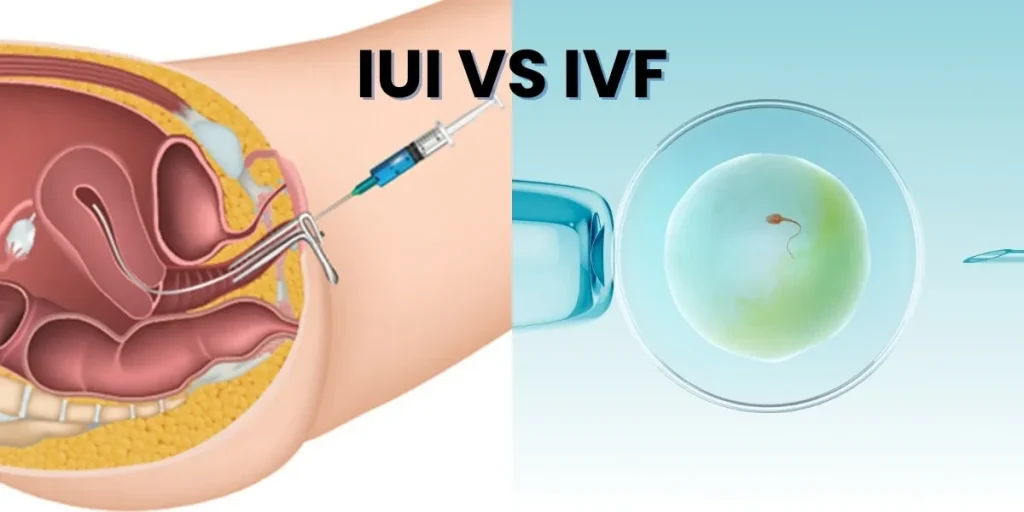
    Comparison of IUI and IVF treatments with diagrams of reproductive anatomy.

    Is Technology the Future of Fertility Tracking? A Comparison of Devices and Methods

    In recent years, there has been a surge in the popularity of fertility tracking apps. These are mobile applications that allow women to track their menstrual cycles, BBT, and other fertility signs. Some popular apps include Clue, Flo, and Glow. These apps use algorithms and artificial intelligence (AI) to predict fertile days and ovulation based on the data provided by the user. They also offer additional features such as tracking moods, symptoms, and sexual activity. While apps can be convenient and easy to use, they rely heavily on user input and may not be as accurate as other methods.

    One of the most revolutionary advancements in fertility tracking technology is the wearable device. These devices are worn on the body and can track various fertility signs such as BBT, heart rate, and skin temperature. The most well-known wearable device is the Ava Bracelet, which claims to be able to predict five fertile days per cycle with 89% accuracy. Other popular wearable devices include Tempdrop and OvuSense. While these devices may be more accurate than traditional methods, they can also be expensive and may not be accessible to everyone.

    Now, let’s address the question of whether technology is the future of fertility tracking. While technology has certainly made fertility tracking more convenient and accurate, it may not be the future for everyone. Traditional methods are still widely used and can be effective for some women. Additionally, not all women have access to or can afford these technological advancements. It’s important to acknowledge that fertility tracking is not a one-size-fits-all approach and what works for one woman may not work for another.

    In conclusion, technology has certainly changed the landscape of fertility tracking. With the use of devices, apps, and wearables, women now have more options for tracking their fertility and increasing their chances of conception. However, it’s important to consider the limitations and accessibility of these technologies. Ultimately, the future of fertility tracking may not solely rely on technology, but rather a combination of traditional methods and technological advancements.

    In summary, technology has revolutionized the way women can track their fertility. From traditional methods to advanced devices and apps, there are now numerous options for women to understand their reproductive cycle and increase their chances of conception. However, it’s important to consider the limitations and accessibility of these technologies and acknowledge that traditional methods may still be effective for some women. The future of fertility tracking may not solely rely on technology, but rather a combination of methods and advancements.

  • The Evolution of Fertility Tracking: From Traditional Methods to Smart Devices

    Title: The Evolution of Fertility Tracking: From Traditional Methods to Smart Devices

    Introduction:
    Fertility tracking has been used for centuries by women to understand their menstrual cycles and increase their chances of conception. Over the years, this practice has evolved from traditional methods such as tracking basal body temperature and cervical mucus to using smart devices that can accurately predict ovulation and fertility. In this blog post, we will take a closer look at the evolution of fertility tracking and how technology has revolutionized this process.

    Traditional Methods of Fertility Tracking:
    Before the advent of modern technology, women relied on traditional methods to track their fertility. One of the most widely used methods was tracking basal body temperature (BBT), which involves taking your temperature every morning and recording it on a chart. This method is based on the fact that a woman’s body temperature rises slightly after ovulation, indicating the most fertile days of her cycle. However, this method can be unreliable as external factors such as illness and lack of sleep can affect BBT.

    Another traditional method is tracking cervical mucus, which involves monitoring the changes in vaginal discharge throughout the menstrual cycle. As a woman approaches ovulation, her cervical mucus becomes thinner and clearer, resembling the consistency of egg whites. This method is more accurate than BBT tracking, but it also requires close observation and recording of changes in mucus.

    Other traditional methods include using ovulation predictor kits (OPKs) that detect the surge of luteinizing hormone (LH) in urine, which occurs 12-36 hours before ovulation. While these methods have been used for many years, they can be time-consuming, unreliable, and require a lot of effort from the user.

    The Rise of Smart Devices:
    With the advancement of technology, fertility tracking has become more accessible and accurate than ever before. Smart devices such as fertility monitors and wearable trackers have become popular among women who are trying to conceive or simply want to understand their menstrual cycles better.

    Fertility monitors, also known as ovulation trackers, use a combination of methods such as BBT tracking, LH testing, and other fertility indicators to predict ovulation. These devices often come with a mobile app that allows users to input data and track their cycles. Some monitors also use artificial intelligence to learn a woman’s unique cycle patterns and provide personalized predictions.

    illustration explaining the steps of intrauterine insemination (IUI) process on a bright yellow background

    The Evolution of Fertility Tracking: From Traditional Methods to Smart Devices

    Wearable fertility trackers, on the other hand, are worn on the body and collect data such as temperature, heart rate, and movement to determine the fertile window. These devices can also sync with a mobile app for a more comprehensive analysis of a woman’s cycle.

    Benefits of Using Smart Devices:
    One of the main advantages of using smart devices for fertility tracking is the convenience they offer. Unlike traditional methods, these devices require minimal effort from the user and provide more accurate predictions. They also eliminate the need for manual tracking and recording, making the process less stressful.

    Moreover, smart devices can provide a more comprehensive analysis of a woman’s cycle by tracking multiple fertility indicators. This can be especially helpful for women with irregular cycles or those who have been unsuccessful in using traditional methods.

    The Future of Fertility Tracking:
    As technology continues to advance, the future of fertility tracking looks promising. Some companies are currently developing devices that use saliva or urine samples to detect hormone levels and predict ovulation. These devices are expected to be more accurate and user-friendly, making fertility tracking even more accessible for women.

    Furthermore, there is a growing trend of using artificial intelligence and machine learning in fertility tracking devices. This will allow for more personalized predictions and better understanding of a woman’s unique cycle patterns. In the future, we can expect to see more advanced and sophisticated smart devices that will revolutionize the way women track their fertility.

    Conclusion:
    From traditional methods to smart devices, fertility tracking has come a long way. While traditional methods have been used for centuries, they can be unreliable and require a lot of effort from the user. Smart devices, on the other hand, offer convenience, accuracy, and a more comprehensive analysis of a woman’s cycle. As technology continues to evolve, we can only expect further advancements in fertility tracking, making it easier for women to understand their bodies and achieve their fertility goals.

    Summary:
    Fertility tracking has evolved from traditional methods such as BBT tracking and cervical mucus monitoring to using smart devices that offer convenience and accuracy. Smart devices such as fertility monitors and wearable trackers use a combination of methods and have apps that allow for easy tracking and analysis. The future of fertility tracking looks promising with the development of devices that use saliva or urine samples and the use of artificial intelligence and machine learning. These advancements will make fertility tracking even more accessible and personalized for women.

  • The Role of Diet and Nutrition: Intrauterine Insemination vs Low-Tech IVF

    The Role of Diet and Nutrition: Intrauterine Insemination vs Low-Tech IVF

    In recent years, there has been a significant increase in the use of assisted reproductive technologies (ART) to help couples struggling with infertility. Intrauterine insemination (IUI) and low-tech in vitro fertilization (IVF) are two commonly used procedures that can help couples conceive. While both procedures have their own set of benefits and drawbacks, there is growing evidence that diet and nutrition play a crucial role in the success of these treatments. In this blog post, we will explore the role of diet and nutrition in both IUI and low-tech IVF, and how making healthy lifestyle choices can improve the chances of a successful pregnancy.

    Understanding IUI and Low-Tech IVF

    Before we dive into the role of diet and nutrition, it is important to understand what IUI and low-tech IVF are and how they differ. IUI is a type of ART in which washed and concentrated sperm is directly inserted into the uterus during ovulation. This procedure is less invasive and less expensive than IVF, making it a popular choice for couples trying to conceive. On the other hand, low-tech IVF involves stimulating the ovaries with medication to produce multiple eggs, which are then retrieved and fertilized in a lab. The resulting embryos are then transferred back to the uterus for implantation.

    The Role of Diet and Nutrition in IUI

    Diet and nutrition play a crucial role in the success of IUI. Studies have shown that women who are overweight or obese have a lower chance of conceiving with IUI compared to those with a healthy BMI. This is because excess weight can affect hormone levels and ovulation, making it more difficult to get pregnant. A healthy and well-balanced diet can help maintain a healthy weight and improve overall fertility.

    In addition, certain nutrients have been found to improve the chances of success with IUI. For example, folic acid and omega-3 fatty acids have been linked to better egg quality and implantation rates. Foods rich in these nutrients include leafy greens, avocados, nuts, and fatty fish. On the other hand, a diet high in processed foods and unhealthy fats can negatively impact fertility and should be avoided.

    The Role of Diet and Nutrition in Low-Tech IVF

    Similarly, diet and nutrition also play a crucial role in the success of low-tech IVF. As with IUI, maintaining a healthy weight is important for successful IVF. In addition, research has shown that a diet rich in antioxidants can improve egg quality and increase the chances of a successful pregnancy. Antioxidants can be found in foods such as berries, dark leafy greens, and beans.

    diagram of the female reproductive system with an IUI syringe and test tube for artificial insemination

    The Role of Diet and Nutrition: Intrauterine Insemination vs Low-Tech IVF

    In contrast, a diet high in sugar and refined carbohydrates can have a negative impact on fertility and IVF success rates. These foods can cause inflammation in the body, which can affect hormone levels and egg quality. It is important to limit the consumption of these foods and focus on a balanced and nutrient-rich diet for optimal fertility.

    Supplements and Fertility

    In addition to a healthy diet, certain supplements can also play a role in improving fertility and the success of IUI and low-tech IVF. For example, studies have shown that women who took a prenatal vitamin with folic acid before and during IUI had higher pregnancy rates compared to those who did not. Other supplements that have been linked to improved fertility include vitamin D, Coenzyme Q10, and melatonin. However, it is important to consult with a healthcare provider before starting any new supplements, as they may interact with medications or have potential side effects.

    Lifestyle Factors and Fertility

    Aside from diet and supplements, other lifestyle factors can also impact the success of IUI and low-tech IVF. For example, smoking has been linked to decreased fertility and lower success rates with ART. It is important for both partners to quit smoking before undergoing these treatments. Similarly, excessive alcohol consumption can also negatively affect fertility and should be avoided.

    Stress is another factor that can impact fertility and the success of IUI and low-tech IVF. It is important to find healthy ways to manage stress, such as exercise, meditation, or counseling. In addition, maintaining a healthy sleep schedule and limiting exposure to environmental toxins can also improve fertility and the chances of a successful pregnancy.

    In conclusion, diet and nutrition play a crucial role in the success of both IUI and low-tech IVF. Maintaining a healthy weight, consuming a nutrient-rich diet, and avoiding unhealthy habits can improve fertility and increase the chances of a successful pregnancy. In addition, certain supplements and lifestyle factors can also impact the success of these treatments. It is important to work closely with a healthcare provider to develop a personalized plan that includes a healthy diet and lifestyle to optimize the chances of a successful pregnancy.

    Summary:

    Intrauterine insemination (IUI) and low-tech in vitro fertilization (IVF) are two commonly used procedures to help couples struggling with infertility. Both procedures have their own set of benefits and drawbacks, but recent evidence suggests that diet and nutrition play a crucial role in the success of these treatments. Maintaining a healthy weight, consuming a nutrient-rich diet, and avoiding unhealthy habits can improve fertility and increase the chances of a successful pregnancy. Certain supplements and lifestyle factors can also impact the success of these treatments. It is important to work closely with a healthcare provider to develop a personalized plan that includes a healthy diet and lifestyle to optimize the chances of a successful pregnancy.

  • Intrauterine Insemination vs Low-Tech IVF: The Role of Acupuncture

    Intrauterine insemination (IUI) and low-tech in vitro fertilization (IVF) are two commonly used methods for treating infertility. Both procedures involve the placement of sperm directly into the uterus, but they differ in their approach and success rates. In recent years, the use of acupuncture as an adjunct therapy for IUI and low-tech IVF has gained popularity. In this blog post, we will explore the similarities and differences between IUI and low-tech IVF, and the role of acupuncture in enhancing their effectiveness.

    Intrauterine insemination (IUI) is a fertility treatment where washed and concentrated sperm is placed directly into the uterus through a catheter during the ovulation period. This procedure is often used for couples with unexplained infertility, mild male factor infertility, or in cases where the woman has difficulty conceiving due to cervical issues. IUI is a relatively simple and less invasive procedure compared to other fertility treatments, and it is usually less expensive. However, IUI has a lower success rate compared to other fertility treatments, with only a 10-20% chance of pregnancy per cycle.

    On the other hand, low-tech IVF is a type of in vitro fertilization that uses lower doses of medications to stimulate the ovaries, resulting in the production of fewer eggs. The eggs are then retrieved and fertilized in the laboratory before being placed into the uterus. Low-tech IVF is often chosen by couples who want to avoid the potential side effects and risks associated with high doses of fertility medication. It is also a more affordable option compared to conventional IVF. However, low-tech IVF has a lower success rate compared to conventional IVF, with a 10-15% chance of pregnancy per cycle.

    One of the main reasons for the lower success rates of IUI and low-tech IVF is the quality of the eggs and sperm used. As women age, the quality of their eggs decreases, and this can affect the chances of successful fertilization and implantation. Similarly, the quality of sperm can also be a factor in the success of these procedures. This is where acupuncture comes in.

    Acupuncture is an ancient Chinese practice that involves the insertion of thin needles into specific points on the body to restore balance and promote healing. In recent years, acupuncture has gained recognition as a complementary therapy for infertility treatment. It is believed that acupuncture can improve reproductive health by promoting blood flow to the reproductive organs, reducing stress, and balancing hormones.

    Comparison of IUI and IVF with illustrations of each procedure.

    Intrauterine Insemination vs Low-Tech IVF: The Role of Acupuncture

    Studies have shown that acupuncture can improve the quality of eggs and sperm by increasing blood flow to the ovaries and testes. This can potentially increase the chances of successful fertilization and implantation during IUI and low-tech IVF. Acupuncture may also help reduce the side effects of fertility medication and promote relaxation, making it easier for women to undergo these procedures.

    In addition to improving the quality of eggs and sperm, acupuncture may also improve the chances of pregnancy by preparing the uterus for implantation. Studies have shown that acupuncture can increase the thickness of the uterine lining, which is important for successful implantation. Acupuncture may also help regulate the menstrual cycle and promote ovulation, which is crucial for successful IUI and low-tech IVF.

    Acupuncture can also help couples who have undergone multiple unsuccessful IUI or low-tech IVF cycles. The stress and disappointment of failed cycles can take a toll on a couple’s mental and emotional well-being, which can affect their chances of success. Acupuncture can help reduce stress, anxiety, and depression, allowing couples to have a more positive outlook on their fertility journey.

    In conclusion, IUI and low-tech IVF are two commonly used methods for treating infertility, with their own advantages and limitations. While these procedures can be effective, their success rates can be enhanced with the use of acupuncture. Acupuncture can improve the quality of eggs and sperm, prepare the uterus for implantation, and reduce stress and anxiety. It is important to note that acupuncture is not a standalone treatment for infertility, but rather a complementary therapy that can be used in conjunction with IUI and low-tech IVF.

    Summary: Intrauterine insemination (IUI) and low-tech in vitro fertilization (IVF) are two commonly used methods for treating infertility. While these procedures can be effective, their success rates can be enhanced with the use of acupuncture. Acupuncture can improve the quality of eggs and sperm, prepare the uterus for implantation, and reduce stress and anxiety. It is important to note that acupuncture is not a standalone treatment for infertility, but rather a complementary therapy that can be used in conjunction with IUI and low-tech IVF.

  • The Science Behind the Success: Intrauterine Insemination vs Low-Tech IVF

    In today’s society, more and more couples are facing difficulties when trying to conceive. Luckily, advancements in science and technology have provided various fertility treatments to help these couples achieve their dream of having a child. Two popular options for assisted reproductive technology are intrauterine insemination (IUI) and low-tech in vitro fertilization (IVF). While both procedures have a high success rate, understanding the science behind each can help couples decide which treatment is best for them.

    Intrauterine insemination, also known as artificial insemination, is a low-tech fertility treatment that involves placing washed and concentrated sperm directly into the uterus during the time of ovulation. This procedure is often recommended for couples with unexplained infertility or mild male factor infertility. It is a less invasive and more affordable option compared to other fertility treatments.

    On the other hand, low-tech IVF involves stimulating the ovaries with fertility medications to produce multiple eggs. These eggs are then retrieved and fertilized with sperm in a laboratory and the resulting embryo is transferred into the uterus. This procedure is a step lower than traditional IVF, which involves more intensive drug stimulation and higher costs. Low-tech IVF is often recommended for couples with mild female factor infertility or those who have had unsuccessful IUI attempts.

    One of the main differences between IUI and low-tech IVF is the stage where fertilization takes place. In IUI, fertilization occurs inside the female body, while in low-tech IVF, fertilization takes place in a laboratory. This difference has a significant impact on the success rates of each procedure. Studies have shown that low-tech IVF has a higher success rate compared to IUI, with a success rate of up to 40% per cycle in women under 35 years old.

    Another factor that affects the success rates of these procedures is the quality of the sperm used. In IUI, the sperm is directly placed into the uterus, which means that the sperm needs to be of good quality and have good motility to reach and fertilize the egg. In low-tech IVF, the sperm is directly injected into the egg, which eliminates the need for the sperm to swim and increases the chances of fertilization. This is especially beneficial for couples with male factor infertility or low sperm quality.

    illustration of intrauterine insemination procedure with a hand holding a speculum and syringe near the uterus

    The Science Behind the Success: Intrauterine Insemination vs Low-Tech IVF

    Furthermore, the number of eggs produced also plays a role in the success rates of these procedures. In IUI, only one or two eggs are typically released during ovulation, which limits the chances of fertilization. In low-tech IVF, multiple eggs are retrieved and fertilized, increasing the chances of successful fertilization and implantation.

    In terms of side effects, both IUI and low-tech IVF have similar risks, such as mild discomfort and cramping during the procedure. However, low-tech IVF has a slightly higher risk of ovarian hyperstimulation syndrome (OHSS) due to the use of fertility drugs. OHSS is a condition where the ovaries become swollen and painful, and in severe cases, can lead to complications.

    Aside from the science behind these procedures, there are also other factors to consider when choosing between IUI and low-tech IVF. Cost is a significant factor, as low-tech IVF can be more expensive due to the use of fertility drugs and laboratory procedures. However, some insurance plans may cover these procedures, so it is essential to check with your provider.

    In conclusion, both IUI and low-tech IVF are effective fertility treatments, but they have their differences in terms of success rates, fertilization process, and cost. It is crucial for couples to consult with their doctor to determine which procedure is best suited for their specific situation. With the advancements in science and technology, couples now have more options to help them achieve their dream of starting a family.
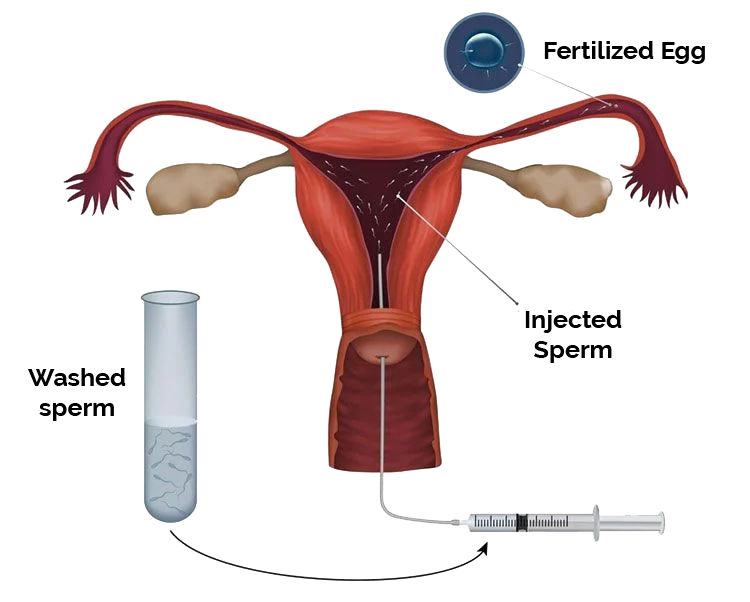
    In summary, Intrauterine Insemination (IUI) and low-tech In Vitro Fertilization (IVF) are two popular options for assisted reproductive technology. While both procedures have a high success rate, understanding the science behind each can help couples decide which treatment is best for them. IUI involves placing washed sperm directly into the uterus during ovulation, while low-tech IVF involves stimulating the ovaries to produce multiple eggs, which are then fertilized in a laboratory setting. The success rates, fertilization process, and cost are some of the factors to consider when choosing between the two procedures. Couples should consult with their doctor to determine which option is best suited for their specific fertility needs.

  • Navigating the Fertility Journey: Intrauterine Insemination vs Low-Tech IVF

    Navigating the Fertility Journey: Intrauterine Insemination vs Low-Tech IVF

    The journey towards building a family can be a challenging one, especially for couples struggling with fertility issues. With advancements in medical technology, there are now various assisted reproductive techniques available to help couples conceive. Two commonly used methods are intrauterine insemination (IUI) and low-tech in vitro fertilization (IVF). In this blog post, we will explore the differences between these two techniques and discuss their pros and cons, to help you make an informed decision in navigating your fertility journey.

    What is Intrauterine Insemination (IUI)?

    Intrauterine insemination, also known as artificial insemination, is a fertility treatment where sperm is placed directly into a woman’s uterus during her ovulation period. It is a low-tech and less invasive procedure compared to other fertility treatments. IUI is often used when a woman has difficulty conceiving due to issues with the quality or quantity of her partner’s sperm, or when there is an unexplained fertility issue.

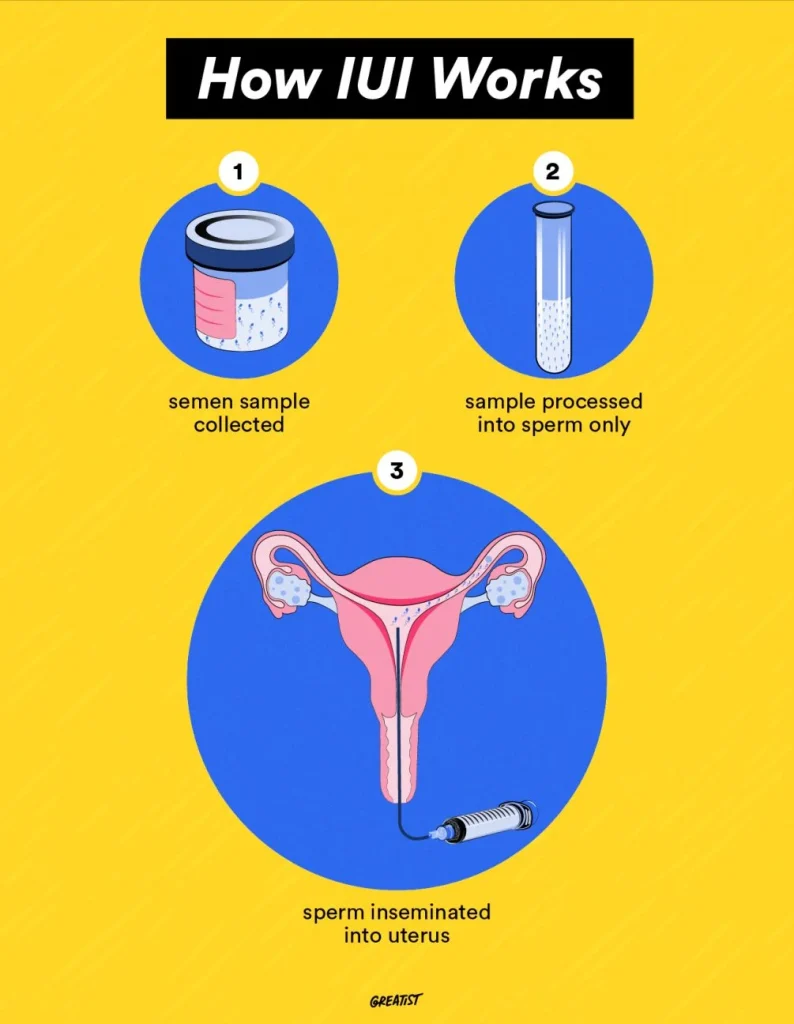
    The procedure for IUI involves collecting a semen sample from the male partner or a donor. The sample is then washed and prepared in a lab to separate the healthy and motile sperm from the semen. The prepared sperm is then inserted directly into the woman’s uterus using a thin catheter. This process is timed to coincide with the woman’s ovulation period to increase the chances of conception.

    Pros of Intrauterine Insemination

    1. Cost-effective: IUI is a relatively low-cost fertility treatment compared to other options, making it a more accessible option for couples on a budget.

    2. Non-invasive: The procedure for IUI is minimally invasive and does not require any anesthesia, making it a less stressful and more comfortable experience for the woman.

    3. Shorter treatment time: Unlike IVF, which requires multiple injections and monitoring, IUI only involves a few appointments, making it a shorter treatment process.

    4. Natural conception: IUI allows for natural conception as the sperm is placed directly into the uterus, increasing the chances of fertilization.

    Cons of Intrauterine Insemination

    1. Lower success rates: The success rates for IUI are lower compared to IVF. This is because the sperm still has to swim through the uterus and into the fallopian tubes to reach the egg, which can be a barrier for some couples.

    2. Potential for multiple pregnancies: In some cases, IUI can result in multiple pregnancies, which can be a risk for both the mother and the babies.

    3. Requires a healthy uterus and fallopian tubes: For IUI to be successful, the woman must have a healthy uterus and fallopian tubes. If there are any blockages or issues, the sperm may not be able to reach the egg, reducing the chances of conception.

    Illustration of intrauterine insemination process, showing sperm collection and injection into the uterus.

    Navigating the Fertility Journey: Intrauterine Insemination vs Low-Tech IVF

    What is Low-Tech In Vitro Fertilization (IVF)?

    In vitro fertilization, commonly known as IVF, is a more advanced fertility treatment that involves fertilizing an egg with sperm outside of the body in a laboratory. The fertilized egg, or embryo, is then transferred into the woman’s uterus, where it can hopefully implant and result in a pregnancy.

    The process for low-tech IVF is similar to traditional IVF, but with fewer medications and injections. The woman’s natural cycle is closely monitored, and a single egg is collected and fertilized with the partner’s sperm in a lab. The resulting embryo is then transferred into the uterus during the woman’s natural ovulation period.

    Pros of Low-Tech IVF

    1. Higher success rates: IVF has higher success rates compared to IUI, making it a more attractive option for couples struggling with fertility issues.

    2. Suitable for various fertility issues: IVF can be used for a variety of fertility issues, including blocked fallopian tubes, endometriosis, and male factor infertility.

    3. Genetic testing: With IVF, it is possible to perform genetic testing on the embryos before implantation, reducing the chances of passing on genetic disorders to the child.

    Cons of Low-Tech IVF

    1. More expensive: IVF is a more expensive fertility treatment compared to IUI, making it a less accessible option for some couples.

    2. Invasive: The process of egg retrieval for IVF involves minor surgery and anesthesia, which can be more invasive and stressful for the woman.

    3. Higher risk of multiple pregnancies: As multiple embryos are often transferred during IVF, there is a higher risk of multiple pregnancies, which can be a concern for some couples.

    Navigating Your Fertility Journey

    In conclusion, both IUI and low-tech IVF are viable options for couples struggling with fertility issues. While IUI may be a more cost-effective and less invasive option, IVF has higher success rates and is suitable for a wider range of fertility issues. It is essential to consult with a fertility specialist to determine which option is best for you and your partner, based on your specific circumstances and needs.

    No matter which option you choose, it is essential to have a supportive network of friends and family and to take care of your physical and emotional well-being throughout the process. Remember to communicate openly with your partner and healthcare team, and stay positive and hopeful on your journey towards building a family.

    SEO Metadata:

  • The Impact of Age on Fertility Treatments: Intrauterine Insemination vs Low-Tech IVF

    Blog Post: The Impact of Age on Fertility Treatments: Intrauterine Insemination vs Low-Tech IVF

    The journey towards parenthood can be a challenging one for many couples, especially when faced with fertility issues. As women age, their fertility declines, making it more difficult to conceive naturally. In such cases, fertility treatments become a viable option for couples looking to start a family. However, not all fertility treatments are created equal, and age can play a significant role in the success of these treatments. In this blog post, we will explore how age impacts two common fertility treatments: intrauterine insemination (IUI) and low-tech in vitro fertilization (IVF).

    The Biological Clock and Fertility

    Before diving into the impact of age on fertility treatments, it is essential to understand the concept of the biological clock. Women are born with a finite number of eggs, and as they age, the quantity and quality of these eggs decline. This means that the chances of conceiving naturally decrease with age, and the risk of chromosomal abnormalities increases. For women over the age of 35, the chances of getting pregnant each month are around 20%, and this decreases to just 5% for women over the age of 40.

    Impact of Age on Intrauterine Insemination (IUI)

    IUI is a fertility treatment that involves placing sperm directly into a woman’s uterus during ovulation. It is often used for couples with unexplained infertility, mild male factor infertility, or cervical issues. The success rates of IUI vary depending on a woman’s age. For women under the age of 35, the success rate is around 10-20% per cycle. However, for women over 40, the success rate drops to just 1-5% per cycle.

    One of the reasons for the decline in success rates with IUI as women age is due to the quality of their eggs. As a woman gets older, the quality of her eggs decreases, making it more difficult for fertilization to occur. Additionally, older women are more likely to have underlying fertility issues, such as endometriosis or blocked fallopian tubes, which can also impact the success of IUI.

    Impact of Age on Low-Tech IVF

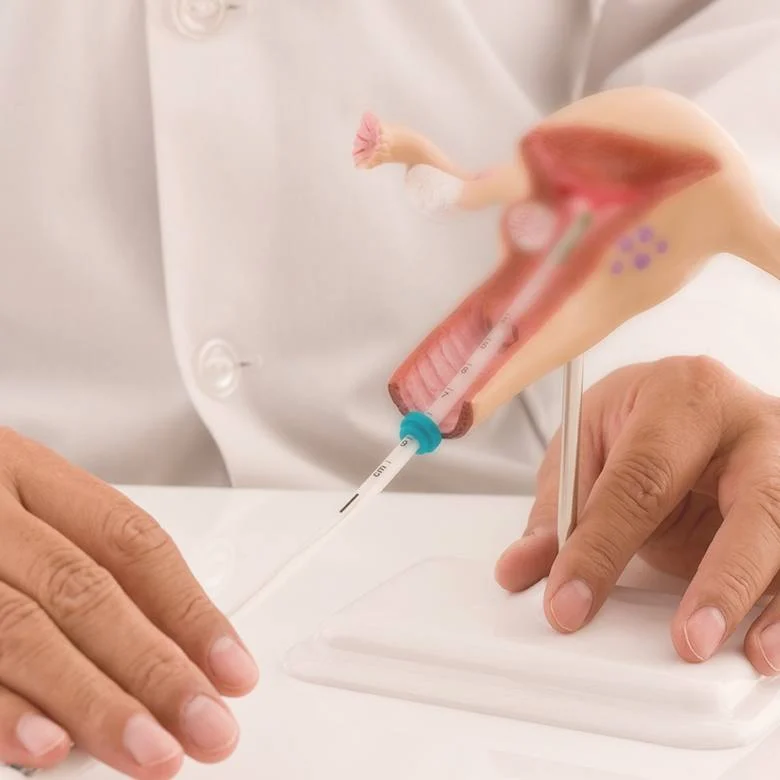
    model of the female reproductive system with a hand demonstrating intrauterine insemination technique

    The Impact of Age on Fertility Treatments: Intrauterine Insemination vs Low-Tech IVF

    Low-tech IVF, also known as mild stimulation IVF or mini-IVF, is a less invasive and less costly form of traditional IVF. It involves using fewer fertility drugs to stimulate the ovaries and retrieve a smaller number of eggs. This method is often recommended for women with low ovarian reserve or for those who have had unsuccessful IUI cycles.

    For women under 35, low-tech IVF has a success rate of around 25-30% per cycle. However, as women age, the success rates decrease significantly. For women over the age of 40, the success rate drops to just 5-10% per cycle. The decline in success rates with low-tech IVF is due to the same factors as IUI, including the quality and quantity of eggs.

    Which Fertility Treatment is Best for Different Age Groups?

    The decision between IUI and low-tech IVF for couples struggling with fertility can be a difficult one, especially when considering the impact of age. For women under 35, both IUI and low-tech IVF have similar success rates, with the added benefit of being less invasive and less costly. For women over 40, the chances of success are significantly higher with low-tech IVF. However, the success rates are still relatively low, and many couples may opt for traditional IVF, which has a higher success rate but is also more invasive and expensive.

    It is crucial to consult with a fertility specialist when deciding on a fertility treatment, as they can assess each individual’s unique situation and recommend the best course of action.

    Conclusion

    Age plays a significant role in the success of fertility treatments, and as women age, their chances of conceiving decreases. IUI and low-tech IVF are two common fertility treatments that can help couples struggling with fertility issues. However, the success rates of these treatments decline with age, and it is essential to consult with a fertility specialist to determine the best course of action.

    In summary, as women age, the success rates of both IUI and low-tech IVF decrease significantly. For women under 35, both treatments have similar success rates, while for women over 40, low-tech IVF may be a more suitable option. Overall, the impact of age on fertility treatments highlights the importance of seeking medical advice and exploring all available options when trying to conceive.

  • The Emotional Side of Fertility Treatments: Intrauterine Insemination vs Low-Tech IVF

    Summary:

    Fertility treatments, specifically intrauterine insemination (IUI) and low-tech in vitro fertilization (IVF), can be emotionally taxing for couples struggling to conceive. In this blog post, we will discuss the emotional side of these fertility treatments and compare the experiences of IUI and low-tech IVF. Both treatments involve similar procedures, but the emotional impact can vary greatly.

    IUI is a less invasive and more affordable fertility treatment option compared to IVF. However, the success rates are lower, which can lead to disappointment and frustration for couples. The emotional rollercoaster of hope and disappointment during IUI can take a toll on the mental health of couples. On the other hand, low-tech IVF may have higher success rates, but the process can be physically and emotionally demanding. The constant monitoring and injections can cause stress and anxiety for couples, and the financial burden of IVF can add to the emotional strain.

    comparison of IUI and IVF fertility treatments with illustrations of procedures and a petri dish with an egg and sperm

    The Emotional Side of Fertility Treatments: Intrauterine Insemination vs Low-Tech IVF

    The emotional impact of fertility treatments also extends beyond the couple, involving their support system of family and friends. The pressure from well-meaning loved ones and the fear of judgment from society can add to the already existing emotional burden. It is essential for couples to have a strong support system and communicate openly with their loved ones during this challenging journey.

    Furthermore, fertility treatments can also bring up unresolved emotions and past traumas for couples. The pressure to conceive can cause strain on the relationship, and unresolved issues can resurface. It is crucial for couples to seek therapy or counseling to address these emotions and strengthen their bond.

    In conclusion, the emotional side of fertility treatments is often overlooked, but it is a crucial aspect of the journey for couples. The experience of IUI and low-tech IVF can differ greatly, but both have their own emotional challenges. It is essential for couples to communicate openly with each other, seek support from their loved ones, and address any unresolved emotions with therapy or counseling.

  • Breaking the Stigma: Choosing Intrauterine Insemination or Low-Tech IVF

    Breaking the Stigma: Choosing Intrauterine Insemination or Low-Tech IVF

    Infertility is a complex and emotionally challenging issue that affects millions of people worldwide. For couples struggling to conceive, the journey to parenthood can be filled with anxiety, disappointment, and frustration. However, with advancements in assisted reproductive technology (ART), there are now various options available to help individuals and couples overcome infertility and achieve their dream of starting a family.
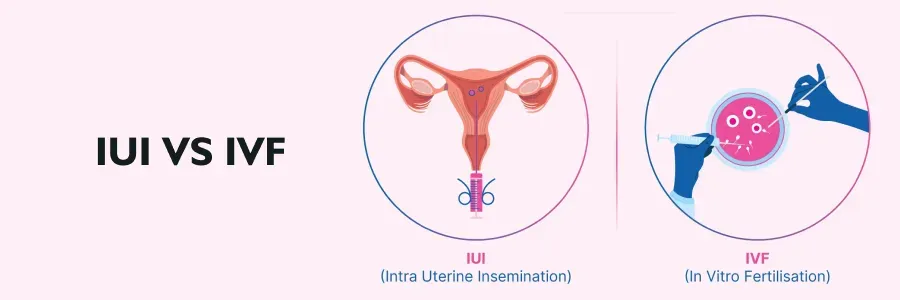
    In recent years, there has been a significant increase in the use of ART, including in-vitro fertilization (IVF) and intrauterine insemination (IUI). While IVF is the most commonly known fertility treatment, IUI, also known as low-tech IVF, is gaining popularity as a less invasive and more affordable option. However, there is still a stigma surrounding these treatments, with many people feeling embarrassed or ashamed to discuss their fertility struggles openly. In this blog post, we will explore the benefits and misconceptions surrounding IUI and low-tech IVF and how breaking the stigma can help individuals make informed decisions about their fertility journey.

    Understanding Intrauterine Insemination (IUI)

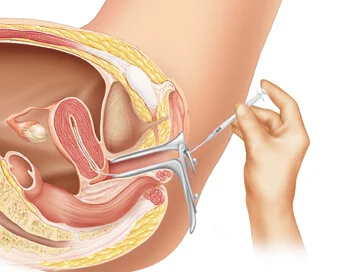
    Intrauterine insemination, also known as artificial insemination, is a fertility treatment that involves placing sperm directly into a woman’s uterus during ovulation. This procedure aims to increase the number of sperm that reach the fallopian tubes, increasing the chances of fertilization. IUI is a straightforward and minimally invasive procedure that can be done in a doctor’s office. It is often used as a first-line treatment for couples with unexplained infertility or mild male factor infertility.

    One of the significant benefits of IUI is its affordability. Compared to IVF, which can cost tens of thousands of dollars, IUI is a much more cost-effective option, with an average cost of $300 to $1000 per cycle. Additionally, IUI has a lower risk of multiple pregnancies, making it a safer option for both the mother and the baby. The procedure also has minimal side effects and a shorter recovery time, allowing individuals to resume their daily activities quickly.

    Breaking the Stigma Surrounding IUI

    Despite its effectiveness and affordability, there is still a stigma surrounding IUI, with many people viewing it as a less legitimate or inferior option compared to IVF. This stigma can be harmful as it prevents individuals from openly discussing their fertility struggles and exploring all available treatment options. Many individuals feel ashamed or embarrassed to admit that they are undergoing fertility treatments, leading to feelings of isolation and loneliness.

    comparison of IUI and IVF procedures illustrated with simple graphics and labels

    Breaking the Stigma: Choosing Intrauterine Insemination or Low-Tech IVF

    It is essential to break this stigma and educate people about the benefits and effectiveness of IUI. By doing so, individuals and couples can make informed decisions about their fertility journey without fear of judgment or shame.

    Understanding Low-Tech IVF

    Low-tech IVF, also known as mini IVF or micro IVF, is a variation of the traditional IVF procedure. Unlike traditional IVF, which uses high doses of fertility drugs to stimulate the ovaries to produce multiple eggs, low-tech IVF uses lower doses or sometimes no medication at all. Instead, it relies on the natural ovulation cycle to produce one or two eggs, which are then retrieved and fertilized in the lab.

    The main benefit of low-tech IVF is its lower cost and lower risk of side effects. As it uses fewer medications, the procedure is less invasive, making it a more comfortable experience for patients. It also has a lower risk of ovarian hyperstimulation syndrome (OHSS), a potentially dangerous condition that can occur with traditional IVF.

    Breaking the Stigma Surrounding Low-Tech IVF

    Similar to IUI, there is a stigma surrounding low-tech IVF, with many people viewing it as a “lesser” option compared to traditional IVF. However, low-tech IVF has been shown to have comparable success rates to traditional IVF, making it a viable option for individuals struggling with infertility. By breaking the stigma surrounding low-tech IVF, individuals can have access to a more affordable and less invasive treatment option that may be better suited to their specific needs.

    Final Thoughts

    Infertility is a challenging and often isolating experience for individuals and couples. However, with advancements in assisted reproductive technology, there is now hope for those struggling to conceive. Intrauterine insemination and low-tech IVF are two effective and affordable treatment options that can help individuals achieve their dream of starting a family. By breaking the stigma surrounding these treatments, we can create a more supportive and understanding environment for those going through fertility treatments. Let’s work towards breaking the stigma and providing support and education to all those who need it on their fertility journey.
    In summary, IUI and low-tech IVF are two viable options for individuals struggling with infertility. They offer affordability, effectiveness, and fewer side effects compared to traditional IVF. However, there is still a stigma surrounding these treatments, preventing individuals from openly discussing their fertility struggles and exploring all available options. By breaking the stigma, we can create a more supportive and understanding environment for those going through fertility treatments.