Maximizing Your Chances of Conception: Fertility Tracking Devices vs Traditional Methods
Conception is a natural process that many couples hope to achieve when trying to start a family. However, for some, it may not be as easy as expected. Factors such as age, health conditions, and lifestyle choices can affect a couple’s chances of conception. Fortunately, there are various methods available to help maximize the chances of conception, including fertility tracking devices and traditional methods. In this blog post, we will discuss the pros and cons of each method and how they can help couples on their journey to parenthood.
Fertility Tracking Devices
Fertility tracking devices are modern tools that use technology and data to track a woman’s menstrual cycle and determine her most fertile days. These devices come in various forms, including wearable bracelets, patches, and apps. They use different methods such as basal body temperature, hormone levels, and cervical mucus to predict ovulation and fertility.
Pros:
1. Accurate Tracking: Fertility tracking devices use advanced technology to track a woman’s menstrual cycle and determine her fertile window. They can provide accurate results, making it easier for couples to plan and time intercourse accordingly.
2. Convenient and Easy to Use: These devices are designed to be user-friendly and convenient. They can be worn or used discreetly, and some can even sync with a woman’s phone or other devices, making tracking more accessible and hassle-free.
3. Personalized Data: Fertility tracking devices collect and analyze a woman’s data over time, providing personalized insights into her cycle and fertility patterns. This information can be valuable for couples trying to conceive, as it can help them understand their fertility better.
4. Helpful for Women with Irregular Cycles: For women with irregular cycles, fertility tracking devices can be beneficial in identifying ovulation and fertile days. This can be especially helpful for those with conditions like polycystic ovary syndrome (PCOS) or thyroid disorders, which can cause irregular cycles.
Cons:
1. Cost: Fertility tracking devices can be expensive, with some costing hundreds of dollars. This can be a significant investment for couples trying to conceive, and it may not be financially feasible for everyone.
2. Initial Learning Curve: These devices rely on the user’s input and may require some time to learn how to use them correctly. This can be frustrating for some users, especially if they are not tech-savvy.
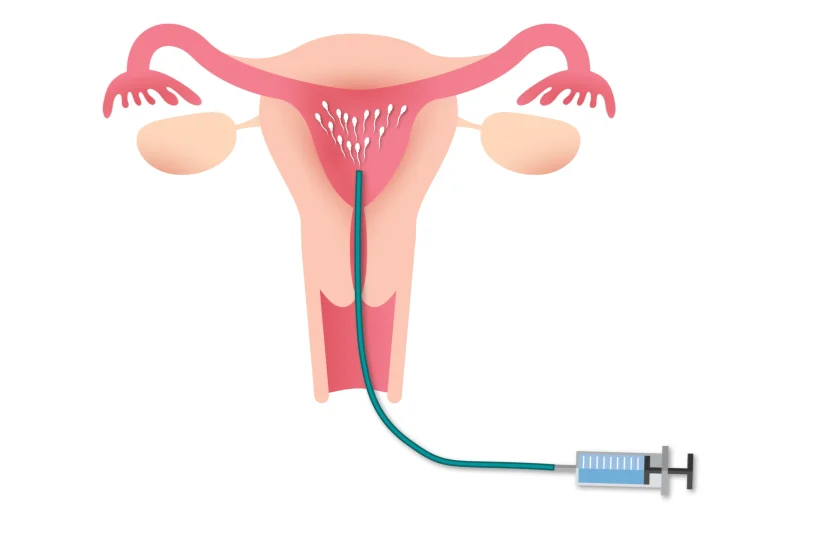
Maximizing Your Chances of Conception: Fertility Tracking Devices vs Traditional Methods
3. Not 100% Accurate: While fertility tracking devices can provide accurate results, they are not foolproof. Factors such as stress, illness, or travel can affect a woman’s cycle and throw off the predictions. Therefore, it is essential to use these devices in conjunction with other methods to maximize accuracy.
Traditional Methods
Traditional methods of tracking fertility have been used for centuries and rely on a woman’s body signals to determine her fertile window. These methods include tracking changes in basal body temperature, cervical mucus, and changes in the cervix.
Pros:
1. Low Cost: Traditional methods of fertility tracking are relatively inexpensive, as they do not require any technology or equipment.
2. Easy to Learn: These methods are easy to understand and require minimal effort to track. They can be easily learned by anyone and do not require any special skills or technology.
3. Natural and Non-invasive: Unlike fertility tracking devices, traditional methods do not require any invasive procedures or devices. They are completely natural and can be used by women of all ages and health conditions.
Cons:
1. Limited Effectiveness: Traditional methods rely solely on a woman’s body signals, which may not be accurate for everyone. They may not be as effective for women with irregular cycles or those with conditions that affect their fertility.
2. Subjective: These methods rely on the user’s interpretation of their body signals, which may not always be accurate. This can lead to incorrect predictions of ovulation and fertile days.
3. Time-consuming: Traditional methods require daily tracking, which can be time-consuming and may not be feasible for everyone’s busy schedule.
In summary, both fertility tracking devices and traditional methods have their pros and cons. Fertility tracking devices offer more accurate and personalized data, but they can be expensive and may have a learning curve. Traditional methods are natural and non-invasive, but they may not be as effective or accurate for everyone. Ultimately, the best approach may be to combine both methods to maximize the chances of conception.
In conclusion, the journey to parenthood can be a challenging one, but with the help of fertility tracking devices and traditional methods, couples can increase their chances of conception. It is essential to find the method that works best for each individual and to consult with a healthcare professional for personalized guidance. With patience, perseverance, and the right tools, couples can achieve their dream of starting a family.