Fertility Medications vs Supplements: A Comprehensive Guide to Your Options
When it comes to trying to conceive, many couples turn to fertility medications or supplements to increase their chances of getting pregnant. However, with so many options available, it can be overwhelming to determine which route to take. In this comprehensive guide, we will discuss the differences between fertility medications and supplements, their effectiveness, potential side effects, and which option may be best for you.
Fertility Medications
Fertility medications, also known as fertility drugs, are prescribed by a doctor and are typically used to treat specific fertility issues. There are several types of fertility medications, each with a different purpose.
Clomiphene citrate, or Clomid, is a commonly prescribed medication for women who are not ovulating regularly. It works by stimulating the production of hormones that trigger ovulation. Clomid is usually taken orally for five days at the beginning of a woman’s menstrual cycle.
Gonadotropins are another type of fertility medication that also stimulates ovulation. Unlike Clomid, which is taken orally, gonadotropins are injected into the body. They contain follicle-stimulating hormone (FSH) and luteinizing hormone (LH) to stimulate the ovaries to produce eggs.
Metformin is a medication typically prescribed for women with polycystic ovary syndrome (PCOS) to help regulate their menstrual cycles and improve ovulation.
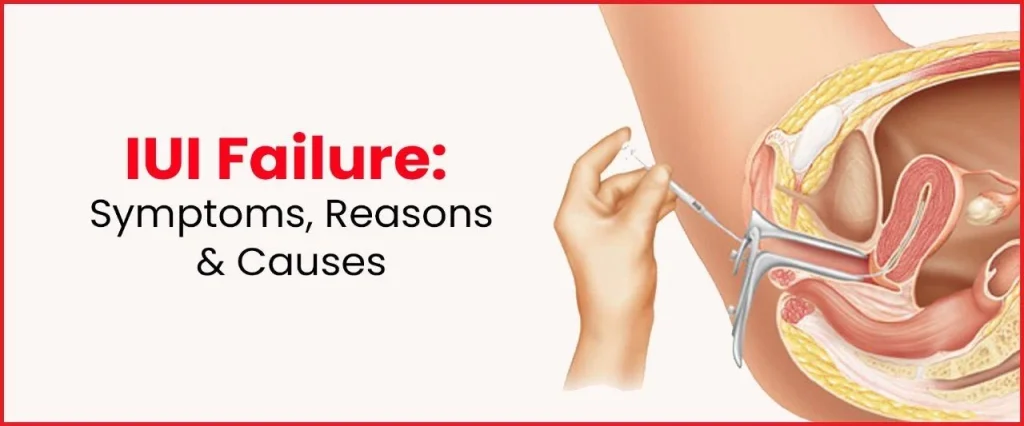
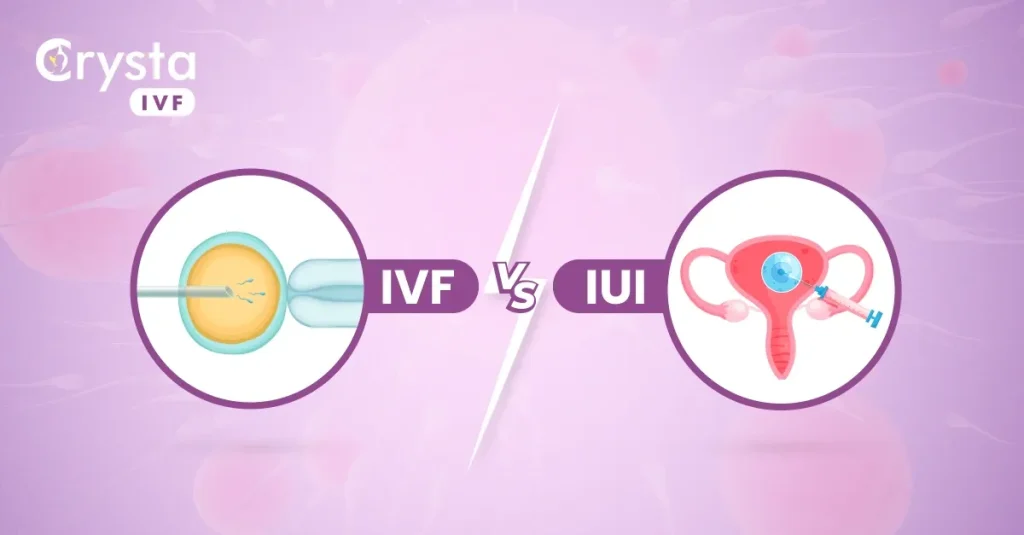
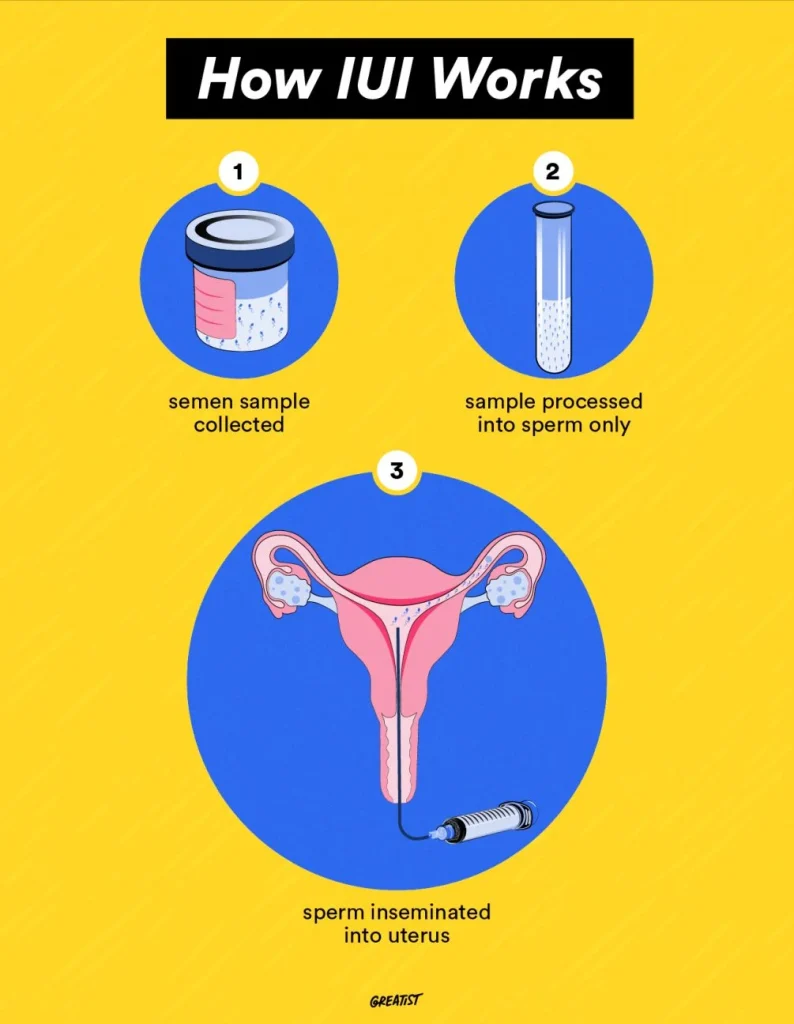
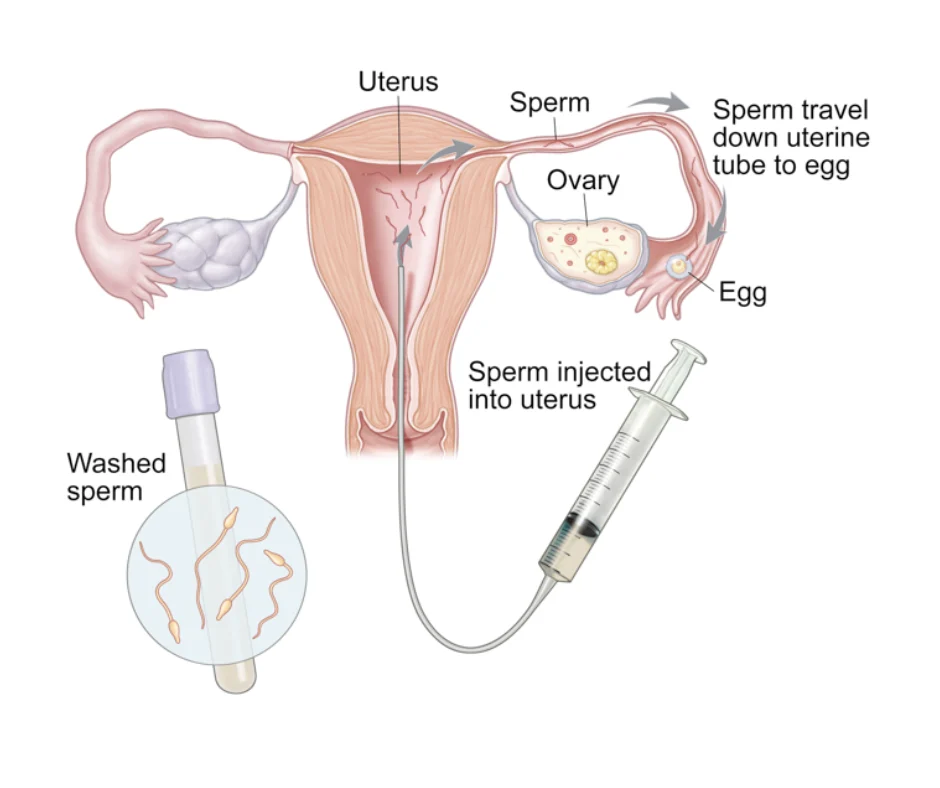
In addition to these medications, there are also fertility medications that are used in combination with assisted reproductive techniques, such as intrauterine insemination (IUI) or in vitro fertilization (IVF). These medications are used to stimulate the production of multiple eggs to increase the chances of conception.
Effectiveness and Side Effects
Fertility medications can be highly effective in treating specific fertility issues. For example, Clomid has been shown to increase ovulation and pregnancy rates in women with ovulation problems. However, the effectiveness of these medications may vary depending on the individual’s condition and factors such as age and overall health.
Like any medication, fertility drugs can also come with side effects. Common side effects of Clomid include hot flashes, mood swings, headaches, and bloating. Gonadotropins may cause similar side effects, as well as more serious complications such as ovarian hyperstimulation syndrome (OHSS). Metformin may cause gastrointestinal discomfort, such as nausea and diarrhea.
It’s essential to discuss potential side effects with your doctor before starting any fertility medication and to closely monitor your body’s response to the medication.
Supplements
Supplements, on the other hand, are not prescribed by a doctor and can be purchased over-the-counter. They are often marketed as natural alternatives to fertility medications and claim to improve fertility by providing essential nutrients and vitamins to support reproductive function.
Some common supplements for fertility include:

Fertility Medications vs Supplements: A Comprehensive Guide to Your Options
1. Folic Acid – This B vitamin is essential for fetal development and is often recommended for women trying to conceive.
2. Coenzyme Q10 – This antioxidant may help improve egg quality and increase the chances of conception.
3. Omega-3 fatty acids – These healthy fats have been linked to improved fertility in women.
4. Vitamin D – Low levels of vitamin D have been associated with infertility and supplementation may improve fertility.
5. Myo-inositol – This supplement has been shown to improve ovulation and pregnancy rates in women with PCOS.
Effectiveness and Side Effects
The effectiveness of supplements in improving fertility is not as well-studied as fertility medications. Some studies have shown promising results for specific supplements, but more research is needed to confirm their effectiveness.
Unlike fertility medications, supplements are not regulated by the FDA, so there may be inconsistencies in the quality and potency of the product. Additionally, supplements may interact with other medications, so it’s crucial to discuss with your doctor before adding any supplements to your routine.
Which Option Is Best for You?
The answer to this question will depend on your specific fertility issues and overall health. If you have been diagnosed with a specific fertility problem, such as irregular ovulation or PCOS, your doctor may recommend a specific fertility medication to address the issue.
Supplements, on the other hand, may be a good option for those who are generally healthy and looking to optimize their fertility. They can also be used in conjunction with fertility medications to support overall reproductive health.
It’s essential to discuss all of your options with your doctor and carefully weigh the potential benefits and risks before making a decision.
In conclusion, fertility medications and supplements can both be effective options for couples trying to conceive. Fertility medications are prescribed by a doctor and are used to treat specific fertility issues, while supplements are available over-the-counter and claim to improve fertility by providing essential nutrients and vitamins.
While fertility medications may have a higher success rate in treating specific fertility issues, they also come with potential side effects and must be used under the guidance of a doctor. Supplements, on the other hand, may be a more natural and less invasive option, but their effectiveness is not as well-studied, and they may interact with other medications.
Ultimately, the best option for you will depend on your individual needs and should be discussed with your doctor. By understanding the differences between fertility medications and supplements, you can make an informed decision and take a step closer to achieving your dream of starting a family.