Title: Breaking Down the Science: How Fertility Medications and Supplements Work
Introduction:
Infertility affects millions of couples worldwide and can be caused by various factors such as medical conditions, lifestyle choices, and age. Fortunately, advancements in science and medicine have led to the development of fertility medications and supplements that can help couples struggling with infertility to conceive. However, many people are often skeptical about using these medications and supplements, questioning their effectiveness and potential side effects. In this blog post, we will break down the science behind fertility medications and supplements and explain how they work to help couples achieve their dream of having a baby.
Understanding Fertility:
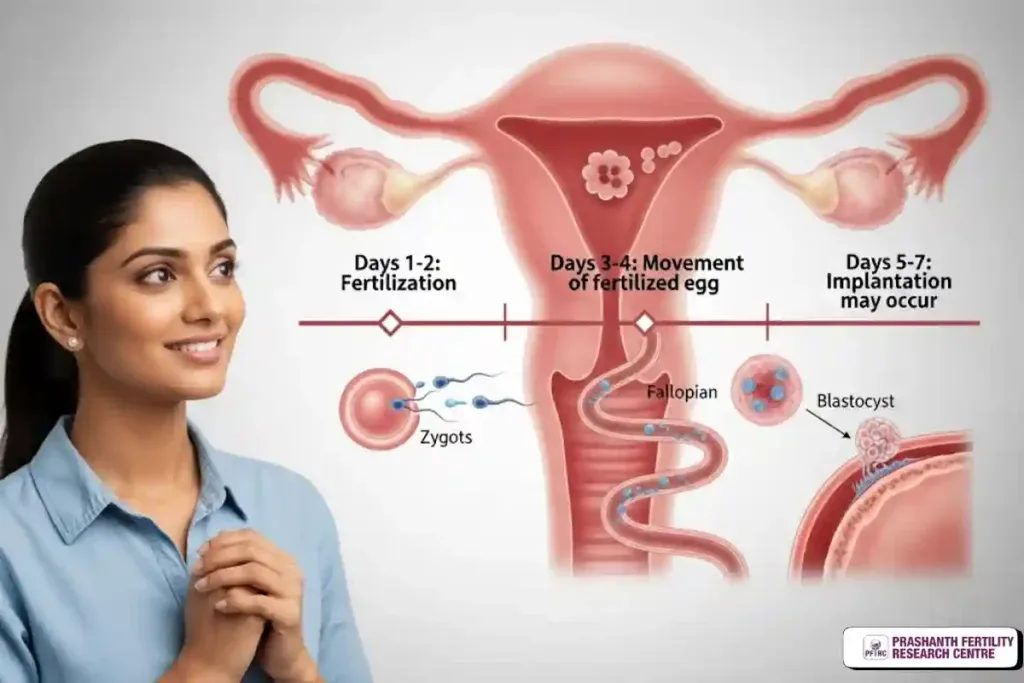
Before we dive into the specifics of fertility medications and supplements, it’s essential to understand how fertility works. In a woman’s body, the menstrual cycle is controlled by hormones that signal the ovaries to release an egg each month. This process is known as ovulation, and it is crucial for pregnancy to occur. However, for various reasons, some women may not ovulate regularly or at all, making it challenging to conceive. This is where fertility medications and supplements come into play, helping to regulate the hormones and improve ovulation.
Fertility Medications:
There are various types of fertility medications available, and their specific purpose depends on the underlying cause of infertility. Some of the most commonly used fertility medications include:
1. Clomiphene Citrate: This medication helps stimulate the ovaries to produce more follicles, which contain eggs, increasing the chances of ovulation.
2. Gonadotropins: These medications contain follicle-stimulating hormone (FSH) and luteinizing hormone (LH) and are used to stimulate the ovaries to produce multiple eggs.
3. Metformin: This medication is usually prescribed for women with polycystic ovary syndrome (PCOS) to regulate their insulin levels, which can affect fertility.
4. Bromocriptine: This medication is used to lower prolactin levels, a hormone that can interfere with ovulation.
5. Letrozole: This medication is sometimes used as an alternative to Clomiphene Citrate and works by blocking estrogen production, leading to an increase in FSH levels and ovulation.
How Fertility Medications Work:
Fertility medications work by either balancing hormones or stimulating the ovaries to produce more eggs. For example, Clomiphene Citrate works by blocking estrogen receptors in the brain, causing the body to produce more FSH and LH, which triggers ovulation.
On the other hand, Gonadotropins contain FSH and LH, which mimic the body’s natural hormones and stimulate the ovaries to produce more eggs. These medications are usually given as injections and require careful monitoring to prevent multiple pregnancies.
Breaking Down the Science: How Fertility Medications and Supplements Work
For women with PCOS, Metformin helps regulate insulin levels, which can improve ovulation and increase the chances of pregnancy. Bromocriptine, on the other hand, lowers prolactin levels, which can interfere with ovulation and fertility.
Fertility Supplements:
In addition to medications, there are also various fertility supplements available that claim to improve fertility and increase the chances of conception. These supplements often contain a combination of vitamins, minerals, and herbs that are believed to support reproductive health.
Some of the most commonly used fertility supplements include:
1. Coenzyme Q10: This antioxidant helps improve egg quality and may increase the chances of conception.
2. Folic Acid: This B vitamin is essential for fetal development and can reduce the risk of birth defects.
3. Omega-3 Fatty Acids: These healthy fats have anti-inflammatory properties and may improve hormone balance and ovulation.
4. Vitamin D: This vitamin plays a crucial role in reproductive health and may improve fertility in women with PCOS.
5. Maca Root: This herb has been used for centuries to improve fertility and is believed to regulate hormones and improve egg quality.
How Fertility Supplements Work:
Fertility supplements work by providing essential nutrients that support reproductive health and may improve ovulation and egg quality. For example, Coenzyme Q10 is an antioxidant that helps protect cells from damage and may improve egg quality. Folic acid is essential for fetal development and can reduce the risk of birth defects.
Omega-3 fatty acids have anti-inflammatory properties that may improve hormone balance, while vitamin D plays a crucial role in reproductive health. Maca root is believed to regulate hormones and improve egg quality, making it a popular supplement among women trying to conceive.
Conclusion:
Fertility medications and supplements can offer hope to couples struggling with infertility. By understanding how these medications and supplements work, couples can make informed decisions and work with their doctors to find the best treatment plan for their specific needs. It’s essential to remember that these treatments may not work for everyone, and it’s crucial to have realistic expectations and be patient throughout the process. With advancements in science and medicine, there is hope for couples to fulfill their dream of having a baby.
Summary:
Infertility affects millions of couples worldwide, and fertility medications and supplements can help them conceive. Fertility medications such as Clomiphene Citrate, Gonadotropins, Metformin, Bromocriptine, and Letrozole work by balancing hormones or stimulating the ovaries to produce more eggs. Fertility supplements, on the other hand, provide essential nutrients that support reproductive health and may improve ovulation and egg quality. By understanding how these treatments work, couples can make informed decisions and work with their doctors to find the best solution for their specific needs.