BLOG POST: Fertility Medications vs Supplements: Which Has the Quicker Results?
For couples trying to conceive, the journey can often be a long and emotional one. With the increasing prevalence of fertility issues, many turn to fertility medications and supplements in hopes of achieving quicker and more successful results. But with so many options available, it can be overwhelming to know which route to take. In this blog post, we will explore the differences between fertility medications and supplements and determine which one may yield quicker results.
Fertility Medications: An Overview
Fertility medications, also known as fertility drugs, are prescribed by doctors to help treat various fertility issues. They work by stimulating the production of hormones that are essential for ovulation and pregnancy. These medications are typically taken orally, through injections, or vaginal suppositories.
There are several types of fertility medications, each targeting a different aspect of the reproductive system. For example, Clomiphene citrate, commonly known as Clomid, is used to stimulate ovulation in women, while human chorionic gonadotropin (hCG) is used to trigger the release of mature eggs from the ovaries. Other medications, such as gonadotropins, are used to increase the number of eggs produced by the ovaries.
Pros of Fertility Medications
One of the main advantages of fertility medications is their ability to target specific fertility issues. They are often prescribed after a thorough evaluation of the couple’s medical history and fertility tests, making them a more personalized approach. Additionally, fertility medications can be highly effective in treating conditions such as Polycystic Ovary Syndrome (PCOS) and unexplained infertility.
Cons of Fertility Medications
While fertility medications can be effective, they also come with potential side effects. The most common side effects include hot flashes, mood swings, headaches, and bloating. In rare cases, they can also lead to more severe complications, such as ovarian hyperstimulation syndrome and multiple pregnancies. Furthermore, fertility medications can be costly, depending on the type and duration of treatment.
Fertility Supplements: An Overview
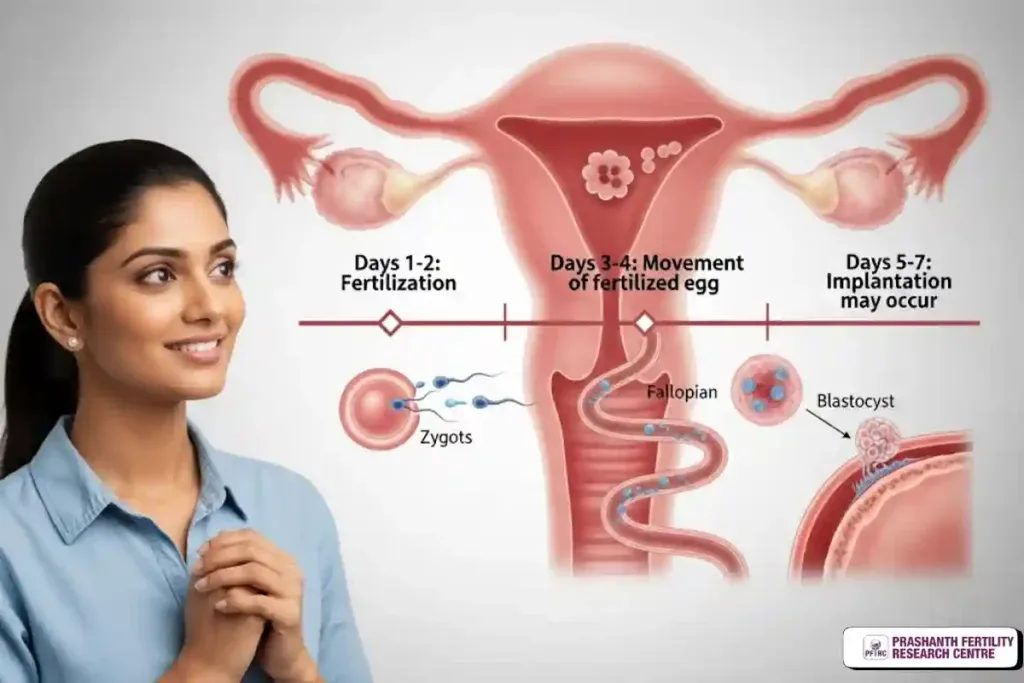
Fertility Medications vs Supplements: Which Has the Quicker Results?
Fertility supplements, on the other hand, are over-the-counter products that aim to improve fertility and increase the chances of conception. These supplements typically contain a blend of vitamins, minerals, and herbs that are believed to boost fertility. Some of the most commonly used ingredients in fertility supplements include folic acid, Coenzyme Q10, and chasteberry.
Pros of Fertility Supplements
One of the most significant advantages of fertility supplements is their accessibility. They can be purchased without a prescription, making them a more convenient option for couples trying to conceive. Additionally, fertility supplements are generally safe and have minimal side effects. They can also improve overall reproductive health and may benefit both men and women.
Cons of Fertility Supplements
Unlike fertility medications, supplements have not been extensively studied, and their effectiveness is not guaranteed. The lack of regulation in the supplement industry means that the quality and potency of these products can vary greatly. Therefore, it is essential to do thorough research and consult with a healthcare professional before taking any fertility supplements. Additionally, supplements may take longer to show results, and the success rates may vary from person to person.
Which Has Quicker Results: Fertility Medications or Supplements?
The question of whether fertility medications or supplements have quicker results is a complex one. Ultimately, the answer depends on various factors, such as the type of fertility issue, the individual’s response to treatment, and overall health. In some cases, fertility medications may yield quicker results, especially when targeting a specific issue. However, supplements can also be effective in improving overall fertility and may show results in the long run.
It is also worth noting that fertility medications and supplements can be used together. In fact, some doctors may recommend a combination of both for optimal results. For example, supplements can help improve overall reproductive health while undergoing fertility treatment with medications.
Summary:
In conclusion, both fertility medications and supplements have their pros and cons, and it ultimately depends on individual circumstances. Fertility medications are prescribed by doctors and are highly targeted, making them more effective in treating specific issues. However, they can also come with potential side effects and can be costly. On the other hand, fertility supplements are more accessible and generally safe, but their effectiveness may vary from person to person. It is essential to consult with a healthcare professional and do thorough research before deciding which route to take.