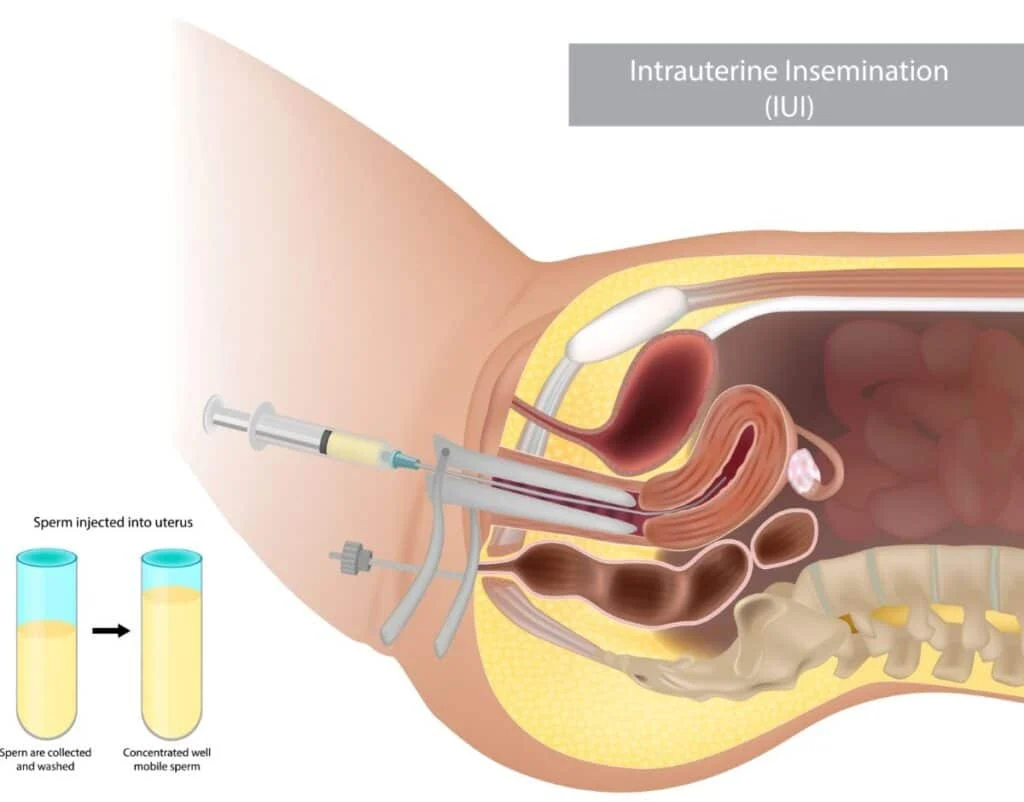
Tag: Infertility

  • The Importance of Early Detection: Diagnosing Male and Female Factor Infertility

    Blog post: The Importance of Early Detection: Diagnosing Male and Female Factor Infertility

    Infertility is a common issue that affects millions of couples around the world. While many people assume that infertility is solely a female problem, the reality is that both men and women can contribute to fertility issues. In fact, research shows that male factor infertility accounts for up to 40% of all infertility cases. However, the good news is that with early detection and proper treatment, many couples can overcome infertility and achieve their dream of having a family.

    In this blog post, we will explore the importance of early detection in diagnosing male and female factor infertility. We will discuss the causes of infertility, the role of early detection, and the available options for treatment. So, whether you are struggling to conceive or simply want to be proactive about your reproductive health, read on to learn more about this important topic.

    Causes of Infertility

    Infertility can be caused by a variety of factors, both in men and women. In women, the most common causes of infertility include hormonal imbalances, ovulation disorders, and structural issues with the reproductive organs. Endometriosis, a condition in which the tissue that lines the uterus grows outside of it, can also contribute to female infertility.

    On the other hand, male factor infertility is often caused by issues with sperm production, function, or delivery. These can include hormonal imbalances, genetic disorders, infections, and lifestyle factors such as smoking and excessive alcohol consumption. Additionally, certain medications and medical treatments, such as chemotherapy, can also affect sperm production and quality.

    The Role of Early Detection

    Early detection is crucial when it comes to diagnosing male and female factor infertility. Many couples wait until they have been trying to conceive for a year or more before seeking medical help. However, experts recommend that couples who are under 35 and have been trying to conceive for 12 months, or those over 35 and have been trying for 6 months, should seek medical advice. Early detection allows for a timely diagnosis, which can increase the chances of successful treatment.

    For women, early detection can help identify any underlying medical conditions that may be affecting fertility. This can include hormonal imbalances or structural issues with the reproductive organs. In some cases, early detection can also help diagnose conditions such as endometriosis, which may require surgical intervention for treatment.
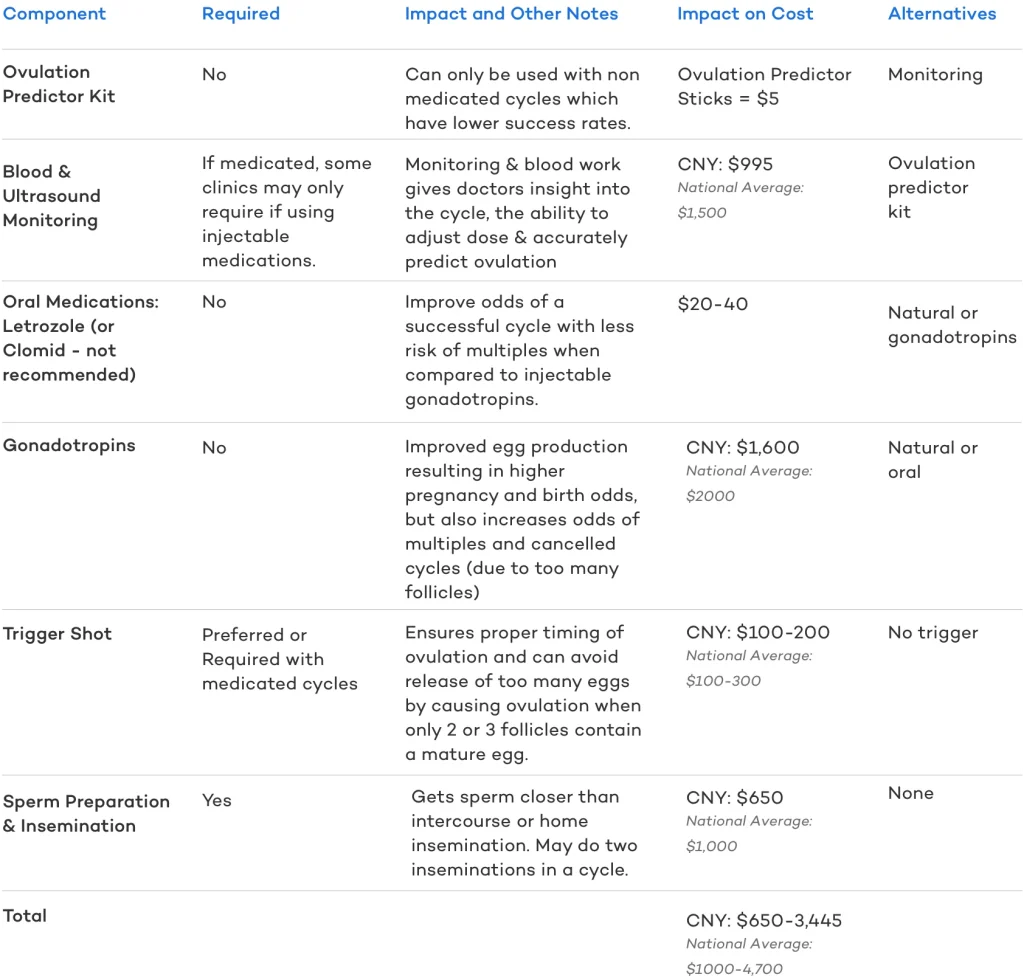
    Cost breakdown for IUI components, including requirements, impacts, and alternatives.

    The Importance of Early Detection: Diagnosing Male and Female Factor Infertility

    In men, early detection can help identify any issues with sperm production or function. A semen analysis, which is a simple and non-invasive test, can provide valuable information about sperm count, motility, and morphology. If any abnormalities are detected, further testing can help determine the cause and guide treatment options.

    Treatment Options

    The treatment for infertility will depend on the underlying cause and may involve a combination of medical, surgical, or assisted reproductive techniques. For women, hormonal therapies can help regulate ovulation and increase the chances of conception. In cases of structural issues, surgical intervention may be necessary to correct any abnormalities in the reproductive organs.

    For male factor infertility, treatment options may include hormonal therapy, antibiotics to treat infections, or surgery to correct any blockages or abnormalities in the reproductive organs. In cases of severe sperm abnormalities, assisted reproductive techniques such as intrauterine insemination (IUI) or in vitro fertilization (IVF) may be recommended.

    However, early detection is key in ensuring the success of these treatments. The longer a couple waits to seek medical help, the higher the chances of underlying fertility issues becoming more difficult to treat. This is why it is crucial to seek medical advice as soon as a couple suspects they may be facing fertility issues.

    In addition to medical treatments, lifestyle changes can also play a significant role in improving fertility. For both men and women, maintaining a healthy weight, reducing alcohol consumption, quitting smoking, and managing stress can all help increase the chances of successful conception.

    In conclusion, infertility is a common issue that can affect both men and women. Early detection is crucial in diagnosing and treating male and female factor infertility. By seeking medical help early on, couples can increase their chances of successful conception and start their journey towards building a family. So, if you and your partner are facing fertility issues, do not hesitate to seek medical advice and explore your options for treatment.

    Summary:

    Infertility is a common issue that affects both men and women, with male factor infertility accounting for up to 40% of all cases. The causes of infertility can vary, and early detection is crucial in identifying and treating these issues. For women, early detection can help diagnose conditions such as endometriosis, while in men, it can identify issues with sperm production or function. Treatment options for infertility can include medical, surgical, or assisted reproductive techniques, but early detection is key to their success. In addition to medical treatments, lifestyle changes can also play a significant role in improving fertility. Seeking medical advice early on can increase the chances of successful conception and help couples achieve their dream of starting a family.
  • Hope for Couples: Overcoming Infertility Through Male and Female Factor Treatments

    Title: Hope for Couples: Overcoming Infertility Through Male and Female Factor Treatments

    Introduction:
    Infertility is a common issue that affects many couples around the world. It can be a difficult and emotional journey for couples who are struggling to conceive. While there are many factors that can contribute to infertility, it is important to understand that both men and women can experience fertility issues. In this blog post, we will explore the different treatment options available for male and female factor infertility and how they can bring hope to couples who are trying to start a family.

    Understanding Male and Female Factor Infertility:
    Before diving into the treatments, it is important to understand the difference between male and female factor infertility. Male factor infertility refers to issues with sperm production, function, or delivery, while female factor infertility is related to problems with ovulation, egg quality, or the reproductive organs. In some cases, both partners may have contributing factors to infertility, making it even more challenging for couples to conceive.

    Male Factor Infertility Treatments:
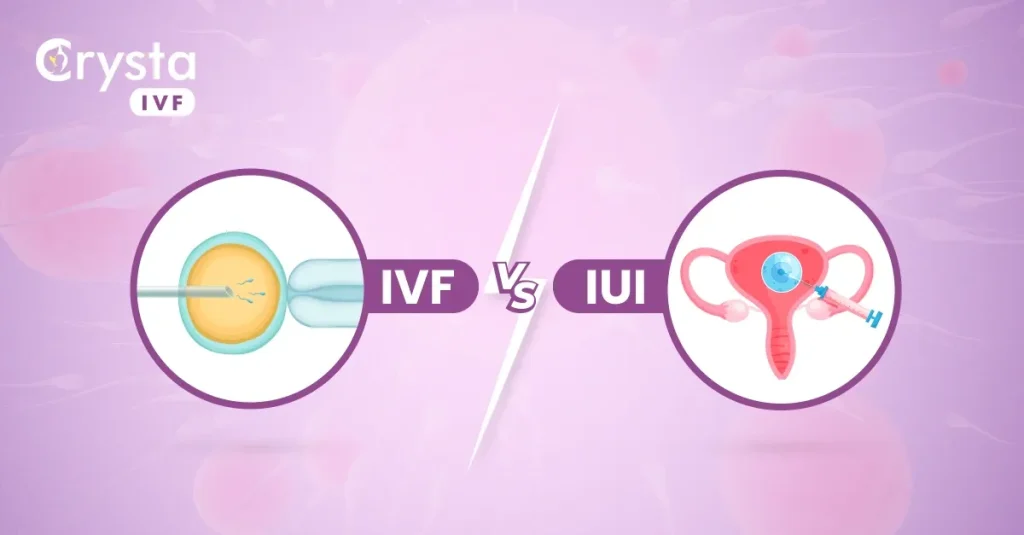
    When it comes to male factor infertility, there are several treatment options available depending on the underlying cause. One common treatment is medication, which can help improve sperm production and function. In cases where there are blockages or obstructions in the reproductive organs, surgery may be necessary to clear the blockage. Another option is assisted reproductive technology (ART), such as intrauterine insemination (IUI) or in vitro fertilization (IVF), which involves collecting sperm and using it to fertilize the female partner’s egg. These treatments have shown high success rates in helping couples conceive.

    Female Factor Infertility Treatments:
    For women, the treatment options for infertility will depend on the underlying cause. If the issue is related to ovulation, medication such as Clomid or letrozole may be prescribed to stimulate ovulation. In cases where there are structural issues with the reproductive organs, surgery may be necessary to correct the problem. ART, such as IVF, may also be recommended for women with fertility issues. Additionally, lifestyle changes, such as maintaining a healthy weight and reducing stress, can also improve fertility in women.

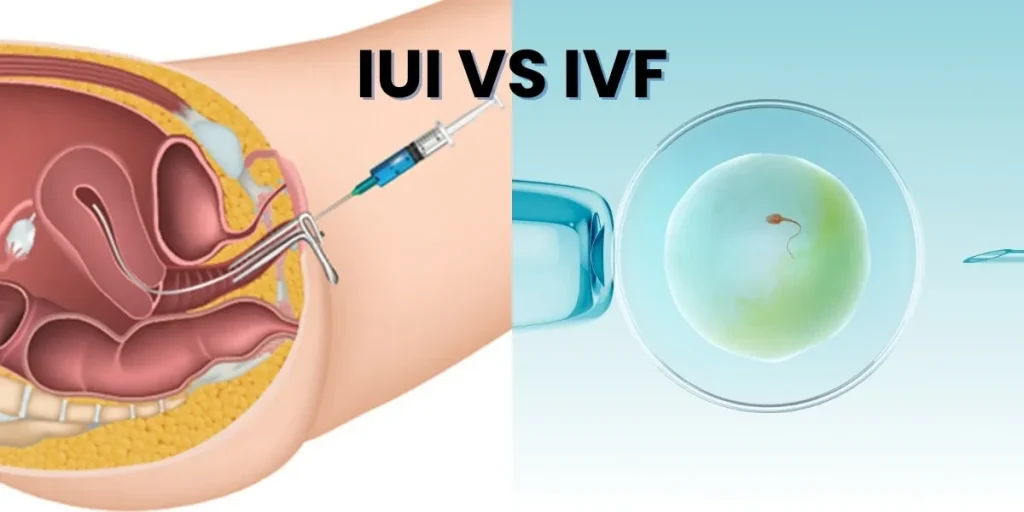
    comparison of IUI and IVF fertility treatments with illustrations of procedures and a petri dish with an egg and sperm

    Hope for Couples: Overcoming Infertility Through Male and Female Factor Treatments

    Combining Treatments for Better Results:
    In some cases, combining male and female factor infertility treatments can greatly increase the chances of conception. For example, if a man has a low sperm count and the woman has blocked fallopian tubes, using ART with donor sperm can be a viable option for couples. This is known as donor sperm IUI or IVF. By combining treatments, couples can have a better chance of overcoming their fertility struggles and achieving their dream of starting a family.

    The Emotional Impact of Infertility:
    Dealing with infertility can take a toll on the emotional wellbeing of both partners. It can cause feelings of stress, anxiety, and even depression. It is important for couples to communicate openly and support each other through this journey. Seeking the help of a therapist or joining a support group can also be beneficial in coping with the emotional impact of infertility.

    The Role of Nutrition and Lifestyle:
    While medical treatments play a significant role in overcoming infertility, paying attention to nutrition and lifestyle factors can also make a difference. A healthy and balanced diet can help regulate hormones and improve fertility in both men and women. Additionally, avoiding smoking, excessive alcohol consumption, and maintaining a healthy weight can also improve fertility. Couples can work together to make positive lifestyle changes that can improve their chances of conceiving.

    Conclusion:
    Infertility can be a challenging and emotional journey for couples, but there is hope. With the advancements in medical technology and treatments, many couples have been able to overcome their fertility struggles and start a family. By understanding the different treatment options available for male and female factor infertility and addressing any emotional and lifestyle factors, couples can increase their chances of conceiving and bringing a new life into the world.

    In summary, infertility can affect both men and women, and there are various treatment options available to help couples overcome their fertility struggles. These include medication, surgery, assisted reproductive technology, and lifestyle changes. By combining treatments and addressing emotional and lifestyle factors, couples can increase their chances of conceiving and fulfilling their dream of starting a family.

  • Fertility Facts: Debunking Myths About Male and Female Factor Treatments

    Blog Post: Fertility Facts: Debunking Myths About Male and Female Factor Treatments

    Fertility is a topic that is often shrouded in myths and misconceptions, especially when it comes to male and female factor treatments. Many couples struggling to conceive may feel overwhelmed and confused by the conflicting information out there. In this blog post, we will explore some of the most common fertility myths and debunk them with facts about male and female factor treatments.

    Myth #1: Fertility Issues are Only a Woman’s Problem

    One of the most common misconceptions about fertility is that it is solely the woman’s responsibility to conceive. While it is true that women play a significant role in the process, fertility issues can also arise from male factors. In fact, 1 in 3 cases of infertility is due to male factors alone, and in another 1 in 3 cases, both male and female factors contribute to the problem.

    Male fertility issues can include low sperm count, poor sperm motility, and abnormal sperm morphology. These issues can be caused by various factors such as hormonal imbalances, genetic conditions, and lifestyle choices. It is essential for both partners to undergo fertility testing to determine the root cause of their infertility and receive appropriate treatment.

    Myth #2: Fertility Problems are Rare

    Another misconception about fertility is that it is a rare problem. However, the reality is that infertility affects around 1 in 8 couples worldwide. It is a common issue that can be caused by various factors, including age, health conditions, and lifestyle choices. It is crucial for couples to seek help if they have been trying to conceive for over a year without success.

    Myth #3: Infertility is Always a Woman’s Fault

    Infertility is not a woman’s fault, and it is not something that can be controlled. Many factors contribute to fertility problems, including age, health conditions, and genetics. While women are often blamed for infertility, the truth is that it is a shared responsibility between both partners. It is essential to approach fertility as a team and support each other throughout the process.

    Myth #4: Fertility Treatment is Only for Women

    Another myth surrounding fertility is that treatment is only available for women. However, advancements in technology have made it possible for men to receive treatments for their fertility issues. Male factor treatments include lifestyle changes, medication, surgery, and assisted reproductive techniques such as intrauterine insemination (IUI) and in vitro fertilization (IVF). It is crucial for men to seek professional help if they are experiencing fertility problems.

    Myth #5: IVF is the Only Option for Infertility

    Comparison of IVF and IUI procedures with illustrations of each method.

    Fertility Facts: Debunking Myths About Male and Female Factor Treatments

    In vitro fertilization (IVF) is a well-known fertility treatment that involves fertilizing an egg with sperm in a lab and then transferring the embryo into the woman’s uterus. While IVF has a high success rate, it is not the only option for couples struggling with infertility. Depending on the cause of infertility, other treatments such as medication, surgery, and intrauterine insemination (IUI) may be recommended by a fertility specialist. It is essential to consult with a specialist to determine the best course of treatment for each individual case.

    Myth #6: Fertility Treatment is Always Expensive

    The cost of fertility treatment varies depending on the type of treatment, location, and individual circumstances. While some treatments can be costly, there are also affordable options available, such as medication and lifestyle changes. Many fertility clinics also offer financing options and discounts to make treatment more accessible to couples.

    Myth #7: Fertility Treatment Always Results in Multiple Births

    One of the most common fears about fertility treatment is the risk of multiple births. While it is true that some treatments, such as IVF, can increase the chances of multiple births, it is not always the case. With advancements in technology and medical protocols, fertility specialists can now control and monitor the number of embryos transferred to reduce the risk of multiple births.

    Myth #8: Age Does Not Affect Male Fertility

    While women are often warned about the impact of age on their fertility, men are often left out of the conversation. The truth is that age does play a role in male fertility. As men age, their sperm quality and quantity decrease, making it more challenging to conceive. It is crucial for couples to be aware of this and seek help if they have been trying to conceive for over a year.

    Myth #9: Lifestyle Choices Do Not Affect Fertility

    Many lifestyle choices can have a significant impact on fertility for both men and women. These choices include smoking, excessive alcohol consumption, drug use, and a poor diet. These habits can affect hormone levels, sperm quality, and overall reproductive health. It is essential for couples to make healthy lifestyle choices to improve their chances of conceiving.

    Myth #10: Fertility Treatment is Guaranteed to Work

    While fertility treatment has a high success rate, it is not a guarantee. The success of treatment depends on various factors, including the cause of infertility, age, and overall health. It is essential for couples to have realistic expectations and be prepared for multiple treatment cycles if needed.

    In conclusion, there are many myths surrounding male and female factor treatments for fertility. It is essential for couples to educate themselves and seek help from a fertility specialist to receive accurate information and appropriate treatment. Remember, fertility is a shared responsibility, and it is crucial to support each other through the journey.

  • The Role of Genetics in Male and Female Factor Infertility Treatments

    Blog Post:

    Infertility is a common issue that affects many couples around the world. It is estimated that 1 in 8 couples struggle with infertility, and while there are many factors that can contribute to this condition, genetics play a significant role. In fact, studies have shown that genetics account for about 30% of all infertility cases.

    When it comes to male and female factor infertility, genetics can play a role in both. In this blog post, we will take a closer look at the role of genetics in male and female factor infertility treatments.

    Male Factor Infertility and Genetics:

    Male factor infertility refers to any fertility issue that is caused by problems with the male partner’s reproductive system. This can include low sperm count, poor sperm motility, or abnormal sperm shape. In many cases, these issues can be attributed to genetics.

    One of the main ways genetics can affect male infertility is through the Y chromosome. The Y chromosome is responsible for male sexual development, and any mutations or abnormalities in this chromosome can lead to fertility problems. For example, a deletion or duplication of genetic material on the Y chromosome can result in conditions like Klinefelter syndrome or Y chromosome microdeletions, both of which can cause male factor infertility.

    Another genetic factor that can contribute to male infertility is the presence of certain gene mutations. These mutations can impact sperm production, sperm motility, and sperm quality, all of which can affect a man’s fertility. Some of the genes that have been linked to male infertility include the CFTR gene, which is associated with cystic fibrosis, and the FSHR gene, which is involved in regulating sperm production.

    Female Factor Infertility and Genetics:

    Similarly, genetics also play a significant role in female factor infertility. In women, genetic factors can impact ovulation, the health of the eggs, and the overall function of the reproductive system.

    One of the most well-known genetic causes of female infertility is a condition called polycystic ovary syndrome (PCOS). This condition affects about 10% of women and is caused by an imbalance of hormones. Women with PCOS often have irregular or absent ovulation, making it difficult to conceive.

    Another genetic factor that can contribute to female infertility is chromosomal abnormalities. These can include conditions like Turner syndrome, in which a woman is missing one X chromosome, or Fragile X syndrome, which can cause early menopause. These abnormalities can affect a woman’s fertility by impacting hormone levels, egg quality, and the overall functioning of the reproductive system.

    diagram of the female reproductive system with an IUI syringe and test tube for artificial insemination

    The Role of Genetics in Male and Female Factor Infertility Treatments

    Genetic Testing in Infertility Treatments:

    With the advances in technology, genetic testing has become an essential tool in infertility treatments. Genetic testing allows doctors to identify any genetic issues that may be causing infertility and develop a more personalized treatment plan.

    In male factor infertility, genetic testing can help identify any chromosomal abnormalities or gene mutations that may be impacting sperm production or quality. This information can then be used to determine the best course of treatment, such as assisted reproductive techniques like intracytoplasmic sperm injection (ICSI).

    For female factor infertility, genetic testing can help identify conditions like PCOS or chromosomal abnormalities that may be affecting a woman’s fertility. This information can be used to guide treatment options, such as fertility medications or in vitro fertilization (IVF).

    In some cases, genetic testing can also help identify underlying conditions that may be causing both male and female infertility. For example, certain genetic conditions like cystic fibrosis or sickle cell disease can affect both partners and may require additional treatment considerations.

    The Future of Genetics in Infertility Treatments:

    As our understanding of genetics continues to advance, so do our treatment options for infertility. One of the most promising developments is the use of gene editing technology, like CRISPR, to correct genetic mutations that may be causing infertility. This technology has the potential to revolutionize infertility treatments and offer hope to many couples struggling to conceive.

    However, ethical concerns and the need for further research and development still surround this technology. As of now, gene editing is not widely used in infertility treatments, but it could become a more common practice in the future.

    In conclusion, genetics play a crucial role in male and female factor infertility. By understanding the genetic factors that contribute to infertility, doctors can develop more effective and personalized treatment plans for couples. With the continued advancement of technology and research, the future of genetics in infertility treatments looks promising, offering hope to those struggling to start a family.

    Summary:

    Infertility affects many couples worldwide, and genetics play a significant role in both male and female factor infertility. Genetic factors such as mutations on the Y chromosome and gene mutations can cause male factor infertility, while conditions like PCOS and chromosomal abnormalities can contribute to female factor infertility. Genetic testing has become an essential tool in infertility treatments, allowing doctors to develop personalized treatment plans. The future of genetics in infertility treatments looks promising, with the potential use of gene editing technology to correct genetic mutations.

  • Navigating Male Factor Infertility: A Guide to Treatment Options

    Navigating Male Factor Infertility: A Guide to Treatment Options

    When it comes to infertility, the focus is often on the female partner and her potential fertility issues. However, male factor infertility is just as common and can be a major contributing factor to difficulties conceiving. In fact, it is estimated that male factor infertility is the sole cause or a contributing factor in up to 40% of couples struggling to conceive.

    Male factor infertility refers to any issue that affects a man’s ability to impregnate a woman. This can include low sperm count, poor sperm motility, or abnormal sperm morphology. It can also be caused by medical conditions such as hormonal imbalances, genetic disorders, or structural issues with the reproductive organs. In this blog post, we will explore the various treatment options available for male factor infertility and how to navigate them.

    1. Diagnosis

    The first step in addressing male factor infertility is to undergo a thorough diagnosis. This typically involves a physical examination, semen analysis, and blood tests to check for any underlying medical conditions. It is important to consult with a fertility specialist who can accurately diagnose and determine the cause of male factor infertility. Once a diagnosis is made, the appropriate treatment plan can be developed.

    2. Lifestyle Changes

    In some cases, male factor infertility can be improved by making simple lifestyle changes. This can include quitting smoking, reducing alcohol consumption, and maintaining a healthy weight. Studies have shown that smoking and excessive alcohol intake can negatively impact sperm quality and quantity. Additionally, obesity has been linked to hormonal imbalances and can affect sperm production. Making these lifestyle changes can improve overall health and increase chances of conception.

    3. Medications

    If a hormonal imbalance is the cause of male factor infertility, medications may be prescribed to help regulate hormone levels and improve sperm production. These medications can include clomiphene citrate, human chorionic gonadotropin (hCG), or gonadotropin-releasing hormone (GnRH). However, it is important to note that these medications may have side effects and should only be taken under the guidance of a fertility specialist.

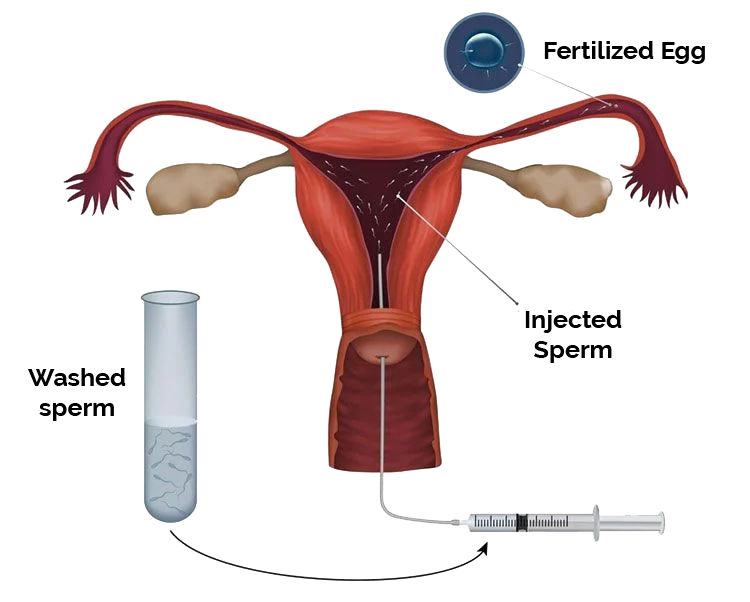
    Illustration of a uterus with a syringe, representing intrauterine insemination (IUI) procedure.

    Navigating Male Factor Infertility: A Guide to Treatment Options

    4. Assisted Reproductive Technologies (ART)

    In cases where male factor infertility cannot be treated with lifestyle changes or medications, assisted reproductive technologies (ART) may be recommended. These procedures can help increase the chances of pregnancy by bypassing any fertility issues. The most common ART procedures for male factor infertility include intrauterine insemination (IUI) and in vitro fertilization (IVF).

    IUI involves placing washed sperm directly into the woman’s uterus during ovulation, while IVF involves retrieving eggs from the female partner and fertilizing them with sperm in a laboratory before transferring the embryos into the uterus. Both procedures have high success rates and can be tailored to meet the specific needs of each couple.

    5. Surgical Interventions

    In some cases, male factor infertility can be treated through surgical interventions. This can include procedures such as varicocele repair, vasectomy reversal, or sperm retrieval. Varicocele repair involves repairing enlarged veins in the scrotum that can affect sperm production. Vasectomy reversal is a procedure to reconnect the male reproductive tract after a previous vasectomy. Sperm retrieval involves obtaining sperm directly from the testicles or epididymis for use in ART procedures.

    6. Donor Sperm

    In cases where there is a total absence of sperm or extremely low sperm count, donor sperm may be an option. This involves using sperm from a donor to fertilize the female partner’s eggs through IUI or IVF. The use of donor sperm is a highly successful option for couples struggling with male factor infertility.

    Navigating male factor infertility can be a challenging and emotional journey for couples. It is important to seek support and guidance from a fertility specialist who can provide accurate diagnosis and personalized treatment options. With the advancements in medical technology, there are many treatment options available to help couples achieve their dream of starting a family.
    In summary, male factor infertility is a common issue that can affect a couple’s ability to conceive. It can be caused by various factors and can be treated through lifestyle changes, medications, ART procedures, surgical interventions, or the use of donor sperm. Seeking the help of a fertility specialist is crucial in navigating the treatment options and increasing the chances of a successful pregnancy.

  • The Battle of the Sexes: Comparing Male and Female Factor Infertility Treatments

    The Battle of the Sexes: Comparing Male and Female Factor Infertility Treatments

    Infertility affects millions of couples around the world, and it can be a physically and emotionally taxing experience. While both men and women can struggle with infertility, the causes and treatment options may differ between the sexes. In this blog post, we will explore the battle of the sexes when it comes to infertility, specifically looking at the causes and treatments for male and female factor infertility.

    Understanding Male and Female Factor Infertility

    Infertility is defined as the inability to conceive after 12 months of trying to conceive without using any form of birth control. It affects approximately 1 in 8 couples, and it can be caused by a variety of factors. Male factor infertility refers to issues with the man’s reproductive system, such as low sperm count or motility, while female factor infertility refers to issues with the woman’s reproductive system, such as hormonal imbalances or blocked fallopian tubes.

    Causes of Male Factor Infertility

    Male factor infertility can be caused by a variety of factors, including:

    1. Low sperm count: A low sperm count, also known as oligospermia, refers to having fewer than 15 million sperm per milliliter of semen. This can make it difficult for the sperm to reach and fertilize the egg.

    2. Poor sperm motility: Sperm motility refers to the ability of sperm to swim and move towards the egg. If the sperm has poor motility, it may not be able to reach and fertilize the egg.

    3. Abnormal sperm shape: Sperm with abnormal shapes may have difficulty penetrating the egg and fertilizing it.

    4. Varicocele: This is a condition where the veins in the scrotum are enlarged, causing an increase in temperature that can affect sperm production.

    5. Hormonal imbalances: Hormonal imbalances, such as low testosterone levels, can affect sperm production and quality.

    Causes of Female Factor Infertility

    Female factor infertility can be caused by a variety of factors, including:

    1. Ovulation disorders: Disorders such as polycystic ovary syndrome (PCOS) can affect ovulation and make it difficult for a woman to conceive.

    Diagram illustrating intrauterine insemination (IUI) procedure with sperm injection into the uterus.

    The Battle of the Sexes: Comparing Male and Female Factor Infertility Treatments

    2. Blocked fallopian tubes: If the fallopian tubes are blocked, the sperm may not be able to reach the egg for fertilization.

    3. Endometriosis: This is a condition where the tissue that lines the uterus grows outside of it, affecting fertility.

    4. Uterine issues: Structural issues with the uterus, such as fibroids or polyps, can affect fertility.

    5. Age: As women age, their fertility declines, and they may have difficulty conceiving.

    Treatments for Male Factor Infertility

    The most common treatment for male factor infertility is intrauterine insemination (IUI). During this procedure, washed and concentrated sperm is placed directly into the woman’s uterus around the time of ovulation. This increases the chances of fertilization and pregnancy. In cases of severe male factor infertility, in vitro fertilization (IVF) may be recommended. This involves retrieving sperm directly from the testicles and fertilizing the egg in a laboratory setting before transferring the embryo into the woman’s uterus.

    Other treatments for male factor infertility include surgery to repair varicocele or remove blockages in the reproductive system, and medication to address hormonal imbalances.

    Treatments for Female Factor Infertility

    The most common treatment for female factor infertility is ovulation induction, which involves taking medication to stimulate the ovaries and increase the chances of ovulation. This is often combined with IUI to increase the chances of fertilization.

    If the fallopian tubes are blocked or damaged, surgery may be recommended to repair or remove the blockages. In cases of severe female factor infertility, IVF may be recommended, where the eggs are retrieved from the ovaries, fertilized in a laboratory, and then transferred into the woman’s uterus.

    Lifestyle changes, such as maintaining a healthy weight and avoiding smoking and excessive alcohol consumption, can also improve fertility in women.

    Comparing Male and Female Factor Infertility Treatments

    There are a few key differences between the treatments for male and female factor infertility. While IUI is a common treatment for both, it is often combined with ovulation induction in the case of female factor infertility. Additionally, IVF is more commonly used for severe male factor infertility, while surgery may be recommended for severe female factor infertility.

    It’s also important to note that fertility treatments can be costly and emotionally draining, and success rates vary depending on the cause of infertility and individual factors.

    In summary, infertility is a common issue that can affect both men and women, but the causes and treatments may differ between the sexes. While male factor infertility is often treated with IUI or IVF, female factor infertility may require ovulation induction or surgery. With advancements in technology and medicine, there is hope for couples struggling with infertility to achieve their dream of having a child.

  • Fresh Donor Sperm: A Look into the Donor Screening Process

    Blog Post Title: Fresh Donor Sperm: A Look into the Donor Screening Process

    Fresh donor sperm has become a popular option for individuals and couples who are struggling with infertility or looking to start a family on their own. With advancements in technology and changes in societal norms, the use of donor sperm has become more accessible and accepted. However, the process of selecting a donor and obtaining fresh sperm is not as simple as it may seem. In this blog post, we will take a deeper look into the donor screening process for fresh donor sperm and why it is crucial for ensuring a safe and successful conception.

    Donor screening is the first step in the process of using fresh donor sperm. It involves a series of tests and evaluations to determine the overall health and viability of the donor’s sperm. This process is essential for protecting the recipient and any potential offspring from potential health risks and genetic disorders.

    The screening process begins with an extensive medical history and physical exam of the donor. This includes questions about the donor’s personal and family medical history, lifestyle habits, and any previous pregnancies or donations. A physical exam is also conducted to check for any visible signs of health issues.

    Next, the donor’s blood and urine are tested for infectious diseases such as HIV, hepatitis B and C, syphilis, and others. These tests are performed to ensure that the donor does not have any communicable diseases that could be passed on to the recipient or the child.

    Genetic testing is another crucial aspect of donor screening. This involves testing for genetic disorders that can be inherited by offspring. Some common genetic disorders that are screened for include cystic fibrosis, sickle cell anemia, and Tay-Sachs disease. Depending on the donor’s ethnicity, additional genetic testing may be recommended to screen for specific genetic disorders that are more prevalent in certain populations.

    comparison of IUI and IVF fertility treatments with illustrations of procedures and a petri dish with an egg and sperm

    Fresh Donor Sperm: A Look into the Donor Screening Process

    In addition to medical and genetic screenings, donors are also required to undergo psychological evaluations. These evaluations help to assess the donor’s mental and emotional stability, as well as their motivations for donating. This is important to ensure that the donor is mentally and emotionally prepared to handle any potential emotional consequences of their donation.

    Once a donor has passed all of the necessary screenings and evaluations, their sperm is then collected and tested for quality and viability. This includes analyzing the sperm count, motility, and morphology. Only the healthiest and most viable sperm will be selected for use.

    It is important to note that the donor screening process is not a one-time event. Donors are required to undergo regular screenings, typically every six months, to ensure that their health and sperm quality have not changed. This is crucial for maintaining the safety and success of the donation process.

    In addition to the physical and medical aspects of donor screening, there are also legal considerations that must be taken into account. Donors are required to sign legal contracts that outline their rights, responsibilities, and any potential legal obligations. This is crucial for protecting both the donor and the recipient and ensuring that all parties are aware of their rights and obligations.

    The donor screening process is not only important for the health and well-being of the recipient and potential offspring, but it also plays a significant role in the success of the conception. By thoroughly screening donors and their sperm, fertility clinics can ensure that the sperm used for insemination is of the highest quality and has the best chance of resulting in a successful pregnancy.

    In summary, the donor screening process for fresh donor sperm is a thorough and multi-faceted process that involves medical, genetic, psychological, and legal evaluations. This process is crucial for ensuring the safety and success of the donation process and ultimately helping individuals and couples achieve their dream of starting a family.
  • Frozen Donor Sperm: A Viable Option for Couples Facing Male Infertility and Genetic Disorders

    Blog Post: Frozen Donor Sperm: A Viable Option for Couples Facing Male Infertility and Genetic Disorders

    Infertility is a common struggle for many couples, affecting approximately 1 in 8 couples worldwide. While there are various reasons for infertility, male factor infertility is a significant contributing factor, accounting for almost 40% of all cases. This can be a challenging and emotionally draining experience for couples who are trying to conceive. Fortunately, with advancements in medical technology, there are several options available to help couples overcome male infertility and fulfill their dreams of starting a family. One of these options is frozen donor sperm, which has become a popular and effective solution for many couples facing male infertility and genetic disorders. In this blog post, we will explore the use of frozen donor sperm and its growing importance in the field of assisted reproduction.

    What is Frozen Donor Sperm?

    Frozen donor sperm refers to sperm that has been collected from a healthy, screened donor and then frozen for future use in fertility treatments. This process involves collecting a semen sample from a donor through masturbation and then immediately freezing it in liquid nitrogen to preserve its viability. The sperm is then stored in a sperm bank until it is needed for fertility treatments.

    Why is Frozen Donor Sperm Used?

    There are various reasons why couples may choose to use frozen donor sperm. The most common reason is male factor infertility, where the male partner has a low sperm count or poor sperm quality, making it difficult to conceive naturally. In such cases, using donor sperm can increase the chances of successful fertilization and pregnancy. Additionally, frozen donor sperm can also be used in cases where the male partner carries genetic disorders or chromosomal abnormalities that could be passed on to the child. By using donor sperm, couples can reduce the risk of passing on these disorders to their child.

    Advantages of Using Frozen Donor Sperm

    There are several advantages to using frozen donor sperm as a fertility treatment option. One of the most significant advantages is the ability to select a donor with desirable characteristics. Donors are extensively screened for medical and genetic conditions, as well as physical and psychological traits. This allows couples to choose a donor who closely matches their preferences and characteristics. Additionally, using frozen donor sperm eliminates the need for the donor and the recipient to be in the same location, making it a convenient and accessible option for couples.

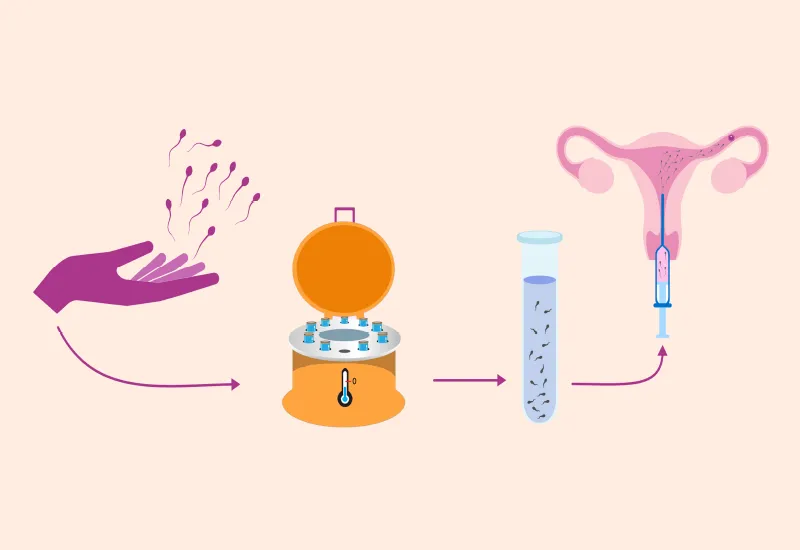
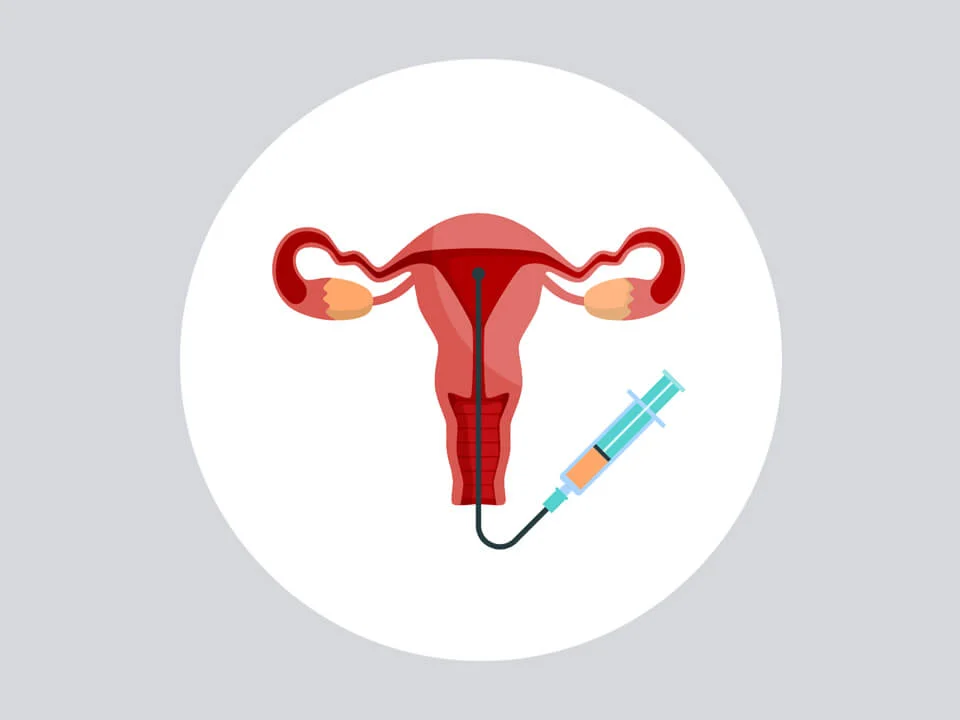
    illustration of the IUI process, showing sperm collection, preparation, and insertion into the uterus

    Frozen Donor Sperm: A Viable Option for Couples Facing Male Infertility and Genetic Disorders

    Another advantage of using frozen donor sperm is the safety and reliability of the process. Donor sperm is carefully screened and tested for infectious diseases, ensuring the safety of the recipient and any potential offspring. The sperm is also quarantined and retested before it is used in fertility treatments, further reducing the risk of transmitting diseases.

    Frozen donor sperm also offers a higher success rate compared to other fertility treatment options. The sperm is stored in optimal conditions, ensuring its viability and increasing the chances of successful fertilization. This is particularly beneficial for couples who have been unsuccessful with other fertility treatments or have a history of recurrent miscarriages.

    How is Frozen Donor Sperm Used in Fertility Treatments?

    Frozen donor sperm can be used in various fertility treatments, including intrauterine insemination (IUI) and in vitro fertilization (IVF). In IUI, the sperm is thawed and placed directly into the woman’s uterus, close to the time of ovulation, to increase the chances of fertilization. In IVF, the sperm is used to fertilize the woman’s eggs in a laboratory setting, and the resulting embryo is then transferred into the woman’s uterus. Depending on the couple’s specific needs and medical history, a fertility specialist will recommend the most suitable fertility treatment using frozen donor sperm.

    Emotional Considerations for Using Frozen Donor Sperm

    While frozen donor sperm can be an effective solution for couples facing male infertility and genetic disorders, it is essential to acknowledge and address the emotional implications of using this option. For some couples, the idea of using a donor’s sperm may be challenging to accept, and it is vital to seek counseling and support to process these emotions. It is also essential for couples to have open and honest communication about their feelings and expectations before proceeding with using frozen donor sperm.

    In Summary

    Frozen donor sperm has become a viable and widely used option for couples facing male infertility and genetic disorders. Its advantages, including the ability to select a donor with desirable characteristics, safety and reliability, and higher success rates, have made it a preferred option for many couples. With advancements in technology and increasing awareness, frozen donor sperm is expected to continue playing a crucial role in helping couples fulfill their dreams of parenthood.

    In conclusion, frozen donor sperm is a valuable and effective solution for couples facing male infertility and genetic disorders. Its use can greatly increase the chances of successful fertilization and pregnancy, while also reducing the risk of passing on genetic disorders to the child. With proper emotional support and guidance, frozen donor sperm can offer hope and fulfillment to couples struggling with infertility.

  • Fresh Donor Sperm: A Biological Connection for Those Struggling with Infertility

    Blog Post Title: Fresh Donor Sperm: A Biological Connection for Those Struggling with Infertility

    Summary:

    Infertility is a common struggle for many couples who are trying to start a family. For some, the traditional methods of conception may not be an option, leading them to explore alternative options such as donor sperm. In the past, frozen donor sperm was the standard choice for assisted reproductive technology (ART). However, with the rise of fresh donor sperm, many individuals and couples are now able to experience a biological connection with their child.

    In this blog post, we will delve into the world of fresh donor sperm, its benefits, and how it is changing the landscape of infertility treatment.

    What is Fresh Donor Sperm?

    Fresh donor sperm refers to the use of donated sperm that has not been frozen or stored in a sperm bank. Unlike frozen donor sperm, which is typically shipped and thawed for use, fresh donor sperm is obtained through a direct donation from a known or anonymous donor.

    Benefits of Fresh Donor Sperm:

    1. Higher Success Rates: One of the major benefits of using fresh donor sperm is its higher success rates compared to frozen donor sperm. According to studies, fresh donor sperm has a higher motility rate, which means a higher chance of successful fertilization.

    2. Increased Options: With fresh donor sperm, individuals and couples have a wider range of options to choose from. They can select a donor based on specific criteria such as physical characteristics, education, and personality traits.

    3. Improved Emotional Connection: Many individuals and couples who opt for fresh donor sperm report feeling a stronger emotional connection to their child. This is because they have the opportunity to meet and get to know the donor, creating a more personal and intimate connection.

    4. Reduced Risk of Genetic Abnormalities: Fresh donor sperm is screened and tested for genetic abnormalities before donation. This reduces the chances of any inherited diseases or disorders being passed down to the child.

    Cost breakdown for IUI components, including requirements, impacts, and alternatives.

    Fresh Donor Sperm: A Biological Connection for Those Struggling with Infertility

    5. Cost-Effective: Using fresh donor sperm can be a more cost-effective option compared to frozen donor sperm. This is because there are no storage fees involved, and the process of obtaining fresh donor sperm is usually less expensive.

    The Process of Using Fresh Donor Sperm:

    The process of using fresh donor sperm is similar to that of using frozen donor sperm, with a few key differences. The first step is selecting a donor, which can be done through a sperm bank or by directly contacting a known donor. Once a donor is selected, the sperm is collected and used for insemination, intrauterine insemination (IUI), or in vitro fertilization (IVF).

    The sperm is usually collected on the same day as the procedure, making the process more time-sensitive compared to using frozen donor sperm. However, some individuals and couples prefer the immediacy of using fresh donor sperm as it eliminates the need for planning and scheduling around the shipping and thawing process.

    Challenges and Considerations:

    While fresh donor sperm offers many benefits, there are also some challenges and considerations to keep in mind. One major challenge is finding a suitable donor, especially if opting for a known donor. This can be a long and complex process, and it is essential to thoroughly screen and discuss expectations and boundaries with the donor.

    Another consideration is the legal implications of using fresh donor sperm. In some countries, the donor may have legal rights to the child, which can lead to complex custody and parenting issues down the line. It is crucial to seek legal advice and have a clear understanding of the legal implications before proceeding with fresh donor sperm.

    In addition, fresh donor sperm may not be a suitable option for everyone. Individuals and couples with certain medical conditions or concerns may be advised against using fresh donor sperm and may be better suited to using frozen donor sperm.

    In Conclusion:

    Fresh donor sperm offers a unique opportunity for individuals and couples struggling with infertility to experience a biological connection with their child. With its higher success rates, increased options, and improved emotional connection, fresh donor sperm is changing the landscape of infertility treatment. However, it is essential to carefully consider the challenges and legal implications before making a decision.

    In the end, the most important thing is for individuals and couples to explore all their options and make a decision that feels right for them. With the advancements in assisted reproductive technology, fresh donor sperm is just one of the many options available for those hoping to start a family.

  • The Emotional Rollercoaster of Choosing Between Fresh and Frozen Donor Sperm

    Choosing to use donor sperm is often a tough decision for individuals or couples struggling with infertility. And once the decision has been made, another dilemma arises: should the sperm be fresh or frozen? This may seem like a simple choice, but it can actually be an emotional rollercoaster for those going through the process. In this blog post, we will explore the ups and downs of choosing between fresh and frozen donor sperm, and how it can impact the emotional journey of those seeking fertility treatment.

    The first step in using donor sperm is usually selecting a donor. This can be an overwhelming process as there are many factors to consider, such as physical characteristics, medical history, and personal values. But once a donor has been chosen, the decision between fresh and frozen sperm comes into play. Fresh sperm is usually obtained through a sperm bank or a known donor, while frozen sperm is typically purchased from a sperm bank. Let’s take a look at the emotional journey of choosing between these two options.

    The Excitement of Fresh Sperm:
    For many, the idea of using fresh sperm can be exciting. The thought of having a child with a donor who is known and potentially involved in the child’s life can bring a sense of comfort and connection. It may also feel more “natural” to use fresh sperm, as it mimics the traditional way of conceiving a child. However, this excitement can quickly turn into disappointment if the fresh sperm is not of good quality or if the donor is unable to produce a sample on the day of insemination. This can lead to delays in the fertility treatment process and can be emotionally draining for those involved.

    The Convenience of Frozen Sperm:
    On the other hand, using frozen sperm can offer a sense of convenience. The sperm is readily available and can be shipped to the fertility clinic at any time. This eliminates the need to coordinate with a donor and reduces the risk of last-minute cancellations or complications. Frozen sperm is also typically screened and quarantined, reducing the risk of potential health concerns. However, for some individuals or couples, the idea of using sperm from an unknown donor can be unsettling. There may be a fear of not being able to connect with the child or a worry about potential genetic issues.

    The Financial Burden:
    Another aspect to consider when choosing between fresh and frozen donor sperm is the financial burden. Fresh sperm is usually more expensive, as it involves compensating the donor for their time and effort. This can add up quickly, especially if multiple attempts are needed. On the other hand, frozen sperm is typically more affordable, with the costs being related to purchasing and shipping. However, the overall cost of fertility treatment using donor sperm can still be a significant financial burden, and this can add to the emotional stress of the process.

    A person administering an injection into their abdomen with a yellow pen-like device.

    The Emotional Rollercoaster of Choosing Between Fresh and Frozen Donor Sperm

    Dealing with Expectations:
    No matter which option is chosen, there are expectations involved. For those using fresh sperm, there may be an expectation of a more personal connection with the donor and a sense of comfort knowing that the sperm is “fresh.” On the other hand, those using frozen sperm may have expectations of a smoother and more convenient process. These expectations can sometimes lead to disappointment or feelings of guilt if the outcome does not meet them. It is essential to manage these expectations and understand that fertility treatment can be a complex and unpredictable journey.

    The Impact on Relationships:
    The decision between fresh and frozen sperm can also have an impact on relationships. For couples, the process of choosing donor sperm and the emotional ups and downs that come with it can put a strain on the relationship. Disagreements or differences in opinion may arise, and it is crucial to communicate and support each other through this process. For individuals, the decision may also affect relationships with family and friends, as they may not understand or agree with the choice being made.

    The Waiting Game:
    One of the most challenging aspects of fertility treatment is the waiting game. No matter which type of sperm is chosen, there will be a wait for the results. This can be a time filled with anxiety, fear, and hope. Each day can feel like a rollercoaster of emotions, and it can be challenging to stay positive. The waiting game can also be prolonged if multiple attempts are needed, adding to the emotional toll.

    In conclusion, the decision between fresh and frozen donor sperm is not an easy one. It involves weighing different factors and considering the emotional impact of each option. It is essential to remember that there is no right or wrong choice, and the most important thing is to choose what feels right for you and your journey to parenthood. Whether you choose fresh or frozen sperm, it is crucial to have a support system in place and to take care of your emotional well-being throughout the process.

    In summary, choosing between fresh and frozen donor sperm can be an emotional rollercoaster for individuals and couples going through fertility treatment. The excitement of fresh sperm can quickly turn into disappointment, while the convenience of frozen sperm can come with its own set of worries. The financial burden, expectations, and impact on relationships are all factors to consider, and the waiting game can be emotionally taxing. It is crucial to manage expectations, communicate with loved ones, and prioritize self-care during this emotional journey towards parenthood.