The Price of Parenthood: Weighing the Options of Fertility Treatments and Adoption
Parenthood is a dream for many individuals and couples, but for some, it may not come easy. For those struggling with fertility issues, the path to parenthood can be a challenging and emotional journey. In today’s society, there are two main options for those hoping to have a child – fertility treatments and adoption. While both options have their own unique benefits and challenges, they also come with a hefty price tag. In this blog post, we will explore the costs associated with fertility treatments and adoption, as well as the pros and cons of each option.
Fertility Treatments: Understanding the Costs
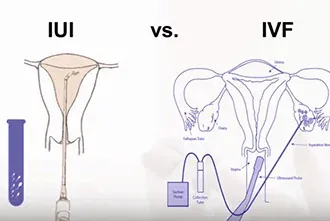
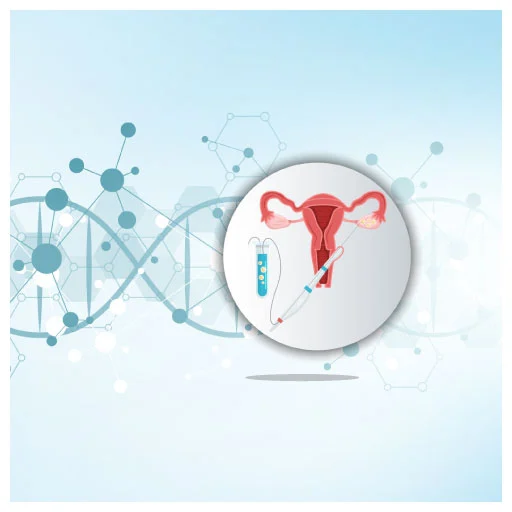
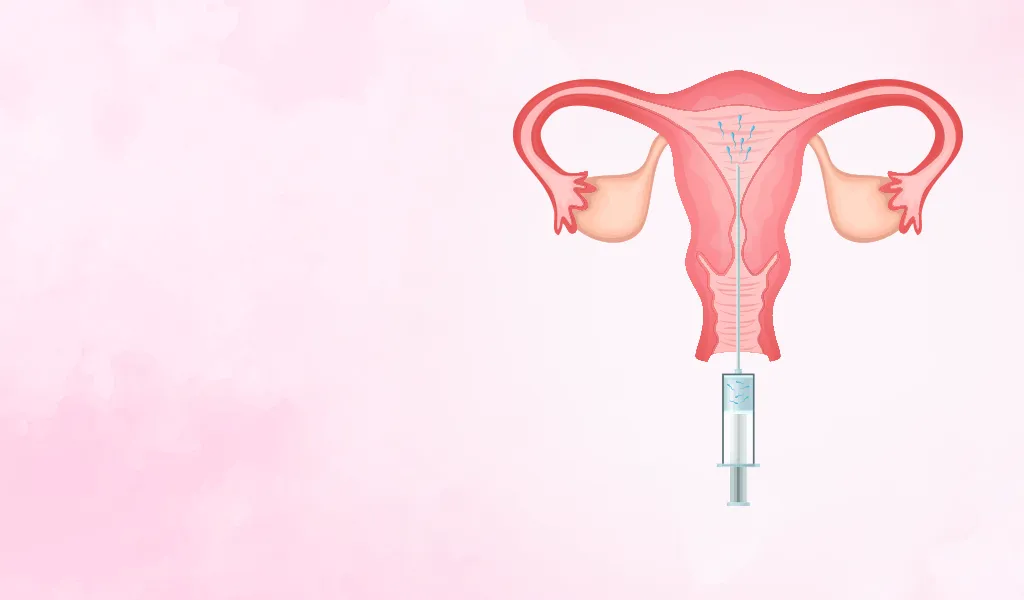
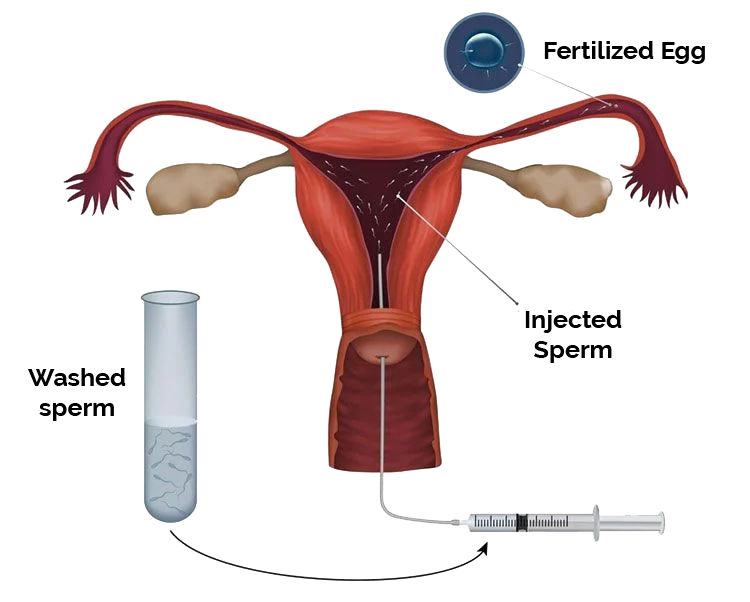
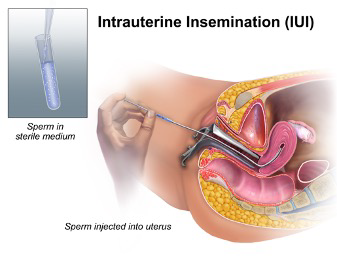
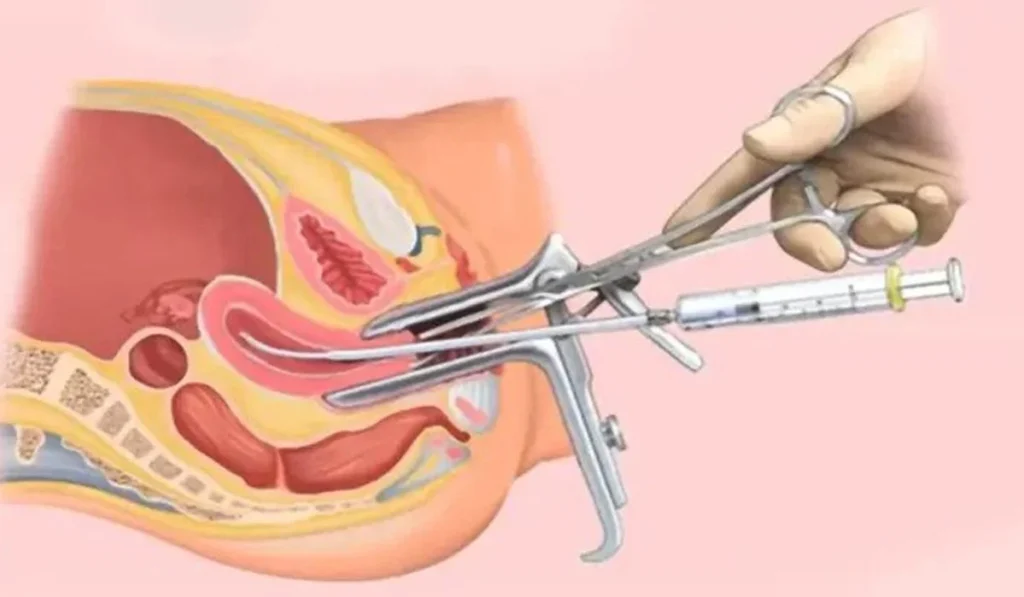
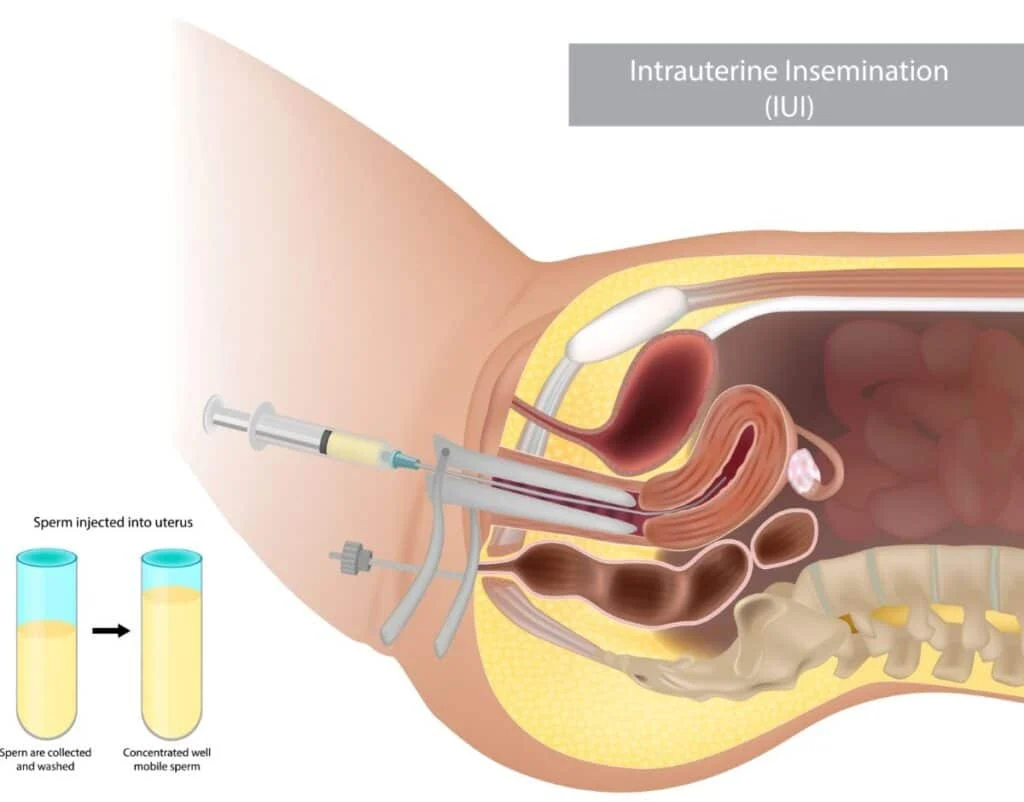
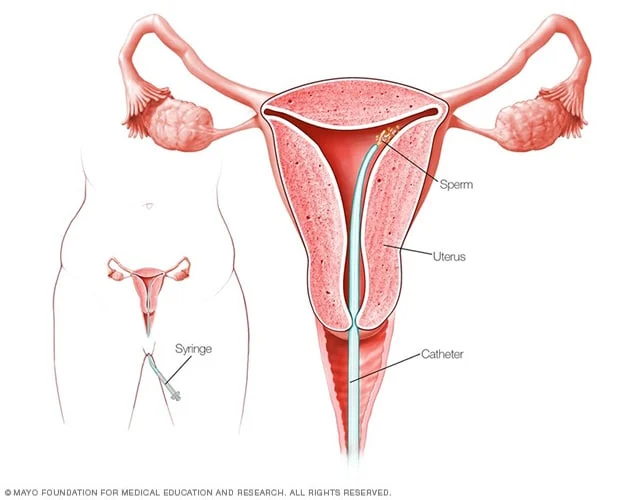
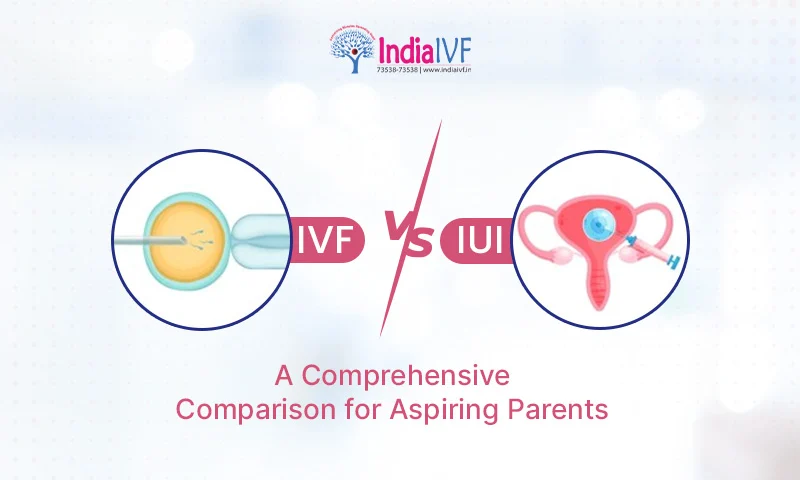
Fertility treatments, also known as assisted reproductive technology (ART), involve various medical procedures and technologies to help individuals or couples conceive a child. These treatments can range from simple procedures like intrauterine insemination (IUI) to more complex procedures like in vitro fertilization (IVF).
The costs of fertility treatments can vary significantly depending on the specific treatment, location, and individual circumstances. On average, a single round of IVF can cost anywhere from $12,000 to $15,000, not including medication and additional procedures. The cost of IUI is relatively lower, ranging from $500 to $4,000 per cycle.
In addition to the base cost of the treatment, there are other expenses that individuals or couples may need to consider. These can include medication costs, diagnostic tests, and additional procedures. It is essential to research and fully understand the potential costs before embarking on a fertility treatment journey.
The Pros of Fertility Treatments
One of the main benefits of fertility treatments is the chance to have a biological child. For many individuals and couples, this is a crucial factor in their decision to pursue fertility treatments. Additionally, some treatments, such as IVF, allow for genetic testing, which can help identify and prevent certain genetic disorders.
Another advantage of fertility treatments is the level of control it provides. With treatments like IVF, individuals or couples can choose the timing of the procedure and even select the gender of the child in some cases. This can be appealing for those who want more control over their family planning.
The Cons of Fertility Treatments
One of the most significant drawbacks of fertility treatments is the cost. As mentioned earlier, the cost of fertility treatments can be quite high, and it may not be a feasible option for everyone. Additionally, there is no guarantee of success with fertility treatments, and individuals or couples may need to undergo multiple rounds before achieving a successful pregnancy.
Another downside of fertility treatments is the physical and emotional toll it can take on individuals or couples. The procedures involved can be invasive and uncomfortable, and the emotional rollercoaster of trying to conceive can be draining. It is crucial to consider these factors before deciding to pursue fertility treatments.
Adoption: Understanding the Costs
The Price of Parenthood: Weighing the Options of Fertility Treatments and Adoption
Adoption is another option for those hoping to become parents. It involves legally and permanently taking on the responsibility of raising a child who is not biologically related to the adoptive parents. Like fertility treatments, the costs of adoption can vary depending on the type of adoption and individual circumstances.
The average cost of domestic adoption in the United States can range from $20,000 to $40,000, while international adoption can cost upwards of $50,000. These costs can include agency fees, home study fees, legal fees, and travel expenses.
The Pros of Adoption
One of the main advantages of adoption is the opportunity to provide a loving home for a child in need. Many children in the foster care system or orphanages worldwide are waiting for a forever family. By choosing adoption, individuals or couples can give a child a chance at a better life.
Another benefit of adoption is the lower cost compared to fertility treatments. While adoption can still be expensive, it is typically more affordable than fertility treatments. Additionally, some employers offer adoption benefits or financial assistance, making it a more viable option for some.
The Cons of Adoption
One of the main drawbacks of adoption is the lack of genetic connection to the child. For some, this may not be an issue, but for others, it may be a significant factor in their decision. Additionally, the adoption process can be lengthy and emotionally challenging, as individuals or couples may face rejection or delays.
Another disadvantage of adoption is the lack of control over the process. Unlike fertility treatments, individuals or couples cannot select the child’s gender or have control over the timing of the adoption. The process is also subject to the laws and regulations of the country or state, which can add to the complexity and uncertainty.
Making the Decision: Factors to Consider
The decision to pursue fertility treatments or adoption is a personal one and should not be taken lightly. Before making a decision, it is essential to consider various factors, including financial stability, age, emotional readiness, and support system. It is also crucial to have open and honest conversations with your partner or loved ones and seek professional guidance if needed.
In the end, the most crucial factor is to have a child in your life, whether biologically related or not. Both fertility treatments and adoption can provide the opportunity for individuals or couples to become parents and experience the joys and challenges of raising a child.
Summary:
Parenthood is a dream for many individuals and couples, but for some, it may not come easy. In today’s society, there are two main options for those hoping to have a child – fertility treatments and adoption. Fertility treatments involve various medical procedures and technologies to help individuals or couples conceive a child, while adoption involves legally and permanently taking on the responsibility of raising a child who is not biologically related to the adoptive parents. Both options come with a significant price tag and have their own unique benefits and challenges. Fertility treatments offer a chance to have a biological child and provide a level of control, but they can be costly and take a physical and emotional toll. Adoption allows individuals or couples to give a child in need a loving home and is a more affordable option, but it lacks a genetic connection and control over the process. Ultimately, the decision to pursue fertility treatments or adoption is a personal one and should consider various factors, including financial stability, age, emotional readiness, and support system.