The Impact of Stress: Intrauterine Insemination vs In Vitro Fertilization
Stress is an inevitable part of our lives, and it can have a significant impact on our physical and emotional well-being. For couples struggling with infertility, the stress can be even more overwhelming as they navigate through various fertility treatment options. Intrauterine insemination (IUI) and in vitro fertilization (IVF) are two commonly used methods for treating infertility, but how does stress affect the success rates of these treatments? In this blog post, we will explore the impact of stress on IUI and IVF and provide insights on managing stress during fertility treatments.
Understanding Intrauterine Insemination (IUI) and In Vitro Fertilization (IVF)
Intrauterine insemination (IUI) is a fertility treatment that involves placing washed and concentrated sperm directly into a woman’s uterus during ovulation. This method is often used for couples with mild male factor infertility or unexplained infertility. On the other hand, in vitro fertilization (IVF) is a more complex and invasive fertility treatment that involves fertilizing eggs with sperm in a laboratory and then transferring the resulting embryo(s) into the woman’s uterus.
Both IUI and IVF have been proven to be effective in helping couples conceive, but the success rates can vary based on factors such as age, underlying fertility issues, and lifestyle habits. However, one factor that is often overlooked is the impact of stress on these treatments.
Stress and Its Effect on Fertility
Stress can have a significant impact on our bodies, and it can affect fertility in various ways. When a person is stressed, their body releases the hormone cortisol, which can interfere with the production of other hormones involved in the menstrual cycle, ovulation, and sperm production. Chronic stress can also lead to inflammation, which can negatively affect the reproductive system.
Moreover, stress can also impact a person’s mental health, leading to anxiety, depression, and other emotional issues. These can further exacerbate fertility struggles and make it more challenging to cope with the ups and downs of fertility treatments.
The Impact of Stress on IUI and IVF
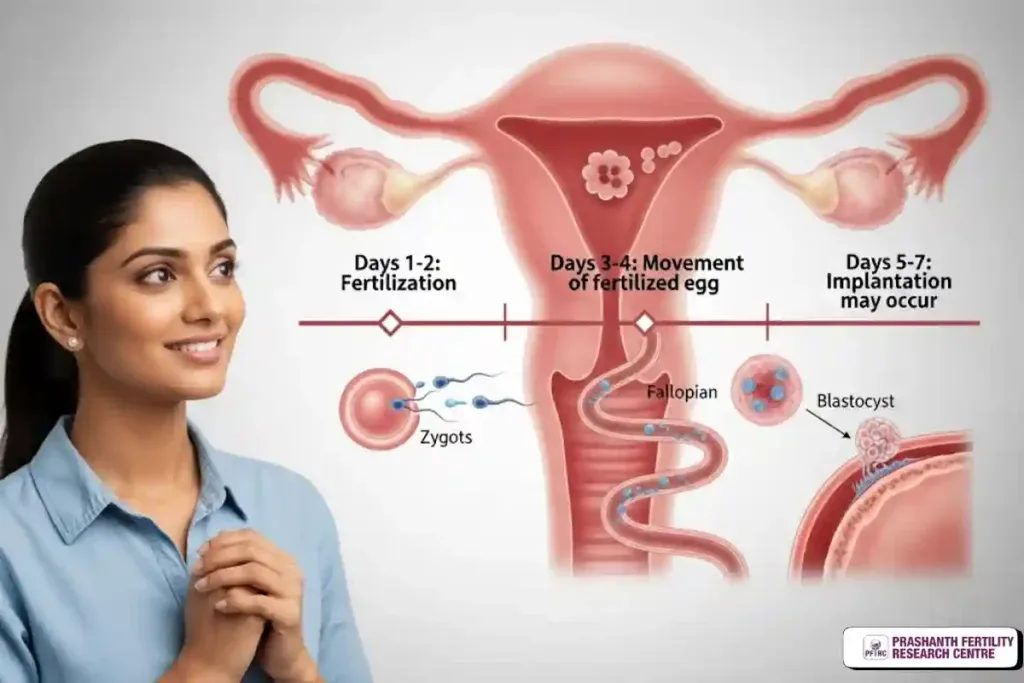
The Impact of Stress: Intrauterine Insemination vs In Vitro Fertilization
Studies have shown that stress can affect the success rates of IUI and IVF treatments. A study published in the journal Fertility and Sterility found that women who had higher levels of stress before IVF had a lower chance of pregnancy compared to those with lower stress levels. Another study published in the journal Human Reproduction also found that women who had high levels of stress before IVF had lower pregnancy rates and higher rates of miscarriage.
Similarly, stress has also been shown to have a negative impact on the success rates of IUI. A study published in the Journal of Obstetrics and Gynaecology Canada found that women who had high levels of stress before IUI had a lower chance of pregnancy compared to those with lower stress levels.
Managing Stress during Fertility Treatments
While it may not be possible to eliminate stress entirely, there are ways to manage and reduce its impact on fertility treatments. Here are some tips for managing stress during IUI and IVF:
1. Seek Support: Going through fertility treatments can be emotionally challenging, and it’s essential to have a support system in place. Talk to your partner, friends, or family members about your feelings and concerns. You can also consider joining a support group for people going through fertility treatments.
2. Practice Relaxation Techniques: Incorporating relaxation techniques such as deep breathing, meditation, or yoga into your daily routine can help reduce stress and promote relaxation.
3. Stay Active: Regular exercise has been shown to reduce stress and improve overall well-being. Find an activity that you enjoy and make it a part of your routine.
4. Take Breaks: Fertility treatments can be physically and emotionally draining, so it’s crucial to take breaks and prioritize self-care. Plan activities that you enjoy and take time to relax and recharge.
5. Consider Counseling: If you find that stress is significantly impacting your mental health, consider seeking professional help through counseling or therapy.
In conclusion, stress can have a significant impact on the success rates of IUI and IVF treatments. It’s essential to manage and reduce stress during fertility treatments to increase the chances of success. By seeking support, practicing relaxation techniques, staying active, taking breaks, and considering counseling, couples can better cope with the stress of fertility treatments and increase their chances of conceiving.