Blog Post: The Impact of Lifestyle Factors: Intrauterine Insemination vs Low-Tech IVF
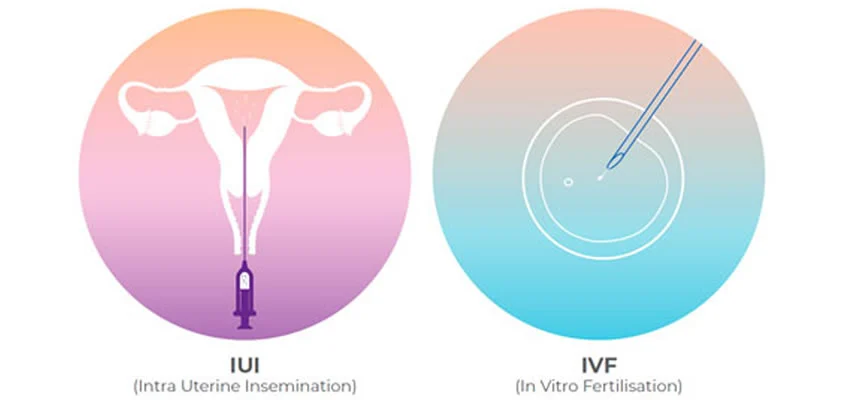
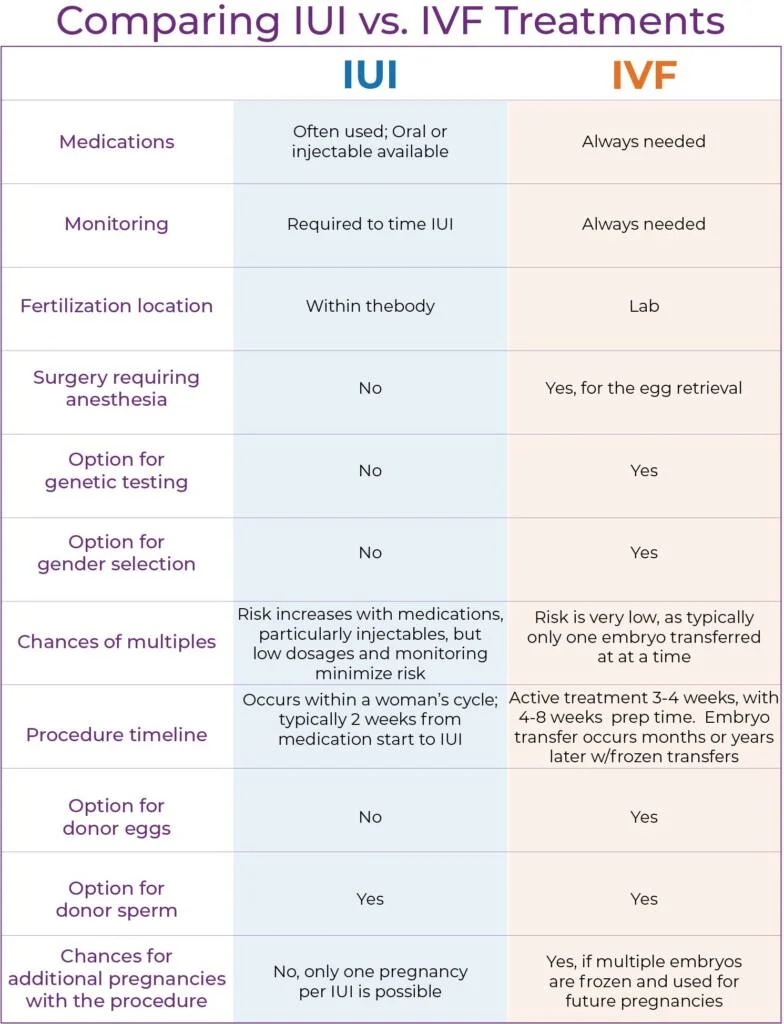
In today’s world, many couples struggle with fertility issues and turn to assisted reproductive techniques to start a family. Two common options are intrauterine insemination (IUI) and low-tech in vitro fertilization (IVF). While both procedures have their own benefits and success rates, they are also affected by various lifestyle factors. In this blog post, we will explore the impact of lifestyle factors on the success rates of IUI and low-tech IVF.
What is Intrauterine Insemination (IUI)?
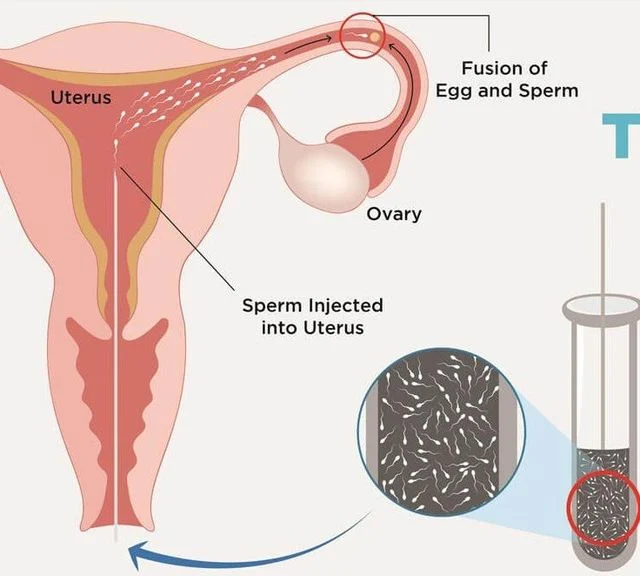
Intrauterine insemination (IUI) is a fertility treatment where sperm is directly inserted into a woman’s uterus during ovulation. This procedure is often used for couples with unexplained infertility, mild male factor infertility, or cervical issues. IUI is a simpler and less invasive procedure compared to IVF, making it a popular choice for couples trying to conceive.
What is Low-Tech In Vitro Fertilization (IVF)?
Low-tech IVF, also known as mini IVF or mild IVF, is a variation of the traditional IVF procedure. It involves using lower doses of medication to stimulate the ovaries and retrieve a smaller number of eggs. This results in a lower cost and a more natural cycle compared to traditional IVF. Low-tech IVF is often recommended for women with low ovarian reserve or those who prefer a less aggressive approach to fertility treatment.
Lifestyle Factors and Their Impact on IUI Success Rates
1. Age
Age is a significant factor that affects the success rates of IUI. As a woman ages, her ovarian reserve decreases, making it more challenging to conceive. According to a study published in the Journal of Assisted Reproduction and Genetics, the success rates of IUI are significantly lower for women over the age of 35 compared to younger women. This is because older women have a lower ovarian reserve and a higher risk of chromosomal abnormalities in their eggs.
2. BMI
Body mass index (BMI) is another lifestyle factor that can affect the success rates of IUI. Studies have shown that women with a BMI of over 25 have a lower chance of success with IUI compared to those with a healthy BMI. This is because obesity can cause hormonal imbalances, which can affect ovulation and the quality of eggs.
3. Smoking and Alcohol Consumption
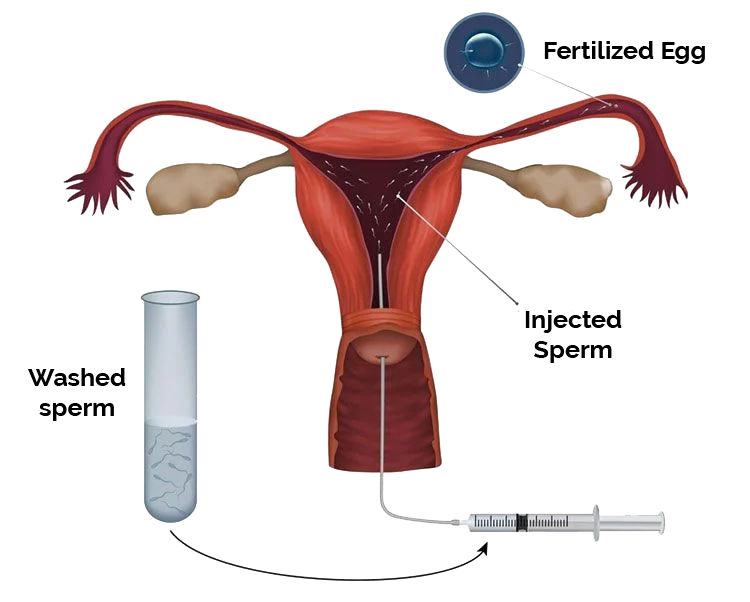
The Impact of Lifestyle Factors: Intrauterine Insemination vs Low-Tech IVF
Smoking and alcohol consumption have been linked to decreased fertility in both men and women. The toxins in cigarettes and alcohol can affect sperm production, ovulation, and the quality of eggs. A study published in Fertility and Sterility found that women who smoke have a lower chance of success with IUI compared to non-smokers. Similarly, excessive alcohol consumption can lead to hormonal imbalances, affecting fertility.
Lifestyle Factors and Their Impact on Low-Tech IVF Success Rates
1. Age
Like IUI, age is a crucial factor in the success rates of low-tech IVF. Women over the age of 35 have a lower ovarian reserve and may have a harder time producing good quality eggs. This can result in a lower chance of success with low-tech IVF.
2. Stress Levels
Stress has been linked to decreased fertility in both men and women. It can affect hormonal balance and ovulation, making it harder to conceive. A study published in Human Reproduction found that women with higher levels of stress hormones have a lower chance of success with IVF.
3. Diet and Exercise
A healthy diet and regular exercise can improve fertility and increase the chances of success with low-tech IVF. A study published in the journal Fertility and Sterility found that women who followed a Mediterranean diet had a higher chance of success with IVF compared to those who followed a Western diet.
4. BMI
As with IUI, BMI also plays a role in the success rates of low-tech IVF. Women with a BMI of over 25 have a lower chance of success with IVF due to the hormonal imbalances caused by obesity.
In Summary
Lifestyle factors can have a significant impact on the success rates of both IUI and low-tech IVF. Age, BMI, smoking, alcohol consumption, stress levels, and diet and exercise all play a role in the success of these fertility treatments. It is essential for couples to address any lifestyle factors that may be affecting their fertility and work closely with their doctor to increase their chances of success with IUI or low-tech IVF.