Tag: managing stress

  • The Role of Stress in Male and Female Factor Infertility: Managing and Coping

    Blog Post:

    Infertility affects approximately 12% of couples worldwide and can be a difficult and emotionally taxing experience for both men and women. While there are various factors that can contribute to infertility, one that is often overlooked is stress. Stress can have a significant impact on both male and female fertility and it is important for couples to understand how to manage and cope with it in order to improve their chances of conceiving. In this blog post, we will explore the role of stress in male and female factor infertility and provide tips on how to manage and cope with it.

    The Impact of Stress on Male Factor Infertility:

    Stress can have a significant impact on male fertility by affecting sperm production, quality, and function. When a man is under stress, the body produces high levels of cortisol, commonly known as the stress hormone. This can lead to a decrease in the production of testosterone, which is crucial for sperm production. In addition, high levels of cortisol can also cause inflammation in the body, which can damage sperm cells and impair their ability to swim and fertilize an egg.

    Furthermore, stress can also affect the quality of sperm. Studies have shown that men who experience chronic stress have lower sperm counts and a higher percentage of abnormal sperm. This can significantly reduce the chances of successful fertilization and pregnancy.

    The Impact of Stress on Female Factor Infertility:

    In women, stress can have an impact on fertility in several ways. Firstly, stress can disrupt the hormonal balance in the body, leading to irregular or absent ovulation. This can make it difficult for women to conceive as ovulation is necessary for pregnancy to occur.

    Moreover, stress can also affect the lining of the uterus, making it difficult for a fertilized egg to implant and grow. In addition, stress can cause spasms in the fallopian tubes, which can interfere with the movement of the egg towards the uterus, further reducing the chances of conception.
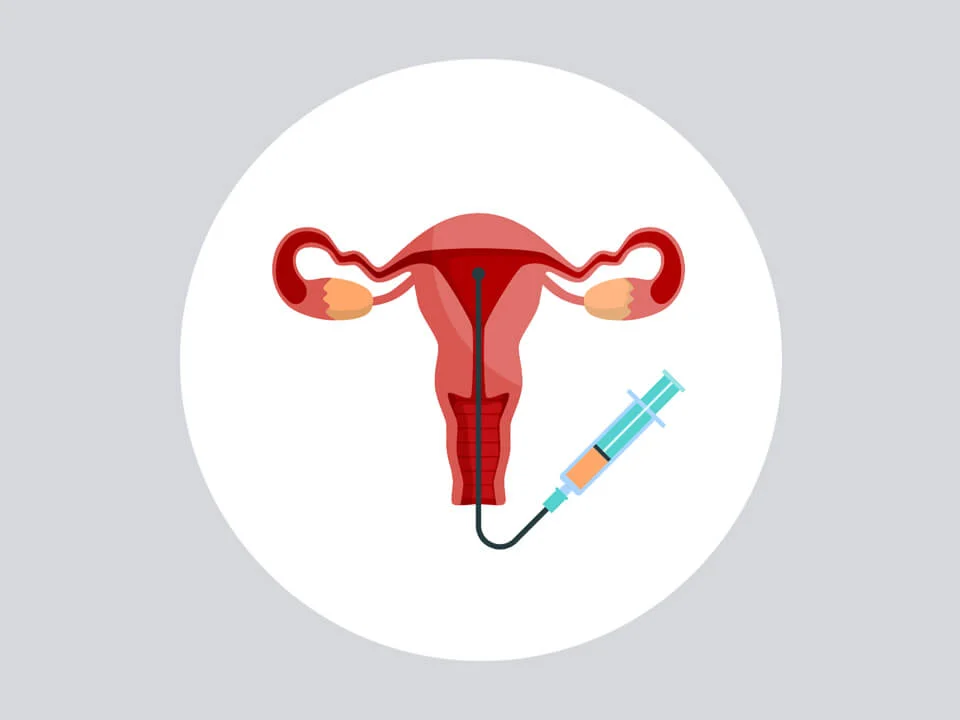
    Illustration of a uterus with a syringe, representing intrauterine insemination (IUI) procedure.

    The Role of Stress in Male and Female Factor Infertility: Managing and Coping

    Managing and Coping with Stress for Male and Female Factor Infertility:

    1. Communicate with your partner: Dealing with infertility can be a stressful and emotionally draining experience. It is important for couples to communicate openly and support each other during this time. Talk to your partner about your feelings, fears, and concerns. This can help alleviate stress and strengthen your relationship.

    2. Seek professional help: Dealing with infertility can be overwhelming and it is important to seek professional help if you are struggling to cope. A therapist or counselor can provide you with tools and techniques to manage stress and improve your overall well-being.

    3. Practice relaxation techniques: Engage in activities that help you relax and reduce stress, such as meditation, yoga, or deep breathing exercises. These techniques can help lower cortisol levels and promote feelings of calmness and well-being.

    4. Maintain a healthy lifestyle: Eating a balanced diet, exercising regularly, and getting enough sleep are all important in managing stress. A healthy lifestyle can also improve fertility by regulating hormone levels and promoting overall wellness.

    5. Seek support from others: Joining a support group or talking to others who are going through a similar experience can be helpful in managing stress. It can provide a sense of community and understanding, as well as valuable tips and advice.

    6. Consider alternative therapies: Some couples find relief from stress through alternative therapies such as acupuncture, massage, or aromatherapy. These therapies have been shown to reduce stress and promote relaxation, which can be beneficial for fertility.

    Summary:

    Infertility can be a difficult and emotionally draining experience for couples, and stress can play a significant role in both male and female factor infertility. Stress can affect male fertility by decreasing sperm production and quality, while in women it can disrupt ovulation and interfere with the implantation of a fertilized egg. To manage and cope with stress, it is important for couples to communicate, seek professional help, practice relaxation techniques, maintain a healthy lifestyle, seek support from others, and consider alternative therapies.
  • The Role of Stress in Fertility: How to Manage It for Optimal Conception

    Blog post:

    Fertility is a complex and delicate process, and there are many factors that can affect a couple’s ability to conceive. One often overlooked factor is stress. Stress is a natural response to challenging situations, but when it becomes chronic and overwhelming, it can have a negative impact on our overall health, including our fertility. In this blog post, we will explore the role of stress in fertility and provide tips on how to manage it for optimal conception.

    Understanding the Link Between Stress and Fertility

    The human body is designed to protect itself in times of stress. When we experience stress, our bodies release the hormone cortisol, also known as the “stress hormone.” While this hormone can be helpful in short bursts, prolonged exposure to cortisol can have harmful effects on our health. Chronic stress can disrupt the balance of hormones in the body, affecting the reproductive system and ultimately impacting fertility.

    One study published in the journal Fertility and Sterility found that women with high levels of stress had a 29% lower chance of becoming pregnant each month compared to women with lower levels of stress. Additionally, stress can lead to irregular menstrual cycles, hormonal imbalances, and ovulation disorders, making it more difficult to conceive.

    How to Manage Stress for Optimal Fertility

    The good news is that there are steps you can take to manage and reduce stress levels, improving your chances of conceiving. Here are some tips to help you manage stress for optimal fertility:

    1. Practice relaxation techniques:

    Relaxation techniques such as deep breathing, meditation, and yoga can help reduce stress levels. These techniques can help calm the mind and body, promoting relaxation and reducing cortisol levels. Make time in your daily routine to practice these techniques, even if it’s just for a few minutes.

    2. Exercise regularly:

    Regular exercise is not only beneficial for physical health but also for mental well-being. Exercise helps release endorphins, known as the “feel-good” hormones, which can improve mood and reduce stress. Find an exercise routine that works for you, whether it’s going for a walk, joining a fitness class, or practicing a sport you enjoy.

    3. Get enough sleep:

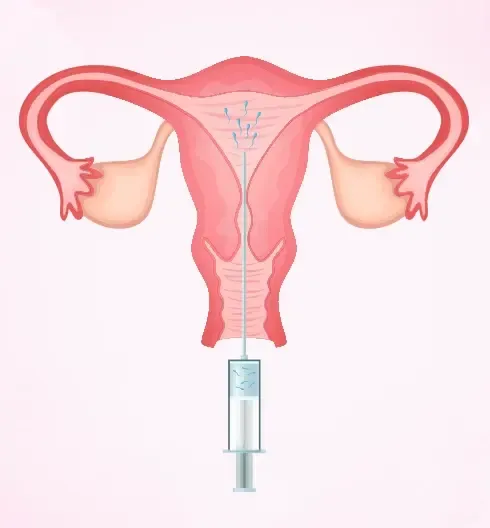
    Illustration of a uterus with a syringe indicating an intrauterine insemination procedure.

    The Role of Stress in Fertility: How to Manage It for Optimal Conception

    Lack of sleep can contribute to stress, so it’s essential to prioritize getting enough rest. Aim for 7-9 hours of sleep each night, and try to establish a consistent sleep schedule. Avoid caffeine and electronic devices before bedtime, as they can disrupt sleep patterns.

    4. Communicate with your partner:

    Communication is key in managing stress, especially when trying to conceive. Share your feelings and concerns with your partner and work together to find ways to support each other. Remember that you are a team, and facing challenges together can bring you closer.

    5. Seek support:

    Don’t be afraid to seek support from friends, family, or a professional. Infertility can be a challenging and emotional journey, and having a support system can make a significant difference. Join a support group, talk to a therapist, or confide in a trusted friend or family member.

    6. Make time for self-care:

    Self-care is crucial in managing stress. Take time to do things you enjoy, whether it’s reading a book, taking a bath, or doing a hobby. Make yourself a priority and prioritize your well-being.

    7. Consider alternative therapies:

    Alternative therapies such as acupuncture, massage, and chiropractic care can also help reduce stress levels. These therapies can help promote relaxation, balance hormones, and improve overall well-being, increasing your chances of conceiving.

    The Role of Stress in Fertility: A Summary

    The journey to conception can be a stressful one, but understanding the link between stress and fertility can help you take steps to manage it effectively. Chronic stress can disrupt hormonal balance and make it more challenging to conceive. However, by practicing relaxation techniques, exercising regularly, getting enough sleep, communicating with your partner, seeking support, making time for self-care, and considering alternative therapies, you can reduce stress levels and improve your chances of conception.

    In summary, stress can play a significant role in fertility, and managing it is essential for optimal conception. By implementing these tips, you can reduce stress levels, improve your overall well-being, and increase your chances of conceiving.

  • The Impact of Stress: Intrauterine Insemination vs In Vitro Fertilization

    The Impact of Stress: Intrauterine Insemination vs In Vitro Fertilization

    Stress is an inevitable part of our lives, and it can have a significant impact on our physical and emotional well-being. For couples struggling with infertility, the stress can be even more overwhelming as they navigate through various fertility treatment options. Intrauterine insemination (IUI) and in vitro fertilization (IVF) are two commonly used methods for treating infertility, but how does stress affect the success rates of these treatments? In this blog post, we will explore the impact of stress on IUI and IVF and provide insights on managing stress during fertility treatments.

    Understanding Intrauterine Insemination (IUI) and In Vitro Fertilization (IVF)

    Intrauterine insemination (IUI) is a fertility treatment that involves placing washed and concentrated sperm directly into a woman’s uterus during ovulation. This method is often used for couples with mild male factor infertility or unexplained infertility. On the other hand, in vitro fertilization (IVF) is a more complex and invasive fertility treatment that involves fertilizing eggs with sperm in a laboratory and then transferring the resulting embryo(s) into the woman’s uterus.

    Both IUI and IVF have been proven to be effective in helping couples conceive, but the success rates can vary based on factors such as age, underlying fertility issues, and lifestyle habits. However, one factor that is often overlooked is the impact of stress on these treatments.

    Stress and Its Effect on Fertility

    Stress can have a significant impact on our bodies, and it can affect fertility in various ways. When a person is stressed, their body releases the hormone cortisol, which can interfere with the production of other hormones involved in the menstrual cycle, ovulation, and sperm production. Chronic stress can also lead to inflammation, which can negatively affect the reproductive system.

    Moreover, stress can also impact a person’s mental health, leading to anxiety, depression, and other emotional issues. These can further exacerbate fertility struggles and make it more challenging to cope with the ups and downs of fertility treatments.

    The Impact of Stress on IUI and IVF

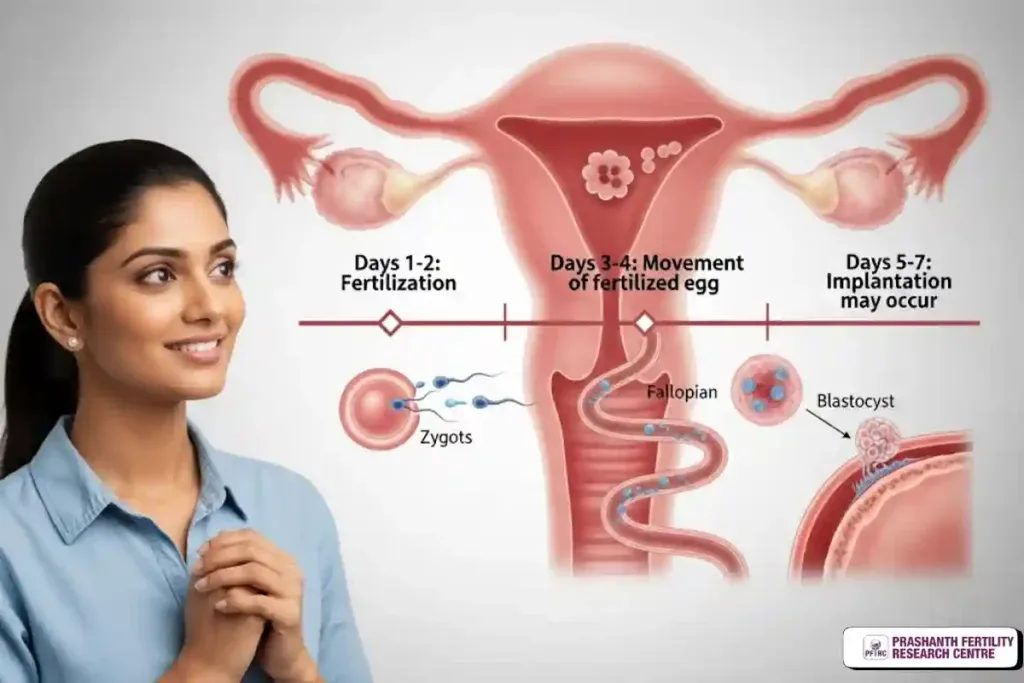
    Illustration showing fertilization and implantation timeline with a woman looking hopeful.

    The Impact of Stress: Intrauterine Insemination vs In Vitro Fertilization

    Studies have shown that stress can affect the success rates of IUI and IVF treatments. A study published in the journal Fertility and Sterility found that women who had higher levels of stress before IVF had a lower chance of pregnancy compared to those with lower stress levels. Another study published in the journal Human Reproduction also found that women who had high levels of stress before IVF had lower pregnancy rates and higher rates of miscarriage.

    Similarly, stress has also been shown to have a negative impact on the success rates of IUI. A study published in the Journal of Obstetrics and Gynaecology Canada found that women who had high levels of stress before IUI had a lower chance of pregnancy compared to those with lower stress levels.

    Managing Stress during Fertility Treatments

    While it may not be possible to eliminate stress entirely, there are ways to manage and reduce its impact on fertility treatments. Here are some tips for managing stress during IUI and IVF:

    1. Seek Support: Going through fertility treatments can be emotionally challenging, and it’s essential to have a support system in place. Talk to your partner, friends, or family members about your feelings and concerns. You can also consider joining a support group for people going through fertility treatments.

    2. Practice Relaxation Techniques: Incorporating relaxation techniques such as deep breathing, meditation, or yoga into your daily routine can help reduce stress and promote relaxation.

    3. Stay Active: Regular exercise has been shown to reduce stress and improve overall well-being. Find an activity that you enjoy and make it a part of your routine.

    4. Take Breaks: Fertility treatments can be physically and emotionally draining, so it’s crucial to take breaks and prioritize self-care. Plan activities that you enjoy and take time to relax and recharge.

    5. Consider Counseling: If you find that stress is significantly impacting your mental health, consider seeking professional help through counseling or therapy.

    In conclusion, stress can have a significant impact on the success rates of IUI and IVF treatments. It’s essential to manage and reduce stress during fertility treatments to increase the chances of success. By seeking support, practicing relaxation techniques, staying active, taking breaks, and considering counseling, couples can better cope with the stress of fertility treatments and increase their chances of conceiving.