Tag: Ethics

  • The Ethics of Using Frozen Donor Sperm vs Fresh Donor Sperm

    The Ethics of Using Frozen Donor Sperm vs Fresh Donor Sperm: A Comprehensive Comparison

    In recent years, the use of assisted reproductive technology (ART) has become increasingly popular as more and more people struggle with infertility. One of the options available to those seeking to conceive through ART is the use of donor sperm. However, within this option, there is the decision of whether to use frozen donor sperm or fresh donor sperm. While both options have their pros and cons, the ethical implications of using one over the other must be carefully considered. In this blog post, we will explore the ethics of using frozen donor sperm versus fresh donor sperm and help you understand the factors to consider when making this important decision.

    The Process of Using Donor Sperm

    Before delving into the ethics of using frozen and fresh donor sperm, it is important to understand the process of using donor sperm. Donor sperm is typically used in cases where the intended parent(s) are unable to conceive using their own sperm, either due to infertility or other medical reasons. Donor sperm can be obtained from a sperm bank or through a known donor, who is usually a friend or family member. Once the sperm is obtained, it is then used through various ART procedures such as intrauterine insemination (IUI) or in vitro fertilization (IVF).

    The Ethics of Using Frozen Donor Sperm

    Frozen donor sperm is sperm that has been cryopreserved (frozen) and stored in a sperm bank for future use. There are several ethical considerations when it comes to using frozen donor sperm. One of the main concerns is the potential lack of informed consent from the donor. In many cases, donors are anonymous and may not have been fully informed about the potential consequences of their donation, such as the number of offspring that may result from their sperm being used. This raises ethical concerns about the rights of the child to know their biological origins and the potential psychological impact of not having access to this information.

    Another ethical concern with using frozen donor sperm is the possibility of genetic defects or diseases being passed down to offspring. While sperm banks do conduct screenings and tests on donors, there is still a small risk of genetic issues being present in the sperm. This raises questions about the responsibility of sperm banks to thoroughly screen and inform potential recipients of any potential risks.

    Additionally, there is the issue of commodification of human sperm. Donor sperm is often seen as a product to be bought and sold, raising concerns about the exploitation of donors and the potential for the creation of a market for human genetic material.

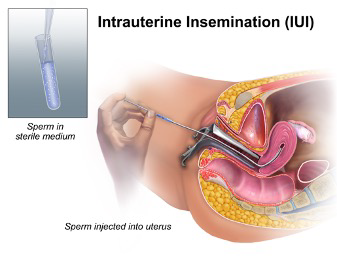
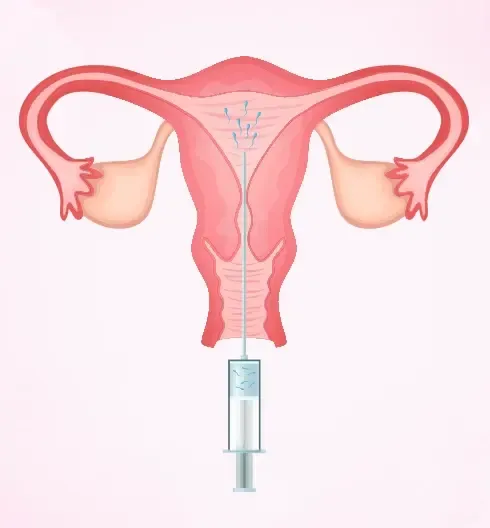
    Illustration of intrauterine insemination (IUI) procedure with syringe and catheter in the uterus.

    The Ethics of Using Frozen Donor Sperm vs Fresh Donor Sperm

    The Ethics of Using Fresh Donor Sperm

    Fresh donor sperm, on the other hand, is sperm that is donated and used immediately without being frozen and stored. One of the main advantages of using fresh donor sperm is the ability to have a known donor, such as a friend or family member. This can provide a sense of genetic connection and may be more appealing to some individuals or couples. However, this can also raise ethical concerns, such as the potential for coercion or pressure on the donor to donate.

    Another ethical consideration when using fresh donor sperm is the potential lack of legal protections for both the donor and the recipient. In cases where the donor is known, there may not be a legally binding agreement in place, leaving both parties vulnerable to potential legal disputes in the future.

    The Importance of Informed Consent

    Regardless of whether frozen or fresh donor sperm is used, informed consent is crucial in ensuring the ethical use of donor sperm. Both donors and recipients must be fully informed about the potential risks and consequences of using donor sperm, including the possibility of genetic diseases, legal implications, and the right of the child to know their biological origins. It is the responsibility of sperm banks and healthcare professionals to provide this information and obtain informed consent from all parties involved.

    Final Thoughts

    In conclusion, the use of donor sperm, whether frozen or fresh, has ethical implications that must be carefully considered. While both options have their advantages and disadvantages, it is important to prioritize the well-being and rights of all parties involved, including the donor, recipient, and potential child. Informed consent, thorough screening and testing, and responsible use of donor sperm are crucial in ensuring the ethical use of this technology.

    Summary:

    The use of donor sperm is a popular option for those struggling with infertility, but the decision of whether to use frozen or fresh donor sperm has ethical implications that must be carefully considered. Using frozen donor sperm raises concerns about informed consent, genetic risks, and commodification. On the other hand, using fresh donor sperm can involve known donors and provide a sense of genetic connection, but also raises concerns about coercion and legal protections. Informed consent and responsible use of donor sperm are crucial in ensuring the ethical use of this technology.
  • The Ethics of At-Home Intrauterine Insemination: A Moral Dilemma?

    Blog Post:

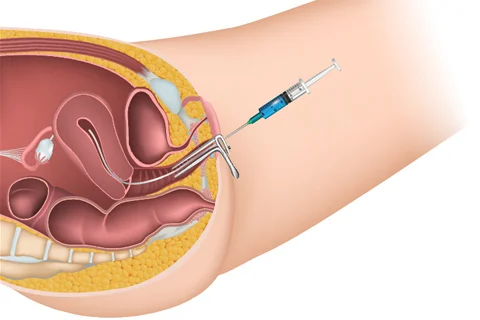
    In recent years, there has been a growing trend towards at-home intrauterine insemination (IUI) as a method of assisted reproduction. This process involves collecting sperm from a donor or partner and inserting it into the uterus using a syringe. While some may see this as a convenient and cost-effective option, it raises ethical concerns and moral dilemmas. In this blog post, we will explore the ethics of at-home IUI and the potential implications for individuals and society.

    The Rise of At-Home IUI

    With the rising costs of fertility treatments and the desire for more control and privacy, at-home IUI has become an appealing option for many couples and individuals. The availability of online sperm donors and the ease of purchasing insemination kits have made it possible for individuals to perform IUI in the comfort of their own homes. This has also opened up the possibility for same-sex couples and single individuals to conceive and start a family.

    Ethical Concerns

    While at-home IUI may seem like a simple and harmless process, it raises several ethical concerns. The first and most obvious issue is the lack of medical supervision. Unlike in a clinic setting where a trained medical professional performs the insemination, at-home IUI is done without any medical supervision. This can be dangerous as there is a risk of infection or injury if the procedure is not done correctly.

    Another concern is the potential exploitation of sperm donors. In traditional fertility clinics, strict screening processes are in place to ensure the health and well-being of both the donor and the recipient. However, with at-home IUI, there is no guarantee that the donor has been properly screened for any genetic or infectious diseases. This could put the recipient and any resulting offspring at risk.

    Moral Dilemmas

    The use of at-home IUI also raises moral dilemmas for individuals and society as a whole. One of the most significant concerns is the impact on the child’s right to know their biological parent. In traditional fertility treatments, donors are often anonymous, and the child may never know their genetic origins. With at-home IUI, the donor may be known to the recipient, but there is no guarantee that they will disclose this information to the child. This could create confusion and identity issues for the child in the future.

    There is also the issue of informed consent. In a clinical setting, both the donor and recipient go through extensive counseling and are required to sign legal documents before the process can proceed. However, with at-home IUI, there is no such requirement, and the recipient may not fully understand the implications of using donor sperm, such as potential legal and financial responsibilities.

    illustration of intrauterine insemination procedure with a syringe and catheter in the uterus.

    The Ethics of At-Home Intrauterine Insemination: A Moral Dilemma?

    Societal Impact

    The rise of at-home IUI also has implications for society as a whole. It challenges traditional notions of family and parenthood, and some may argue that it undermines the importance of a father figure. It also raises questions about the commodification of human reproduction and the potential for a market for donor sperm.

    Furthermore, the lack of regulation and oversight in at-home IUI could have consequences for the children born through this method. As there is no requirement for medical or genetic screening, there is a risk of passing on hereditary diseases or genetic disorders to future generations.

    The Need for Regulation

    The ethical concerns and moral dilemmas surrounding at-home IUI highlight the need for stricter regulations and oversight. While individuals have the right to make choices about their reproductive options, there must be safeguards in place to protect the well-being of all parties involved. This includes proper screening of donors, counseling for recipients, and medical supervision during the insemination process.

    Moreover, there needs to be a clear legal framework in place to address issues such as donor rights and responsibilities, parental rights, and the child’s right to know their biological origins. Without proper regulations, at-home IUI could have far-reaching consequences for individuals, families, and society as a whole.

    Conclusion

    In conclusion, at-home IUI raises significant ethical concerns and moral dilemmas. While it may provide a convenient and cost-effective option for assisted reproduction, the lack of regulation and oversight poses potential risks for individuals and society. It is essential to consider the implications of at-home IUI and to have proper regulations in place to ensure the well-being of all parties involved.

    Summary:

    At-home intrauterine insemination (IUI) has become a popular option for assisted reproduction, but it raises ethical concerns and moral dilemmas. The lack of medical supervision and potential exploitation of donors are major concerns, along with the impact on the child’s right to know their biological parent and the commodification of human reproduction. The rise of at-home IUI also challenges traditional notions of family and parenthood and calls for stricter regulations and oversight to protect the well-being of all parties involved. It is essential to consider the implications of at-home IUI and have proper regulations in place to ensure the well-being of individuals, families, and society as a whole.

  • The Science Behind DIY and Medical Insemination

    The Science Behind DIY and Medical Insemination

    In recent years, there has been a growing trend in the world of reproductive health – DIY and medical insemination. While the concept of insemination may sound daunting and complicated, advancements in science and technology have made it more accessible and widely accepted than ever before. In this blog post, we will delve into the science behind DIY and medical insemination and explore how it has become a viable option for many individuals and couples looking to start a family.

    What is Insemination?

    Before we dive into the science, let’s first understand what insemination actually is. Insemination is the process of introducing sperm into a female’s reproductive tract in order to fertilize an egg and facilitate pregnancy. There are two main types of insemination – DIY (do-it-yourself) and medical insemination.

    DIY insemination, also known as self-insemination, involves using at-home methods to introduce sperm into the cervix or vagina. This can be done through methods such as using a syringe, turkey baster, or cervical cap. On the other hand, medical insemination is performed by a healthcare professional in a clinical setting. It can involve techniques such as intrauterine insemination (IUI) or in vitro fertilization (IVF).

    The Science Behind DIY Insemination

    DIY insemination may sound unconventional, but there is actually a scientific basis behind it. The main principle behind DIY insemination is that sperm can survive in a fertile environment for a few days, and if introduced at the right time, can fertilize an egg.

    One of the key factors in DIY insemination is ovulation. Ovulation is the process of releasing an egg from the ovary, which typically occurs once a month. This is the prime time for fertilization to occur. DIY insemination methods aim to introduce sperm into the cervix or vagina during this window of ovulation, increasing the chances of fertilization.

    Another important aspect of DIY insemination is the use of sperm-friendly lubricants. Traditional lubricants, such as those used during sexual intercourse, can actually harm sperm and decrease their chances of survival. Therefore, it is recommended to use sperm-friendly lubricants, such as Pre-Seed, during DIY insemination to create a more fertile environment for the sperm.

    The Science Behind Medical Insemination

    While DIY insemination may work for some, others may opt for medical insemination for a variety of reasons. Medical insemination involves more advanced techniques and procedures, making it a more successful option for many individuals and couples.

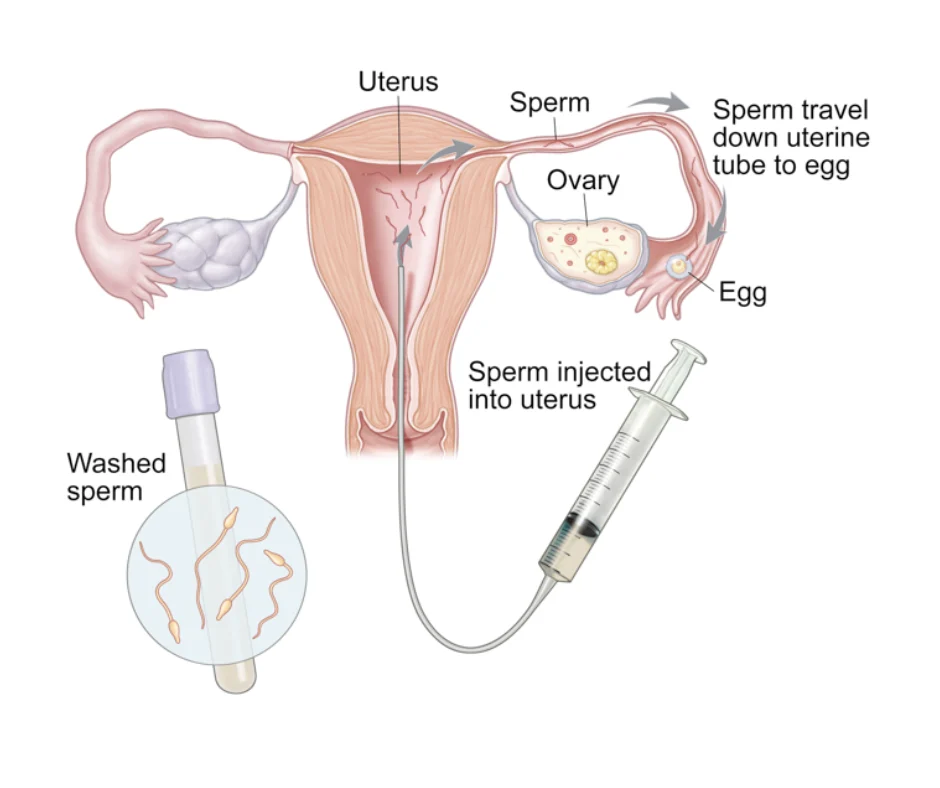
    diagram illustrating intrauterine insemination process, showing sperm injection into the uterus and egg fertilization pathway

    The Science Behind DIY and Medical Insemination

    Intrauterine insemination (IUI) is a common form of medical insemination. It involves placing sperm directly into the uterus through a thin catheter, bypassing the cervix and increasing the chances of fertilization. This method is often recommended for individuals or couples with fertility issues, as it can help overcome barriers to conception.

    In vitro fertilization (IVF) is another type of medical insemination that has gained popularity in recent years. This involves fertilizing an egg with sperm in a laboratory and then transferring the resulting embryo back into the uterus. IVF is a more complex and expensive procedure, but it has a higher success rate compared to other forms of insemination.

    The Role of Technology in Insemination

    Advancements in technology have played a crucial role in the success of both DIY and medical insemination. For DIY insemination, the use of ovulation prediction kits and at-home sperm testing kits have made it easier to track ovulation and determine the quality of sperm. These tools allow individuals and couples to have a better understanding of their fertility and increase the chances of successful insemination.

    In medical insemination, technology has enabled healthcare professionals to perform more precise and effective procedures. For example, sperm sorting techniques, such as sperm washing and microfluidic chips, can help select the healthiest and most viable sperm for insemination. Additionally, genetic testing and screening can be used to identify any potential genetic disorders or abnormalities in embryos before implantation, reducing the risk of passing on inherited diseases.

    The Controversy Surrounding DIY Insemination

    While DIY insemination may seem like a simple and accessible option, it has also sparked controversy and raised ethical concerns. One of the main concerns is the lack of medical supervision and potential risks involved in DIY insemination. Without the guidance of a healthcare professional, there is a higher risk of infection and potential complications.

    Another ethical concern is the use of donor sperm in DIY insemination. This can raise questions about the legal rights and responsibilities of the donor, as well as the potential psychological impact on the child conceived through DIY insemination.

    The Bottom Line

    Insemination, whether DIY or medical, has become a viable option for many individuals and couples looking to start a family. The science behind it is constantly evolving, making it more accessible and successful than ever before. However, it is important to weigh the potential risks and ethical concerns before making a decision about which method is best for you.

    In conclusion, DIY and medical insemination have become popular choices for individuals and couples looking to conceive. The science behind these methods, combined with advancements in technology, has made it possible for many to overcome fertility issues and achieve their dream of starting a family. However, it is important to consult with a healthcare professional and carefully consider the potential risks and ethical concerns before embarking on this journey.

  • Egg Retrieval vs Egg Sharing: The Impact on Society

    Egg retrieval and egg sharing are two methods of obtaining eggs for fertility treatments. While both methods involve the collection of eggs from a donor, there are significant differences in the impact they have on society. This blog post will explore the societal implications of egg retrieval and egg sharing, and compare the two methods in terms of ethics, accessibility, and the effects on relationships and families.

    Egg Retrieval:
    Egg retrieval is the process of collecting eggs from a woman’s ovaries for the purpose of in vitro fertilization (IVF). This involves stimulating the ovaries with hormones to produce multiple eggs, which are then extracted through a minor surgical procedure. The eggs are then fertilized with sperm in a laboratory and implanted into the intended mother’s uterus.

    One of the main societal impacts of egg retrieval is its accessibility. This method is primarily used by individuals or couples who are struggling with infertility. In many cases, these individuals have already exhausted other options, such as fertility medications or intrauterine insemination. Egg retrieval offers them a chance to have a biological child, which can have a significant positive impact on their mental and emotional well-being.

    However, egg retrieval also raises ethical concerns. The donor’s eggs are used solely for the intended mother’s pregnancy, which can be seen as a form of reproductive exploitation. This method also involves a considerable financial cost, making it more accessible to those who can afford it. This can further perpetuate societal inequalities and create a divide between those who can and cannot access fertility treatments.

    Egg Sharing:
    Egg sharing is a process where a woman undergoing IVF donates some of her eggs to another woman or couple who are struggling with infertility. This method allows the donor to receive a discounted or free IVF treatment in exchange for her eggs. The donated eggs are then fertilized and implanted into the recipient’s uterus.

    Illustration of intrauterine insemination (IUI) procedure, showing sperm injection into the uterus.

    Egg Retrieval vs Egg Sharing: The Impact on Society

    One of the main societal impacts of egg sharing is its potential to increase accessibility to fertility treatments. By offering a discounted or free treatment, egg sharing allows individuals or couples who may not be able to afford IVF the chance to have a child. This can have a significant positive impact on their lives, as well as on the overall birth rate and population growth.

    However, egg sharing also raises ethical concerns. The donor’s eggs are used for the recipient’s pregnancy, which can raise questions about the ownership of the resulting child. This method also involves a complex legal process, as well as potential emotional and psychological consequences for both the donor and recipient.

    Effects on Relationships:
    Both egg retrieval and egg sharing can have significant effects on relationships and families. In egg retrieval, the intended parents may experience a sense of detachment from the child, as the donor’s eggs are used instead of the mother’s. This can potentially impact the bond between the intended parents and the child, as well as the relationship between the parents themselves.

    On the other hand, egg sharing can create a unique bond between the donor and recipient, as they are both involved in the creation of a new life. However, this can also lead to potential conflicts and complications, especially if the donor has a change of heart and decides to keep the child.

    In both methods, there is a possibility for the child to have a desire to know their genetic origins. This can raise questions about identity and the role of the donor in the child’s life. It can also have an impact on the dynamics within the family, especially if the child has a relationship with the donor.

    Summary:
    In summary, egg retrieval and egg sharing have significant impacts on society. While egg retrieval offers a chance for individuals or couples to have a biological child, it also raises ethical concerns and perpetuates societal inequalities. On the other hand, egg sharing can increase accessibility to fertility treatments, but it also comes with its own set of ethical and legal complexities. Both methods can have effects on relationships and families, and it is important for individuals to carefully consider these implications before making a decision.

  • The Ethics Behind Artificial Insemination and Natural Conception

    Blog Post:

    The topic of artificial insemination and natural conception is a highly debated and controversial one. While some see it as a necessary means for couples struggling with infertility, others view it as a violation of natural processes and ethical boundaries. In this blog post, we will delve into the ethics behind both artificial insemination and natural conception, exploring the different perspectives and arguments surrounding these methods of conception.

    Artificial insemination, also known as assisted reproductive technology (ART), involves the placement of sperm into a woman’s reproductive tract in order to facilitate pregnancy. This can be done through various techniques such as intrauterine insemination (IUI) or in vitro fertilization (IVF). On the other hand, natural conception occurs when a sperm fertilizes an egg inside a woman’s body, following the natural process of sexual intercourse.

    One of the main arguments against artificial insemination is that it goes against the natural process of conception. Many believe that conception should only occur through sexual intercourse between a man and a woman. This view is often influenced by religious beliefs that emphasize the sanctity of marriage and the traditional family structure. Those who hold this perspective see artificial insemination as a way to bypass the natural order of things and interfere with the divine plan.

    Furthermore, some argue that artificial insemination is a form of playing God and goes against the natural selection process. By selecting and manipulating the sperm that will fertilize the egg, artificial insemination allows for the possibility of genetic engineering and “designer babies.” This raises concerns about the potential consequences of altering natural genetic makeup and the societal implications of creating a superior race.

    However, proponents of artificial insemination argue that it is a necessary option for couples struggling with infertility. They believe that every individual has a fundamental right to reproduce and that artificial insemination is a means to fulfill this right. For many couples, the inability to conceive naturally can have a significant emotional and psychological impact, and artificial insemination offers a chance at parenthood that may not have been possible otherwise.

    A person administering an injection into their abdomen with a yellow pen-like device.

    The Ethics Behind Artificial Insemination and Natural Conception

    Another ethical concern surrounding artificial insemination is the use of donor sperm or eggs. In some cases, individuals or couples may choose to use donor sperm or eggs to conceive a child. This raises questions about the child’s identity and the potential psychological impact on the child when they discover their genetic makeup is different from that of their parents. Additionally, there are concerns about the lack of transparency in the process and the potential for exploitation of donors.

    In contrast, natural conception is often seen as the most ethical and natural way of conceiving a child. It follows the natural processes of reproduction and does not involve any external interference. However, it is not without its ethical considerations. One of the main concerns is the potential for unplanned or unwanted pregnancies, especially in cases where the individuals involved are not ready for parenthood. This can lead to difficult decisions regarding abortion or adoption.

    Moreover, natural conception also raises questions about reproductive rights and the role of government in regulating reproductive choices. In some countries, laws and policies restrict access to contraception and reproductive health services, which can limit an individual’s right to choose when and if they want to have children. This can have serious implications for individuals who may not have the means to care for a child or those who do not want to have children at all.

    In summary, the ethics behind artificial insemination and natural conception are complex and multifaceted. While artificial insemination may go against the natural process of conception and raise concerns about playing God and genetic engineering, it also offers hope for couples struggling with infertility. On the other hand, natural conception is seen as the most ethical and natural way of conceiving a child, but it also raises concerns about reproductive rights and unplanned pregnancies. Ultimately, the decision to pursue artificial insemination or natural conception should be a personal and informed one, taking into consideration the physical, emotional, and ethical implications of each option.

    In conclusion, the topic of artificial insemination and natural conception is one that continues to spark debate and divide opinions. While there are valid ethical concerns on both sides, it is important to consider the individual circumstances and rights of those involved. As technology continues to advance and new methods of conception emerge, it is essential to have ongoing discussions and considerations of the ethical implications of these methods.

    SEO Metadata:

  • The Debate Continues: Artificial Insemination vs Natural Conception

    The Debate Continues: Artificial Insemination vs Natural Conception

    For centuries, humans have been trying to find ways to overcome fertility issues and conceive a child. With advancements in technology and science, the options for conceiving a child have expanded beyond natural conception. Artificial insemination is a method that has been gaining popularity in recent years, but the debate between artificial insemination and natural conception remains ongoing. In this blog post, we will explore the differences between these two methods, their pros and cons, and the ethical considerations surrounding them.

    Artificial insemination, also known as intrauterine insemination (IUI), is a medical procedure where semen is collected and processed before being injected directly into a woman’s uterus. This method bypasses the natural process of sperm having to travel through the cervix and into the uterus, increasing the chances of pregnancy. Artificial insemination is often used for couples who have fertility issues such as low sperm count, endometriosis, or unexplained infertility.

    On the other hand, natural conception is the traditional method of fertilization, where sperm from a man’s ejaculation travels through the cervix and into the uterus to fertilize the egg. This method relies on the timing of ovulation and the quality of sperm to achieve pregnancy.

    One of the main advantages of artificial insemination is its success rate. Studies have shown that the success rate for artificial insemination is around 10-20%, which is significantly higher than the natural conception rate of 3-5%. This is because artificial insemination bypasses any potential issues with the sperm or the woman’s reproductive system, increasing the chances of fertilization. Additionally, artificial insemination allows for the use of donor sperm, making it an option for single women or same-sex couples who wish to have a child.

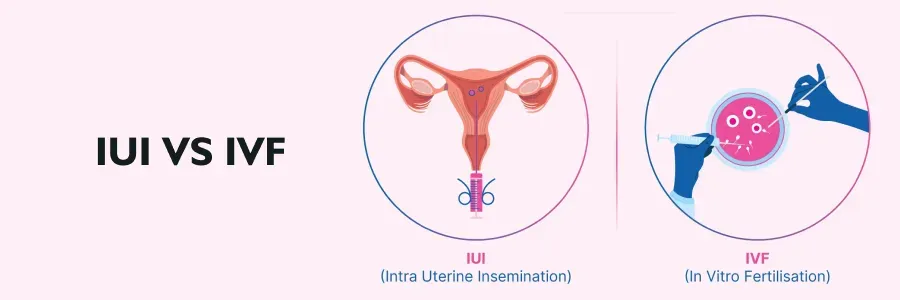
    comparison of IUI and IVF procedures illustrated with simple graphics and labels

    The Debate Continues: Artificial Insemination vs Natural Conception

    Another benefit of artificial insemination is that it is a less invasive and more affordable option compared to other assisted reproductive technologies such as in vitro fertilization (IVF). The procedure can be done in a doctor’s office, and the cost is significantly lower than IVF, making it a more accessible option for couples struggling with fertility.

    However, the use of artificial insemination also raises ethical concerns. Some argue that it goes against the natural process of conception and interferes with the natural selection process. It also raises questions about the rights of the child and their genetic identity, especially in cases where donor sperm is used. Additionally, there is a lack of regulation and oversight in the industry, which can lead to unethical practices such as the exploitation of donors or the use of untested sperm.

    On the other hand, natural conception is the traditional and most natural way of conceiving a child. It allows for the natural selection process to take place, ensuring that only the healthiest and strongest sperm fertilizes the egg. It also eliminates any concerns about the rights of the child and their genetic identity, as both parents contribute to the child’s genetic makeup.

    However, natural conception also has its drawbacks. It relies heavily on timing and the quality of sperm, which can be affected by factors such as age, health, and lifestyle. This can make it challenging for older couples or those with fertility issues to conceive naturally. Additionally, the success rate for natural conception decreases with age, making it a less viable option for older women.

    In conclusion, the debate between artificial insemination and natural conception is a complex one, with both methods having their own pros and cons. Ultimately, the decision on which method to use should be made by the couple after considering their individual circumstances, preferences, and moral beliefs. It is essential to consult with a healthcare professional and thoroughly research both options before making a decision.

    SEO metadata:

  • The Debate on Disclosure: Should Donor-Conceived Children Know Their Biological Father?

    The use of assisted reproductive technology has become increasingly common in today’s society, resulting in a growing number of donor-conceived children. These children are conceived through the use of donated sperm, eggs, or embryos, and often have little to no information about their biological parents. This raises a significant debate on whether donor-conceived children should have the right to know and have a relationship with their biological father.

    On one hand, many argue that it is a child’s fundamental right to know their genetic origins and have a relationship with their biological father. The argument is based on the belief that it is essential for a child’s identity and well-being to know where they come from and have a complete understanding of their family history. This can also help them better understand and potentially address any hereditary health concerns.

    Furthermore, proponents of disclosure argue that keeping secrets from children can have negative psychological effects. When children are not told the truth about their origins, it can lead to feelings of confusion, betrayal, and a lack of trust. As they grow older and discover the truth on their own, it can cause significant emotional distress and harm the relationship with their parents.

    On the other hand, there are those who believe that donor-conceived children do not have the right to know their biological father. They argue that the donor’s role in the child’s life was solely to provide genetic material and that the intended parents are the only ones who should have a relationship with the child. Additionally, some argue that revealing the truth to the child can disrupt the family dynamic and potentially harm the child’s relationship with their non-biological parent.

    Religious and ethical considerations also play a significant role in the debate on disclosure. Some religious groups believe that creating a child through assisted reproductive technology is against the natural order of procreation and goes against their beliefs. Therefore, they may argue against disclosure to prevent the child from learning the truth and questioning their beliefs.

    Illustration of a uterus with a syringe indicating an intrauterine insemination procedure.

    The Debate on Disclosure: Should Donor-Conceived Children Know Their Biological Father?

    Another factor to consider is the legal aspect of disclosure. Laws regarding disclosure vary greatly from country to country and even within different states or provinces. In some places, donors have the right to remain anonymous, and the intended parents have no legal obligation to disclose the child’s origins. In other areas, donors are required to provide identifying information, and children have the right to access this information once they reach a certain age.

    In recent years, there has been a shift towards more openness and transparency in donor-conception. Many countries have implemented laws that allow donor-conceived children to access their genetic information and potentially have a relationship with their biological father. This has led to the creation of online platforms and registries that connect donors, donor-conceived children, and their families.

    Despite the ongoing debate on disclosure, there is a growing consensus that it is essential to have open and honest communication within families. While some may argue that it is not necessary for the child to know their biological father, it is crucial for parents to have these discussions and come to a decision together. It is also essential for parents to prepare for potential questions and have age-appropriate conversations with their children about their origins.

    In conclusion, the debate on disclosure of donor-conceived children’s biological father is a complex one with valid arguments on both sides. While it is crucial to respect the privacy and rights of all parties involved, the well-being and best interests of the child should remain the top priority. Ultimately, it is up to each family to determine what is best for them, but open and honest communication is key in navigating this sensitive topic.

    Summary: The use of assisted reproductive technology has led to a debate on whether donor-conceived children should know and have a relationship with their biological father. While some argue it is a child’s right to know their genetic origins, others believe it is not necessary. Factors such as legal, ethical, and religious considerations play a significant role in the discussion. However, the importance of open and honest communication within families is crucial in navigating this sensitive topic.

  • The Ethics of Compensated vs Non-Compensated Sperm Donation in Sperm Banks vs Known Donors

    Blog Post: The Ethics of Compensated vs Non-Compensated Sperm Donation in Sperm Banks vs Known Donors

    Sperm donation has been a widely controversial topic for many years, with debates surrounding the ethics of compensated vs non-compensated sperm donation and the use of sperm banks vs known donors. On one hand, sperm donation can bring hope and happiness to individuals or couples struggling with fertility issues. On the other hand, it raises concerns about the potential exploitation of donors and the lack of regulations in the industry. In this blog post, we will delve into the ethical considerations of compensated and non-compensated sperm donation, and the differences between using sperm banks and known donors.

    Compensated Sperm Donation in Sperm Banks:
    Sperm banks are facilities that collect, screen, and store sperm from donors for the purpose of artificial insemination. In exchange for their sperm, donors are typically compensated financially. This raises ethical concerns as some argue that it turns sperm into a commodity and exploits donors who may be in dire financial situations. There have been cases where donors have been paid exorbitant amounts of money for their sperm, leading to questions about the motivations behind their donations.

    Moreover, there is a lack of regulation in the sperm banking industry, which means that donors may not be fully informed about the potential risks and long-term effects of sperm donation. This lack of transparency can also result in donors not being adequately compensated for potential health risks or future responsibilities. Additionally, there is a concern about the anonymity of donors, which can potentially lead to half-siblings unknowingly having relationships.

    Non-Compensated Sperm Donation from Known Donors:
    In contrast, non-compensated sperm donation from known donors refers to the act of a person donating their sperm to someone they know personally, such as a friend or family member. This type of donation is usually done out of altruism and does not involve any financial compensation. However, there are still ethical considerations to take into account.

    illustration of intrauterine insemination procedure with a syringe and catheter in the uterus.

    The Ethics of Compensated vs Non-Compensated Sperm Donation in Sperm Banks vs Known Donors

    Known donors may not be screened or tested as rigorously as donors in sperm banks, which can pose risks to the recipient and potential future offspring. There is also the potential for complicated relationships and legal issues to arise if the donor is known to the recipient and their family. For example, the donor may want to play a role in the child’s life, which can cause conflict and confusion. This can also create legal issues regarding parental rights and responsibilities.

    The Importance of Informed Consent:
    One of the key ethical considerations in both compensated and non-compensated sperm donation is the importance of informed consent. Donors must fully understand the process and potential risks involved in sperm donation, and recipients must be fully informed about the donor’s medical history and any potential genetic risks. Informed consent is crucial in ensuring that all parties involved are fully aware of the potential consequences and responsibilities that come with sperm donation.

    The Role of Regulation:
    In order to address the ethical concerns surrounding sperm donation, there is a need for regulation in the industry. This includes guidelines for screening and testing donors, providing adequate compensation and informed consent, and addressing the issue of donor anonymity. In countries such as the United Kingdom and Canada, there are laws in place that regulate sperm donation and protect the rights of all parties involved. These regulations help to ensure that sperm donation is conducted ethically and responsibly.

    In conclusion, the ethics of compensated vs non-compensated sperm donation in sperm banks vs known donors is a complex and multifaceted issue. Both options have their own set of ethical considerations, and it is important for all parties involved to fully understand the potential risks and responsibilities. Regulation is crucial in promoting ethical practices and protecting the rights of donors, recipients, and potential offspring. Ultimately, the well-being and best interests of all parties involved should be the top priority in any sperm donation process.

    Summary:
    Sperm donation is a controversial topic, with debates surrounding the ethics of compensated vs non-compensated donation and the use of sperm banks vs known donors. Compensated sperm donation in sperm banks raises concerns about exploitation and a lack of regulations, while non-compensated donation from known donors can lead to complicated relationships and legal issues. Informed consent and regulation are crucial in promoting ethical practices and protecting the rights of all parties involved.

  • The Role of Religion: Intrauterine Insemination vs In Vitro Fertilization

    Religion has long been a powerful force in shaping societal beliefs and practices, including those related to fertility and reproduction. In modern times, advancements in reproductive technology have raised ethical questions and sparked debates within various religious communities. Two popular methods of assisted reproduction, intrauterine insemination (IUI) and in vitro fertilization (IVF), have been particularly controversial due to their use of medical interventions to aid in conception. In this blog post, we will explore the role of religion in the context of IUI and IVF, and how different faiths approach these assisted reproductive technologies.

    First, let’s define IUI and IVF to better understand their differences. Intrauterine insemination involves placing washed and concentrated sperm directly into the uterus during a woman’s ovulation cycle. This method is often used for couples with fertility issues, but is also commonly used by single women and same-sex couples. In vitro fertilization, on the other hand, involves fertilizing an egg with sperm outside of the body, and then transferring the resulting embryos into the woman’s uterus for implantation. This method is more complex and expensive, and is typically used for couples with more severe fertility issues.

    Christianity is the largest religion in the world, with various denominations and beliefs. In general, most Christian denominations view assisted reproductive technologies as permissible as long as they do not involve the destruction of embryos. This stance is based on the belief that life begins at conception, and any destruction of embryos is seen as equivalent to abortion. Therefore, many Christians view IUI as an acceptable method, as it does not involve the creation or destruction of embryos. However, IVF is often viewed with more skepticism, as it involves the creation of multiple embryos, some of which may not survive the process. Some Christian denominations have specific guidelines on the number of embryos that can be created and the disposition of any unused embryos. The Catholic Church, for example, prohibits the creation of any excess embryos and calls for the respectful disposition of all embryos.

    In Judaism, there is a range of opinions on the use of assisted reproductive technologies. Orthodox Judaism generally allows for the use of IUI and IVF, as long as the sperm and egg are from the married couple and the creation of excess embryos is avoided. Conservative and Reform Judaism also generally allow for the use of these technologies, with Reform Judaism being the most liberal in its approach. However, some rabbis and scholars have raised concerns about the commodification of reproduction and the potential for exploitation of egg donors in the IVF process.

    In Islam, there is also a diversity of opinions on assisted reproductive technologies. Some Muslim scholars view IUI as permissible, as it does not involve the creation or destruction of embryos. However, there is more debate over the use of IVF, with some scholars allowing for it as long as the sperm and egg are from the married couple and the creation of excess embryos is avoided. Others view any form of assisted reproduction as going against the natural process of procreation and therefore not permissible in Islam.

    Comparison of IUI and IVF with illustrations of each procedure.

    The Role of Religion: Intrauterine Insemination vs In Vitro Fertilization

    Hinduism, like other religions, has varying opinions on assisted reproductive technologies. In general, Hinduism emphasizes the importance of procreation and the continuation of family lineage. Therefore, many Hindus view IUI and IVF as acceptable methods for couples struggling with infertility. However, there is also a belief in karma and the idea that children should be conceived through natural means. Some Hindu practitioners may view assisted reproduction as interfering with this natural process.

    Buddhism, with its emphasis on compassion and non-harming, generally allows for the use of assisted reproductive technologies. However, some scholars have raised ethical concerns about the creation and destruction of excess embryos in the IVF process. They argue that this goes against the Buddhist principle of non-harming and may lead to the suffering of potential life forms.

    In conclusion, the role of religion in the context of IUI and IVF is complex and varies greatly between different faiths. While some religions may view these methods as permissible, others may have reservations or outright prohibitions. The ethical implications of assisted reproductive technologies are a topic of ongoing debate within religious communities, and it is important for individuals to consult with their faith leaders and consider their own beliefs before making decisions about these methods.

    Summary:

    Religion plays a significant role in shaping societal beliefs and practices related to fertility and reproduction. In the context of assisted reproductive technologies, such as intrauterine insemination (IUI) and in vitro fertilization (IVF), different religions have varying stances and opinions. While some view these methods as permissible, others may have reservations or prohibitions based on beliefs about the beginning of life and the ethical implications of these technologies. Ultimately, individuals must consider their own religious beliefs and consult with their faith leaders when making decisions about assisted reproduction.

  • The Surrogacy vs Adoption Debate: Who’s Right?

    The decision to start a family is one of the biggest and most life-altering choices a person can make. For some, the journey to parenthood is straightforward and natural. But for others, it can be a more complicated and emotional process. This is where the debate between surrogacy and adoption comes into play. While both options offer the opportunity to become parents, they have their own unique set of pros and cons that can leave people wondering, “Who’s right?”

    In this blog post, we will delve into the surrogacy vs adoption debate and explore the various arguments and perspectives surrounding these two methods of building a family. We will also discuss the ethical considerations and societal attitudes towards each option, as well as the emotional impact on both the intended parents and the child.

    Surrogacy: A Modern Solution to Infertility

    Surrogacy is a method of assisted reproduction where a woman, known as the surrogate, carries a child for another individual or couple, known as the intended parents. There are two types of surrogacy: traditional and gestational. In traditional surrogacy, the surrogate’s egg is fertilized with the intended father’s sperm, while in gestational surrogacy, the embryo is created using the intended parents’ genetic material or donated gametes.

    One of the main reasons why people opt for surrogacy is because they are unable to conceive naturally. This can be due to various reasons such as infertility, medical conditions, or same-sex couples. Surrogacy provides a solution for these individuals to have a biological child and experience the joys of parenthood.

    Another advantage of surrogacy is that the intended parents have a greater control over the pregnancy and birth process. They can be involved in every step, from selecting the surrogate to being present at the birth of their child. This level of involvement may provide a sense of security and satisfaction for the intended parents, as they are able to witness the development of their child from the very beginning.

    However, surrogacy also comes with its own set of challenges. One of the most significant concerns is the financial aspect. Surrogacy is an expensive process, with the cost ranging from $90,000 to $130,000 on average. This high cost can make it inaccessible for many people, especially those from lower socioeconomic backgrounds.

    Another issue that is often raised is the potential exploitation of the surrogate. Critics argue that the surrogate is being paid to carry a child and that this can lead to a commodification of both the woman and the child. There have been cases where the surrogate was forced to terminate the pregnancy or give up the child due to contractual obligations. This raises questions about the ethical implications of surrogacy and whether it is right to treat a woman’s body as a means for someone else’s reproductive needs.

    Adoption: A Selfless Act of Love

    Adoption, on the other hand, is the legal process of permanently transferring parental rights and responsibilities from the biological parents to the adoptive parents. It is often seen as a selfless act of love, where individuals or couples choose to give a child a loving and stable home.

    One of the most significant advantages of adoption is that it provides a solution for children who are in need of a permanent home. There are millions of children worldwide who are waiting to be adopted, and by choosing to adopt, individuals can make a significant impact on a child’s life.

    Adoption also offers a more affordable option compared to surrogacy. The cost of adoption can range from $0 to $50,000, with many agencies offering financial assistance and subsidies for families with lower incomes.

    Additionally, adoption allows individuals to choose from a wide range of children, including infants, older children, and even children with special needs. This flexibility allows individuals to find a child that they feel is the best fit for their family.

    Comparison of IUI and IVF with illustrations of each procedure.

    The Surrogacy vs Adoption Debate: Who's Right?

    However, the adoption process can be lengthy and emotionally taxing for the individuals involved. Adoptive parents must go through extensive screening and training, and there is always the risk of the biological parents changing their minds and wanting their child back. There are also concerns about the adoptive child’s emotional well-being and whether they will feel a sense of belonging in their new family.

    The Debate: Ethics and Attitudes

    The surrogacy vs adoption debate often boils down to ethics and societal attitudes. Both methods involve bringing a child into the world, but the circumstances and motivations behind each are different.

    One of the main arguments against surrogacy is that it promotes a “designer baby” mentality, where people can choose the characteristics of their child. This can further perpetuate the idea that certain traits or characteristics are more desirable than others, leading to discrimination and inequality.

    Adoption, on the other hand, is often seen as a more ethical and selfless choice. By giving a child a home, adoptive parents are providing a loving and stable environment for a child in need. However, there is also the concern that adoption can reinforce the idea of the “savior complex,” where adoptive parents may feel superior to the child and their birth parents.

    Societal attitudes towards surrogacy and adoption also play a role in the debate. Surrogacy is still a relatively new concept, and many people are not familiar with the process and its implications. This lack of understanding can lead to misconceptions and negative attitudes towards surrogacy. Adoption, on the other hand, has been around for centuries and is generally viewed more positively. However, there is still a stigma attached to adoption, and many adoptive families face discrimination and judgment.

    The Emotional Impact on All Parties Involved

    The surrogacy vs adoption debate also has a significant emotional impact on all parties involved. For intended parents, the journey can be filled with hope, anxiety, and uncertainty. The fear of not being able to have a child biologically can take a toll on their mental and emotional well-being. Similarly, adoptive parents may experience a range of emotions, from joy and excitement to grief and loss, as they navigate the complexities of the adoption process.

    The surrogate and the birth parents also go through their own emotional journey. For the surrogate, carrying a child for nine months and then giving them away can be a challenging experience. They may struggle with conflicting emotions of attachment and detachment. Birth parents, on the other hand, may experience feelings of guilt and grief as they give up their child for adoption.

    Ultimately, both surrogacy and adoption involve bringing a child into the world and creating a family. Each has its own unique set of challenges and benefits, and there is no right or wrong answer to the debate. It ultimately comes down to what is best for the individuals involved and their personal circumstances.

    In Conclusion

    The surrogacy vs adoption debate is a complex one with no clear winner. While surrogacy offers a way for individuals to have a biological child, adoption provides a loving home for children in need. Both options have their own ethical considerations and emotional impacts. It is important to have open and honest discussions about these methods of creating a family and to support and respect the choices of those involved.

    SEO metadata: