Tag: Medical Intervention

  • At-Home Insemination vs Clinical Insemination: Which Is the Right Choice for You Based on Success Rates?

    At-Home Insemination vs Clinical Insemination: Which Is the Right Choice for You Based on Success Rates?

    When it comes to starting a family, there are many options available for couples and individuals who are unable to conceive naturally. One common method is insemination, where sperm is placed into the reproductive tract to facilitate fertilization. However, there are two main types of insemination: at-home and clinical. Both have their own benefits and drawbacks, but one factor that can greatly influence a person’s decision is the success rate.

    At-Home Insemination

    At-home insemination, also known as self-insemination or home insemination, involves the use of a sperm donor and a do-it-yourself approach. This method is often preferred by those who want a more intimate and less expensive option compared to clinical insemination. With at-home insemination, the process can be done in the comfort and privacy of one’s own home, without the need for medical intervention.

    The process of at-home insemination involves collecting sperm from a donor, usually a partner or a friend, and using a syringe or a menstrual cup to insert it into the vagina. This method can be performed during a woman’s ovulation period, which increases the chances of fertilization. However, due to the lack of medical supervision and monitoring, the success rate of at-home insemination is relatively low, ranging from 10% to 15%.

    Clinical Insemination

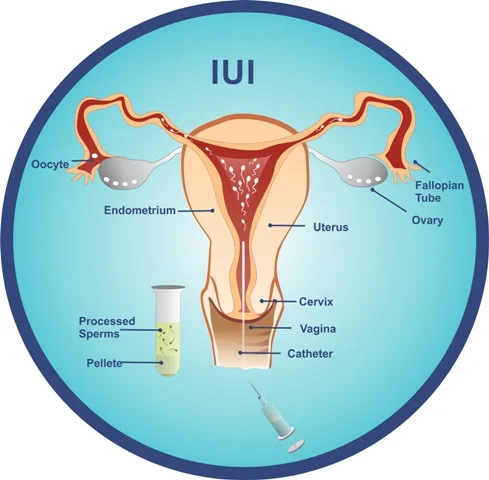
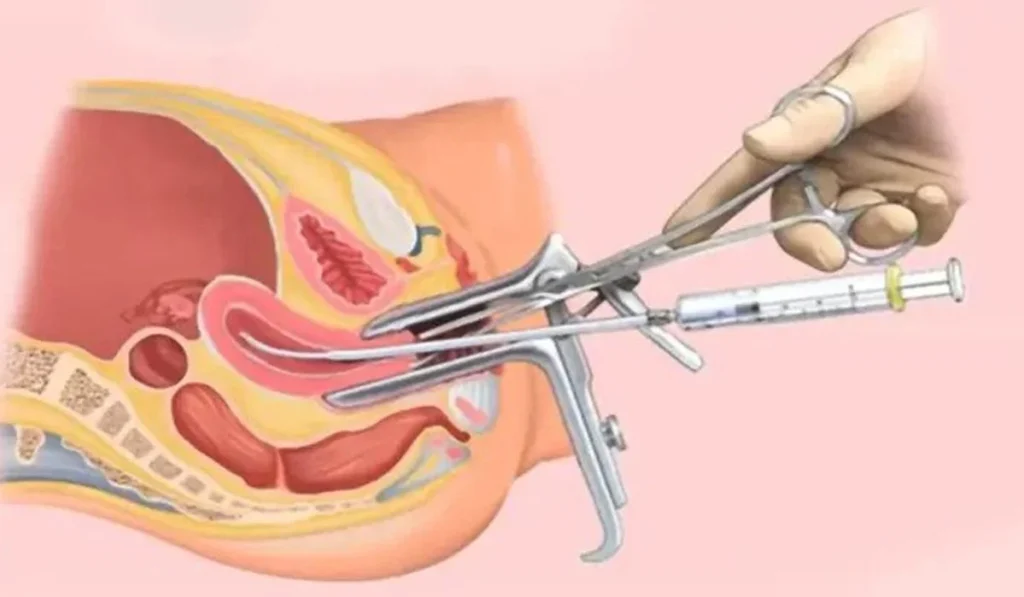
    Clinical insemination, also known as intrauterine insemination (IUI), is a more medically-involved process that is typically performed in a fertility clinic. This method involves the use of specially prepared sperm that is injected directly into the uterus, bypassing the cervix and increasing the chances of fertilization. Unlike at-home insemination, clinical insemination is usually performed by a healthcare professional and requires monitoring through ultrasounds and blood tests.
    Comparison of IUI and IVF treatments with diagrams of reproductive anatomy.

    At-Home Insemination vs Clinical Insemination: Which Is the Right Choice for You Based on Success Rates?

    The higher level of medical involvement and monitoring in clinical insemination leads to a higher success rate. According to the American Pregnancy Association, the success rate for IUI ranges from 15% to 20% per cycle, but it can increase up to 80% after multiple attempts.

    Factors Affecting Success Rates

    Several factors can affect the success rates of both at-home and clinical insemination. The age of the person receiving the sperm, the quality of the sperm, and any underlying fertility issues can all play a significant role. In general, the younger the recipient and the higher the quality of the sperm, the higher the chances of success.

    Another crucial factor is the timing of insemination. Both at-home and clinical insemination should be performed during the woman’s ovulation period, which typically occurs in the middle of her menstrual cycle. However, tracking ovulation can be challenging, and timing errors can greatly impact the success rates of at-home insemination.

    Which Is the Right Choice for You?

    Choosing between at-home and clinical insemination largely depends on personal preferences and individual circumstances. At-home insemination can be more convenient and intimate, but it also has a lower success rate and a higher risk of timing errors. On the other hand, clinical insemination can be more expensive and require medical intervention, but it also has a higher success rate and better monitoring.

    It is essential to consult with a healthcare professional and consider all factors before deciding on the best option for you. For individuals or couples with underlying fertility issues, clinical insemination may be the more suitable choice. However, for those without any known fertility issues, at-home insemination may be a viable option to try before seeking medical help.

    In conclusion, both at-home and clinical insemination have their own pros and cons, but the success rates may be the determining factor for many individuals. While at-home insemination can be a more affordable and intimate option, clinical insemination offers a higher success rate and better monitoring. Ultimately, the choice between the two methods should be based on personal preferences and individual circumstances.

  • Intrauterine Insemination vs Low-Tech IVF: What You Need to Know

    Intrauterine insemination (IUI) and low-tech in vitro fertilization (IVF) are two commonly used fertility treatments. While both have the same goal of helping couples conceive, they differ in terms of procedure, success rates, and cost. In this blog post, we will explore the differences between IUI and low-tech IVF to help you understand which option may be best for your individual situation.

    Firstly, let’s define both procedures. Intrauterine insemination is a fertility treatment that involves the direct placement of sperm into a woman’s uterus during ovulation. This is typically done through a catheter inserted into the cervix. On the other hand, low-tech IVF is a simplified version of traditional IVF, where fertilization occurs in a laboratory dish and the resulting embryo is then transferred into the woman’s uterus.

    One of the main differences between IUI and low-tech IVF is the level of medical intervention. IUI is a much simpler and less invasive procedure compared to low-tech IVF. It does not involve hormonal injections or egg retrieval, making it a more comfortable option for many women. However, this also means that IUI has a lower success rate compared to low-tech IVF, especially for women who have underlying fertility issues.

    Speaking of success rates, low-tech IVF has higher chances of success compared to IUI. This is because in low-tech IVF, the fertilization process occurs in a controlled environment, allowing for a better selection of quality embryos. Additionally, low-tech IVF also allows for the use of fertility medications to stimulate egg production, which can increase the chances of pregnancy. On the other hand, IUI relies solely on the woman’s natural ovulation and does not involve any stimulation of egg production.

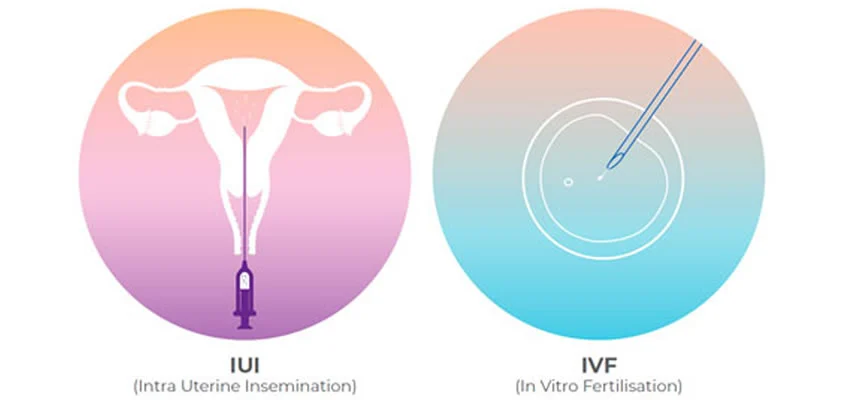
    comparison of IUI and IVF procedures illustrated with simple graphics and labels

    Intrauterine Insemination vs Low-Tech IVF: What You Need to Know

    Another important factor to consider when deciding between IUI and low-tech IVF is cost. IUI is generally more affordable compared to low-tech IVF. This is because it does not involve expensive fertility medications or laboratory procedures. However, it’s important to note that the cost of IUI can vary depending on factors such as the number of cycles needed and whether or not donor sperm is required. Low-tech IVF, on the other hand, can be more expensive due to the additional procedures involved.

    It’s also worth noting that for some women, IUI may not be a viable option. This includes women who have blocked fallopian tubes or severe male factor infertility. In these cases, low-tech IVF may be the recommended course of treatment.

    So which option is best for you? The answer depends on various factors such as your age, fertility history, and underlying medical conditions. It’s important to consult with a fertility specialist who can assess your individual situation and recommend the best course of treatment.

    In conclusion, both IUI and low-tech IVF are effective fertility treatments, but they differ in terms of procedure, success rates, and cost. IUI is a simpler and less invasive option, but it also has lower success rates and may not be suitable for certain medical conditions. Low-tech IVF, on the other hand, has higher chances of success but can be more expensive and may involve more medical intervention. It’s crucial to consult with a fertility specialist to determine which option is best for you.

    In summary, IUI and low-tech IVF are two fertility treatments that differ in procedure, success rates, and cost. While IUI is a simpler and less invasive option, low-tech IVF offers higher success rates but at a higher cost. The best course of treatment depends on individual factors and should be determined with the help of a fertility specialist.

  • Understanding the Science: Intrauterine Insemination vs Low-Tech IVF

    In today’s world, there are many options available for couples who are struggling to conceive. Two popular options are intrauterine insemination (IUI) and low-tech IVF. These procedures are often confused with each other, but they are actually quite different. Understanding the science behind each method is important for couples to make an informed decision about which one is right for them. In this blog post, we will break down the key differences between intrauterine insemination and low-tech IVF, and help you better understand the science behind each one.

    To begin, let’s define each procedure. Intrauterine insemination, also known as artificial insemination, involves placing sperm directly into a woman’s uterus during ovulation, in order to increase the chances of fertilization. This is typically done using a thin, flexible catheter, and is a relatively simple and non-invasive procedure. On the other hand, low-tech IVF involves stimulating a woman’s ovaries to produce multiple eggs, which are then retrieved and fertilized with sperm in a lab. The resulting embryos are then transferred back into the woman’s uterus for implantation.

    One of the main differences between these two procedures is the level of intervention. IUI is considered a low-tech method, as it only involves the placement of sperm into the uterus, without any manipulation of the eggs. Low-tech IVF, on the other hand, involves stimulating the ovaries and retrieving the eggs, which requires more medical intervention.

    Another key difference between the two procedures is the success rates. IUI is generally less successful than low-tech IVF, with success rates ranging from 10-20% per cycle. This is because the sperm still have to travel through the cervix and into the fallopian tubes, where fertilization takes place. However, IUI can be a good option for couples with mild fertility issues, such as low sperm count or cervical mucus problems.

    Low-tech IVF, on the other hand, has a higher success rate, with an average of 30-40% per cycle. This is due to the fact that the eggs are retrieved and fertilized in a lab, and the resulting embryos are carefully selected for transfer. This method is often recommended for couples with more severe fertility issues, such as blocked fallopian tubes or advanced maternal age.

    diagram illustrating intrauterine insemination process, showing sperm injection into the uterus and egg fertilization pathway

    Understanding the Science: Intrauterine Insemination vs Low-Tech IVF

    Cost is also a factor to consider when choosing between IUI and low-tech IVF. IUI is typically less expensive than low-tech IVF, as it involves fewer steps and less medication. However, the success rates for IUI may mean that couples need to undergo multiple cycles, which can add up in cost. Low-tech IVF, on the other hand, may have a higher upfront cost, but the higher success rates may lead to fewer cycles needed.

    Another important factor to consider is the potential risks and side effects of each procedure. IUI is a relatively simple and non-invasive procedure, with minimal side effects. However, there is a risk of multiple pregnancies, which can be a concern for some couples. Low-tech IVF involves more medical intervention and the use of fertility drugs, which can lead to potential side effects such as bloating, mood swings, and ovarian hyperstimulation syndrome (OHSS). There is also a risk of multiple pregnancies with low-tech IVF, although this can be managed by transferring fewer embryos.

    In terms of timing, IUI and low-tech IVF have different timelines. IUI is typically done during a woman’s natural cycle, with ovulation induced using medication. This means that the procedure can be done relatively quickly, within a few weeks. Low-tech IVF, on the other hand, involves stimulating the ovaries and retrieving the eggs, which can take several weeks. This is followed by fertilization and embryo development, and then the transfer of the embryos back into the uterus. The entire process can take up to a month or longer.

    Finally, it’s important to consider the emotional and psychological impact of these procedures. Struggling with infertility can be emotionally and mentally taxing for couples, and it’s important to choose a procedure that is right for their individual needs. IUI may be a good option for couples who want to start with a less invasive and less expensive option, while low-tech IVF may be a better choice for those with more severe fertility issues who are willing to undergo more medical intervention.

    In summary, the key differences between intrauterine insemination and low-tech IVF are the level of intervention, success rates, cost, potential risks and side effects, timing, and emotional impact. IUI is a simpler and less expensive procedure, but has lower success rates and may require multiple cycles. Low-tech IVF involves more medical intervention and has a higher upfront cost, but also has higher success rates and may lead to fewer cycles needed. Ultimately, the decision between these two procedures should be based on the individual needs and preferences of each couple, and it’s important to consult with a fertility specialist to determine the best course of action.

  • Fertility Coaching vs Fertility Doctors: Finding the Right Balance for Your Needs

    Blog Post Title: Fertility Coaching vs Fertility Doctors: Finding the Right Balance for Your Needs

    Summary:

    The journey towards parenthood can be challenging, especially for couples struggling with fertility issues. Many people turn to fertility doctors for medical interventions and treatments, but there is another avenue that is gaining popularity – fertility coaching. While both options have their own benefits, it can be overwhelming to determine which one is the right choice for your needs.

    In this blog post, we will explore the differences between fertility coaching and fertility doctors and how you can find the right balance between the two for your specific situation. We will also discuss the importance of addressing both the physical and emotional aspects of fertility, as well as the potential benefits of combining both approaches.

    Fertility Coaching: A Holistic Approach

    Fertility coaching is a relatively new concept that focuses on the emotional and psychological aspects of fertility. Unlike fertility doctors, fertility coaches do not provide medical treatments or interventions. Instead, they offer support, guidance, and tools to help individuals and couples navigate the emotional rollercoaster that comes with fertility struggles.

    One of the main benefits of fertility coaching is that it takes a holistic approach to fertility. It recognizes that fertility is not just a physical issue but also an emotional one, and both aspects need to be addressed to achieve a successful pregnancy. Fertility coaches help individuals and couples identify and overcome any emotional barriers that may be hindering their fertility journey.

    Fertility coaches also provide support and guidance in areas such as nutrition, lifestyle changes, and stress management, all of which can have a significant impact on fertility. They work closely with their clients to create personalized plans that address their unique needs and challenges.

    Fertility Doctors: Medical Expertise and Interventions

    diagram illustrating intrauterine insemination (IUI) with labeled reproductive anatomy and procedures

    Fertility Coaching vs Fertility Doctors: Finding the Right Balance for Your Needs

    Fertility doctors, on the other hand, are medical professionals who specialize in the diagnosis and treatment of fertility issues. They use a variety of medical interventions, such as fertility drugs, intrauterine insemination (IUI), and in vitro fertilization (IVF), to help their patients achieve pregnancy.

    One of the main benefits of working with a fertility doctor is their medical expertise. They have extensive knowledge and experience in treating fertility issues and can provide a precise diagnosis and appropriate treatment plan. Fertility doctors also have access to advanced medical technology and procedures that can greatly increase the chances of a successful pregnancy.

    Finding the Right Balance: Addressing the Physical and Emotional Aspects of Fertility

    When it comes to fertility, it is essential to address both the physical and emotional aspects. Fertility doctors are experts in treating the physical side of fertility, while fertility coaches specialize in addressing the emotional side. Combining both approaches can provide a comprehensive and well-rounded approach to fertility.

    For couples struggling with fertility, it can be beneficial to work with both a fertility doctor and a fertility coach. A fertility doctor can address any underlying medical issues and provide necessary treatments, while a fertility coach can offer emotional support and guidance throughout the process. This combination can help individuals and couples cope with the emotional toll of fertility struggles while also increasing their chances of a successful pregnancy.

    Finding the Right Balance for Your Needs

    When deciding between fertility coaching and fertility doctors, it is essential to consider your specific needs and situation. If you have been diagnosed with a medical condition that requires medical intervention, working with a fertility doctor may be the best option for you. On the other hand, if you are dealing with significant emotional stress and are looking for support and guidance, fertility coaching may be a better fit.

    It is also important to note that fertility coaching and fertility doctors are not mutually exclusive. Many individuals and couples find success by combining both approaches. Ultimately, the right balance will depend on your unique needs and preferences.

    In conclusion, the journey towards parenthood can be a challenging one, but it is essential to address both the physical and emotional aspects of fertility. Fertility coaching and fertility doctors offer different benefits, and finding the right balance between the two can greatly benefit your fertility journey. Whether you choose to work with a fertility coach, a fertility doctor, or both, remember to prioritize your well-being and do what feels right for you.

  • Breaking Down the Barriers: Accessibility of DIY Fertility Treatments

    Breaking Down the Barriers: Accessibility of DIY Fertility Treatments

    For many couples struggling with infertility, the high cost and limited availability of traditional fertility treatments can be a major barrier to starting a family. However, with the rise of do-it-yourself (DIY) fertility treatments, more and more couples are able to take control of their fertility journey at a fraction of the cost. In this blog post, we will explore the accessibility of DIY fertility treatments and how they are breaking down barriers for couples who are trying to conceive.

    First, let’s define what DIY fertility treatments are. These are treatments that can be done at home without the need for medical intervention. Some examples include tracking ovulation through fertility apps, using natural supplements to improve fertility, and even insemination methods using at-home insemination kits. These treatments have gained popularity due to their affordability and convenience, especially for couples who are unable to access or afford traditional fertility treatments.

    One of the biggest barriers to traditional fertility treatments is the cost. Many insurance plans do not cover fertility treatments, leaving couples to pay out-of-pocket for expensive procedures such as in vitro fertilization (IVF). According to the American Society for Reproductive Medicine, the average cost of an IVF cycle can range from $12,000 to $17,000. This high cost can be a major deterrent for couples who are already facing the emotional and physical toll of infertility. DIY fertility treatments, on the other hand, are significantly less expensive and can cost as little as a few hundred dollars. This makes them much more accessible to couples who are on a tight budget or do not have insurance coverage for fertility treatments.

    Another barrier to traditional fertility treatments is the limited availability. In some countries, such as Canada and the United Kingdom, there may be long waiting lists for fertility clinics or strict eligibility criteria for treatments such as IVF. This can leave many couples feeling frustrated and helpless. DIY fertility treatments, however, can be accessed by anyone with an internet connection. Fertility apps, for example, can be downloaded and used by anyone, regardless of their location. This makes DIY fertility treatments a viable option for couples who may not have access to traditional treatments in their area.

    illustration of a uterus with a syringe for intrauterine insemination (IUI) procedure

    Breaking Down the Barriers: Accessibility of DIY Fertility Treatments

    Furthermore, DIY fertility treatments offer a level of privacy that may not be available with traditional treatments. Many couples may feel uncomfortable discussing their fertility struggles with doctors or undergoing invasive procedures in a clinical setting. DIY treatments allow them to take control of their fertility journey from the privacy of their own home. This can be especially beneficial for members of the LGBTQ+ community who may face discrimination or judgment in traditional medical settings.

    However, it’s important to note that DIY fertility treatments are not without their limitations and risks. These treatments are not regulated by medical professionals and may not have the same success rates as traditional treatments. It’s crucial for couples to thoroughly research and understand the potential risks and success rates of DIY treatments before embarking on them. Additionally, it’s important to consult with a medical professional to rule out any underlying medical conditions or fertility issues that may require medical intervention.

    Despite these caveats, the accessibility of DIY fertility treatments has been life-changing for many couples. It has given them a sense of control and empowerment in their fertility journey, as well as the opportunity to explore alternative options that may not have been available to them otherwise. It has also opened up the conversation around infertility and brought attention to the barriers and challenges that couples face when trying to start a family.

    In conclusion, the accessibility of DIY fertility treatments has broken down barriers for couples struggling with infertility. It has provided a more affordable and convenient option for those who may not have access to traditional treatments due to financial constraints or limited availability. However, it’s important for couples to thoroughly research and understand the risks and limitations of these treatments before trying them. DIY treatments should not be seen as a replacement for medical intervention, but rather as a complementary option that can offer hope and support for couples on their fertility journey.

    Summary:

    DIY fertility treatments are becoming increasingly popular due to their affordability and convenience compared to traditional fertility treatments. They offer a viable option for couples who face barriers such as high costs and limited availability of traditional treatments. DIY treatments also provide a level of privacy and control for couples, especially for those who may face discrimination in medical settings. However, it’s important to understand the limitations and risks of DIY fertility treatments and consult with a medical professional before trying them. Despite these caveats, the accessibility of DIY fertility treatments has brought attention to the challenges and barriers that couples face when trying to conceive.

  • The Cost Comparison: Artificial Insemination vs IVF

    Blog Post Title: The Cost Comparison: Artificial Insemination vs IVF

    When it comes to starting a family, there are many options available for couples who are struggling to conceive naturally. Two popular methods that have gained attention in recent years are artificial insemination and in-vitro fertilization (IVF). While both procedures have been successful in helping couples become parents, they differ significantly in terms of cost. In this blog post, we will dive into the cost comparison between artificial insemination and IVF, and discuss the factors that contribute to the price difference.

    Artificial insemination, also known as intrauterine insemination (IUI), is a fertility treatment where sperm is inserted directly into a woman’s uterus during ovulation. This method is often recommended for couples who have trouble conceiving due to issues such as low sperm count or cervical mucus problems. The average cost of artificial insemination in the United States ranges from $300 to $900 per cycle. This price includes the cost of sperm washing, which is a process where the sperm is separated from the semen and prepared for insertion. However, this cost can vary depending on the location and specific clinic fees.

    On the other hand, IVF is a more complex and expensive procedure. It involves retrieving eggs from the woman’s ovaries and fertilizing them with sperm in a laboratory. The resulting embryo is then transferred into the woman’s uterus. The average cost of one IVF cycle in the United States is around $12,000 to $15,000. This price includes the cost of medications, monitoring, and the actual procedure. However, additional costs such as genetic testing, freezing of embryos, and additional cycles can increase the overall cost significantly.

    So why is there such a significant difference in cost between artificial insemination and IVF? The main factor is the level of medical intervention required. Artificial insemination is a relatively simple and less invasive procedure, which does not require as much monitoring and medication as IVF. This results in lower costs for the procedure itself. IVF, on the other hand, involves multiple steps and higher levels of medical intervention, making it more expensive.

    illustration of an intrauterine insemination procedure with medical instruments and anatomical details

    The Cost Comparison: Artificial Insemination vs IVF

    Another factor that contributes to the cost difference is the success rates of each procedure. The success rate of artificial insemination is around 10-20%, while IVF has a success rate of 30-40%. This means that couples may need to undergo multiple cycles of artificial insemination to achieve a successful pregnancy, which can add up in terms of cost. In contrast, IVF has a higher success rate, making it a more cost-effective option in the long run.

    It is also worth noting that the cost of both procedures can vary depending on individual circumstances. For example, if a couple needs to use donor sperm or if there are any underlying medical conditions that require additional testing or treatment, the cost can increase significantly. It is essential to consult with a fertility specialist and discuss all possible costs before undergoing any fertility treatment.

    In some cases, couples may also opt for a combination of both procedures. This is known as IVF with donor sperm, where IVF is used to fertilize the eggs with donor sperm and then the resulting embryo is transferred into the woman’s uterus. This combination can be more expensive than traditional IVF, but it may be the only option for some couples.

    In conclusion, the cost comparison between artificial insemination and IVF shows a significant difference due to the level of medical intervention and success rates. While artificial insemination may seem like a more affordable option, couples should consider the long-term costs and success rates before making a decision. It is crucial to consult with a fertility specialist and discuss all possible costs and options before embarking on any fertility treatment journey.

    Summary:

    Starting a family can be a challenging journey, and for couples struggling to conceive naturally, artificial insemination and IVF are two popular options. While both procedures have been successful in helping couples become parents, they differ significantly in terms of cost. Artificial insemination is a less invasive and more affordable option, with an average cost of $300 to $900 per cycle, while IVF is a more complex and expensive procedure, with an average cost of $12,000 to $15,000 per cycle. Factors such as the level of medical intervention required and the success rates of each procedure contribute to the cost difference. It is essential to consult with a fertility specialist and discuss all possible costs and options before undergoing any fertility treatment.

  • Exploring the Financial Costs of Natural Conception vs Assisted Reproduction

    Exploring the Financial Costs of Natural Conception vs Assisted Reproduction

    For many couples, starting a family is a dream come true. However, for some, the journey to parenthood may not be as straightforward as expected. With advancements in medical technology, there are now various options available for couples who are struggling with infertility or other reproductive issues. Two of the most common methods are natural conception and assisted reproduction. While natural conception is the traditional way of conceiving a child, assisted reproduction involves medical intervention to help a couple conceive. In this blog post, we will explore the financial costs of both natural conception and assisted reproduction, and the factors that contribute to these costs.

    Natural Conception: The Traditional Way

    Natural conception refers to the process of conceiving a child through sexual intercourse without any medical intervention. This method has been used by humans for thousands of years and is still the most common way of conceiving a child today. The financial costs of natural conception can vary greatly depending on individual circumstances. Some couples may conceive easily, while others may struggle for years. Factors that can impact the financial costs of natural conception include:

    1. Age: As women age, their fertility declines, making it more difficult to conceive naturally. This can lead to additional costs such as fertility treatments or assisted reproduction methods.

    2. Health Conditions: Certain health conditions, such as polycystic ovary syndrome (PCOS) or endometriosis, can affect a woman’s fertility and increase the likelihood of needing medical assistance to conceive.

    3. Lifestyle Factors: Factors such as smoking, excessive alcohol consumption, and obesity can also impact fertility and increase the chances of needing medical intervention for conception.

    4. Location: The cost of living and access to healthcare can vary greatly depending on where a couple lives. This can impact the overall financial costs of natural conception, as some areas may have higher costs for healthcare and fertility treatments.

    Assisted Reproduction: A Modern Solution

    A person administering an injection into their abdomen with a yellow pen-like device.

    Exploring the Financial Costs of Natural Conception vs Assisted Reproduction

    Assisted reproduction refers to a range of medical procedures that are used to help couples conceive. These procedures can include fertility drugs, intrauterine insemination (IUI), in vitro fertilization (IVF), and surrogacy. While assisted reproduction can provide hope for couples struggling with infertility, it can also come with a hefty price tag. The financial costs of assisted reproduction can be significant and can vary greatly depending on the type of procedure and individual circumstances. Here are some factors that can impact the financial costs of assisted reproduction:

    1. Type of Procedure: The type of assisted reproduction procedure a couple chooses can greatly impact the overall cost. Fertility drugs and IUI are generally less expensive than IVF or surrogacy.

    2. Number of Attempts: Depending on the success of the procedure, couples may need to try multiple times before achieving a successful pregnancy. Each attempt can come with additional costs, including medication, doctor’s visits, and lab fees.

    3. Additional Treatments: In some cases, additional treatments may be necessary for a successful pregnancy. This can include genetic testing, egg or sperm donation, or fertility preservation.

    4. Insurance Coverage: While some insurance plans may cover a portion of the costs for fertility treatments, many do not. Couples may need to cover the full cost of assisted reproduction procedures out of pocket.

    Comparing the Costs

    When comparing the financial costs of natural conception and assisted reproduction, it is essential to consider the long-term costs. While natural conception may seem more cost-effective at first, couples who struggle to conceive may end up spending a significant amount on fertility treatments and medical assistance. On the other hand, assisted reproduction procedures may have a higher upfront cost, but they can provide a higher chance of success, potentially saving couples from additional attempts and costs in the long run.

    It is also important to note that the emotional toll of infertility and the stress of fertility treatments can also impact a couple’s finances. Some may need to take time off work or pay for counseling or therapy to cope with the emotional strain.

    In conclusion, the financial costs of natural conception and assisted reproduction can vary greatly and depend on various factors. While natural conception may seem like the most cost-effective option, couples struggling with infertility may end up spending a significant amount on fertility treatments. Assisted reproduction procedures may have a higher upfront cost, but they can provide a higher chance of success in the long run. Ultimately, the decision on which method to choose will depend on individual circumstances, priorities, and resources.

  • Understanding the Differences between Natural Conception and Assisted Reproduction

    Understanding the Differences between Natural Conception and Assisted Reproduction

    Conceiving a child is a natural and biological process that has been happening since the beginning of human existence. However, with the advancement of medical technology, there are now various assisted reproductive techniques that can help individuals and couples who are struggling with infertility to conceive a child. In this blog post, we will delve into the differences between natural conception and assisted reproduction.

    Natural Conception

    Natural conception, also known as unassisted conception, is the process of fertilization that occurs without any medical intervention. It involves sexual intercourse between a man and a woman during the woman’s fertile window. The fertile window is the period in which a woman’s body is most likely to release an egg that can be fertilized by a man’s sperm.

    During sexual intercourse, the man ejaculates sperm into the woman’s vagina, and the sperm travels through the cervix and into the fallopian tubes, where it can fertilize the egg. The fertilized egg then implants itself in the lining of the uterus, where it can grow and develop into a baby.

    Natural conception is the most common way of conceiving a child and is often referred to as “the birds and the bees.” It is a beautiful and intimate process that allows a couple to create a child together. However, it is not always a straightforward process, and many factors can affect a couple’s chances of conceiving naturally, such as age, health, and lifestyle choices.

    Assisted Reproduction

    Assisted reproduction, also known as assisted reproductive technology (ART), refers to any medical procedure or technique that helps with the conception of a child. These techniques are used when a couple is unable to conceive naturally due to infertility or other medical conditions. There are several types of assisted reproductive techniques, including:

    1. Intrauterine Insemination (IUI): In this procedure, a man’s sperm is washed and prepared in a lab, and then inserted into a woman’s uterus during her fertile window.

    Diagram illustrating intrauterine insemination (IUI) procedure with sperm injection into the uterus.

    Understanding the Differences between Natural Conception and Assisted Reproduction

    2. In Vitro Fertilization (IVF): This is the most common form of assisted reproduction, where a woman’s eggs are retrieved from her ovaries and fertilized in a lab with a man’s sperm. The fertilized egg is then transferred back into the woman’s uterus.

    3. Intracytoplasmic Sperm Injection (ICSI): This technique is similar to IVF, but instead of fertilization happening in a lab, a single sperm is injected directly into the egg.

    4. Surrogacy: In surrogacy, a gestational carrier (surrogate) carries a pregnancy for a couple who are unable to carry a child themselves.

    Understanding the Differences

    The main difference between natural conception and assisted reproduction is the level of medical intervention. In natural conception, the only medical intervention is sexual intercourse, while in assisted reproduction, various medical procedures are used to help with fertilization and implantation. Also, in natural conception, the couple has control over their fertility, while in assisted reproduction, they rely on medical professionals to help them conceive.

    Another significant difference is the success rates. Natural conception has a success rate of around 15-20% per month, while the success rates of assisted reproductive techniques vary depending on the procedure and the individual’s circumstances. For example, IVF has a success rate of around 40%, while ICSI has a success rate of 30-35%.

    Moreover, assisted reproduction can be a more expensive and time-consuming process compared to natural conception. It often involves multiple appointments, medications, and procedures, which can be physically, emotionally, and financially taxing for the couple.

    In terms of ethics, there are also some differences between natural conception and assisted reproduction. While natural conception involves the union of two individuals’ genetic material, assisted reproduction can involve the use of donor eggs, sperm, or embryos, raising ethical concerns about the child’s genetic origins and potential issues with anonymity.

    Summary

    In summary, natural conception is the process of fertilization that occurs without any medical intervention, while assisted reproduction refers to any medical procedure or technique that helps with conception. The main differences between the two are the level of medical intervention, success rates, cost, and ethics. While natural conception is a beautiful and intimate process, assisted reproduction can provide hope and options for individuals and couples struggling with infertility. Both methods have their benefits and limitations, and the decision to pursue natural conception or assisted reproduction should be made after considering individual circumstances and consulting with a medical professional.