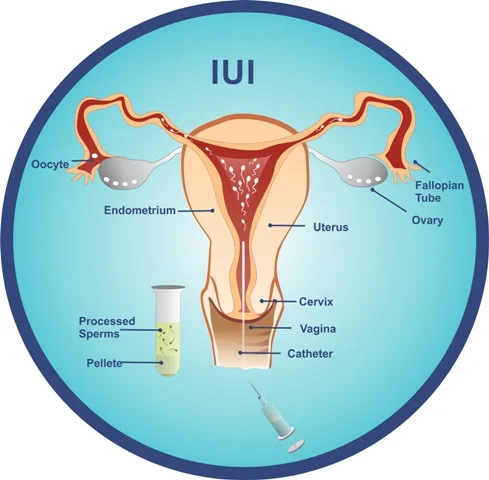
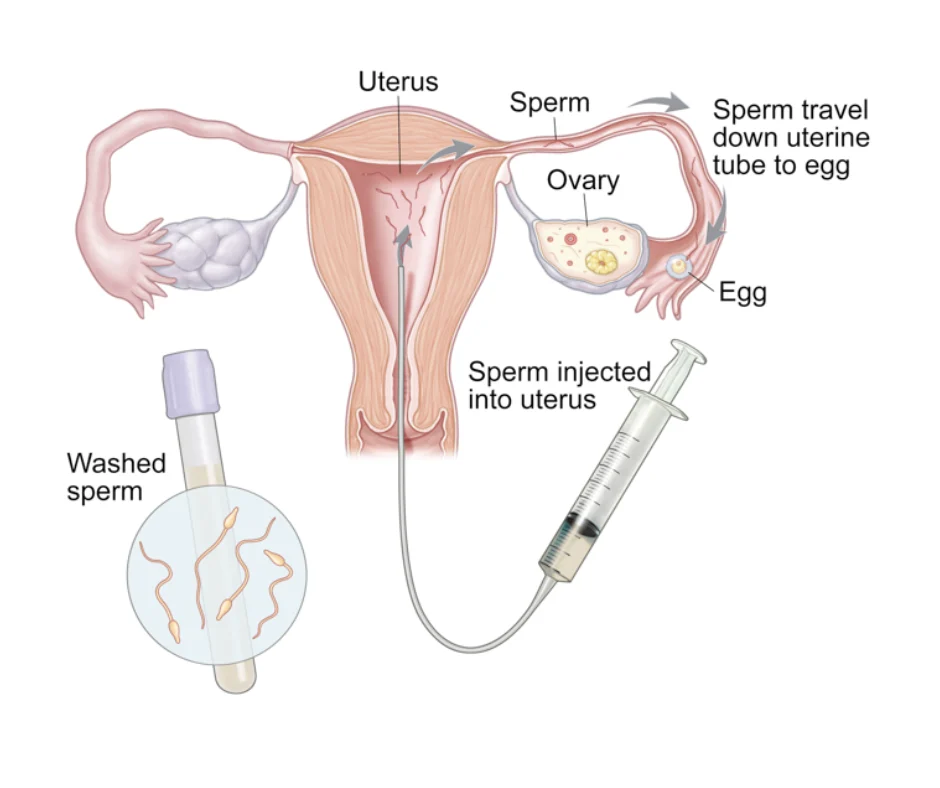
When it comes to starting a family through assisted reproduction, one of the options available is using donor sperm. This can be a viable solution for individuals or couples struggling with fertility issues, same-sex couples, or single individuals. However, there is often a debate between using fresh donor sperm or frozen donor sperm, and how it can impact the health of the child. In this blog post, we will explore the differences between fresh and frozen donor sperm and their potential impact on the health of the child.
Fresh donor sperm refers to sperm that is donated and used immediately for insemination or fertilization. On the other hand, frozen donor sperm is collected and preserved through cryopreservation, a process that involves freezing the sperm at very low temperatures. This allows the sperm to be stored for a longer period of time and used at a later date.
One of the main factors to consider when choosing between fresh and frozen donor sperm is the success rates of conception. Generally, fresh donor sperm has a higher success rate compared to frozen donor sperm. This is because fresh sperm is able to fertilize the egg immediately, while frozen sperm needs to survive the thawing process before it can fertilize the egg. However, with advancements in technology and techniques, the success rates of using frozen sperm have significantly improved in recent years.
Another important factor to consider is the quality of the sperm. Fresh donor sperm is often considered to be of higher quality because it is not subjected to the freezing and thawing process. This means that it has a better chance of successfully fertilizing the egg. On the other hand, frozen donor sperm may have reduced motility and viability due to the freezing process. However, it is worth noting that sperm quality can vary greatly among donors, regardless of whether it is fresh or frozen.
One of the main concerns when it comes to using donor sperm is the potential health risks for the child. This is where the debate between fresh and frozen donor sperm becomes more significant. Some studies have shown that children conceived using fresh donor sperm may have a higher risk of certain health conditions compared to those conceived using frozen donor sperm. These conditions include childhood cancers, such as leukemia, and birth defects, such as cleft lip and palate. This is believed to be due to the fact that fresh donor sperm is not screened as thoroughly as frozen donor sperm.
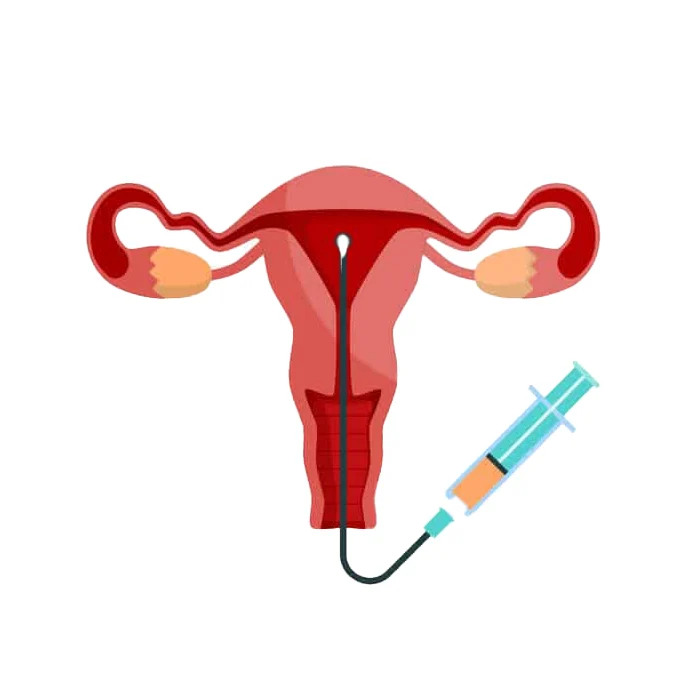
Fresh Donor Sperm vs Frozen Donor Sperm: The Impact on the Health of the Child
With frozen donor sperm, there is a mandatory quarantine period of at least six months, during which the donor is re-tested for any infectious diseases. This ensures that the sperm is safe to use before it is released for donation. In contrast, fresh donor sperm may not undergo this strict quarantine period, which can increase the risk of transmitting infectious diseases to the child.
Another potential risk of using fresh donor sperm is the possibility of the donor changing their mind about being a donor after the child is born. In some cases, donors have requested parental rights or financial support from the intended parents, causing legal and emotional complications. With frozen donor sperm, these risks are significantly reduced as the donor is anonymous and has no legal rights to the child.
In addition to potential health risks, there are also ethical considerations when it comes to using donor sperm. With fresh donor sperm, there is more opportunity for the donor to have a personal connection with the child, which can lead to confusion for the child about their identity and family background. With frozen donor sperm, the donor is usually anonymous, reducing the likelihood of such complications.
In conclusion, there are several factors to consider when choosing between fresh and frozen donor sperm, including success rates, sperm quality, and potential health risks for the child. While fresh donor sperm may have a higher success rate and better quality, it also carries a higher risk of transmitting infectious diseases and potential legal and ethical complications. On the other hand, frozen donor sperm has a lower success rate and quality, but goes through a more thorough screening process and reduces the risk of potential legal and ethical issues. Ultimately, the decision between fresh and frozen donor sperm should be made after careful consideration and consultation with a medical professional.
In summary, the use of donor sperm for assisted reproduction is a complex decision, and the choice between fresh and frozen donor sperm can have an impact on the health of the child. While fresh donor sperm may have a higher success rate and better quality, it also carries a higher risk of transmitting infectious diseases and potential legal and ethical complications. Frozen donor sperm, on the other hand, offers a more thorough screening process and reduces the risk of potential legal and ethical issues. It is important for individuals or couples considering donor sperm to weigh these factors carefully and consult with a medical professional to make an informed decision.