Blog Post:
Fertility testing has become increasingly popular in recent years, as more and more couples are struggling with infertility issues. With the advancements in technology, there are now two main options for fertility testing: at-home kits and medical testing. However, there has been ongoing debate about the accuracy of these two methods and which one provides more reliable results. In this blog post, we will delve into the accuracy debate of fertility testing and compare the results of at-home and medical testing.
At-Home Fertility Testing:
At-home fertility testing kits have gained popularity in recent years due to their convenience and affordability. These kits can be purchased online or at drugstores and can be used in the comfort of your own home. The process is simple – the kit usually includes a urine or saliva sample that is then sent to a lab for analysis. The results are usually available within a few days and can be accessed online or through a phone call.
One of the main advantages of at-home fertility testing is the convenience factor. Many couples prefer this option as it eliminates the need to take time off work or schedule appointments with a doctor. It also allows for privacy, which can be comforting for some individuals. In addition, at-home kits are typically more affordable than medical testing, making it a more accessible option for those on a budget.
However, there have been concerns about the accuracy of at-home fertility testing. The main issue is the lack of regulation and oversight in the production and distribution of these kits. This means that the quality of the tests and the interpretation of results may vary. In addition, at-home kits only provide a snapshot of fertility at the time of testing and do not take into account any underlying issues that may be affecting fertility.
Medical Fertility Testing:
Medical fertility testing, also known as reproductive endocrinology and infertility (REI) testing, is conducted by a healthcare professional in a clinical setting. This type of testing involves a series of blood tests, ultrasounds, and other procedures to assess a person’s fertility. The results are usually more comprehensive and can provide a better understanding of any underlying issues that may be causing infertility.
One of the main advantages of medical fertility testing is the expertise and guidance of a healthcare professional. They are able to interpret the results accurately and provide recommendations for treatment if needed. In addition, medical testing can also assess other factors that may affect fertility, such as hormone levels and uterine health.
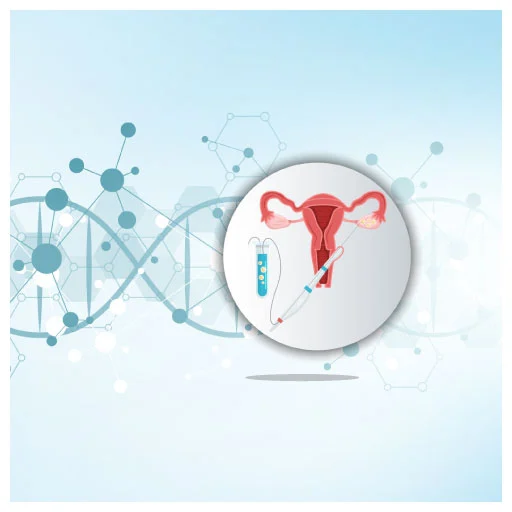
The Accuracy Debate: Comparing At-Home and Medical Fertility Testing Results
However, medical fertility testing can be expensive and time-consuming. It often requires multiple appointments and may involve invasive procedures, which some individuals may find uncomfortable or intimidating. In addition, the cost of medical testing may not be covered by insurance, making it a less accessible option for some.
Comparing the Results:
Now that we have explored both at-home and medical fertility testing, let’s compare the results. It is important to note that both methods can provide accurate results, but the accuracy may vary depending on individual circumstances.
At-home fertility testing can provide a quick and convenient way to assess fertility, but it may not be as thorough as medical testing. The results may also be affected by external factors, such as the timing of the test or the quality of the sample provided.
On the other hand, medical fertility testing is more comprehensive and can provide a more accurate assessment of fertility. However, it is important to keep in mind that these results are also not 100% accurate and may be affected by factors such as stress or medication.
It is worth noting that at-home testing can be a good first step to assess fertility, especially for those who are not ready to seek medical assistance. However, if at-home results show any abnormalities or concerns, it is important to follow up with a medical professional for further testing and guidance.
Conclusion:
In conclusion, there is ongoing debate about the accuracy of at-home and medical fertility testing. Both methods have their own advantages and limitations, and the accuracy of the results may vary depending on individual circumstances. At-home testing can be a convenient and affordable option, while medical testing provides a more thorough assessment of fertility. It is important to keep in mind that both methods can provide accurate results, but it is always best to follow up with a healthcare professional for further testing and guidance.
Summary:
Fertility testing has become increasingly popular, with two main options available: at-home kits and medical testing. While at-home testing offers convenience and affordability, there are concerns about its accuracy due to lack of regulation. On the other hand, medical testing provides a more comprehensive assessment, but it can be costly and time-consuming. The accuracy of the results may vary depending on individual circumstances. It is recommended to follow up with a healthcare professional for further testing and guidance.