Tag: accuracy

  • Male vs Female Fertility Tests: Which One is More Accurate?

    Male vs Female Fertility Tests: Which One is More Accurate?

    When a couple is trying to conceive, it’s natural to want to know if there are any potential issues with fertility. In the past, fertility testing was often focused on the female partner, but now there are options for both men and women to get tested. But with so many different tests available, which one is more accurate? In this blog post, we will explore the differences between male and female fertility tests and determine which one is more accurate.

    Female Fertility Tests

    Traditionally, fertility testing has been focused on women. The most common test is a blood test that measures the levels of hormones involved in the menstrual cycle, such as estrogen, progesterone, and follicle-stimulating hormone (FSH). These tests can indicate if a woman is ovulating regularly and can also detect any hormonal imbalances that may be affecting fertility.

    Another common test for women is a transvaginal ultrasound, which uses high-frequency sound waves to create images of the uterus, ovaries, and fallopian tubes. This can help identify any structural issues, such as blocked fallopian tubes or ovarian cysts, that may be hindering fertility.

    In some cases, a hysterosalpingogram (HSG) may be recommended. This test involves injecting dye into the uterus and taking X-ray images to check for any blockages in the fallopian tubes.

    While these tests can provide valuable information about a woman’s fertility, they are not always accurate. Hormone levels can fluctuate, and structural issues may not always be detected. Additionally, these tests do not provide any information about the man’s fertility, which is equally important in the conception process.

    Male Fertility Tests

    doctor discussing treatment with a patient in a medical office, featuring an ultrasound machine in the background

    Male vs Female Fertility Tests: Which One is More Accurate?

    In recent years, there has been a greater emphasis on male fertility testing. The most common test for men is a semen analysis, which measures the number, shape, and movement of sperm. This test can detect issues such as low sperm count, poor sperm motility (movement), and abnormal sperm shape.

    Another test that may be recommended for men is a hormone evaluation, which measures the levels of testosterone and other hormones involved in sperm production. This can help identify any hormonal imbalances that may be affecting sperm production.

    In some cases, a physical exam may also be performed to check for any physical issues, such as varicoceles (enlarged veins in the testicles) or blockages in the reproductive tract.

    Compared to female fertility tests, male fertility tests are generally more accurate. This is because the quality of sperm is a better indicator of fertility than hormone levels or structural issues. Additionally, a semen analysis can provide a more comprehensive picture of a man’s fertility, as it measures both the quantity and quality of sperm.

    Which One is More Accurate?

    While both male and female fertility tests have their advantages, it’s difficult to determine which one is more accurate. In some cases, both partners may need to undergo testing to get a complete understanding of their fertility.

    It’s also important to remember that fertility is a complex issue and cannot be determined solely by testing. Lifestyle factors, such as diet, exercise, and stress levels, can also play a significant role in fertility.

    Summary:

    When it comes to fertility testing, both men and women have options available to them. Female fertility tests, such as blood tests and ultrasounds, can provide information about hormonal levels and structural issues that may affect fertility. However, these tests are not always accurate and do not provide any information about the man’s fertility. Male fertility tests, such as semen analysis and hormone evaluations, are generally more accurate as they measure the quality of sperm, which is a better indicator of fertility. Ultimately, both partners may need to undergo testing to get a complete understanding of their fertility, and lifestyle factors should also be taken into consideration.

  • A Match Made in Tech Heaven: Combining Fertility Tracking Devices with Traditional Methods

    Summary:

    In recent years, the tech industry has made significant advancements in the field of fertility tracking. From wearable devices to mobile apps, there are now numerous options available for those looking to monitor their reproductive health. However, many people still rely on traditional methods such as tracking basal body temperature and cervical mucus to determine their fertile window. This has led to the question – can these two methods be combined to create the ultimate fertility tracking system? In this blog post, we will explore the benefits and challenges of combining fertility tracking devices with traditional methods and how it can potentially revolutionize the way we approach fertility.

    Fertility tracking devices have become increasingly popular in recent years, providing users with a more convenient and accurate way to track their menstrual cycles. These devices use various technologies such as temperature sensors, hormonal tracking, and artificial intelligence to monitor and predict ovulation. They also offer additional features such as period and symptom tracking, personalized insights, and even fertility coaching. With the rise of health-conscious individuals and the increasing use of technology in our daily lives, it’s no wonder that these fertility tracking devices have gained a significant following.

    On the other hand, many women still rely on traditional methods of fertility tracking, such as the basal body temperature method and cervical mucus observation. These methods have been used for decades and are based on the understanding of a woman’s menstrual cycle and ovulation. The basal body temperature method involves taking your temperature every morning before getting out of bed to track changes in body temperature, which can indicate ovulation. Cervical mucus observation involves monitoring changes in the texture and consistency of cervical mucus throughout the menstrual cycle, which can also indicate ovulation.

    While both fertility tracking devices and traditional methods have their benefits, they also have their limitations. Fertility tracking devices can be expensive and may not be accessible to everyone. They also rely heavily on technology, which can be prone to errors and malfunctions. On the other hand, traditional methods require a deeper understanding of the menstrual cycle and can be time-consuming and subjective. Combining these two methods can potentially address these limitations and create a more comprehensive and accurate fertility tracking system.

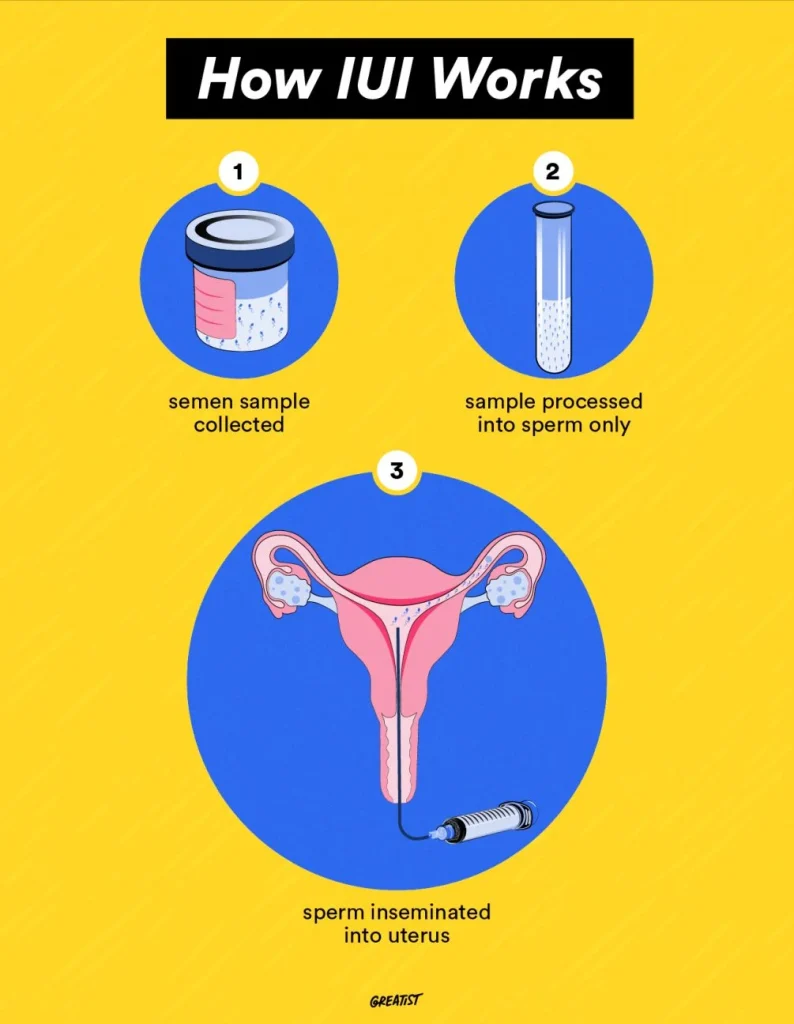
    illustration explaining the steps of intrauterine insemination (IUI) process on a bright yellow background

    A Match Made in Tech Heaven: Combining Fertility Tracking Devices with Traditional Methods

    One of the main benefits of combining fertility tracking devices with traditional methods is increased accuracy. Fertility tracking devices can provide real-time data and insights, while traditional methods offer a deeper understanding of the menstrual cycle. By combining these two approaches, users can have a more complete picture of their reproductive health, leading to more precise predictions of ovulation and fertile days. This can be especially beneficial for those with irregular cycles or fertility issues, as it can provide more personalized and accurate information.

    Another advantage of combining these two methods is convenience. Fertility tracking devices can eliminate the need for manual tracking and charting, making the process less time-consuming and more user-friendly. Traditional methods, on the other hand, can provide a backup or alternative method in case the device malfunctions or is not available. This can give users peace of mind and reduce the stress and anxiety that often come with trying to conceive.

    Moreover, combining fertility tracking devices with traditional methods can also provide a more holistic approach to fertility tracking. While fertility tracking devices focus on physiological data, traditional methods take into account other factors such as stress, diet, and lifestyle that can also impact reproductive health. By combining these two methods, users can get a more comprehensive understanding of their fertility and make more informed decisions about their reproductive health.

    However, there are also some challenges and considerations when it comes to combining these two methods. First, there may be a learning curve for those who are used to relying solely on traditional methods. Fertility tracking devices may require some time to set up and understand, and users may need to adjust their habits and routines to incorporate them into their daily lives. Additionally, there may be compatibility issues between different devices and methods, which can be frustrating for users.

    Another challenge is the potential cost. While fertility tracking devices can be expensive, traditional methods are often more affordable or even free. Combining these two methods may result in additional costs for users, which may not be feasible for everyone. However, many fertility tracking devices now offer subscription plans and payment options, making them more accessible to a wider range of users.

    In conclusion, combining fertility tracking devices with traditional methods has the potential to create a match made in tech heaven. By leveraging the benefits of both approaches, users can have a more accurate, convenient, and holistic way of tracking their fertility. It may not be a one-size-fits-all solution, and there are considerations to keep in mind, but it’s an exciting development in the world of fertility tracking. As technology continues to advance and traditional methods evolve, we can only expect to see more innovations and improvements in this field.

  • Fertility Tracking Devices vs Traditional Methods: Which is More Convenient?

    Blog Post:

    Fertility tracking is a crucial aspect for many women, whether they are trying to conceive or simply monitoring their reproductive health. In recent years, the market has been flooded with various fertility tracking devices claiming to be more advanced and convenient than traditional methods. With so many options available, it can be overwhelming for women to decide which method is best for them. In this blog post, we will discuss the pros and cons of fertility tracking devices versus traditional methods and determine which one is more convenient.

    Traditional methods of fertility tracking involve monitoring changes in the body such as basal body temperature, cervical mucus, and menstrual cycle. These methods have been used for centuries and are still widely used by women today. On the other hand, fertility tracking devices use technology such as sensors, apps, and algorithms to track and predict a woman’s fertile window. Let’s take a closer look at the convenience of each method.

    Convenience of Traditional Methods:

    One of the biggest advantages of traditional fertility tracking methods is that they are readily available and require no additional cost. Women can use a simple thermometer and chart their basal body temperature, or they can monitor changes in their cervical mucus with no need for fancy gadgets. These methods also rely on understanding and observing one’s body, which can help women become more in tune with their menstrual cycle and overall reproductive health.

    However, traditional methods do have their limitations. They require consistency and accuracy in tracking, which can be challenging for some women. For example, measuring basal body temperature requires waking up at the same time every day, and any slight deviation can affect the accuracy of the results. Similarly, monitoring cervical mucus can be subjective and may not be as accurate as other methods.

    Convenience of Fertility Tracking Devices:

    Fertility tracking devices have gained popularity in recent years due to their promises of accuracy and convenience. These devices use technology to track and analyze various factors such as basal body temperature, hormone levels, and heart rate to predict a woman’s fertile window. They also come with user-friendly apps that provide detailed insights into one’s fertility and menstrual cycle.

    diagram of a uterus with a syringe for intrauterine insemination procedure

    Fertility Tracking Devices vs Traditional Methods: Which is More Convenient?

    One of the main advantages of fertility tracking devices is their ability to automate the tracking process. Women no longer have to wake up at the same time every day or monitor their cervical mucus. The devices do the work for them and provide accurate results. Another convenience factor is the portability of these devices. They can easily fit into a pocket or purse, making it easier for women to track their fertility on the go.

    However, fertility tracking devices do have some drawbacks. The initial cost of these devices can be high, and some may require a monthly subscription fee for the app. Moreover, these devices rely heavily on technology, which means they can malfunction or provide inaccurate results. This can be frustrating and may lead to unnecessary stress for women trying to conceive.

    Which is More Convenient?

    When it comes to convenience, it ultimately depends on the individual woman’s preferences and needs. For some women, traditional methods may be more convenient as they are easily accessible and do not require any additional cost. They also allow women to become more in tune with their bodies, which can be empowering.

    On the other hand, fertility tracking devices offer a level of convenience that traditional methods cannot match. They automate the tracking process and provide detailed insights that can be helpful for women trying to conceive or monitoring their reproductive health. However, these devices can be costly and may not be suitable for every woman.

    In conclusion, both fertility tracking devices and traditional methods have their pros and cons when it comes to convenience. It is essential for women to assess their needs and preferences and choose the method that works best for them. Some may prefer the simplicity and affordability of traditional methods, while others may opt for the advanced technology and convenience offered by fertility tracking devices. Whichever method a woman chooses, the ultimate goal is to track her fertility accurately and make informed decisions about her reproductive health.

    Summary:

    Fertility tracking is crucial for women trying to conceive or monitoring their reproductive health. Traditional methods involve monitoring changes in the body, while fertility tracking devices use technology to track and predict a woman’s fertile window. Traditional methods are readily available and require no additional cost, but they can be challenging to track accurately. Fertility tracking devices offer convenience with automated tracking and detailed insights, but they can be costly and rely heavily on technology. Ultimately, the choice between the two methods depends on individual preferences and needs.

  • Sperm Analysis vs Semen Analysis: Which is More Accurate?

    When it comes to fertility testing, one of the most important factors to consider is male reproductive health. Sperm analysis and semen analysis are two commonly used methods for assessing this aspect, but many people often confuse the two or use them interchangeably. However, there are significant differences between the two tests and understanding them can help couples make informed decisions about their fertility journey.

    In this blog post, we will dive into the details of sperm analysis and semen analysis, highlighting their differences and discussing which one is more accurate in assessing male reproductive health.

    What is Sperm Analysis?

    Sperm analysis, also known as a sperm count or spermogram, is a laboratory test that evaluates the quality and quantity of sperm in a semen sample. It is typically the first step in male fertility testing and is recommended for couples who have been trying to conceive for at least a year with no success.

    During a sperm analysis, a sample of semen is collected and examined under a microscope. The test looks at several factors, including sperm count (the number of sperm per milliliter of semen), sperm motility (the ability of sperm to move and swim), and sperm morphology (the shape and size of sperm). Abnormalities in any of these factors can indicate potential fertility issues.

    What is Semen Analysis?

    Semen analysis, also known as a semen culture, is a test that evaluates the overall quality of semen, including the presence of bacteria or infection. It is usually recommended for men who have a history of recurrent infections or those who are experiencing symptoms such as pain or discomfort during ejaculation.

    During a semen analysis, a sample of semen is collected and examined under a microscope. The test looks for the presence of bacteria, white blood cells, and other substances that may indicate an infection or inflammation in the male reproductive system.

    Differences Between Sperm Analysis and Semen Analysis

    Illustration of intrauterine insemination (IUI) procedure, showing sperm injection into the uterus.

    Sperm Analysis vs Semen Analysis: Which is More Accurate?

    The main difference between sperm analysis and semen analysis is the purpose of the test. Sperm analysis is primarily used to assess male fertility, while semen analysis is used to diagnose infections or inflammation in the male reproductive system.

    Another difference is the time frame in which the tests are performed. Sperm analysis is usually recommended for couples who have been trying to conceive for at least a year, while semen analysis can be done at any time, depending on the symptoms or concerns of the individual.

    Accuracy of Sperm Analysis vs Semen Analysis

    Both sperm analysis and semen analysis are important tests in assessing male reproductive health, but when it comes to accuracy, sperm analysis is considered to be the more reliable option. This is because sperm analysis looks specifically at the quality and quantity of sperm, which are crucial factors in male fertility. On the other hand, semen analysis is a broader test that may not necessarily provide detailed information about sperm parameters.

    Furthermore, sperm analysis is a more standardized and consistent test, as it follows specific guidelines and protocols set by the World Health Organization (WHO). This ensures that the results are accurate and comparable across different laboratories. In contrast, semen analysis may vary in accuracy depending on the laboratory and the methods used.

    Which Test is Right for You?

    Ultimately, the choice between sperm analysis and semen analysis depends on your specific needs and concerns. If you and your partner are struggling to conceive, a sperm analysis is the recommended test to assess male fertility. On the other hand, if you have a history of infections or are experiencing symptoms, a semen analysis may be more appropriate to identify any underlying issues.

    It is essential to consult with a fertility specialist to determine which test is right for you and to interpret the results accurately. They can also recommend additional tests or treatments based on the findings.

    In summary, sperm analysis and semen analysis are two different tests that serve different purposes in assessing male reproductive health. While both are important, sperm analysis is considered to be the more accurate test for evaluating male fertility. However, consulting with a fertility specialist is crucial to determine the right test for your specific needs and to interpret the results accurately.

    SEO metadata:

  • Fertility Tracking in the Digital Age: How Apps Are Making It Easier Than Ever

    Blog Post Title: Fertility Tracking in the Digital Age: How Apps Are Making It Easier Than Ever

    Summary:

    Fertility tracking has been used for centuries to help people understand their reproductive cycles and plan for pregnancy or contraception. In recent years, the rise of technology and smartphone apps has revolutionized the way we track our fertility. These apps offer a convenient and personalized approach to fertility tracking, making it easier than ever for individuals and couples to understand their reproductive health.

    One of the main benefits of fertility tracking apps is the ability to accurately predict ovulation and fertile days. By inputting data such as basal body temperature, cervical mucus, and menstrual cycle dates, these apps use algorithms to predict when ovulation will occur. This information can be incredibly useful for couples trying to conceive, as it allows them to time intercourse for the most fertile days. On the other hand, it can also help individuals who are trying to avoid pregnancy by identifying when they are most at risk for conception.

    Another advantage of fertility tracking apps is that they provide a convenient way to monitor and record other aspects of reproductive health. Many apps allow users to track their period dates, symptoms, and sexual activity, providing a comprehensive overview of their fertility and reproductive health. This information can be shared with healthcare providers, making it easier to identify any potential issues or irregularities.

    illustration explaining the steps of intrauterine insemination (IUI) process on a bright yellow background

    Fertility Tracking in the Digital Age: How Apps Are Making It Easier Than Ever

    In addition to tracking fertility, many apps also offer educational resources and personalized insights. They provide information about reproductive health, fertility, and pregnancy, helping users to understand their bodies better. Some apps even offer personalized insights based on the data inputted, such as suggestions for lifestyle changes or fertility treatments.

    One of the most significant benefits of fertility tracking apps is that they can be used by anyone, regardless of their gender identity or sexual orientation. Unlike traditional methods of fertility tracking, which often focus on cisgender women, these apps offer inclusive options for individuals of all genders and sexual orientations. This allows for a more inclusive and personalized approach to fertility tracking, promoting reproductive health for all.

    However, with the rise of fertility tracking apps, there are also some concerns to be aware of. As with any technology, there is always a risk of data privacy and security. Some fertility tracking apps may collect personal information, such as intimate details about menstrual cycles and sexual activity. It is essential to research and choose a reputable app with clear privacy policies and data protection measures in place.

    Another concern is the accuracy of these apps. While many fertility tracking apps use advanced algorithms and technology, they are not 100% accurate. They can only provide predictions based on the data entered, and factors such as stress, illness, and hormonal changes can affect the accuracy of these predictions. It is crucial to use these apps as a tool for understanding fertility and not rely solely on their predictions for contraception or conception.

    In conclusion, fertility tracking apps have revolutionized the way we understand and manage our reproductive health. They offer a convenient, personalized, and inclusive approach to fertility tracking, making it easier than ever for individuals and couples to understand their bodies and plan for pregnancy or contraception. However, it is essential to choose a reputable app and use it as a tool alongside other methods of fertility tracking for the most accurate results.

  • Fertility Tracking on a Budget: The Affordability of Apps vs Traditional Methods

    Blog Post Title: Fertility Tracking on a Budget: The Affordability of Apps vs Traditional Methods

    Summary:

    Fertility tracking has become increasingly popular in recent years, as more and more people are looking for natural and effective ways to plan or prevent pregnancy. However, with the wide range of options available, it can be overwhelming to choose the best method, especially if you are on a budget. In this blog post, we will discuss the affordability of fertility tracking methods, specifically comparing apps to traditional methods.

    Firstly, let’s look at the traditional methods of fertility tracking. These include tracking basal body temperature, cervical mucus, and using ovulation predictor kits. While these methods have been used for decades and are often considered the most accurate, they can also be costly. Basal body temperature thermometers, for example, can range from $10 to $50, depending on the brand and features. Ovulation predictor kits can cost anywhere from $20 to $50 for a pack of 10 tests. If you have irregular cycles, you may need to purchase multiple packs, which can quickly add up. Additionally, these methods require consistent and careful tracking, which can be time-consuming and may not be practical for everyone.

    comparison of IUI and IVF procedures illustrated with simple graphics and labels

    Fertility Tracking on a Budget: The Affordability of Apps vs Traditional Methods

    On the other hand, fertility tracking apps have become increasingly popular and offer a more affordable option. Many apps are available for free, while some may have a one-time or monthly fee. These apps use algorithms and data input by the user to predict ovulation and fertile windows. They also often include features such as period tracking, symptom tracking, and even personalized insights and advice. The cost of these apps can vary, but they are generally much more affordable than traditional methods.

    One of the main advantages of fertility tracking apps is their convenience. As most people have their smartphones with them at all times, tracking and inputting data is much easier and more accessible. This can be especially helpful for those with busy schedules or irregular cycles. Apps also often come with helpful reminders and notifications, making it easier to stay consistent with tracking.

    Another benefit of fertility tracking apps is the ability to sync with other devices, such as fitness trackers or smart watches. This can provide more accurate data and insights, making the app even more effective. Some apps also offer the option to connect with your partner, allowing them to be involved in the process and providing a better understanding of your fertility.

    However, it’s important to note that fertility tracking apps may not be as accurate as traditional methods. As they rely on algorithms and data input, there is room for error. This is why it’s crucial to choose a reputable and well-reviewed app. It’s also important to remember that these apps are not a form of birth control and should not be relied upon solely for preventing pregnancy.

    In conclusion, when it comes to the affordability of fertility tracking, apps are generally a more budget-friendly option compared to traditional methods. They offer convenience, personalized insights, and the ability to sync with other devices, making them an attractive choice for many. However, it’s important to weigh the pros and cons and choose the method that best suits your needs and lifestyle.

  • The Importance of Accuracy: Choosing the Right Fertility Tracking Method

    Blog Post:

    When it comes to fertility, accuracy is key. Whether you are trying to conceive or trying to prevent pregnancy, tracking your fertility is crucial for making informed decisions about your reproductive health. With so many fertility tracking methods available, it can be overwhelming to choose the right one. In this blog post, we will discuss the importance of accuracy in fertility tracking and how to choose the right method for you.

    Why Accuracy Matters in Fertility Tracking

    Fertility tracking involves monitoring and recording various signs and symptoms of your menstrual cycle to determine when you are most fertile. This information can then be used to either conceive or avoid pregnancy. However, the effectiveness of fertility tracking relies heavily on the accuracy of the method used.

    For those trying to conceive, accuracy is crucial because it can help pinpoint the most fertile days for intercourse. Conception can only occur during a woman’s fertile window, which is typically only a few days each cycle. By accurately tracking fertility, couples can increase their chances of getting pregnant.

    On the other hand, for those trying to prevent pregnancy, accuracy is equally important. If fertility tracking is not done correctly, it can lead to unintended pregnancies. This is especially true for women with irregular cycles or those who rely solely on tracking methods for birth control.

    Choosing the Right Fertility Tracking Method

    With so many fertility tracking methods available, it can be challenging to determine which one is the most accurate. Here are some factors to consider when choosing the right method for you:

    1. Your Goals: The first step in choosing the right fertility tracking method is to determine your goals. Are you trying to conceive or prevent pregnancy? Different methods may be more suitable for each goal.

    2. Reliability: When it comes to accuracy, reliability is crucial. Look for methods that have been scientifically proven to be effective in tracking fertility. Avoid methods that rely on outdated or unproven techniques.

    3. Ease of Use: Fertility tracking can be time-consuming, so it’s essential to choose a method that fits into your lifestyle. Some methods, such as tracking basal body temperature, require daily monitoring, while others, like fertility monitors, are more hands-off.

    4. Consistency: Consistency is key in fertility tracking. If you choose a method that you struggle to keep up with, it may not be as accurate. Choose a method that you can easily incorporate into your daily routine.

    5. Personal Factors: Every woman’s body is different, and what works for one may not work for another. Consider your age, cycle regularity, and any underlying health conditions when choosing a fertility tracking method.

    doctor discussing treatment with a patient in a medical office, featuring an ultrasound machine in the background

    The Importance of Accuracy: Choosing the Right Fertility Tracking Method

    Types of Fertility Tracking Methods

    There are several types of fertility tracking methods, and each has its own level of accuracy. Let’s take a closer look at the most popular methods:

    1. Basal Body Temperature (BBT) Charting: This method involves taking your temperature every morning before getting out of bed and recording it on a chart. The rise in temperature after ovulation indicates that you have ovulated.

    2. Cervical Mucus Tracking: Monitoring changes in cervical mucus throughout the menstrual cycle can help determine when ovulation occurs. This method requires paying close attention to the texture and color of cervical mucus.

    3. Fertility Monitors: These devices use urine or saliva to detect changes in hormone levels that indicate ovulation. They are more accurate than other methods and can also track other fertility signs such as cervical mucus and basal body temperature.

    4. Ovulation Predictor Kits (OPKs): Similar to pregnancy tests, OPKs measure the levels of luteinizing hormone (LH) in urine to predict ovulation. They are convenient and easy to use but may not be as accurate as other methods.

    5. Calendar Method: This method involves tracking the length of your menstrual cycle and estimating when ovulation will occur. It is not as accurate as other methods and is more suitable for women with regular cycles.

    The Importance of Combining Methods

    While each fertility tracking method has its own accuracy level, it is crucial to remember that no method is 100% accurate. For this reason, doctors recommend combining two or more methods to increase accuracy. For example, combining BBT charting with cervical mucus tracking can provide a more comprehensive understanding of your fertility window.

    In addition, using technology can also improve accuracy. Fertility tracking apps can help you record and track your fertility signs, making it easier to identify patterns and predict ovulation.

    In conclusion, choosing the right fertility tracking method is crucial for accurate results. Consider your goals, reliability, ease of use, and personal factors when selecting a method. Remember to combine methods and use technology to increase accuracy. With the right method, you can make informed decisions about your reproductive health and achieve your fertility goals.

    Summary:

    Fertility tracking is essential for making informed decisions about reproductive health, whether trying to conceive or prevent pregnancy. Accuracy is crucial in tracking fertility, as it can increase chances of conception or prevent unintended pregnancies. When choosing a fertility tracking method, factors such as goals, reliability, ease of use, and personal factors must be considered. Popular methods include BBT charting, cervical mucus tracking, fertility monitors, OPKs, and the calendar method. Combining methods and using technology can also improve accuracy. With the right method, couples can make informed decisions about their fertility and achieve their goals.

  • The Debate on At-Home Fertility Testing: Experts Weigh In

    The Debate on At-Home Fertility Testing: Experts Weigh In

    In recent years, there has been a rise in the popularity of at-home fertility testing kits, which allow individuals to test their fertility levels from the comfort of their own home. These kits claim to provide a convenient and affordable way for people to assess their reproductive health and plan for their future. However, this trend has sparked a heated debate among experts in the medical community, with some praising the accessibility and convenience of at-home testing, while others raise concerns about their accuracy and potential implications for mental health. In this blog post, we will delve into the debate surrounding at-home fertility testing and provide insights from experts on both sides of the argument.

    The Rise of At-Home Fertility Testing

    The concept of at-home fertility testing is not new, but it has gained widespread popularity in recent years with the advent of advanced technology and social media. These kits typically involve a simple urine or blood test that can be done at home, with results available within a few minutes or sent to a lab for analysis. Some kits also offer additional features such as tracking ovulation and providing personalized recommendations for improving fertility.

    Proponents of at-home fertility testing argue that it provides a convenient and affordable way for individuals to take control of their reproductive health. Many women, especially those who are trying to conceive, may feel more comfortable testing in the privacy of their own home rather than going to a doctor’s office. The use of at-home kits also eliminates the need for multiple appointments and potential embarrassment or discomfort associated with traditional fertility testing methods.

    The Accuracy Debate

    One of the main concerns raised by experts is the accuracy of at-home fertility testing kits. While most kits claim to have a high level of accuracy, there is still a lack of regulation and oversight in the industry. This means that the results may not always be reliable, leading to false reassurances or unnecessary worries for users.

    Dr. Brooke Hodes-Wertz, a reproductive endocrinologist at NYU Langone Health, explains, “At-home fertility tests are not regulated by the FDA, so there is no guarantee that the results are accurate or consistent. It’s important for individuals to understand that these tests only provide a snapshot of their fertility at a given moment and should not be used as a definitive diagnosis.”

    Additionally, fertility can be affected by various factors such as stress, diet, and underlying health conditions, which may not be reflected in the results of an at-home test. This can lead to false reassurance or unnecessary anxiety for individuals who may receive misleading results.

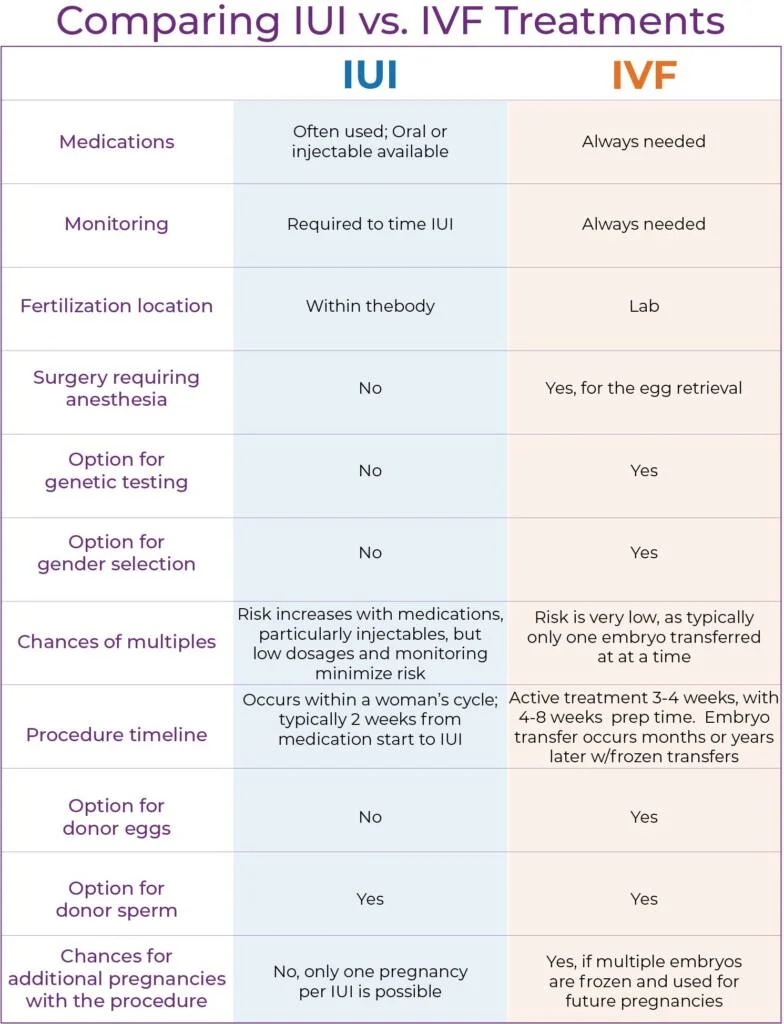
    Comparison chart of IUI and IVF treatments, detailing medications, monitoring, procedures, and success rates.

    The Debate on At-Home Fertility Testing: Experts Weigh In

    The Mental Health Impact

    Another concern raised by experts is the potential mental health impact of at-home fertility testing. While some may find comfort in knowing their fertility levels, others may experience anxiety or distress from the results. This can be especially true for those who are struggling with fertility issues or trying to conceive.

    Dr. Joanne Ruthsatz, a clinical psychologist and associate professor at Ohio State University, explains, “Results from at-home fertility tests can have a significant impact on an individual’s mental health, especially if they receive unfavorable results. It’s important for individuals to be prepared for all possible outcomes and to seek support if needed.”

    The Debate Continues

    The debate on at-home fertility testing is ongoing, with experts on both sides presenting valid arguments. While some argue that it provides a convenient and affordable option for individuals to assess their fertility levels, others raise concerns about accuracy and potential mental health implications. Ultimately, the decision to use at-home fertility testing should be made after careful consideration and consultation with a healthcare professional.

    Dr. Nicole Noyes, a reproductive endocrinologist and Director of Fertility Preservation at NewYork-Presbyterian/Weill Cornell Medical Center, advises, “If someone is considering using an at-home fertility test, they should first consult with their doctor to understand the limitations of the test and how the results may impact their fertility journey.”

    In conclusion, at-home fertility testing has its benefits and drawbacks, and it is essential for individuals to weigh these factors carefully before deciding to use it. While it may provide a convenient option for some, it is not a replacement for medical advice and should be used with caution.

    Summary:

    At-home fertility testing kits have gained popularity in recent years, but their accuracy and potential impact on mental health have sparked a debate among experts. Proponents argue that it offers convenience and affordability, while critics raise concerns about accuracy and potential negative effects on mental health. The lack of regulation in the industry also adds to the uncertainty surrounding these tests. Experts advise individuals to consult with a healthcare professional before using at-home fertility testing and to understand its limitations.

  • The Accuracy Debate: Comparing At-Home and Medical Fertility Testing Results

    Blog Post:

    Fertility testing has become increasingly popular in recent years, as more and more couples are struggling with infertility issues. With the advancements in technology, there are now two main options for fertility testing: at-home kits and medical testing. However, there has been ongoing debate about the accuracy of these two methods and which one provides more reliable results. In this blog post, we will delve into the accuracy debate of fertility testing and compare the results of at-home and medical testing.

    At-Home Fertility Testing:

    At-home fertility testing kits have gained popularity in recent years due to their convenience and affordability. These kits can be purchased online or at drugstores and can be used in the comfort of your own home. The process is simple – the kit usually includes a urine or saliva sample that is then sent to a lab for analysis. The results are usually available within a few days and can be accessed online or through a phone call.

    One of the main advantages of at-home fertility testing is the convenience factor. Many couples prefer this option as it eliminates the need to take time off work or schedule appointments with a doctor. It also allows for privacy, which can be comforting for some individuals. In addition, at-home kits are typically more affordable than medical testing, making it a more accessible option for those on a budget.

    However, there have been concerns about the accuracy of at-home fertility testing. The main issue is the lack of regulation and oversight in the production and distribution of these kits. This means that the quality of the tests and the interpretation of results may vary. In addition, at-home kits only provide a snapshot of fertility at the time of testing and do not take into account any underlying issues that may be affecting fertility.

    Medical Fertility Testing:

    Medical fertility testing, also known as reproductive endocrinology and infertility (REI) testing, is conducted by a healthcare professional in a clinical setting. This type of testing involves a series of blood tests, ultrasounds, and other procedures to assess a person’s fertility. The results are usually more comprehensive and can provide a better understanding of any underlying issues that may be causing infertility.

    One of the main advantages of medical fertility testing is the expertise and guidance of a healthcare professional. They are able to interpret the results accurately and provide recommendations for treatment if needed. In addition, medical testing can also assess other factors that may affect fertility, such as hormone levels and uterine health.

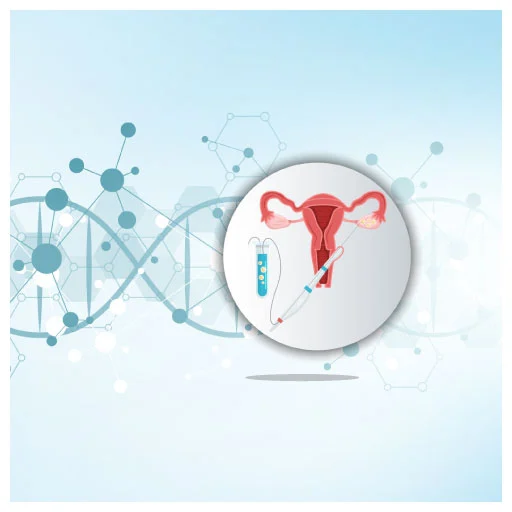
    Illustration of IUI procedure with uterus and syringe against a DNA background.

    The Accuracy Debate: Comparing At-Home and Medical Fertility Testing Results

    However, medical fertility testing can be expensive and time-consuming. It often requires multiple appointments and may involve invasive procedures, which some individuals may find uncomfortable or intimidating. In addition, the cost of medical testing may not be covered by insurance, making it a less accessible option for some.

    Comparing the Results:

    Now that we have explored both at-home and medical fertility testing, let’s compare the results. It is important to note that both methods can provide accurate results, but the accuracy may vary depending on individual circumstances.

    At-home fertility testing can provide a quick and convenient way to assess fertility, but it may not be as thorough as medical testing. The results may also be affected by external factors, such as the timing of the test or the quality of the sample provided.

    On the other hand, medical fertility testing is more comprehensive and can provide a more accurate assessment of fertility. However, it is important to keep in mind that these results are also not 100% accurate and may be affected by factors such as stress or medication.

    It is worth noting that at-home testing can be a good first step to assess fertility, especially for those who are not ready to seek medical assistance. However, if at-home results show any abnormalities or concerns, it is important to follow up with a medical professional for further testing and guidance.

    Conclusion:

    In conclusion, there is ongoing debate about the accuracy of at-home and medical fertility testing. Both methods have their own advantages and limitations, and the accuracy of the results may vary depending on individual circumstances. At-home testing can be a convenient and affordable option, while medical testing provides a more thorough assessment of fertility. It is important to keep in mind that both methods can provide accurate results, but it is always best to follow up with a healthcare professional for further testing and guidance.

    Summary:

    Fertility testing has become increasingly popular, with two main options available: at-home kits and medical testing. While at-home testing offers convenience and affordability, there are concerns about its accuracy due to lack of regulation. On the other hand, medical testing provides a more comprehensive assessment, but it can be costly and time-consuming. The accuracy of the results may vary depending on individual circumstances. It is recommended to follow up with a healthcare professional for further testing and guidance.

  • The Rise of DIY Fertility: How Technology is Changing the Game

    Summary:

    The rise of do-it-yourself (DIY) fertility has become a popular trend, thanks to the advancements in technology. More and more people are turning to at-home fertility tests, ovulation tracking apps, and even sperm and egg freezing kits to take control of their reproductive health. This shift in the fertility industry has been driven by factors such as convenience, cost-effectiveness, and privacy. However, while DIY fertility has its benefits, it also comes with its own set of challenges and risks. In this blog post, we will explore the rise of DIY fertility, how technology has played a role in this phenomenon, and the potential impact it may have on individuals and society as a whole.

    The Role of Technology in DIY Fertility:

    Technology has been a game-changer in the fertility industry. With the rise of smartphones and other digital devices, it has become easier than ever to track and monitor fertility. Ovulation tracking apps, for instance, use algorithms and data to predict a woman’s fertile window and help her conceive. These apps also allow women to track their periods, monitor their moods and symptoms, and even connect with other users for support and advice.

    Another significant advancement in technology has been the development of at-home fertility tests. These tests allow individuals to measure their hormone levels, sperm count, and overall fertility in the comfort of their own homes. This eliminates the need for costly and often invasive visits to fertility clinics, making it a more accessible option for many.

    DIY fertility has also been empowered by the rise of social media and online communities. With the help of online forums and support groups, individuals can connect with others who are going through similar experiences, share advice, and find emotional support. These online communities have created a safe space for people to openly discuss their fertility journeys, which was once considered a taboo topic.

    The Benefits of DIY Fertility:

    One of the main reasons for the rise of DIY fertility is the convenience it offers. With busy schedules and limited time, many individuals find it challenging to make frequent visits to a fertility clinic. DIY fertility allows them to take control of their reproductive health from the comfort of their own homes and on their own time.

    Cost-effectiveness is another significant advantage of DIY fertility. Traditional fertility treatments can be very expensive, with costs ranging from hundreds to thousands of dollars. DIY fertility options, on the other hand, are often more affordable and accessible, making it a viable option for those who cannot afford traditional treatments.

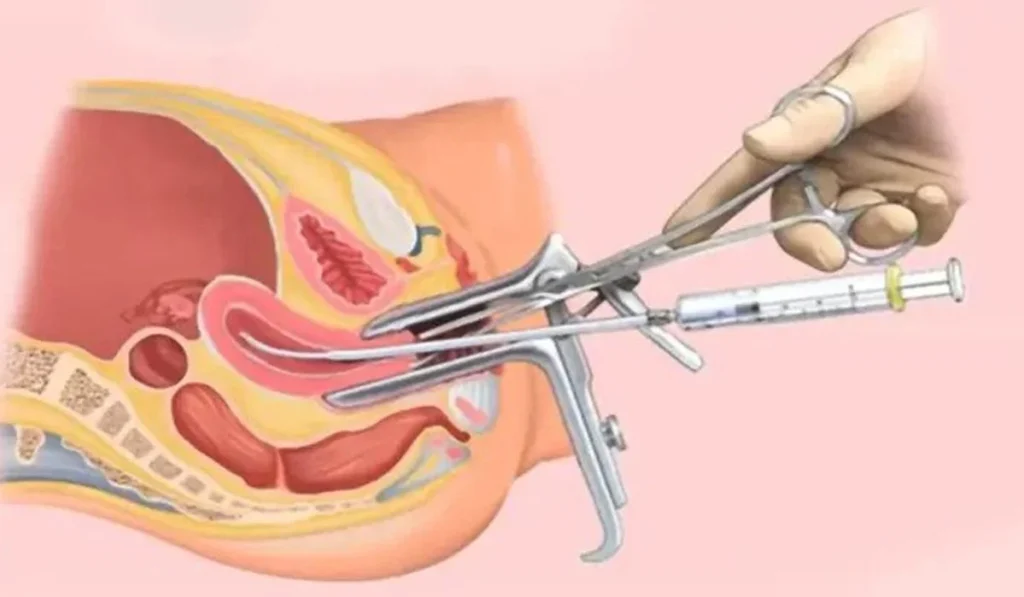
    illustration of an intrauterine insemination procedure with medical instruments and anatomical details

    The Rise of DIY Fertility: How Technology is Changing the Game

    Privacy is also a crucial factor for many individuals when it comes to their fertility journey. While some may feel comfortable seeking help from a fertility clinic, others may prefer the privacy and anonymity that DIY fertility offers. This way, individuals can keep their fertility journey confidential and avoid potential social stigma.

    The Challenges of DIY Fertility:

    Although DIY fertility has its benefits, it also comes with its own set of challenges. One of the main concerns is the accuracy of these at-home tests and apps. While many claim to be highly accurate, there is still a risk of false readings, which can lead to unnecessary worry or false hope. It is essential to do thorough research and consult with a healthcare professional before relying solely on the results of at-home fertility tests.

    Another challenge is the lack of regulation and oversight in the DIY fertility industry. Unlike traditional fertility treatments, which are closely monitored and regulated by healthcare professionals, DIY fertility options do not have the same level of oversight. This can lead to potential risks and complications, especially if individuals are not well-informed or follow the instructions incorrectly.

    The Impact of DIY Fertility on Individuals and Society:

    The rise of DIY fertility has undoubtedly given individuals more control over their reproductive health. It has also opened up options for those who may not have had access to traditional fertility treatments. However, it is essential to consider the potential impact it may have on individuals and society as a whole.

    With the increasing popularity of DIY fertility, there is a concern that it may lead to a decrease in the number of individuals seeking professional medical advice. This could potentially delay or prevent individuals from receiving necessary medical treatment, leading to fertility issues or complications.

    Moreover, the lack of regulation and oversight in the DIY fertility industry raises questions about the safety and ethics of these options. It is crucial for individuals to educate themselves and consult with healthcare professionals before making any decisions about their fertility.

    In conclusion, the rise of DIY fertility has been driven by technology, convenience, and cost-effectiveness. While it has its benefits, it also comes with its own set of challenges and potential risks. As this trend continues to grow, it is essential for individuals to be well-informed and seek guidance from healthcare professionals to make the best decisions for their reproductive health.