Blog Post:
Fertility testing is a crucial step for individuals and couples who are trying to conceive. However, navigating the world of fertility testing can be overwhelming and confusing. There are two main options for fertility testing: at-home testing and medical testing. In this blog post, we will discuss the differences between these two options, the pros and cons of each, and how to decide which one is right for you.
At-Home Fertility Testing:
At-home fertility testing has become increasingly popular in recent years. These tests allow individuals to collect their own samples (usually urine or saliva) and send them to a lab for analysis. The results are then delivered to the individual through a secure online platform.
Pros:
1. Convenience: One of the biggest advantages of at-home fertility testing is convenience. These tests can be done in the comfort of your own home, without the need to schedule appointments or visit a doctor’s office.
2. Affordability: At-home fertility tests are generally more affordable than medical testing. This makes them a more accessible option for those who may not have insurance coverage for fertility treatments.
3. Privacy: For some individuals, the idea of discussing their fertility with a doctor can be uncomfortable. At-home testing allows for privacy and discretion, as there is no need to share personal information with a medical professional.
Cons:
1. Limited accuracy: At-home fertility tests may not be as accurate as medical testing. This is because they rely on self-collected samples, which can be affected by user error and may not provide a complete picture of an individual’s fertility.
2. Limited testing options: At-home fertility tests typically only measure a few key hormones, such as luteinizing hormone (LH) and follicle-stimulating hormone (FSH). This means that they may not detect other factors that could be impacting fertility, such as thyroid function or ovarian reserve.
Medical Fertility Testing:
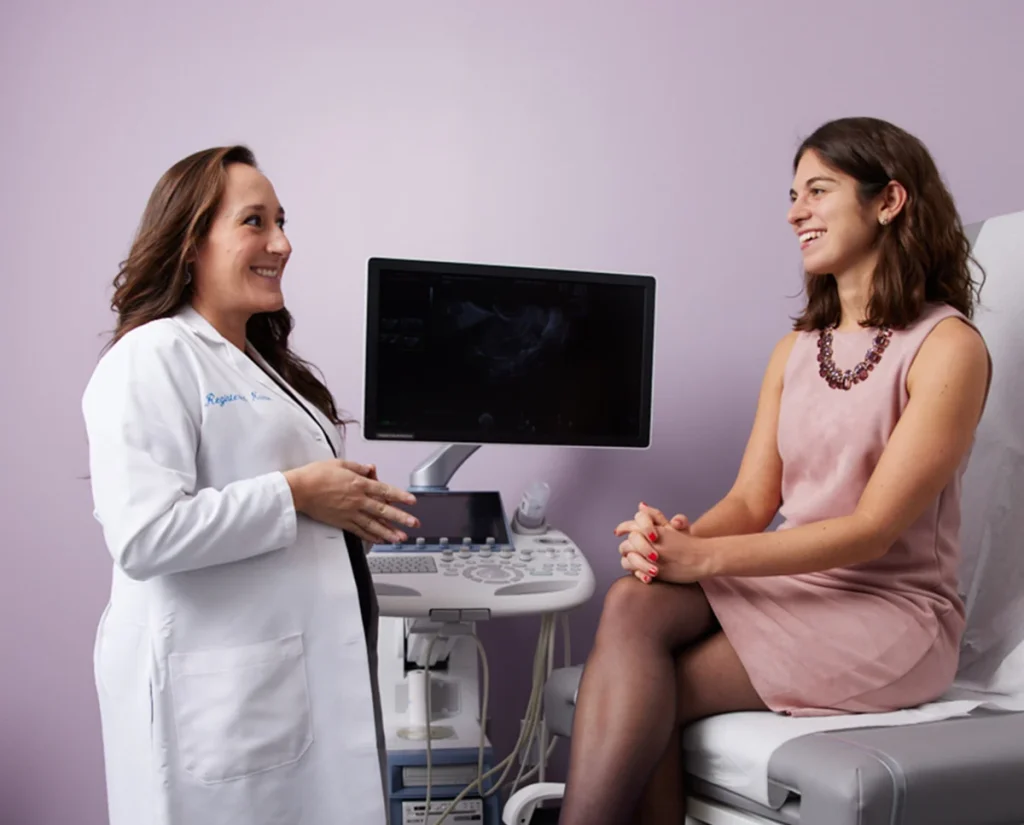
Medical fertility testing involves visiting a doctor or fertility specialist for testing. This may include blood work, imaging tests, and other procedures to assess an individual’s reproductive health.
Pros:
Navigating the World of Fertility Testing: At-Home vs Medical
1. Comprehensive testing: Medical fertility testing offers a more comprehensive assessment of an individual’s fertility. Doctors can conduct a range of tests to determine the underlying factors that may be affecting fertility.
2. Higher accuracy: Medical testing is generally considered to be more accurate than at-home testing. This is because the samples are collected under medical supervision and analyzed in a lab.
3. Personalized treatment plans: With medical testing, doctors can create personalized treatment plans based on the individual’s specific fertility issues. This can lead to more effective and targeted treatment options.
Cons:
1. Cost: Medical fertility testing can be expensive, especially for those who do not have insurance coverage. It may also involve multiple appointments and procedures, which can add to the overall cost.
2. Time-consuming: Unlike at-home testing, medical fertility testing requires multiple appointments and waiting for results. This can be time-consuming and may delay the start of fertility treatments.
3. Emotional toll: For some individuals, visiting a doctor for fertility testing can be emotionally challenging. The process may bring up feelings of stress, anxiety, and disappointment.
Deciding Between At-Home and Medical Fertility Testing:
When it comes to deciding between at-home and medical fertility testing, there is no right or wrong answer. It ultimately depends on your personal preferences, budget, and fertility goals. If you are looking for a more affordable and convenient option, at-home testing may be the way to go. However, if you want a comprehensive and accurate assessment of your fertility, medical testing may be the better choice.
It’s also important to consider your individual fertility journey. For example, if you and your partner have been trying to conceive for a while with no success, it may be best to seek medical testing to identify any underlying issues. On the other hand, if you are just starting your fertility journey and want to get a general idea of your fertility status, at-home testing may be a good place to start.
In some cases, a combination of both at-home and medical testing may be the best approach. For example, you may want to do at-home testing to get a general idea of your fertility status and then follow up with medical testing for a more comprehensive assessment.
In conclusion, both at-home and medical fertility testing have their own set of pros and cons. It’s important to carefully consider your options and choose the one that best fits your needs and goals. Whether you decide to go with at-home or medical testing, remember that fertility testing is just the first step in your journey towards parenthood. Stay positive and stay informed, and you’ll be on your way to building the family of your dreams.
Summary:
Fertility testing is a crucial step for individuals and couples trying to conceive. There are two main options for fertility testing: at-home and medical. At-home testing offers convenience and affordability, while medical testing offers comprehensive and accurate results. The decision between the two depends on personal preferences, budget, and fertility goals. A combination of both may also be a good approach. Ultimately, fertility testing is just the first step towards parenthood and should be approached with positivity and informed decision-making.