Blog Post:
Egg donation and egg freezing have become increasingly popular options for women who are struggling with fertility issues or want to delay pregnancy for personal or medical reasons. While these procedures can offer hope and possibilities for many, they also come with their own set of psychological effects. In this blog post, we will explore the psychological impact of egg donation and egg freezing on both the donor and the recipient.
Egg Donation:
Egg donation involves retrieving eggs from a woman’s ovaries and fertilizing them with sperm in a laboratory. The resulting embryos are then transferred into the uterus of the intended mother or a gestational carrier. This process can be physically demanding and time-consuming, but it also has significant psychological implications for both the donor and the recipient.
For the recipient, egg donation can bring feelings of inadequacy and loss. Many women who choose this option have struggled with infertility and may feel like they have failed in some way. This can lead to feelings of shame, guilt, and even anger towards their own body. The constant reminder of needing someone else’s eggs to become pregnant can also be emotionally challenging.
On the other hand, the egg donor may experience a range of emotions, from altruism and pride to anxiety and regret. While the act of donating eggs can be seen as a selfless and generous act, it can also bring up questions about identity and genetic ties. The donor may also worry about the potential health risks associated with the procedure and the long-term effects on their fertility.
Furthermore, the process of egg donation can also create a power dynamic between the donor and the recipient. The recipient may feel a sense of control and ownership over the donor’s eggs, while the donor may feel a loss of control or ownership over their own reproductive material. This can lead to feelings of resentment or resentment towards each other.
Egg Freezing:
Egg freezing, also known as oocyte cryopreservation, involves retrieving eggs from a woman’s ovaries and freezing them for future use. This procedure has gained popularity in recent years as a way for women to preserve their fertility and delay childbearing. However, it also has psychological effects that should be considered.
For women who choose to freeze their eggs, there may be a sense of relief and empowerment in having a backup plan for their fertility. This can be especially beneficial for women who are not ready to have children at the present moment, but want to keep the option open for the future. However, there can also be a sense of pressure and anxiety to make the “right” decision about when to use the frozen eggs.
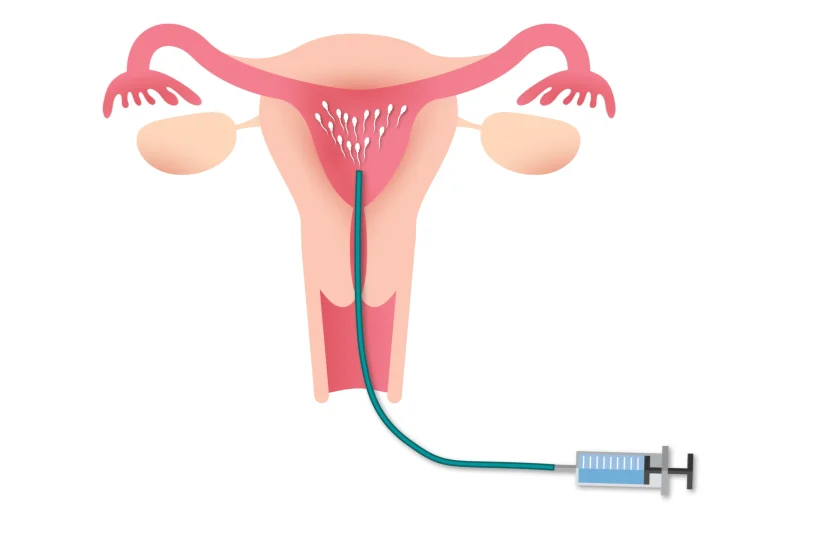
The Psychological Effects of Egg Donation and Egg Freezing
Additionally, egg freezing can also bring up concerns about mortality and the fear of not being able to have children in the future. This can cause distress and anxiety, especially for women who have not yet found a partner or are not financially stable enough to have a child.
For women who have already gone through the process of egg freezing and are now considering using the frozen eggs, there may be a sense of pressure and expectation to have a successful pregnancy. This can lead to added stress and disappointment if the procedure does not result in a viable pregnancy.
Social Stigma:
Both egg donation and egg freezing can also come with the burden of social stigma. Many people still view infertility and assisted reproductive technology as taboo subjects, which can make it difficult for women to openly discuss their experiences. This can lead to feelings of isolation and shame, causing further psychological distress.
Moreover, there can also be societal pressures and expectations surrounding motherhood and fertility. Women who choose to donate their eggs or freeze their eggs may face judgment and criticism for not conforming to traditional expectations of becoming a mother.
Seeking Support:
It is essential for both the donor and recipient to seek emotional support throughout the process of egg donation or egg freezing. This can include therapy, support groups, or talking to friends and family. Having a safe space to express one’s feelings and concerns can help alleviate some of the psychological effects of these procedures.
Furthermore, it is crucial for women to educate themselves about the psychological implications of egg donation and egg freezing before making a decision. Being well-informed can help individuals prepare for the potential challenges and seek support when needed.
In conclusion, egg donation and egg freezing can offer hope and opportunities for women who are struggling with fertility issues or want to delay pregnancy. However, these procedures also come with their own set of psychological effects, such as feelings of inadequacy, loss, and social stigma. It is crucial for individuals to seek support and educate themselves about these implications before making a decision. With proper support and understanding, women can navigate these procedures with more ease and make informed choices about their reproductive health.
Summary:
Egg donation and egg freezing have become popular options for women struggling with fertility issues or wanting to delay pregnancy. However, these procedures have psychological effects on both the donor and the recipient. Egg donation can bring feelings of inadequacy and loss for the recipient, while the donor may experience a range of emotions, from altruism to anxiety. Egg freezing can bring a sense of empowerment for women, but also concerns about mortality and pressure to make the “right” decision. Social stigma and societal expectations can also add to the psychological burden of these procedures. Seeking emotional support and educating oneself about these implications is crucial for navigating these procedures. With proper support, women can make informed choices about their reproductive health.