Tag: psychological effects

  • The Psychological Effects: Intrauterine Insemination vs Low-Tech IVF

    The Psychological Effects: Intrauterine Insemination vs Low-Tech IVF

    When it comes to fertility treatments, there are various options available to couples who are struggling to conceive. Two of the most common treatments are intrauterine insemination (IUI) and low-tech in vitro fertilization (IVF). While both treatments have similar success rates, they differ greatly in terms of the psychological effects they may have on the individuals undergoing them. In this blog post, we will delve into the psychological effects of IUI and low-tech IVF and explore the potential impact on couples’ emotional well-being.

    Intrauterine Insemination (IUI)

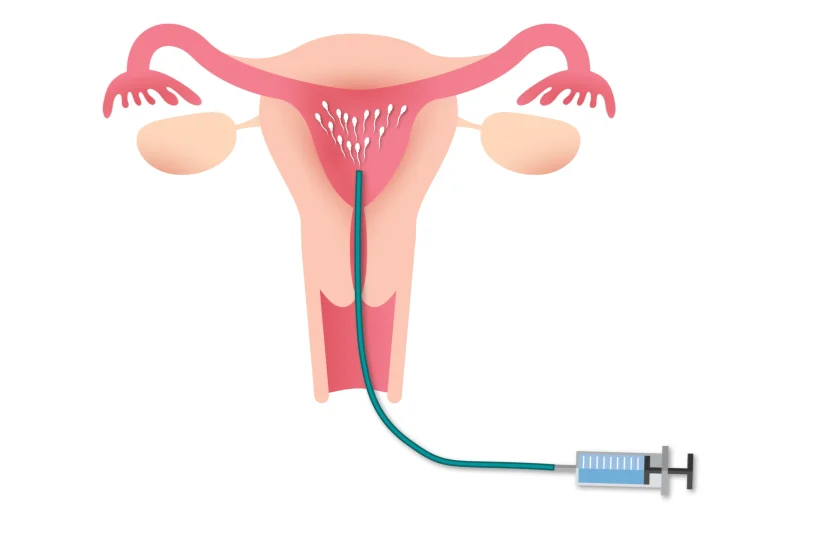
    IUI involves placing washed and concentrated sperm directly into a woman’s uterus during ovulation. It is a relatively simple and non-invasive procedure that can be done in a doctor’s office. However, despite its simplicity, IUI can have significant psychological effects on individuals undergoing the treatment.

    One of the most common psychological effects of IUI is anxiety. Many couples experience high levels of stress and worry during the waiting period between the procedure and the pregnancy test. This can be due to the uncertainty of whether the procedure will be successful or not. The constant wondering and questioning can lead to a rollercoaster of emotions, including fear, disappointment, and hopelessness.

    Another psychological effect of IUI is the impact on a couple’s intimacy. The procedure can feel clinical and impersonal, which can cause feelings of detachment and strain on the relationship. This can be particularly challenging for couples who have been struggling with infertility for an extended period, as it adds another layer of stress to their already strained relationship.

    Low-Tech IVF

    Low-tech IVF, also known as mini-IVF or natural cycle IVF, is a less intense and more affordable version of traditional IVF. It involves using low doses of medication to stimulate the ovaries, and the eggs are retrieved and fertilized in the same way as with traditional IVF. However, the psychological effects of low-tech IVF can differ greatly from IUI.
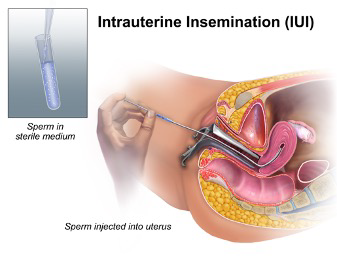
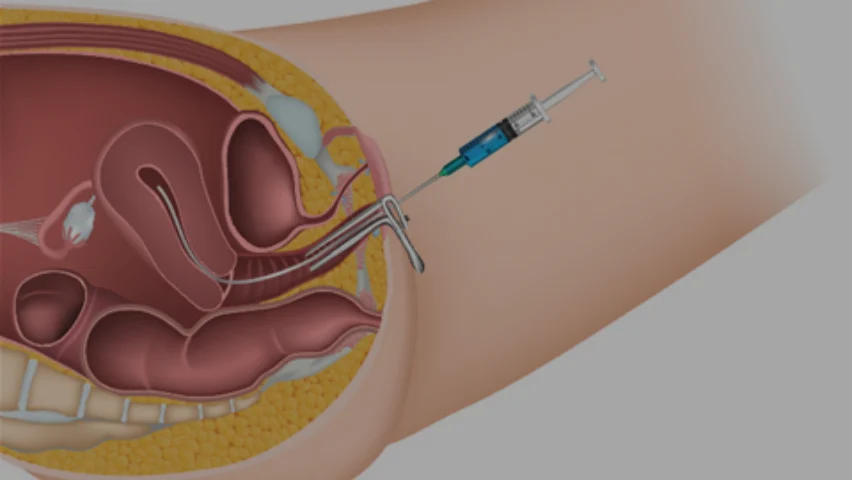
    Illustration of intrauterine insemination (IUI) procedure, showing sperm injection into the uterus.

    The Psychological Effects: Intrauterine Insemination vs Low-Tech IVF

    One of the most significant psychological effects of low-tech IVF is the pressure to succeed. Due to the higher financial investment and the more invasive nature of the treatment, couples may feel a significant amount of pressure to have a successful outcome. This pressure can lead to increased levels of stress, anxiety, and disappointment if the treatment is not successful.

    Another psychological effect of low-tech IVF is the impact on self-esteem. Many individuals undergoing fertility treatments may already feel a sense of failure or inadequacy due to their struggles with conception. The added pressure and potential failure of low-tech IVF can exacerbate these feelings and lead to a negative self-image.

    Comparison of Psychological Effects

    While both IUI and low-tech IVF can have significant psychological effects, there are some notable differences between the two treatments. IUI may cause more stress and anxiety during the waiting period between the procedure and pregnancy test, while low-tech IVF can lead to increased pressure and impact on self-esteem. Additionally, the impersonal nature of IUI can strain a couple’s intimacy, while the investment and invasive nature of low-tech IVF can put a strain on the couple’s relationship.

    Managing the Psychological Effects

    It is essential for couples undergoing fertility treatments to be aware of the potential psychological effects and take steps to manage them. One way to do this is by seeking support from a therapist or counselor who specializes in infertility. Talking through their feelings and concerns can help individuals and couples cope with the stress and anxiety of the treatments. Additionally, practicing self-care and finding healthy ways to cope with the emotional rollercoaster can also be beneficial. This may include activities such as exercise, meditation, or spending quality time with loved ones.

    In conclusion, both IUI and low-tech IVF can have significant psychological effects on individuals and couples undergoing fertility treatments. While IUI may cause more stress and impact on intimacy, low-tech IVF can lead to pressure and self-esteem issues. It is crucial for individuals and couples to be aware of these potential effects and take steps to manage them in a healthy way. Seeking support and practicing self-care can help individuals cope with the emotional challenges of fertility treatments and improve their overall well-being.

    Summary:

    Intrauterine insemination (IUI) and low-tech in vitro fertilization (IVF) are two common fertility treatments with similar success rates. However, they differ greatly in terms of the psychological effects they may have on individuals undergoing them. IUI may cause anxiety and impact intimacy, while low-tech IVF can lead to pressure and self-esteem issues. It is essential for couples to be aware of these effects and seek support from a therapist or practice self-care to cope with the emotional challenges of fertility treatments.

  • Male Factor Infertility: Exploring the Psychological Effects and Seeking Help

    Blog Post Title: Male Factor Infertility: Exploring the Psychological Effects and Seeking Help

    Summary:

    Infertility is a challenging and emotional journey for couples, and it affects both men and women. However, there is often a focus on female infertility, leaving male factor infertility largely overlooked. Male factor infertility refers to when a male partner has difficulties with fertility, and it accounts for up to 40% of infertility cases. Despite its prevalence, male factor infertility can have significant psychological effects on men and their partners.

    This blog post aims to explore the psychological effects of male factor infertility and provide guidance on seeking help. We will discuss the stigma surrounding male infertility, the impact on men’s mental health, and the importance of seeking support and treatment.

    The Stigma Surrounding Male Infertility:

    The societal pressure to have children and the traditional expectations of men as providers can make male infertility an especially challenging experience. Many men feel a sense of shame and inadequacy when they are unable to conceive with their partners. This stigma is often perpetuated by the lack of public discussion and representation of male infertility. As a result, men may feel isolated and suffer in silence, further exacerbating the psychological effects of male factor infertility.

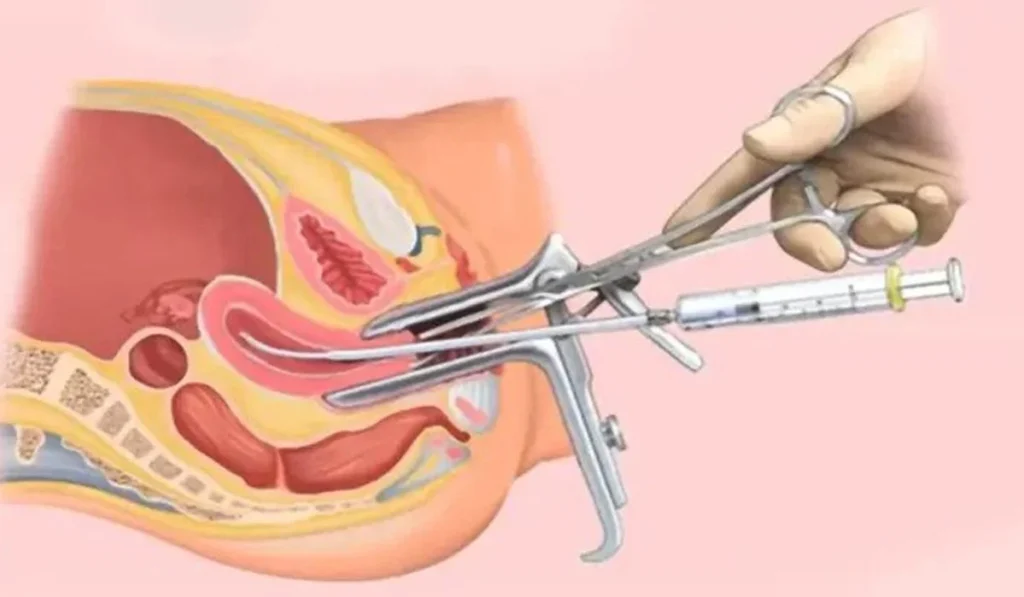
    illustration of an intrauterine insemination procedure with medical instruments and anatomical details

    Male Factor Infertility: Exploring the Psychological Effects and Seeking Help

    Impact on Men’s Mental Health:

    Infertility can have a significant impact on men’s mental health, leading to feelings of depression, anxiety, and stress. Studies have shown that men with male factor infertility have a higher risk of developing mental health disorders, with depression being the most common. The constant pressure to perform and the fear of disappointing their partners can take a toll on men’s mental well-being. Infertility can also affect their self-esteem, sense of masculinity, and overall quality of life.

    The Psychological Impact on Relationships:

    Infertility can put a strain on relationships, and male factor infertility can add another layer of complexity. The inability to conceive can lead to feelings of guilt and resentment, and the constant focus on fertility can put a strain on the emotional connection between partners. Men may also feel like they are failing their partner, leading to a breakdown in communication and intimacy. It is crucial for couples to address the psychological effects of male factor infertility together and seek support as a team.

    The Importance of Seeking Help:

    Male factor infertility is a medical condition that requires proper diagnosis and treatment. Seeking help from a fertility specialist is crucial in overcoming male infertility. However, it is equally essential to address the psychological aspects of male factor infertility. Counseling and support groups can provide a safe space for men to express their feelings and cope with the emotional toll of infertility. It is essential to remember that seeking help is not a sign of weakness; it is a brave and necessary step towards overcoming male factor infertility.

    In conclusion, male factor infertility can have significant psychological effects on men and their partners. The stigma surrounding male infertility, the impact on men’s mental health, and the strain on relationships can make the journey challenging. However, by seeking help and addressing the psychological effects, men can overcome the emotional toll of male factor infertility and find support and hope in their journey towards parenthood.

  • The Psychological Impact of Fertility Medications vs Surgical Procedures

    Blog Post Title: The Psychological Impact of Fertility Medications vs Surgical Procedures: A Comprehensive Analysis

    Introduction:
    Fertility issues can be a challenging and emotionally taxing experience for many couples. The desire to have a child and start a family can lead to a range of emotions, from excitement and hope to frustration and disappointment. When faced with fertility problems, couples often turn to various treatment options, including fertility medications and surgical procedures, to increase their chances of conception. While these methods aim to help couples achieve their dream of starting a family, they can also have a significant psychological impact on individuals. In this blog post, we will explore the psychological impact of fertility medications and surgical procedures and compare their effects on individuals and couples going through fertility treatments.

    Fertility Medications:
    Fertility medications, also known as assisted reproductive technology (ART), are a popular treatment option for fertility problems. These medications work by stimulating the ovaries to produce more eggs, increasing the chances of fertilization. While fertility medications have been successful in helping many couples conceive, they can also have a significant psychological impact on individuals.

    One of the main psychological effects of fertility medications is the rollercoaster of emotions that individuals may experience. The process of taking fertility medications can be physically and emotionally draining, leading to mood swings, irritability, and anxiety. The constant monitoring and numerous doctor appointments can also add to the stress and uncertainty that individuals may feel during this process.

    Moreover, the failure of fertility medications to produce the desired results can be emotionally devastating for couples. The build-up of hope and anticipation of a positive outcome can make the failure of fertility medications feel like a personal failure, leading to feelings of guilt, shame, and even depression. This emotional toll can also strain relationships and cause tension between partners, further adding to the psychological impact of fertility medications.

    Surgical Procedures:
    Surgical procedures, such as in vitro fertilization (IVF) and intrauterine insemination (IUI), are another common treatment option for fertility issues. These procedures involve a more invasive approach and may be recommended for couples who have been unsuccessful with fertility medications. While surgical procedures can be more effective in helping couples conceive, they also have a significant psychological impact on individuals going through fertility treatments.

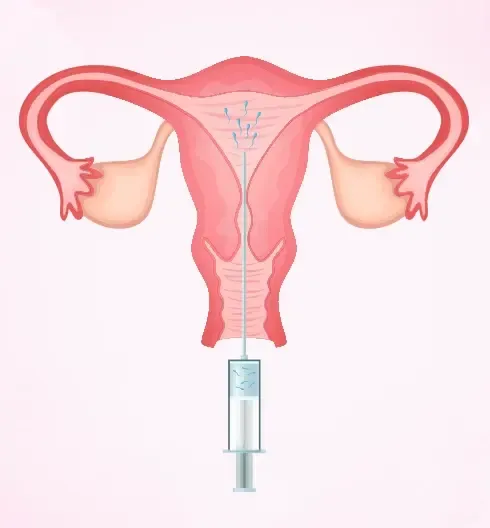
    diagram illustrating intrauterine insemination (IUI) procedure with uterus, sperm, and catheter labeled

    The Psychological Impact of Fertility Medications vs Surgical Procedures

    One of the main psychological effects of surgical procedures is the physical and emotional toll they can take on the body. These procedures can be physically demanding and involve multiple steps, from hormone injections to egg retrieval. This can cause discomfort, pain, and even side effects, such as bloating and mood swings. The emotional toll of the process, combined with the physical discomfort, can be overwhelming for individuals, leading to feelings of anxiety, stress, and even depression.

    Furthermore, surgical procedures can also have a significant financial burden on individuals and couples. IVF and other surgical procedures can be costly, and the financial strain of these treatments can add to the psychological impact. Couples may feel pressure to continue with the treatments, despite the financial strain, in hopes of achieving their dream of having a child. This can lead to feelings of guilt, frustration, and even resentment towards the process and each other.

    Comparison:
    While both fertility medications and surgical procedures can have a significant psychological impact on individuals and couples, there are some key differences between the two. Fertility medications can have a more immediate psychological impact due to the rollercoaster of emotions and uncertainty they bring. On the other hand, surgical procedures may have a longer-lasting psychological impact due to the physical and financial toll they take on individuals and couples.

    Another difference is the level of control individuals may have over these treatment options. With fertility medications, individuals have more control over the process, as they can administer the medications themselves and monitor their progress. However, with surgical procedures, individuals have less control, as they rely on medical professionals to perform the procedures and determine the success of the treatment.

    Ultimately, the psychological impact of fertility medications and surgical procedures depends on the individual’s coping mechanisms and support system. While these treatments can be challenging and emotionally draining, individuals can find solace in the support of their partner, family, and friends. Seeking therapy or joining support groups can also help individuals and couples cope with the psychological impact of fertility treatments.

    Conclusion:
    In conclusion, fertility medications and surgical procedures can both have a significant psychological impact on individuals and couples going through fertility treatments. The rollercoaster of emotions, physical discomfort, financial strain, and uncertainty can take a toll on individuals’ mental well-being. It is essential for individuals and couples to be aware of these potential psychological effects and seek support and coping mechanisms to navigate through the process successfully.

    Summary:
    Fertility issues can be a difficult and emotionally taxing experience for many couples, and the use of fertility medications and surgical procedures can have a significant psychological impact. Fertility medications can cause mood swings and anxiety, while the failure of these medications can lead to feelings of guilt and shame. On the other hand, surgical procedures can cause physical discomfort, financial strain, and feelings of anxiety and depression. The level of control and support individuals have during these treatments can also play a role in their psychological impact. Seeking support and coping mechanisms can help individuals and couples navigate through the process successfully.

  • The Psychological Effects of Failed At-Home Insemination Attempts

    Blog Post: The Psychological Effects of Failed At-Home Insemination Attempts

    In recent years, more and more couples have turned to at-home insemination as a way to start or expand their families. This method involves using a donor’s sperm and a syringe to manually inseminate oneself or one’s partner. While it may seem like a simple and cost-effective solution, the reality is that at-home insemination attempts can have a significant impact on a person’s mental health, especially when they are unsuccessful.

    The first and most obvious psychological effect of a failed at-home insemination attempt is disappointment. For many couples, the decision to try at-home insemination is not taken lightly. It involves a lot of planning, research, and emotional investment. When this method does not result in a successful pregnancy, it can feel like a huge letdown. The disappointment can be even more significant for those who have been trying for a long time or have already experienced multiple failed attempts.

    Another common psychological effect of failed at-home insemination attempts is self-blame. When a couple is unable to conceive, it is natural for them to question what they did wrong. In the case of at-home insemination, this self-blame can be amplified by the fact that the process relies on the couple’s ability to follow instructions and time the insemination correctly. This can lead to feelings of guilt and inadequacy, which can be damaging to one’s self-esteem.

    Along with self-blame, failed at-home insemination attempts can also cause feelings of insecurity and doubt. Many couples who try this method are already dealing with fertility issues, and a failed attempt can make them question if they will ever be able to conceive. This can create a sense of hopelessness and anxiety about the future. It can also strain the relationship between the couple, as they may start to doubt each other’s ability to conceive.

    Illustration of intrauterine insemination (IUI) procedure with syringe and catheter in the uterus.

    The Psychological Effects of Failed At-Home Insemination Attempts

    In some cases, failed at-home insemination attempts can also trigger feelings of grief and loss. For couples who have been trying to conceive for a long time, the hope of finally becoming pregnant can be shattered with each unsuccessful attempt. This can lead to a sense of loss and mourning for the child that they were hoping to have. It can also be a reminder of the fact that they may never be able to have a biological child, which can be a devastating realization for many couples.

    Aside from these emotional effects, failed at-home insemination attempts can also have a financial impact on the couple. While this method may be cheaper compared to other fertility treatments, it still involves some costs, such as purchasing the sperm and ovulation prediction kits. When these attempts fail, the couple may feel like they have wasted their money, adding to their disappointment and frustration.

    Furthermore, the stress and pressure of trying to conceive can also have a toll on a person’s mental health. Couples who are trying at-home insemination may experience heightened levels of stress, anxiety, and even depression. This can be especially true for those who have been trying for a long time or have experienced multiple failed attempts. The constant focus on trying to conceive can take a toll on one’s mental well-being, affecting their daily life and relationships.

    It is also worth noting that failed at-home insemination attempts can have a significant impact on LGBTQ+ couples. For same-sex couples, at-home insemination may be the only option to have a biological child, and the failure of this method can be especially devastating. It can also bring up feelings of exclusion and discrimination, as these couples may feel like they are being denied the opportunity to have a family.

    In conclusion, the psychological effects of failed at-home insemination attempts can be far-reaching and can have a profound impact on a person’s mental health. From disappointment and self-blame to grief and financial strain, these attempts can take a toll on a couple’s emotional well-being. It is essential for couples to acknowledge and address these effects and seek support from loved ones or mental health professionals when needed. Ultimately, the most important thing is to remember that fertility is a complex and unpredictable process, and a failed attempt does not define one’s worth as a parent or a person.

    Summary: At-home insemination attempts can have significant psychological effects on couples, including disappointment, self-blame, insecurity, grief, and financial strain. These attempts can also cause stress, anxiety, and depression and can be especially challenging for LGBTQ+ couples. It is crucial for couples to address these effects and seek support when needed, as a failed attempt does not define their worth as parents.

  • The Psychological Effects: Egg Retrieval vs Egg Sharing

    Blog Post:

    Egg retrieval and egg sharing are two different methods used in assisted reproductive technology (ART) where eggs are collected from a woman’s ovaries for fertilization in a laboratory. Both methods have their own unique psychological effects on the individuals involved. In this blog post, we will explore the psychological effects of egg retrieval and egg sharing, and how they differ from each other.

    Egg Retrieval:

    Egg retrieval is a procedure where eggs are surgically removed from a woman’s ovaries, usually under sedation or general anesthesia. This is done as part of the in vitro fertilization (IVF) process, where the eggs are then fertilized with sperm in a laboratory and the resulting embryos are transferred into the woman’s uterus. Egg retrieval is typically used when a woman wants to use her own eggs for IVF.

    The psychological effects of egg retrieval can vary from person to person, but there are some common experiences that many individuals go through. The first and most obvious effect is physical discomfort. The procedure itself is not painful, but the woman may experience bloating, cramping, and discomfort in the days following the procedure. This can be distressing for some individuals, especially if they are not prepared for it.

    Another psychological effect of egg retrieval is the emotional toll it can take on the individual. The process of IVF can be emotionally draining, and the egg retrieval procedure can add to this stress. The fear of the unknown, the anticipation of the outcome, and the pressure to produce enough eggs can all contribute to heightened emotions. This can lead to feelings of anxiety, depression, and even guilt if the procedure is not successful.

    In addition to the physical and emotional effects, egg retrieval can also have a financial impact. IVF is an expensive process and the cost of egg retrieval can add up. This can cause financial stress and anxiety, especially if the individual has already invested a significant amount of money in the IVF process.

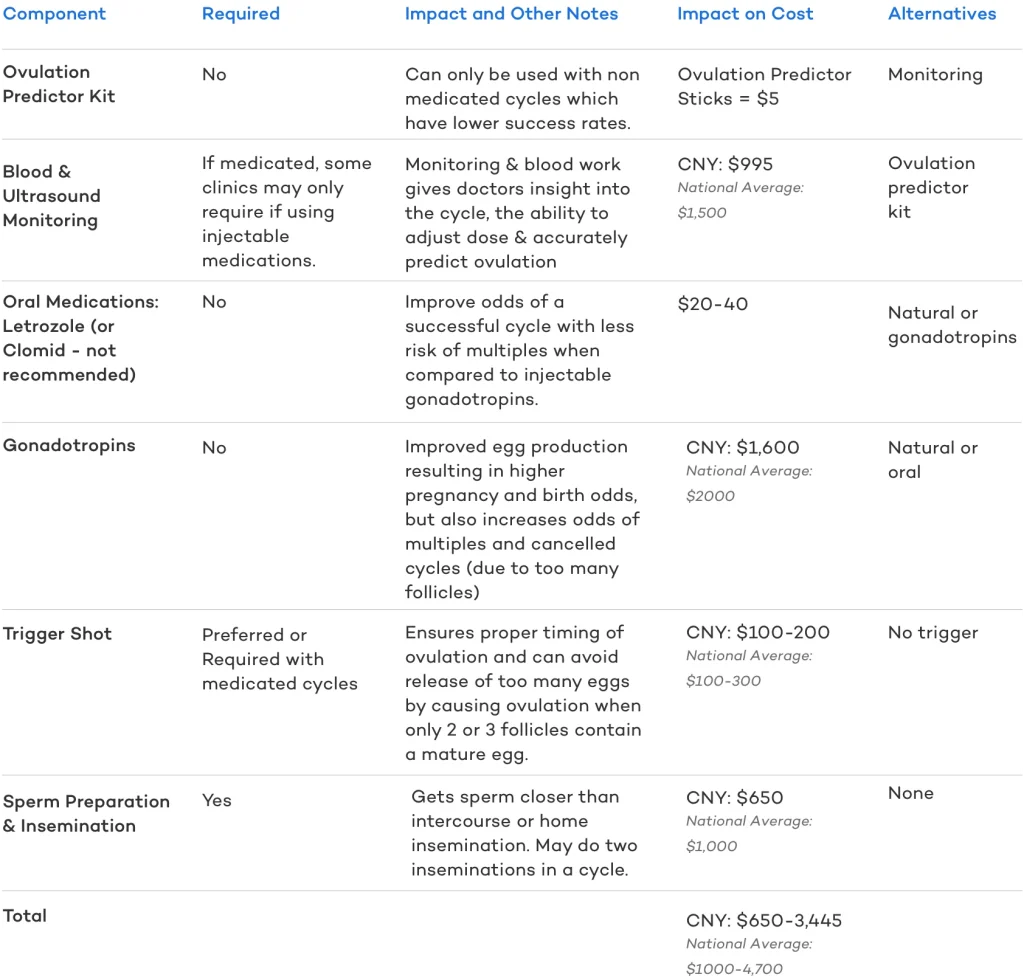
    Cost breakdown for IUI components, including requirements, impacts, and alternatives.

    The Psychological Effects: Egg Retrieval vs Egg Sharing

    Egg Sharing:

    Egg sharing, also known as egg donation, is a process where a woman donates her eggs to another individual or couple who are unable to use their own eggs. This is often done through a fertility clinic and the eggs are used for IVF. Egg sharing is a selfless act of generosity and can have a positive impact on both the donor and the recipient.

    The psychological effects of egg sharing are different from egg retrieval, as the individual donating their eggs is not going through the IVF process themselves. However, there are still some psychological effects that the donor may experience. One of the most common effects is a sense of pride and fulfillment from helping someone else achieve their dream of having a child. This can have a positive impact on the donor’s self-esteem and self-worth.

    On the other hand, egg sharing can also bring up feelings of loss and mourning for the donor. The process of donating eggs involves taking medications to stimulate egg production, and this can lead to a temporary increase in hormones. This hormonal shift can cause mood swings, similar to those experienced during premenstrual syndrome (PMS). In some cases, the donor may also feel a sense of loss for the eggs they have donated, as they are no longer a part of their body. This can be a difficult experience for some donors to process.

    Another psychological effect of egg sharing is the potential for a relationship between the donor and the recipient. In some cases, the donor and the recipient may meet and form a connection through the donation process. This can be a positive experience for both parties, as they share a common goal and bond over their journey.

    Summary:

    The psychological effects of egg retrieval and egg sharing can differ greatly, as they involve different experiences and emotions for the individuals involved. Egg retrieval can cause physical discomfort, emotional stress, and financial strain for the woman undergoing the procedure. On the other hand, egg sharing can bring feelings of pride, loss, and the potential for a relationship. It’s important for individuals considering these methods to understand and prepare for the potential psychological effects.

    In conclusion, egg retrieval and egg sharing are both viable options for individuals or couples looking to start a family through IVF. It’s important to consider the physical, emotional, and financial impacts of each method before making a decision. Ultimately, the most important thing is to find the method that feels right for you and your journey towards parenthood.

  • The Psychological Effects of Home Insemination and IVF for Same-Sex Couples

    Blog Post: The Psychological Effects of Home Insemination and IVF for Same-Sex Couples

    In recent years, there has been a significant increase in the number of same-sex couples who are choosing to start a family. With advancements in reproductive technology, options such as home insemination and in vitro fertilization (IVF) have become more accessible to these couples. While these methods have allowed same-sex couples to have biological children, they also bring about unique psychological effects that are important to understand.

    Home insemination is the process of placing sperm inside the female reproductive tract in order to fertilize an egg. This can be done at home with the use of a donor or through a medical professional. IVF, on the other hand, involves retrieving eggs from the female partner and fertilizing them with sperm in a laboratory setting. These methods offer same-sex couples the opportunity to have children who are genetically related to one or both partners. However, the decision to pursue home insemination or IVF can have a significant impact on the psychological well-being of the couple.

    One of the biggest psychological effects of home insemination and IVF for same-sex couples is the feeling of uncertainty and anxiety. Unlike heterosexual couples, same-sex couples do not have the option of conceiving a child naturally. This means that they have to rely on assisted reproductive technology, which can be a stressful and unpredictable process. The fear of failure or potential complications can cause a great deal of stress and anxiety for same-sex couples, especially when there is a financial investment involved.

    Another psychological effect that same-sex couples may experience is the pressure to choose the “right” donor. Unlike heterosexual couples, same-sex couples have the option to choose a donor who shares similar physical characteristics or personality traits with one partner. This decision can be overwhelming and can lead to feelings of guilt or inadequacy if the child does not turn out as expected. Additionally, the process of choosing a donor can also bring up questions about the child’s identity and sense of belonging in the future.

    The process of home insemination and IVF also involves a great deal of planning and coordination. This may involve scheduling appointments, taking medications, and monitoring fertility cycles. This can be a source of stress and strain on the relationship, as it requires a significant amount of time and effort from both partners. The added pressure of trying to conceive can also put a strain on the couple’s sex life, leading to feelings of frustration or disappointment.

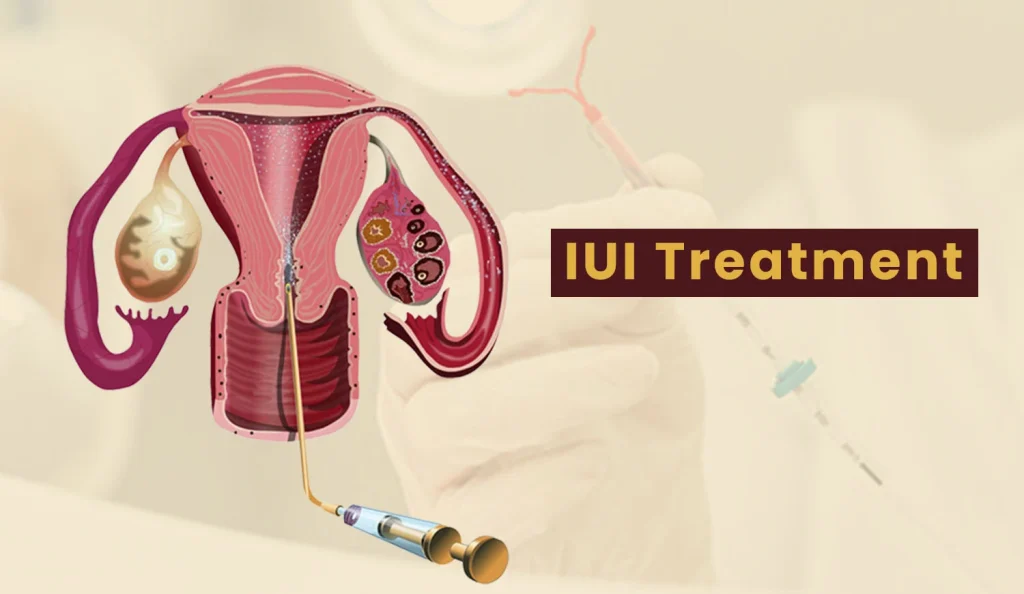
    illustration of the uterus and ovaries with a syringe, labeled "IUI Treatment" in the background

    The Psychological Effects of Home Insemination and IVF for Same-Sex Couples

    For same-sex couples, the decision to have a child through home insemination or IVF also means exposing their relationship and family structure to potential discrimination and stigma. Despite progress in LGBTQ+ rights, there are still many individuals and institutions that may not fully accept or understand same-sex parenting. This can lead to feelings of isolation and fear of judgment, which can have a negative impact on the mental health of the couple.

    However, despite these potential challenges, home insemination and IVF can also bring about positive psychological effects for same-sex couples. The process of planning and working together towards a common goal can strengthen the bond between partners. The opportunity to have a child who is biologically related to one or both partners can also bring a sense of fulfillment and a deeper connection to the family.

    Furthermore, same-sex couples who have gone through the process of home insemination or IVF often report feeling a stronger sense of resilience and empowerment. The decision to start a family through assisted reproductive technology requires a great deal of courage and determination, and the success of these methods can boost the couple’s confidence and self-esteem.

    In conclusion, the decision to pursue home insemination or IVF for same-sex couples is a complex and personal one that can have a range of psychological effects. While it can bring about feelings of uncertainty and stress, it can also strengthen the bond between partners and provide a sense of fulfillment and empowerment. It is important for same-sex couples considering these methods to have open and honest communication with each other and to seek support from healthcare professionals and the LGBTQ+ community.

    Summary:

    Home insemination and IVF are reproductive options that have become more accessible to same-sex couples in recent years. While these methods offer the opportunity to have biological children, they also bring about unique psychological effects. These include feelings of uncertainty and anxiety, pressure to choose the “right” donor, strain on the relationship, and potential discrimination and stigma. However, they can also strengthen the bond between partners and provide a sense of resilience and empowerment. It is important for same-sex couples to have open communication and seek support from healthcare professionals and the LGBTQ+ community.

  • The Psychological Effects of Using Sperm Banks vs Known Donors

    In today’s world, there are various methods available for individuals and couples to conceive a child, including sperm donation. Within the realm of sperm donation, there are two main options – using a sperm bank or using a known donor. While both options have their benefits and drawbacks, it is important to understand the psychological effects that may arise from each choice.

    Sperm banks, also known as fertility clinics, are facilities that collect, store and distribute donor sperm for use in assisted reproductive technologies. These banks have strict regulations and protocols to ensure the safety and quality of the sperm. On the other hand, known donors are individuals who donate sperm directly to the recipient, usually a friend or acquaintance, without the involvement of a sperm bank.

    One of the major psychological impacts of using a sperm bank is the loss of genetic connection to the child. For many individuals, the desire to have a child with their own genetic material is strong. When using a sperm bank, this connection is lost, and some may feel a sense of grief or loss over not being able to pass on their genes. This can also lead to questions and concerns about the child’s identity and whether they will feel a sense of belonging in the family.

    In contrast, using a known donor allows for a genetic connection to the child. This can alleviate the feelings of loss and grief mentioned above. However, it can also bring about its own set of psychological challenges. For example, the involvement of a known donor may complicate family dynamics and relationships. In cases where the donor is a friend or acquaintance, there may be blurred boundaries and expectations, which can lead to tension and conflicts.

    Illustration of a uterus with a syringe indicating an intrauterine insemination procedure.

    The Psychological Effects of Using Sperm Banks vs Known Donors

    Another psychological effect to consider is the potential impact on the child. Children conceived through sperm donation may experience feelings of curiosity and a desire to know their biological father. This can lead to questions about their identity and feelings of being different from their peers. On the other hand, children conceived through a known donor may have to navigate the complexities of having multiple parental figures in their life.

    In addition to the effects on the individuals involved, the choice between sperm banks and known donors can also have an impact on the relationship between the recipient and their partner. In cases where a partner is infertile or has a low sperm count, using donor sperm can cause feelings of inadequacy and insecurity. On the other hand, involving a known donor can lead to feelings of jealousy and insecurity within the relationship, particularly if there is a close connection between the donor and the recipient.

    It is also important to consider the legal and ethical implications of using sperm banks versus known donors. Sperm banks have strict protocols and regulations in place to protect the rights of both the donor and the recipient. This can provide a sense of security for all parties involved. In contrast, using a known donor may leave the recipient and the child vulnerable to potential legal and ethical issues, such as custody battles or access to medical information.

    Ultimately, the decision between using a sperm bank or a known donor is a personal one and should be carefully considered. Both options have their own set of psychological effects that need to be taken into account. It is important for individuals and couples to have open and honest discussions about their desires, concerns and expectations before making a decision.

    In conclusion, the use of sperm banks versus known donors for conception can have significant psychological effects on all parties involved. These effects can range from the loss of genetic connection and identity concerns to potential legal and ethical issues. It is crucial for individuals and couples to thoroughly consider these factors and have open communication before making a decision. Seeking the guidance of a therapist or counselor can also be beneficial in navigating the psychological impacts of using sperm banks or known donors.

  • The Psychological Effects of Egg Donation and Egg Freezing

    Blog Post:

    Egg donation and egg freezing have become increasingly popular options for women who are struggling with fertility issues or want to delay pregnancy for personal or medical reasons. While these procedures can offer hope and possibilities for many, they also come with their own set of psychological effects. In this blog post, we will explore the psychological impact of egg donation and egg freezing on both the donor and the recipient.

    Egg Donation:

    Egg donation involves retrieving eggs from a woman’s ovaries and fertilizing them with sperm in a laboratory. The resulting embryos are then transferred into the uterus of the intended mother or a gestational carrier. This process can be physically demanding and time-consuming, but it also has significant psychological implications for both the donor and the recipient.

    For the recipient, egg donation can bring feelings of inadequacy and loss. Many women who choose this option have struggled with infertility and may feel like they have failed in some way. This can lead to feelings of shame, guilt, and even anger towards their own body. The constant reminder of needing someone else’s eggs to become pregnant can also be emotionally challenging.

    On the other hand, the egg donor may experience a range of emotions, from altruism and pride to anxiety and regret. While the act of donating eggs can be seen as a selfless and generous act, it can also bring up questions about identity and genetic ties. The donor may also worry about the potential health risks associated with the procedure and the long-term effects on their fertility.

    Furthermore, the process of egg donation can also create a power dynamic between the donor and the recipient. The recipient may feel a sense of control and ownership over the donor’s eggs, while the donor may feel a loss of control or ownership over their own reproductive material. This can lead to feelings of resentment or resentment towards each other.

    Egg Freezing:

    Egg freezing, also known as oocyte cryopreservation, involves retrieving eggs from a woman’s ovaries and freezing them for future use. This procedure has gained popularity in recent years as a way for women to preserve their fertility and delay childbearing. However, it also has psychological effects that should be considered.

    For women who choose to freeze their eggs, there may be a sense of relief and empowerment in having a backup plan for their fertility. This can be especially beneficial for women who are not ready to have children at the present moment, but want to keep the option open for the future. However, there can also be a sense of pressure and anxiety to make the “right” decision about when to use the frozen eggs.

    diagram of a uterus with a syringe for intrauterine insemination procedure

    The Psychological Effects of Egg Donation and Egg Freezing

    Additionally, egg freezing can also bring up concerns about mortality and the fear of not being able to have children in the future. This can cause distress and anxiety, especially for women who have not yet found a partner or are not financially stable enough to have a child.

    For women who have already gone through the process of egg freezing and are now considering using the frozen eggs, there may be a sense of pressure and expectation to have a successful pregnancy. This can lead to added stress and disappointment if the procedure does not result in a viable pregnancy.

    Social Stigma:

    Both egg donation and egg freezing can also come with the burden of social stigma. Many people still view infertility and assisted reproductive technology as taboo subjects, which can make it difficult for women to openly discuss their experiences. This can lead to feelings of isolation and shame, causing further psychological distress.

    Moreover, there can also be societal pressures and expectations surrounding motherhood and fertility. Women who choose to donate their eggs or freeze their eggs may face judgment and criticism for not conforming to traditional expectations of becoming a mother.

    Seeking Support:

    It is essential for both the donor and recipient to seek emotional support throughout the process of egg donation or egg freezing. This can include therapy, support groups, or talking to friends and family. Having a safe space to express one’s feelings and concerns can help alleviate some of the psychological effects of these procedures.

    Furthermore, it is crucial for women to educate themselves about the psychological implications of egg donation and egg freezing before making a decision. Being well-informed can help individuals prepare for the potential challenges and seek support when needed.

    In conclusion, egg donation and egg freezing can offer hope and opportunities for women who are struggling with fertility issues or want to delay pregnancy. However, these procedures also come with their own set of psychological effects, such as feelings of inadequacy, loss, and social stigma. It is crucial for individuals to seek support and educate themselves about these implications before making a decision. With proper support and understanding, women can navigate these procedures with more ease and make informed choices about their reproductive health.

    Summary:

    Egg donation and egg freezing have become popular options for women struggling with fertility issues or wanting to delay pregnancy. However, these procedures have psychological effects on both the donor and the recipient. Egg donation can bring feelings of inadequacy and loss for the recipient, while the donor may experience a range of emotions, from altruism to anxiety. Egg freezing can bring a sense of empowerment for women, but also concerns about mortality and pressure to make the “right” decision. Social stigma and societal expectations can also add to the psychological burden of these procedures. Seeking emotional support and educating oneself about these implications is crucial for navigating these procedures. With proper support, women can make informed choices about their reproductive health.