Egg donation and egg freezing are two options available for women who want to preserve their fertility. Both procedures involve the extraction and storage of a woman’s eggs for future use. However, the role of age plays a significant factor in determining the success of these procedures. In this blog post, we will explore the differences between egg donation and egg freezing and the impact of age on each option.
Egg Donation:
Egg donation is a process where a woman donates her eggs to another woman who is unable to produce viable eggs for pregnancy. The donated eggs are fertilized with the sperm of the recipient’s partner or a donor and transferred to the recipient’s uterus. This option is usually chosen by women who have fertility issues, advanced maternal age, or genetic conditions that may affect their ability to conceive.
The success rate of egg donation is high, with a live birth rate of over 50% per cycle. This is because the eggs used for donation are typically from younger and healthier donors, resulting in higher quality embryos. Age is not a significant factor for the recipient, as long as she is healthy and able to carry a pregnancy to term.
However, for the donor, age plays a crucial role. Most egg donation agencies have a cut-off age of 35 for donors, as the quality and quantity of eggs decline significantly after this age. This is because a woman is born with all the eggs she will ever have, and as she ages, the number of eggs decreases, and the remaining eggs may have genetic abnormalities, making them unsuitable for donation.
Egg Freezing:
Egg freezing, also known as oocyte cryopreservation, is a process where a woman’s eggs are extracted and preserved for future use. This option is usually chosen by women who want to delay pregnancy for personal or medical reasons. The eggs are extracted, frozen, and stored until the woman is ready to use them for pregnancy.
The success rate of egg freezing is highly dependent on the age at which the eggs are frozen. The younger the woman is when she freezes her eggs, the higher the chances of success. This is because younger eggs have a higher chance of survival during the freezing and thawing process and are less likely to have genetic abnormalities.
Ideally, women should freeze their eggs before the age of 35 to have the best chance of success. After this age, the quality and quantity of eggs decline, making it more challenging to produce viable embryos. However, even with younger eggs, the success rate of egg freezing is not guaranteed, and it may take multiple cycles of egg retrieval and thawing to achieve a successful pregnancy.
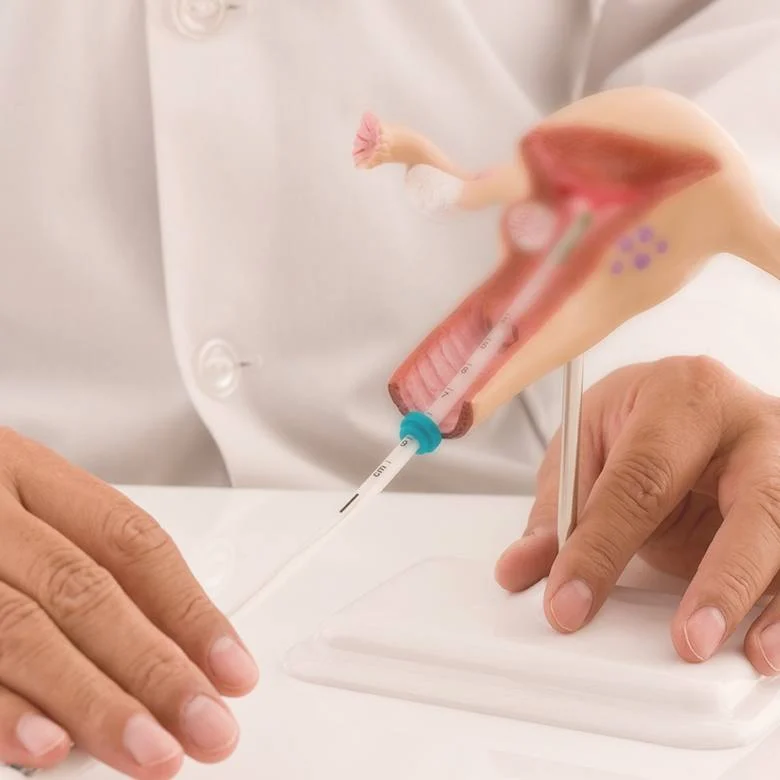
Egg Donation vs Egg Freezing: The Role of Age
Age is also a crucial factor for women who want to use their frozen eggs for pregnancy. Women over the age of 35 may face challenges with conceiving and carrying a pregnancy to term, even with the use of frozen eggs. This is because the quality of their eggs may have declined, and they may be more prone to pregnancy complications.
The Role of Age:
The success rates of both egg donation and egg freezing are heavily influenced by age. As mentioned earlier, the quality and quantity of a woman’s eggs decline significantly after the age of 35. This means that women who choose to delay pregnancy until their late 30s or 40s may face difficulties with conceiving, even with the help of assisted reproductive technology.
Moreover, age also plays a role in the overall health and fertility of a woman. As a woman ages, she may be more prone to medical conditions that can affect her ability to conceive and carry a pregnancy. This includes conditions like endometriosis, uterine fibroids, and polycystic ovary syndrome (PCOS). These conditions may require medical intervention, making it more challenging for women to conceive naturally or with the use of assisted reproductive technology.
Furthermore, age also affects the quality of a woman’s eggs, which can impact the success of both egg donation and egg freezing. As a woman ages, the chances of producing viable embryos decrease, making it more challenging to achieve a successful pregnancy.
Summary:
Egg donation and egg freezing are two options available for women who want to preserve their fertility. Egg donation involves the donation of eggs to another woman, while egg freezing involves the extraction and storage of a woman’s eggs for future use. Both procedures have high success rates, but age plays a significant role in determining the success of each option.
For egg donation, age is a crucial factor for the donor, as the quality and quantity of eggs decline significantly after the age of 35. For egg freezing, the success rate is highly dependent on the age at which the eggs are frozen, with younger eggs having a higher chance of success. However, even with younger eggs, age can still impact the success of using frozen eggs for pregnancy.
Overall, age is a critical factor in fertility and can greatly impact a woman’s options for preserving her fertility. Women who are considering egg donation or egg freezing should be aware of the role of age and make informed decisions based on their individual circumstances.