Egg donation and egg freezing are two medical procedures that have given hope to many people struggling with fertility issues. These procedures involve the extraction and preservation of a woman’s eggs, which can then be used for assisted reproductive techniques. While they have been around for several decades, they have gained more attention and popularity in recent years as more women choose to delay motherhood for various reasons. In this blog post, we will explore the journey of egg donation and egg freezing and how they have given hope to many individuals and couples hoping to start a family.
The decision to become an egg donor or to freeze one’s eggs is not an easy one. It often involves facing personal and societal pressures, as well as dealing with medical procedures and emotional challenges. However, for many individuals and couples, these procedures have been the light at the end of a tunnel, offering them a chance at parenthood and fulfilling their dreams.
Let’s first understand what egg donation and egg freezing are and how they work.
Egg donation is a process in which a woman, known as the “donor,” donates her eggs to another woman, known as the “recipient.” The donor’s eggs are retrieved through a minor surgical procedure known as “egg retrieval.” The eggs are then fertilized with the sperm of the recipient’s partner or a donor through in vitro fertilization (IVF). The resulting embryos are then transferred to the recipient’s uterus, where they can implant and develop into a pregnancy.
On the other hand, egg freezing, also known as oocyte cryopreservation, is a process in which a woman’s eggs are retrieved and frozen for future use. The eggs are stored in a specialized facility until the woman is ready to use them. When she is ready to use the eggs, they are thawed, fertilized with sperm, and transferred to the uterus through IVF.
Now that we have a basic understanding of these procedures, let’s dive into the journey of hope that egg donation and egg freezing have offered to many individuals and couples.
For many women, egg donation has been a way to help others while also receiving compensation for their time and effort. The process of egg donation involves several steps, including a thorough medical and psychological evaluation, hormone injections to stimulate egg production, and the actual egg retrieval procedure. These steps can take several weeks to complete, and the donor’s health and well-being are closely monitored throughout the process. The compensation for egg donation can range from a few thousand dollars to up to $10,000, depending on the clinic and the donor’s characteristics.
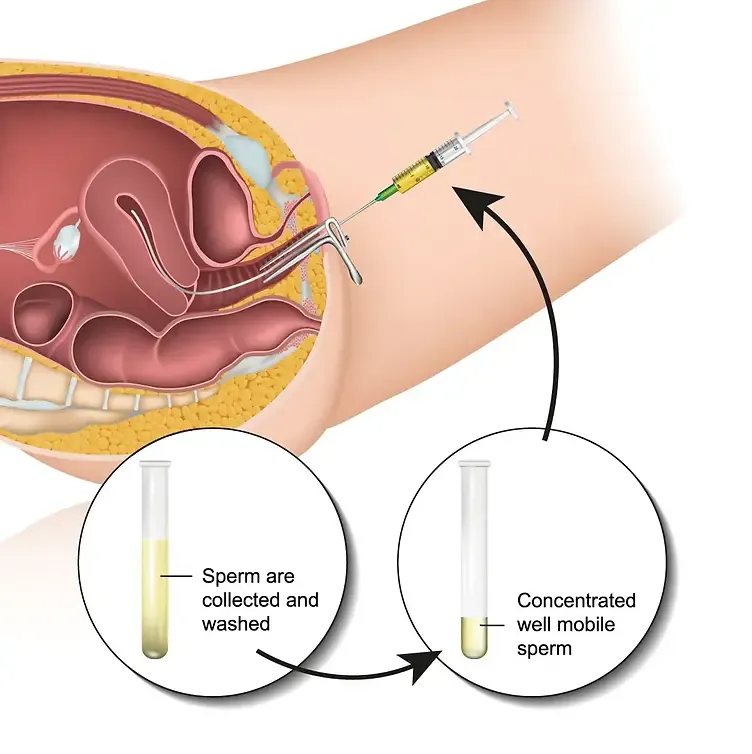
Egg Donation and Egg Freezing: A Journey of Hope
For the recipient, egg donation is often the last resort after trying various other fertility treatments without success. It can offer them a chance at becoming pregnant and starting a family, even if they are unable to produce viable eggs on their own. The process of matching a donor with a recipient involves a thorough evaluation of the donor’s characteristics, such as physical appearance, education, and medical history, to ensure the best possible outcome for the recipient.
The journey of egg donation is not without its challenges, both for the donor and the recipient. It can be emotionally and physically demanding for the donor, and the recipient may also face emotional challenges, such as feeling disconnected from the child genetically. However, for those who have been successful in their egg donation journey, the rewards are immeasurable. They have been able to give the gift of life to others and fulfill their own desire to become parents.
Similarly, egg freezing has also given hope to many women who wish to delay motherhood. In today’s society, many women choose to focus on their careers or other life goals before starting a family. However, as a woman ages, the quality and quantity of her eggs decline, making it more challenging to conceive. Egg freezing offers women the opportunity to preserve their eggs at a younger age when they are of better quality and use them when they are ready to start a family.
The process of egg freezing involves similar steps as egg donation, with the addition of the eggs being frozen instead of fertilized and transferred immediately. Once the eggs are retrieved, they are cryopreserved and stored until the woman is ready to use them. The success rates of using frozen eggs for pregnancy are comparable to using fresh eggs, giving women a good chance at achieving their dream of becoming a mother in the future.
For many individuals and couples, egg donation and egg freezing have been the light at the end of a dark tunnel. They have given hope where there was once despair and have helped create families that may not have been possible otherwise. However, it is essential to note that these procedures are not without their limitations and ethical considerations. Egg donation and egg freezing come with their own set of challenges and decisions that individuals and couples must carefully consider before embarking on their journey.
In conclusion, the journey of egg donation and egg freezing is a complex and emotional one, but it has given hope to many individuals and couples struggling with fertility issues. These procedures have offered an opportunity for individuals to help others and for women to delay motherhood without compromising their chances of having a biological child. While they may not be the perfect solution for everyone, they have undoubtedly been a source of hope and joy for many.
In summary, egg donation and egg freezing are medical procedures that involve the extraction and preservation of a woman’s eggs for assisted reproductive techniques. They have been a source of hope for individuals and couples struggling with fertility issues, offering them a chance at parenthood and fulfilling their dreams. Egg donation involves the donation of eggs from one woman to another, while egg freezing allows women to preserve their eggs for future use. Both procedures come with their own set of challenges and ethical considerations, but they have given hope and created families that may not have been possible otherwise.