Blog Post Title: Egg Donation vs Egg Freezing: A Comparison of Costs
Egg donation and egg freezing are two popular options for women who want to preserve their fertility or help others in need of donor eggs. While both procedures involve the harvesting and preservation of eggs, they have different purposes and costs. In this blog post, we will compare the costs associated with egg donation and egg freezing, so you can make an informed decision on which option is best for you.
Egg Donation Costs
Egg donation is the process of retrieving eggs from a woman (known as the donor) and fertilizing them with sperm in a laboratory. The resulting embryos are then transferred to the uterus of a woman (known as the recipient) who is unable to produce viable eggs. The cost of egg donation can vary depending on several factors such as the location, clinic, and individual circumstances. However, on average, the cost of egg donation in the United States ranges from $25,000 to $40,000.
One of the main factors that contribute to the high cost of egg donation is the compensation for the donor. Donors are typically paid between $5,000 and $10,000 for their time, effort, and potential risks associated with the procedure. This compensation is intended to cover the donor’s medical expenses, time off work, and any discomfort or side effects experienced during the egg retrieval process.
In addition to the donor’s compensation, there are other costs involved in egg donation, including medical and screening fees, legal fees, and medication costs. These additional expenses can quickly add up, making egg donation a significant financial commitment.
Egg Freezing Costs
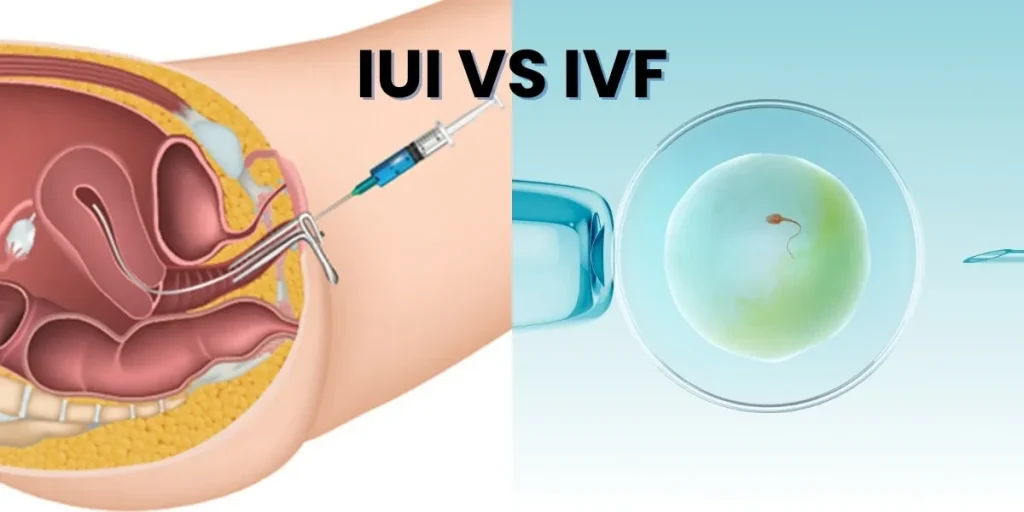
Egg Donation vs Egg Freezing: A Comparison of Costs
Egg freezing, also known as oocyte cryopreservation, is the process of retrieving a woman’s eggs and freezing them for later use. This procedure is typically recommended for women who want to delay pregnancy, preserve their fertility due to medical reasons, or have a high risk of infertility. The cost of egg freezing can vary depending on the location and clinic, but on average, it ranges from $5,000 to $10,000 for one cycle.
The main cost associated with egg freezing is the retrieval and freezing of the eggs. This involves hormone injections to stimulate the ovaries, followed by a minor surgical procedure to retrieve the eggs. The cost of medication and anesthesia is also included in this fee. Once the eggs are retrieved, they are then frozen and stored until the woman is ready to use them.
Unlike egg donation, there is no donor compensation involved in egg freezing, which significantly reduces the overall cost. However, there are ongoing storage fees for the frozen eggs, which can range from $500 to $1,000 per year.
Other Factors to Consider
In addition to the direct costs, there are other factors to consider when deciding between egg donation and egg freezing. For egg donation, there is a higher success rate as the embryos are created using donor eggs from a young and healthy woman. On the other hand, egg freezing does not guarantee a successful pregnancy as the quality of the frozen eggs may decrease over time.
Another factor to consider is the timeline. Egg donation involves coordinating the schedules of both the donor and recipient, which can take several months to a year. In contrast, egg freezing can be done at the woman’s convenience and does not require coordination with another person’s schedule.
Summary:
Egg donation and egg freezing are two options available for women who want to preserve their fertility or help others in need. Egg donation involves the retrieval of eggs from a donor and fertilizing them with sperm in a laboratory, while egg freezing involves retrieving and freezing a woman’s own eggs for future use. The cost of egg donation can range from $25,000 to $40,000, while egg freezing costs $5,000 to $10,000 per cycle. Egg donation involves donor compensation, medical and screening fees, legal fees, and medication costs, while egg freezing only involves the retrieval and freezing of eggs. Other factors to consider include success rates and timelines.