Tag: PCOS

  • Fertility Supplements for PCOS: Managing Symptoms and Improving Fertility

    Blog Post Summary:

    Polycystic Ovary Syndrome (PCOS) is a common hormonal disorder that affects women of reproductive age. It is characterized by multiple cysts on the ovaries, irregular periods, and excess male hormones, which can lead to symptoms such as acne, weight gain, and fertility issues. While there is no cure for PCOS, certain lifestyle changes and fertility supplements can help manage symptoms and improve fertility. In this blog post, we will explore the best fertility supplements for PCOS and how they can help women with this condition achieve their dream of starting a family.

    Firstly, it is important to note that every woman’s experience with PCOS is different, and what works for one person may not work for another. It is always best to consult with a healthcare professional before starting any supplements. With that being said, let’s dive into the top fertility supplements for PCOS.

    1. Inositol
    Inositol is a type of sugar that is naturally produced in the body and plays a crucial role in regulating insulin levels. Women with PCOS often have insulin resistance, which can affect their menstrual cycle and ovulation. Studies have shown that inositol can improve insulin sensitivity and regulate menstrual cycles in women with PCOS. It has also been found to improve egg quality and increase the chances of ovulation and pregnancy.

    2. Vitex
    Vitex, also known as chasteberry, is a herb that has been used for centuries to treat hormonal imbalances in women. It works by stimulating the production of luteinizing hormone (LH) and inhibiting the production of follicle-stimulating hormone (FSH). This helps to regulate the menstrual cycle and promote ovulation. Vitex has also been found to improve fertility in women with PCOS, making it a popular choice among those trying to conceive.
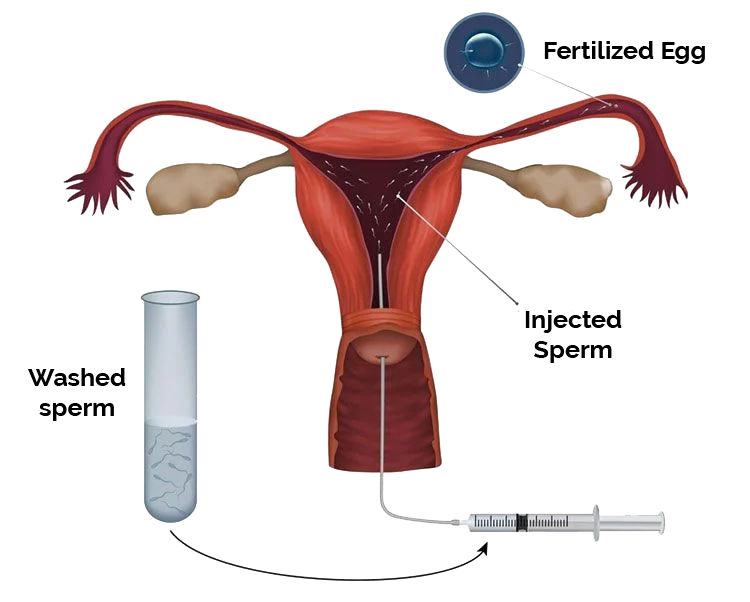
    diagram of the female reproductive system with an IUI syringe and test tube for artificial insemination

    Fertility Supplements for PCOS: Managing Symptoms and Improving Fertility

    3. N-acetylcysteine (NAC)
    NAC is an amino acid that acts as a powerful antioxidant in the body. It has been found to improve insulin sensitivity and reduce insulin resistance in women with PCOS. This can help regulate menstrual cycles and promote ovulation. Additionally, NAC has been shown to improve the quality of cervical mucus, making it easier for sperm to reach and fertilize the egg.

    4. Myo-inositol and D-chiro-inositol (DCI)
    Myo-inositol and D-chiro-inositol are two forms of inositol that work together to regulate insulin levels and improve fertility in women with PCOS. Studies have shown that a combination of these two forms of inositol can improve ovulation and pregnancy rates in women with PCOS. It can also help reduce androgen levels, leading to a reduction in symptoms such as acne and excess hair growth.

    5. Coenzyme Q10 (CoQ10)
    CoQ10 is a powerful antioxidant that is essential for energy production in the body. It has been found to improve egg quality and ovarian function in women with PCOS. Additionally, CoQ10 can help reduce oxidative stress, which is often elevated in women with this condition. This can have a positive impact on fertility and increase the chances of conceiving.

    6. Omega-3 Fatty Acids
    Omega-3 fatty acids, particularly EPA and DHA, are essential for reproductive health. They have anti-inflammatory properties and can help regulate hormones in women with PCOS. Studies have shown that supplementing with omega-3 fatty acids can improve ovulation and pregnancy rates in women with this condition. It can also help reduce symptoms such as acne and hirsutism.

    In addition to these supplements, there are also other lifestyle changes that can help manage PCOS and improve fertility. These include maintaining a healthy weight, exercising regularly, and following a balanced diet that is low in refined carbohydrates and high in whole foods. It is also important to manage stress levels, as high levels of stress can worsen PCOS symptoms.

    In conclusion, while there is no one-size-fits-all solution for managing PCOS and improving fertility, the use of fertility supplements can be beneficial for women with this condition. Inositol, vitex, NAC, inositol and DCI, CoQ10, and omega-3 fatty acids are some of the top supplements that have been found to be effective in regulating hormones, improving insulin sensitivity, and promoting ovulation and pregnancy. As always, it is important to consult with a healthcare professional before starting any new supplements and to make lifestyle changes that support overall health and well-being.

  • Fertility Nutrition for Women with Polycystic Ovary Syndrome (PCOS): Managing Symptoms with Diet

    Polycystic Ovary Syndrome (PCOS) is a common hormonal disorder that affects up to 10% of women of reproductive age. It is characterized by irregular periods, ovarian cysts, and high levels of androgens (male hormones). One of the major concerns for women with PCOS is fertility, as it can make it more difficult to get pregnant. However, research has shown that nutrition and lifestyle changes can play a crucial role in managing PCOS symptoms and improving fertility. In this blog post, we will discuss the importance of nutrition in managing PCOS and provide tips on how to create a fertility-focused diet plan for women with PCOS.

    Understanding the Link Between PCOS and Nutrition
    PCOS is a complex condition with various contributing factors, including genetics, insulin resistance, and inflammation. However, research has shown that diet and lifestyle habits can also play a significant role in the development and management of PCOS. One of the main issues for women with PCOS is insulin resistance, which can lead to high levels of insulin and glucose in the blood. This can disrupt hormone levels and contribute to symptoms such as irregular periods and weight gain.

    Furthermore, women with PCOS tend to have higher levels of inflammation in their bodies, which can worsen insulin resistance and contribute to other symptoms such as acne and hair growth. Therefore, a diet that focuses on managing insulin levels and reducing inflammation can be beneficial for women with PCOS.

    Creating a Fertility-Focused Diet Plan for PCOS
    When it comes to managing PCOS symptoms and improving fertility, there is no one-size-fits-all approach. However, incorporating certain dietary principles can help regulate hormone levels and improve overall health for women with PCOS. Here are some tips for creating a fertility-focused diet plan for PCOS:

    1. Focus on whole, nutrient-dense foods: A diet rich in whole, unprocessed foods can provide essential nutrients and antioxidants to support hormone balance and reduce inflammation. Make sure to include a variety of fruits, vegetables, whole grains, lean proteins, and healthy fats in your meals.

    2. Choose low glycemic index (GI) foods: Foods with a low GI score cause a slower rise in blood sugar levels, which can be beneficial for women with PCOS who struggle with insulin resistance. Some examples of low GI foods include whole grains, legumes, and non-starchy vegetables.

    3. Include healthy fats: Healthy fats, such as avocados, nuts, and olive oil, can help improve insulin sensitivity and reduce inflammation. They also play a crucial role in hormone production and balance.

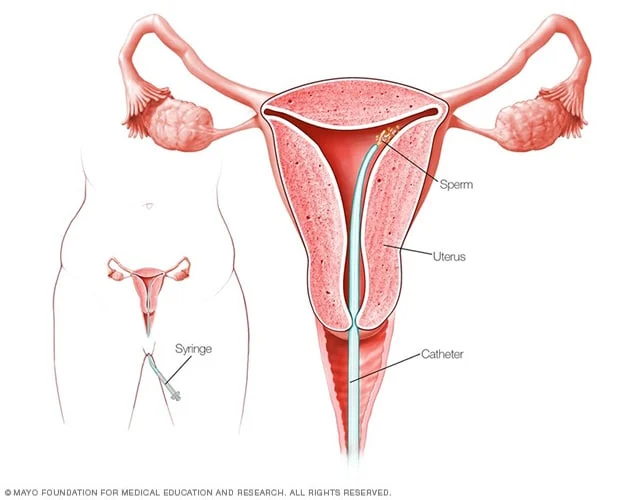
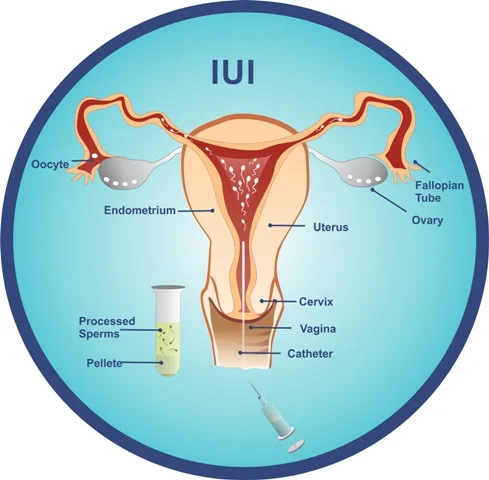
    diagram illustrating intrauterine insemination (IUI) with labeled reproductive anatomy and procedures

    Fertility Nutrition for Women with Polycystic Ovary Syndrome (PCOS): Managing Symptoms with Diet

    4. Limit refined carbs and sugars: Refined carbohydrates and added sugars can cause a spike in blood sugar levels and worsen insulin resistance. Limiting these foods can help regulate hormone levels and improve fertility.

    5. Consider supplements: Some women with PCOS may benefit from supplements such as inositol, omega-3 fatty acids, and vitamin D. Consult with a healthcare professional to determine which supplements may be beneficial for you.

    6. Stay hydrated: Adequate water intake is essential for overall health and can also help improve insulin sensitivity. Aim for at least 8 glasses of water per day.

    7. Be mindful of portion sizes: Women with PCOS may have a higher risk of weight gain and obesity, which can worsen symptoms and fertility. Be mindful of portion sizes and aim for a balanced diet to maintain a healthy weight.

    In addition to these dietary tips, it is also essential to incorporate regular physical activity into your routine. Exercise can help improve insulin sensitivity, regulate hormone levels, and reduce inflammation in the body.

    Final Thoughts
    Managing PCOS symptoms and improving fertility through diet and lifestyle changes may take time and effort, but the benefits are worth it. It is essential to remember that every woman’s body is different, and what works for one may not work for another. It is crucial to consult with a healthcare professional or a registered dietitian who specializes in PCOS to create a personalized diet plan that suits your needs and goals.

    In summary, PCOS is a complex condition that can significantly impact a woman’s fertility. However, incorporating specific dietary principles such as focusing on whole, nutrient-dense foods, choosing low GI options, limiting refined carbs and sugars, and staying hydrated can help manage symptoms and improve fertility. Along with regular physical activity and potentially targeted supplements, a fertility-focused diet can play a crucial role in managing PCOS and supporting overall health.

  • Fertility Nutrition and PCOS: How Diet Can Help Manage Symptoms

    Blog Post:

    Polycystic Ovary Syndrome (PCOS) is a common hormonal disorder that affects about 1 in 10 women of reproductive age. It is characterized by irregular menstrual cycles, excess male hormones (androgens), and polycystic ovaries. PCOS can cause a range of symptoms such as weight gain, acne, excess hair growth, and fertility problems. While there is no known cure for PCOS, a healthy diet and lifestyle can help manage its symptoms.

    One of the key factors in managing PCOS through diet is maintaining a healthy weight. Women with PCOS often struggle with weight gain due to insulin resistance, a condition in which the body’s cells do not respond properly to insulin. Insulin is a hormone that helps regulate blood sugar levels, and when the body becomes resistant to it, it can lead to weight gain and difficulty losing weight. Therefore, following a balanced and nutritious diet can help improve insulin sensitivity and manage weight in women with PCOS.

    Here are some dietary recommendations for managing PCOS symptoms:

    1. Focus on whole, nutrient-dense foods: A diet rich in whole foods such as fruits, vegetables, whole grains, and lean protein sources can help improve insulin sensitivity and promote weight loss. These foods are also rich in essential vitamins, minerals, and antioxidants, which can help reduce inflammation and support hormone balance.

    2. Include healthy fats: Healthy fats, such as monounsaturated and polyunsaturated fats found in avocados, nuts, seeds, and fatty fish, can help improve insulin sensitivity and reduce inflammation. These fats are also essential for hormone production and can help regulate menstrual cycles.

    3. Limit refined carbohydrates and sugars: Refined carbohydrates and sugars, such as white bread, pasta, and sugary drinks, can cause a spike in blood sugar levels and worsen insulin resistance. It is best to limit or avoid these foods and opt for complex carbohydrates, such as whole grains and legumes, which are digested more slowly and have a lower impact on blood sugar levels.

    4. Choose lean protein sources: Including lean protein sources, such as chicken, fish, tofu, and legumes, can help improve insulin sensitivity and promote weight loss. Protein also helps keep you feeling full and satisfied, which can prevent overeating and weight gain.

    5. Eat regularly and avoid skipping meals: Skipping meals or going long periods without eating can cause blood sugar levels to drop, leading to cravings and overeating. Eating regular meals and snacks can help stabilize blood sugar levels and prevent these spikes and crashes.

    Cost breakdown for IUI components, including requirements, impacts, and alternatives.

    Fertility Nutrition and PCOS: How Diet Can Help Manage Symptoms

    In addition to these dietary recommendations, certain nutrients have been found to be particularly beneficial for women with PCOS. These include:

    1. Inositol: Inositol is a type of B vitamin that has been shown to improve insulin sensitivity and regulate menstrual cycles in women with PCOS. It can be found in foods such as citrus fruits, beans, and nuts, but for those who struggle to get enough through diet alone, supplements are available.

    2. Omega-3 fatty acids: Omega-3 fatty acids, found in fatty fish, flaxseeds, and chia seeds, have anti-inflammatory properties and can help improve insulin sensitivity and regulate menstrual cycles in women with PCOS.

    3. Vitamin D: Low levels of vitamin D have been linked to insulin resistance and irregular menstrual cycles in women with PCOS. Including vitamin-D rich foods such as fatty fish, fortified dairy products, and egg yolks, or taking a supplement, may help improve these symptoms.

    4. Chromium: Chromium is a mineral that helps the body regulate blood sugar levels. Studies have shown that it may help improve insulin sensitivity in women with PCOS.

    5. Magnesium: Magnesium is another mineral that may help improve insulin sensitivity and regulate menstrual cycles in women with PCOS. It can be found in foods such as leafy greens, nuts, and whole grains.

    While a balanced and nutritious diet is essential for managing PCOS, it is also crucial to maintain a healthy lifestyle. Regular exercise, stress management techniques, and getting enough sleep can all help improve insulin sensitivity and reduce PCOS symptoms.

    In summary, PCOS is a common hormonal disorder that can cause a range of symptoms and fertility problems. While there is no known cure for PCOS, a healthy diet and lifestyle can help manage its symptoms. Eating a balanced and nutritious diet, including certain nutrients, and maintaining a healthy weight can improve insulin sensitivity and regulate menstrual cycles in women with PCOS. It is also important to maintain a healthy lifestyle by exercising regularly, managing stress, and getting enough sleep.

    SEO metadata:

  • The Benefits of Fertility Massage for Women with Polycystic Ovary Syndrome (PCOS)

    Polycystic Ovary Syndrome (PCOS) is a hormonal disorder that affects around 1 in 10 women of childbearing age. It is characterized by irregular menstrual cycles, excess androgen production, and the formation of cysts on the ovaries. PCOS can have a significant impact on a woman’s reproductive health and fertility, making it difficult to conceive. While there is no cure for PCOS, there are various treatments available to manage symptoms and improve fertility. One of these treatments is fertility massage, a holistic approach that has shown promising results for women with PCOS. In this blog post, we will explore the benefits of fertility massage for women with PCOS and how it can help in their journey towards motherhood.

    What is Fertility Massage?
    Fertility massage is a specialized form of massage therapy that focuses on the reproductive organs and the surrounding areas. It combines techniques from various massage modalities, such as deep tissue massage, acupressure, and reflexology, to help improve blood flow, release tension, and promote relaxation in the reproductive organs. Fertility massage is a non-invasive and natural approach to improving reproductive health and fertility.

    How does PCOS affect fertility?
    PCOS can have a significant impact on a woman’s fertility due to the hormonal imbalances and other symptoms associated with the condition. The most common symptoms of PCOS include irregular menstrual cycles, excess androgen production, and the formation of cysts on the ovaries. These factors can lead to difficulties in ovulation, making it challenging to conceive. Furthermore, PCOS can also increase the risk of complications during pregnancy, such as gestational diabetes, preeclampsia, and preterm birth.

    How can fertility massage help women with PCOS?
    1. Regulates menstrual cycles
    Fertility massage can help regulate menstrual cycles in women with PCOS. By targeting the reproductive organs, fertility massage can improve blood flow to the ovaries and uterus, promoting hormonal balance and regular ovulation. Regular fertility massage sessions have been shown to help women with PCOS have more regular menstrual cycles, making it easier to track ovulation and increase the chances of conception.

    2. Reduces stress and anxiety
    Stress and anxiety can have a detrimental effect on reproductive health and fertility. Women with PCOS often experience higher levels of stress due to the challenges they face in trying to conceive. Fertility massage can help alleviate stress and anxiety by promoting relaxation and reducing tension in the body. The massage techniques used in fertility massage can also stimulate the release of endorphins, the “feel-good” hormones, which can help improve mood and reduce stress levels.

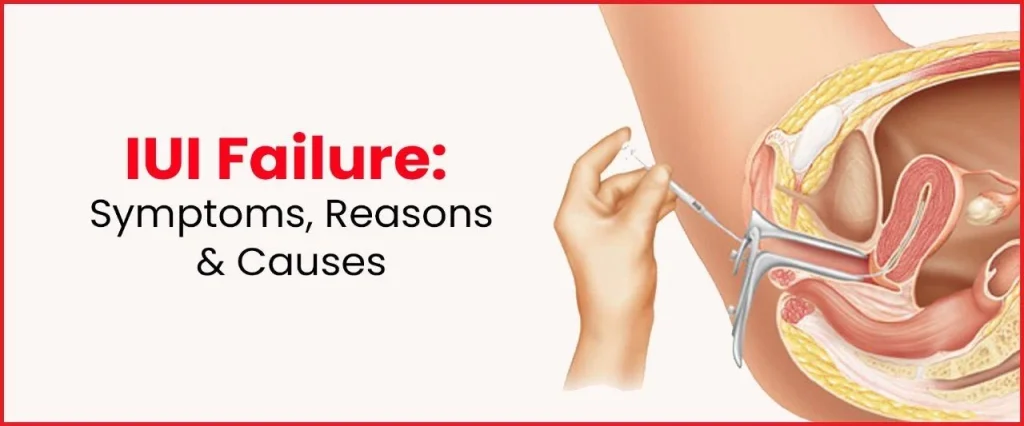
    illustration of IUI procedure with text on symptoms, reasons, and causes of IUI failure

    The Benefits of Fertility Massage for Women with Polycystic Ovary Syndrome (PCOS)

    3. Improves ovarian function
    PCOS can lead to the formation of cysts on the ovaries, which can affect ovarian function and ovulation. Fertility massage can help break up these cysts and improve blood flow to the ovaries, promoting better ovarian function. This can increase the chances of ovulation and improve fertility in women with PCOS.

    4. Balances hormones
    Hormonal imbalances are a hallmark of PCOS, and they can have a significant impact on fertility. Fertility massage can help balance hormones by stimulating the endocrine system and promoting the release of hormones that regulate the menstrual cycle and ovulation. This can help restore hormonal balance in women with PCOS and improve their chances of conceiving.

    5. Promotes relaxation and self-care
    Trying to conceive can be a stressful and overwhelming experience, especially for women with PCOS. Fertility massage provides a safe and nurturing space for women to relax and focus on their reproductive health. It also encourages self-care, which is essential for managing PCOS symptoms and promoting overall well-being.

    In conclusion, fertility massage can be a beneficial treatment for women with PCOS who are trying to conceive. It can help regulate menstrual cycles, reduce stress and anxiety, improve ovarian function, balance hormones, and promote relaxation and self-care. However, it is crucial to note that fertility massage should not be used as a standalone treatment for PCOS. It should be incorporated as part of a holistic approach to managing the condition, along with proper nutrition, exercise, and other recommended treatments.

    In summary, fertility massage is a specialized form of massage therapy that focuses on the reproductive organs and surrounding areas. It can help women with PCOS in various ways, such as regulating menstrual cycles, reducing stress and anxiety, improving ovarian function, balancing hormones, and promoting relaxation and self-care. However, it should be used as part of a holistic approach to managing PCOS and improving fertility.

  • Fertility Yoga: A Gentle and Supportive Practice for Women with Polycystic Ovary Syndrome

    Summary:

    Polycystic Ovary Syndrome (PCOS) is a common endocrine disorder that affects many women of reproductive age. It is characterized by hormonal imbalances, irregular menstrual cycles, and cysts on the ovaries. Women with PCOS often struggle with fertility and may experience physical and emotional challenges. Fertility yoga is a gentle and supportive practice that can help alleviate symptoms of PCOS and improve overall well-being.

    The practice of fertility yoga involves specific postures, breathing techniques, and meditation that are tailored to support women with PCOS. It focuses on reducing stress, balancing hormones, and promoting relaxation. This can help regulate menstrual cycles, increase fertility, and improve mood.

    One of the key benefits of fertility yoga for women with PCOS is stress reduction. Chronic stress can worsen PCOS symptoms and make it difficult to conceive. Fertility yoga helps to calm the mind and body, reducing levels of stress hormones and promoting a sense of well-being. This can also have a positive impact on hormone balance, as stress can disrupt the delicate balance of reproductive hormones.

    doctor discussing treatment with a patient in a medical office, featuring an ultrasound machine in the background

    Fertility Yoga: A Gentle and Supportive Practice for Women with Polycystic Ovary Syndrome

    Fertility yoga also focuses on balancing hormones, which is crucial for women with PCOS. Certain yoga poses can stimulate the endocrine glands, which are responsible for producing hormones. This can help regulate the menstrual cycle and promote ovulation. Additionally, the focused breathing techniques used in fertility yoga can help to balance cortisol levels, a stress hormone that can interfere with reproductive hormones.

    Another important aspect of fertility yoga for women with PCOS is its ability to improve circulation. PCOS can cause insulin resistance and inflammation, which can lead to poor circulation and nutrient deficiencies. The gentle movements and stretches in fertility yoga can help improve blood flow and bring fresh oxygen and nutrients to the reproductive organs. This can help to improve egg quality and support healthy menstrual cycles.

    In addition to the physical benefits, fertility yoga also offers emotional support for women with PCOS. The practice encourages mindfulness and self-compassion, which can be especially beneficial for those struggling with fertility. The emotional toll of PCOS can be significant, as women may feel frustrated, anxious, or depressed. Fertility yoga can provide a safe and nurturing space for women to connect with their bodies, release negative emotions, and cultivate a sense of hope.

    It is important to note that fertility yoga is not a cure for PCOS, but it can be a helpful complementary therapy. It is recommended to consult with a healthcare provider before starting any new exercise routine, especially if you have a medical condition like PCOS. A qualified fertility yoga teacher can also provide guidance and support in creating a personalized practice that meets your unique needs.

    In summary, fertility yoga is a gentle and supportive practice that can benefit women with PCOS in multiple ways. It can help reduce stress, balance hormones, improve circulation, and provide emotional support. Combining fertility yoga with a healthy lifestyle, proper nutrition, and medical treatment may improve the chances of conceiving and enhance overall well-being for women with PCOS.

  • Fertility Yoga vs Traditional Exercise: Which Is More Effective for PCOS and Endometriosis?

    Fertility Yoga vs Traditional Exercise: Which Is More Effective for PCOS and Endometriosis?

    Polycystic Ovary Syndrome (PCOS) and Endometriosis are two common conditions that affect women’s reproductive health. Both conditions can cause fertility issues, making it difficult for women to conceive. While there are various treatment options available, many women are turning to alternative methods such as fertility yoga and traditional exercise to manage their symptoms and improve their chances of getting pregnant. In this blog post, we will explore the effectiveness of these two forms of exercise in managing PCOS and endometriosis.

    Understanding PCOS and Endometriosis

    Before delving into the effectiveness of fertility yoga and traditional exercise, it is essential to understand what PCOS and endometriosis are and how they affect women’s reproductive health.

    PCOS is a hormonal disorder that affects 1 in 10 women of childbearing age. It is characterized by high levels of androgens (male hormones) in the body, leading to irregular menstrual cycles, excess hair growth, and difficulty in conceiving. Women with PCOS also have multiple small cysts on their ovaries, which can affect ovulation.

    On the other hand, endometriosis is a condition in which the tissue that lines the uterus (endometrium) grows outside of it. This tissue can implant itself on other organs in the pelvic area, causing pain, inflammation, and scarring. Endometriosis can also lead to infertility due to the damage it causes to the reproductive organs.

    How Fertility Yoga Can Help with PCOS and Endometriosis

    Fertility yoga is a specific type of yoga that focuses on poses and breathing techniques to help improve reproductive health. It is believed to help regulate hormones, increase blood flow to the reproductive organs, and reduce stress, all of which can help with PCOS and endometriosis.

    One of the key benefits of fertility yoga is its ability to reduce stress levels. High levels of stress can worsen symptoms of both PCOS and endometriosis, leading to irregular menstrual cycles and increased pain. Fertility yoga incorporates breathing exercises and meditation, which can help calm the mind and reduce stress and anxiety.

    Yoga poses that target the pelvic area, such as the butterfly pose, can also help improve blood flow to the reproductive organs. This increased blood flow can help nourish the ovaries and uterus, promoting regular ovulation and a healthy menstrual cycle.

    Another benefit of fertility yoga is its ability to help regulate hormones. Certain poses, such as the cobra pose, can stimulate the endocrine glands, which are responsible for producing hormones. By stimulating these glands, fertility yoga may help balance hormone levels, leading to improved reproductive health.

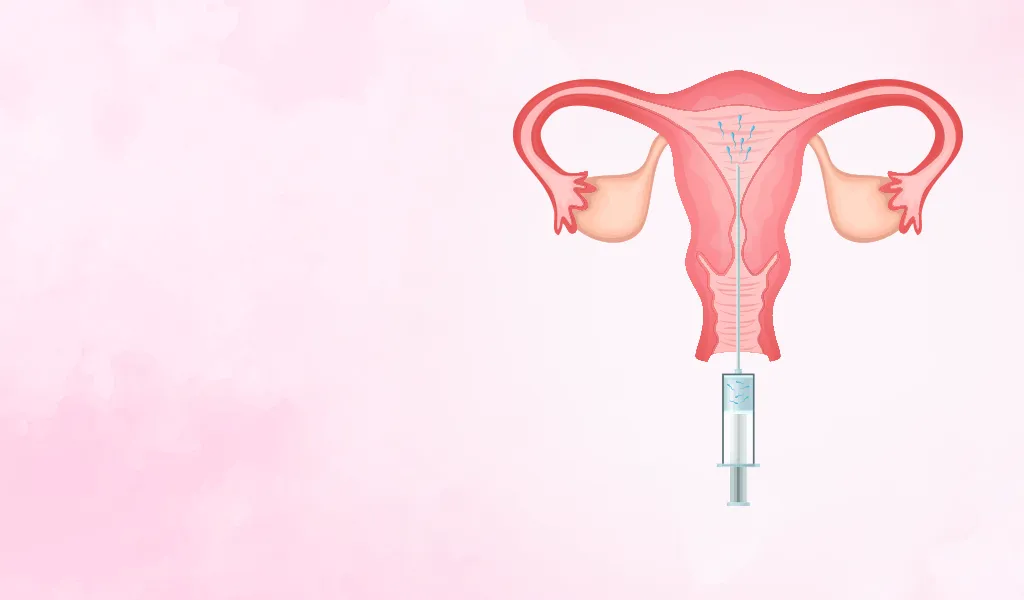
    illustration of a uterus with a syringe, representing intrauterine insemination procedure

    Fertility Yoga vs Traditional Exercise: Which Is More Effective for PCOS and Endometriosis?

    How Traditional Exercise Can Help with PCOS and Endometriosis

    Traditional forms of exercise, such as cardio and strength training, have been proven to have numerous health benefits. When it comes to PCOS and endometriosis, regular exercise can help manage symptoms and improve overall health.

    One of the primary benefits of traditional exercise for women with PCOS and endometriosis is weight management. Both conditions are associated with weight gain, and excess weight can worsen symptoms and affect fertility. By incorporating regular exercise into their routine, women can maintain a healthy weight, reducing the impact of these conditions on their reproductive health.

    Additionally, traditional exercise can help improve insulin sensitivity in women with PCOS. Insulin resistance is a common symptom of PCOS, and it can lead to weight gain and difficulty in ovulation. Studies have shown that regular exercise can improve insulin sensitivity, leading to better management of PCOS symptoms.

    For women with endometriosis, exercise can help reduce inflammation and pain. Endometriosis can cause pelvic pain, which can be debilitating for some women. Regular exercise, especially low-impact activities like swimming and cycling, can help reduce inflammation and improve overall pain management.

    Fertility Yoga vs Traditional Exercise: Which is More Effective?

    While both fertility yoga and traditional exercise have their benefits for women with PCOS and endometriosis, it is essential to find the right balance between the two.

    Fertility yoga can be a great option for women looking to reduce stress and improve hormone balance. However, it may not be enough to manage weight and insulin resistance associated with PCOS. On the other hand, traditional exercise can help with weight management and insulin sensitivity, but it may not specifically target reproductive health issues.

    The best approach would be to incorporate both fertility yoga and traditional exercise into a well-rounded fitness routine. This way, women can benefit from the stress-reducing and hormone-balancing effects of fertility yoga while also managing weight and insulin levels with traditional exercise.

    It is also crucial to consult with a healthcare professional before starting any new exercise routine, especially for women with PCOS and endometriosis. They can provide personalized recommendations and ensure that the exercise routine is safe and suitable for any individual needs.

    In conclusion, fertility yoga and traditional exercise can both be effective in managing symptoms of PCOS and endometriosis. While fertility yoga focuses on reproductive health and stress reduction, traditional exercise can help with weight management and insulin resistance. Combining both forms of exercise can provide a well-rounded approach to managing these conditions and improving fertility.

    SEO metadata:

  • The Benefits of Fertility Coaching for Women with PCOS

    Blog Post:

    Polycystic Ovary Syndrome, or PCOS, is a common hormonal disorder that affects many women of reproductive age. It is estimated that 1 in 10 women worldwide have PCOS, making it one of the most common endocrine disorders in women. PCOS is characterized by a variety of symptoms, including irregular periods, excess androgen levels, and multiple cysts on the ovaries. One of the biggest challenges for women with PCOS is fertility. Many women with PCOS struggle to conceive and require additional support and guidance in their journey towards motherhood. This is where fertility coaching comes in. Fertility coaching for women with PCOS is a valuable resource that can help women overcome the challenges of infertility and achieve their dream of becoming a mother. In this blog post, we will explore the benefits of fertility coaching for women with PCOS and how it can positively impact their fertility journey.

    1. Personalized Support and Guidance

    One of the main benefits of fertility coaching for women with PCOS is the personalized support and guidance they receive. PCOS is a complex disorder that affects each woman differently. Fertility coaches specializing in PCOS understand the unique challenges faced by women with this condition and can provide tailored support and guidance.

    Fertility coaches work closely with their clients to create a personalized plan that takes into account their medical history, lifestyle, and specific fertility goals. This includes recommendations for diet, exercise, and stress management techniques that can help regulate hormones and improve fertility. With the support of a fertility coach, women with PCOS can feel empowered and confident in their fertility journey.

    2. Understanding PCOS and its Impact on Fertility

    Many women with PCOS struggle to understand their condition and how it affects their fertility. Fertility coaches have extensive knowledge and experience in working with women with PCOS and can provide valuable education and insight into the disorder. They can explain the different symptoms of PCOS, how they affect fertility, and what can be done to manage them.

    Fertility coaches also help women understand how PCOS impacts their menstrual cycle and ovulation. By understanding their body and how it works, women with PCOS can make informed decisions about their fertility and take the necessary steps to improve their chances of conceiving.

    3. Emotional Support

    Infertility can take a toll on a woman’s emotional well-being. The constant disappointment and frustration of not being able to conceive can lead to feelings of hopelessness and even depression. Fertility coaching provides a safe and supportive space for women to express their emotions and receive guidance on how to cope with the challenges of infertility.

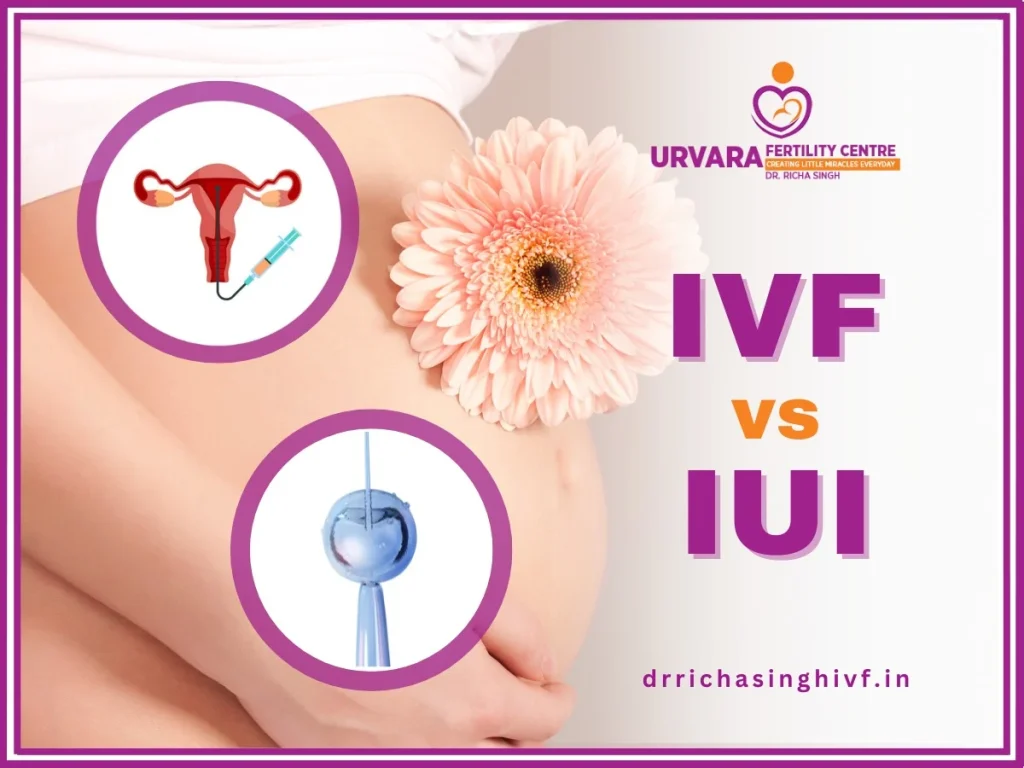
    IVF vs IUI comparison with illustrations of reproductive processes and a flower on a pregnant belly.

    The Benefits of Fertility Coaching for Women with PCOS

    Fertility coaches can also help women address any negative thoughts or beliefs they may have about their fertility and provide tools to cultivate a positive mindset. By addressing the emotional aspect of infertility, fertility coaching can improve a woman’s overall well-being and increase her chances of conceiving.

    4. Stress Management Techniques

    Stress is a common factor that can exacerbate the symptoms of PCOS and negatively impact fertility. Fertility coaches can provide women with PCOS with effective stress management techniques that can help regulate hormones and improve fertility. These techniques may include mindfulness practices, meditation, and yoga, which have been shown to reduce stress levels and improve overall health.

    5. Advocacy and Support in Medical Settings

    Navigating the medical world can be overwhelming, especially for women with PCOS who are trying to conceive. Fertility coaches can serve as advocates and provide support for women during appointments with medical professionals. They can help women understand their treatment options, ask important questions, and ensure that they receive the best care possible.

    Fertility coaches can also connect their clients with other healthcare professionals, such as nutritionists and acupuncturists, who can provide additional support and guidance in managing PCOS and improving fertility.

    6. A Holistic Approach to Fertility

    Fertility coaching takes a holistic approach to fertility, meaning it considers all aspects of a woman’s health and well-being. While medical interventions such as fertility treatments may be necessary for some women with PCOS, fertility coaching focuses on improving overall health and addressing any underlying issues that may be impacting fertility. This can include lifestyle changes, stress management techniques, and addressing any nutritional deficiencies.

    By taking a holistic approach to fertility, women with PCOS can improve their overall health, regulate their hormones, and increase their chances of conceiving.

    In summary, fertility coaching for women with PCOS offers personalized support and guidance, education about the condition and its impact on fertility, emotional support, stress management techniques, advocacy in medical settings, and a holistic approach to improving fertility. These benefits can help women with PCOS overcome the challenges of infertility and increase their chances of conceiving. If you have PCOS and are struggling to conceive, consider seeking the support of a fertility coach to help you on your journey towards motherhood.

  • The Debate Between Fertility Medications vs Surgery for Polycystic Ovary Syndrome

    The Debate Between Fertility Medications vs Surgery for Polycystic Ovary Syndrome

    Polycystic Ovary Syndrome (PCOS) is a common endocrine disorder that affects women of reproductive age. It is characterized by hormonal imbalances, irregular menstrual cycles, and the presence of multiple cysts on the ovaries. PCOS can also impact fertility and make it difficult for women to get pregnant. As a result, many women with PCOS turn to fertility treatments to help them conceive. However, the debate between fertility medications and surgery for PCOS remains ongoing. In this blog post, we will explore the pros and cons of both options and discuss which may be the best choice for women with PCOS.

    Fertility Medications for PCOS

    Fertility medications are often the first line of treatment for women with PCOS who are struggling to conceive. These medications work by regulating the hormones in the body, which can help to stimulate ovulation and increase the chances of getting pregnant. There are several different types of fertility medications that may be prescribed for PCOS, including:

    1. Clomiphene citrate – This medication works by stimulating the release of follicle-stimulating hormone (FSH) and luteinizing hormone (LH), which are necessary for ovulation to occur.

    2. Metformin – This medication is commonly used to treat insulin resistance, a common symptom of PCOS. By helping to regulate insulin levels, metformin can also improve ovulation and increase the chances of getting pregnant.

    3. Gonadotropins – These are injectable hormones that directly stimulate the ovaries to produce eggs.

    While fertility medications can be effective in helping women with PCOS conceive, they do come with some potential drawbacks. One of the main concerns with fertility medications is the risk of multiple pregnancies. This is because the medications can stimulate the ovaries to release more than one egg, increasing the chances of conceiving twins or triplets. Additionally, fertility medications can also cause side effects such as bloating, hot flashes, and mood swings.

    Surgery for PCOS

    Comparison of IUI and IVF treatments with diagrams of reproductive anatomy.

    The Debate Between Fertility Medications vs Surgery for Polycystic Ovary Syndrome

    In some cases, surgery may be recommended as a treatment option for PCOS. The two main surgical procedures used for PCOS are ovarian drilling and in vitro fertilization (IVF).

    1. Ovarian drilling – This procedure involves using heat or a laser to make small holes in the ovaries. This can help to reduce androgen production and stimulate ovulation.

    2. In vitro fertilization (IVF) – This is a more invasive procedure that involves extracting eggs from the ovaries, fertilizing them with sperm in a lab, and then transferring the embryos back into the uterus.

    Surgery may be considered as an option for women with PCOS who have not had success with fertility medications or for those who are at high risk for complications from fertility medications. However, surgery does come with its own set of risks, including infection, bleeding, and damage to the ovaries.

    The Debate Continues

    The debate between fertility medications and surgery for PCOS is ongoing, and there is no clear answer as to which option is the best. Some experts believe that surgery is a more effective and long-lasting solution, while others argue that fertility medications are a safer and less invasive option. Ultimately, the best treatment option will depend on the individual case and should be decided in consultation with a healthcare provider.

    It is worth noting that both fertility medications and surgery are not a cure for PCOS. They can help with fertility and regulating ovulation, but they do not address the underlying hormonal imbalances that cause PCOS. As such, it is important for women with PCOS to also make lifestyle changes, such as maintaining a healthy weight, eating a balanced diet, and managing stress.

    In conclusion, the debate between fertility medications and surgery for PCOS is complex and there is no one-size-fits-all solution. Each option has its own benefits and risks, and the best course of treatment will vary from person to person. It is important for women with PCOS to work closely with their healthcare providers to determine the best treatment plan for their individual needs.

    Summary:

    Polycystic Ovary Syndrome (PCOS) is a common endocrine disorder that affects women of reproductive age and can impact fertility. The debate between fertility medications and surgery for PCOS remains ongoing. Fertility medications, such as Clomiphene citrate, Metformin, and Gonadotropins, can help regulate hormones and improve ovulation but come with the risk of multiple pregnancies and side effects. Surgery, such as ovarian drilling and IVF, may be considered for those who have not had success with medications or are at high risk but also have their own set of risks. Ultimately, the best treatment option will depend on the individual case and should be decided in consultation with a healthcare provider. It is important for women with PCOS to make lifestyle changes in addition to treatment.

  • Holistic Fertility Treatments for PCOS: Addressing the Root Cause

    Title: Holistic Fertility Treatments for PCOS: Addressing the Root Cause

    Polycystic Ovary Syndrome (PCOS) affects 1 in 10 women of reproductive age, making it one of the most common hormonal disorders in women. It is a complex condition that can cause a range of symptoms, including irregular periods, weight gain, acne, and fertility problems. While conventional treatments may offer relief from the symptoms, they often fail to address the root cause of PCOS. This is where holistic fertility treatments come in – they aim to address the underlying imbalances in the body that are causing PCOS, rather than just treating the symptoms. In this blog post, we will explore some holistic fertility treatments that can help women with PCOS achieve a healthy pregnancy by addressing the root cause of their condition.

    1. Diet and Nutrition
    Diet and nutrition play a crucial role in managing PCOS. Women with PCOS often have insulin resistance, which means that their cells are less responsive to insulin, leading to high levels of insulin in the blood. This results in the ovaries producing excess androgens (male hormones), which can disrupt ovulation and cause other symptoms of PCOS. A diet that is low in sugar and refined carbohydrates and high in healthy fats, protein, and fiber can help manage insulin resistance and balance hormone levels. Foods like green leafy vegetables, lean protein, and healthy fats like avocados, nuts, and olive oil should be incorporated into the diet. Additionally, supplements like inositol, folic acid, and vitamin D can also help improve insulin sensitivity and regulate menstrual cycles in women with PCOS.

    2. Acupuncture
    Acupuncture is an ancient Chinese therapy that involves inserting thin needles into specific points on the body to stimulate energy flow. In the case of PCOS, acupuncture can help regulate hormone levels, reduce inflammation, and promote ovulation. Several studies have shown that acupuncture can improve menstrual regularity, reduce testosterone levels, and increase the chances of pregnancy in women with PCOS. It is a safe and natural treatment with little to no side effects, making it a popular choice among women with PCOS who are trying to conceive.

    3. Herbal Medicine
    Herbal medicine has been used for centuries to treat various health conditions, including PCOS. There are several herbs that have been found to be effective in treating PCOS by balancing hormones, reducing inflammation, and improving insulin sensitivity. Some of the most commonly used herbs for PCOS include cinnamon, spearmint, licorice root, and saw palmetto. However, it is important to consult a qualified herbalist or naturopath before incorporating any herbal remedies into your PCOS treatment plan, as some herbs may interact with medications or have side effects.

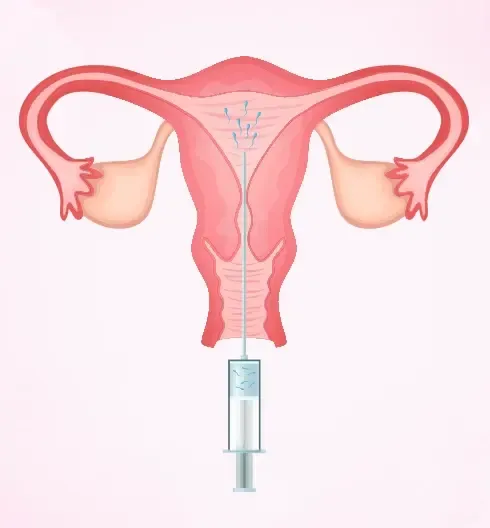
    Illustration of a uterus with a syringe indicating an intrauterine insemination procedure.

    Holistic Fertility Treatments for PCOS: Addressing the Root Cause

    4. Stress Management
    Stress can have a significant impact on hormone levels and ovulation in women with PCOS. Cortisol, the stress hormone, can disrupt the delicate balance of hormones in the body, leading to irregular periods and fertility problems. It is essential to find ways to manage stress and incorporate relaxation techniques into your daily routine. This can include practicing yoga or meditation, going for walks in nature, or spending time doing activities that you enjoy. Reducing stress levels can help regulate hormone levels and improve fertility in women with PCOS.

    5. Exercise
    Regular exercise is crucial for women with PCOS as it can help improve insulin sensitivity, regulate menstrual cycles, and manage weight. Women with PCOS are often advised to engage in moderate to high-intensity exercises like strength training, cardio, and high-intensity interval training (HIIT). These types of exercises can help burn fat, improve insulin sensitivity, and regulate hormone levels. However, it is important to find an exercise routine that works for you and to not over-exercise, as excessive exercise can also disrupt hormone levels.

    6. Mind-Body Therapies
    Mind-body therapies like meditation, mindfulness, and cognitive-behavioral therapy (CBT) can be beneficial for women with PCOS. These therapies can help reduce stress, improve mood, and promote a positive mindset, which can be helpful in managing PCOS. CBT, in particular, can also help address any negative thoughts or beliefs that may contribute to stress and anxiety in women with PCOS. By incorporating mind-body therapies into your PCOS treatment plan, you can improve your overall well-being and increase your chances of conceiving.

    In conclusion, holistic fertility treatments can be highly effective in managing PCOS and improving fertility by addressing the root cause of the condition. By incorporating diet and nutrition, acupuncture, herbal medicine, stress management, exercise, and mind-body therapies into your treatment plan, you can balance your hormones, regulate your menstrual cycles, and increase your chances of conceiving naturally. It is important to work with a qualified healthcare practitioner who can create a personalized treatment plan tailored to your specific needs and monitor your progress along the way. With a holistic approach, women with PCOS can overcome their fertility struggles and achieve a healthy pregnancy.

    Summary:
    Polycystic Ovary Syndrome (PCOS) affects 1 in 10 women and is a common hormonal disorder that can cause fertility problems. Holistic fertility treatments aim to address the root cause of PCOS by balancing hormones, reducing inflammation, and improving insulin sensitivity. These treatments include diet and nutrition, acupuncture, herbal medicine, stress management, exercise, and mind-body therapies. By incorporating these treatments into your PCOS treatment plan, you can improve your overall health and increase your chances of conceiving naturally.

  • Fertility Acupuncture vs Clomid: Which is More Effective?

    Blog Post:

    Fertility issues can be a major source of stress and heartache for many couples trying to conceive. In the pursuit of finding a solution, there are various methods and treatments available, including fertility acupuncture and Clomid. Both have been known to help increase fertility and improve the chances of conception. But which one is more effective? In this blog post, we will delve into the world of fertility treatments and compare the benefits and effectiveness of fertility acupuncture vs Clomid.

    What is Fertility Acupuncture?

    Fertility acupuncture is a form of traditional Chinese medicine that involves the insertion of thin needles into specific points on the body to stimulate energy flow. This ancient practice has been used for centuries to treat various health conditions, including fertility issues. According to traditional Chinese medicine, the body has a flow of energy called Qi, and when this flow is disrupted, it can lead to health problems.

    Acupuncture aims to restore the balance of Qi in the body by targeting specific points along channels called meridians. In terms of fertility, acupuncture is believed to improve blood flow to the reproductive organs, regulate hormone levels, and reduce stress and anxiety, all of which can contribute to fertility issues.

    What is Clomid?

    Clomid, also known as clomiphene citrate, is a medication commonly prescribed for women who have trouble ovulating. It works by stimulating the release of hormones that are necessary for ovulation to occur. Clomid is taken orally and is commonly prescribed for women with polycystic ovary syndrome (PCOS) or unexplained fertility issues.

    Fertility Acupuncture vs Clomid: Effectiveness

    When it comes to effectiveness, both fertility acupuncture and Clomid have shown promising results in helping women conceive. However, studies have shown that acupuncture may be more effective than Clomid in certain cases.

    One study published in the Journal of Alternative and Complementary Medicine found that women who received acupuncture treatments had a significantly higher pregnancy rate compared to those who received fertility medications, including Clomid. Another study published in the Journal of Chinese Medicine also reported higher pregnancy rates in women who received acupuncture compared to those who took Clomid.

    Furthermore, acupuncture has been found to be particularly effective for women with PCOS. A study published in the American Journal of Physiology-Endocrinology and Metabolism found that acupuncture helped to regulate hormone levels and improve ovulation in women with PCOS, resulting in a higher pregnancy rate.

    On the other hand, Clomid has been found to be more effective in women with unexplained fertility issues. A study published in the New England Journal of Medicine found that Clomid was more effective than a placebo in helping women with unexplained infertility conceive.

    diagram illustrating intrauterine insemination (IUI) procedure with uterus, sperm, and catheter labeled

    Fertility Acupuncture vs Clomid: Which is More Effective?

    Benefits and Side Effects

    Both fertility acupuncture and Clomid have their own set of benefits and potential side effects. Acupuncture has been found to be a natural and non-invasive method of increasing fertility. It has no known side effects and can also help to reduce stress and anxiety, which can potentially impact fertility.

    Clomid, on the other hand, is a medication that can have potential side effects, including hot flashes, headaches, nausea, and mood swings. It also has a higher risk of multiple pregnancies, which can lead to complications during pregnancy and delivery.

    In terms of cost, acupuncture sessions can range from $60 to $150 per session, and multiple sessions may be needed. Clomid, on the other hand, can cost around $50 to $100 for a one-month supply. However, the overall cost of fertility treatments can vary depending on individual needs and insurance coverage.

    Which is More Effective: Fertility Acupuncture or Clomid?

    The answer to this question ultimately depends on individual circumstances and needs. For women with PCOS, fertility acupuncture may be more effective in regulating hormone levels and increasing ovulation. On the other hand, Clomid may be a better option for women with unexplained fertility issues.

    It is also important to note that fertility acupuncture and Clomid can be used together for optimal results. Studies have shown that combining acupuncture with fertility medications, such as Clomid, can further increase pregnancy rates.

    Conclusion

    Overall, both fertility acupuncture and Clomid have shown promising results in helping women conceive. Acupuncture may be more effective for women with PCOS, while Clomid may be more effective for those with unexplained fertility issues. It is important to consult with a healthcare provider to determine the best treatment option for individual needs.

    In the end, the most important factor is to find a treatment that works for you and your partner, and to stay positive and hopeful on your journey towards parenthood.

    Summary:

    Fertility acupuncture and Clomid are two treatments commonly used to increase fertility and improve the chances of conception. Fertility acupuncture involves the insertion of thin needles into specific points on the body to stimulate energy flow, while Clomid is a medication that stimulates ovulation. Both have shown promising results, with studies suggesting that acupuncture may be more effective for women with PCOS, while Clomid may be more effective for those with unexplained fertility issues. It is important to consult with a healthcare provider to determine the best treatment option for individual needs.