Blog Post: The Role of Hormones: How Fertility Tests Differ for Men and Women
Hormones play a crucial role in the reproductive system of both men and women. They are responsible for regulating various processes that are essential for fertility, including ovulation, sperm production, and the development of reproductive organs. However, due to inherent physiological differences, fertility tests for men and women differ in terms of the hormones that are measured and the methods used for testing. In this blog post, we will explore the role of hormones in fertility and how fertility tests differ for men and women.
Hormones and Fertility in Women
In women, the main hormones involved in fertility are estrogen, progesterone, follicle-stimulating hormone (FSH), and luteinizing hormone (LH). Estrogen is responsible for the development of female reproductive organs and the menstrual cycle, while progesterone plays a crucial role in preparing the uterine lining for pregnancy. FSH and LH work together to stimulate the ovaries to produce eggs and trigger ovulation.
Fertility tests for women typically involve measuring the levels of these hormones in the blood or urine. The most commonly used test is the ovulation predictor kit, which measures the levels of LH in urine to predict when ovulation will occur. Blood tests can also measure the levels of FSH, LH, estrogen, and progesterone to assess ovarian function and identify any hormonal imbalances that may be affecting fertility.
Hormones and Fertility in Men
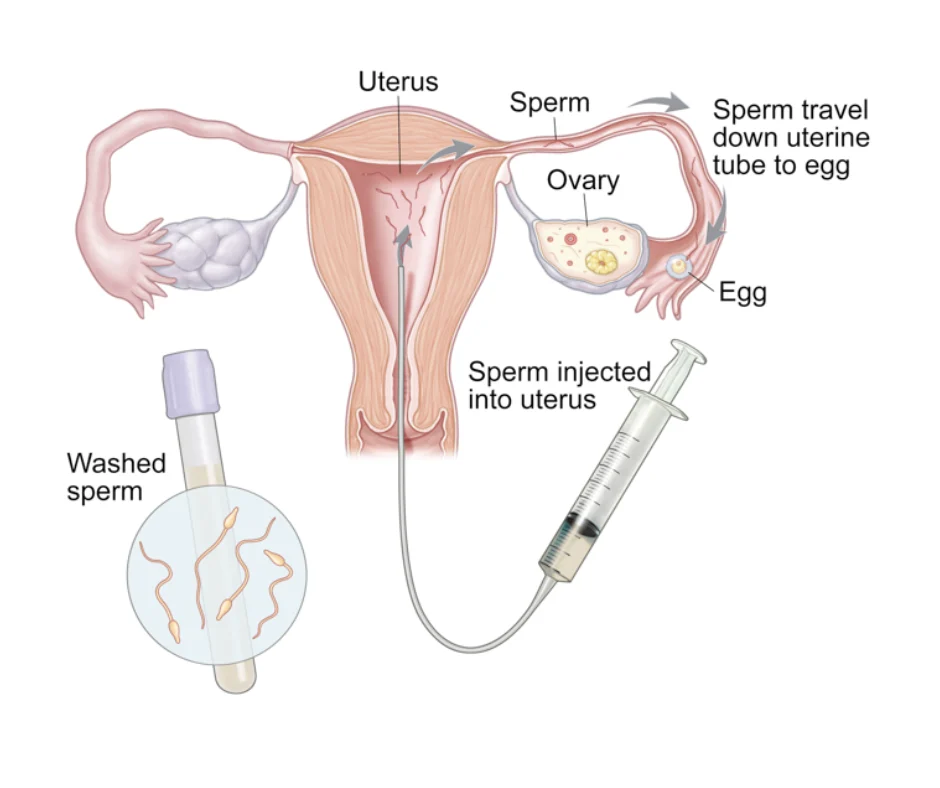
The Role of Hormones: How Fertility Tests Differ for Men and Women
In men, the main hormone involved in fertility is testosterone. This hormone is responsible for the development of male reproductive organs and sperm production. FSH and LH also play a role in male fertility by stimulating the production of sperm in the testes.
Fertility tests for men involve measuring the levels of testosterone and other hormones in the blood. The most commonly used test is the semen analysis, which evaluates the quality and quantity of sperm in a semen sample. Blood tests can also measure the levels of FSH, LH, and other hormones to assess testicular function and identify any hormonal imbalances that may be causing fertility issues.
Why Do Fertility Tests Differ for Men and Women?
The main reason why fertility tests differ for men and women is that their reproductive systems are fundamentally different. Women have a monthly menstrual cycle, which is governed by the fluctuation of hormones, while men do not have a similar cycle. Additionally, women have a finite number of eggs, while men continuously produce sperm throughout their lives. As a result, the hormones involved in fertility and the methods used for testing also differ.
Another factor that contributes to the difference in fertility tests is that women are more likely to experience hormonal imbalances due to various factors such as stress, diet, and underlying medical conditions. These imbalances can affect ovulation and fertility, making it crucial to monitor hormone levels in women. On the other hand, hormonal imbalances in men are less common, and fertility issues are more likely to be caused by other factors such as low sperm count or quality.
Conclusion
In conclusion, hormones play a critical role in fertility for both men and women. However, the specific hormones involved and the methods used for testing differ due to the inherent physiological differences between the two genders. Fertility tests for women typically involve measuring the levels of estrogen, progesterone, FSH, and LH, while tests for men focus on testosterone, FSH, and LH. Understanding the role of hormones in fertility can help individuals and couples better understand their reproductive health and seek appropriate treatment if needed.