Blog Post: Fertility Testing 101: Understanding the Differences Between Men and Women
Fertility is a topic that affects both men and women, yet the discussions and information surrounding it often focus solely on the female experience. However, it is important to understand that fertility is a shared responsibility between both partners. In order to fully understand the intricacies of fertility, it is crucial to explore the differences between men and women when it comes to fertility testing.
Men and women have different reproductive systems and therefore, require different methods of testing in order to assess their fertility. In this blog post, we will discuss the different types of fertility testing available for men and women, as well as the key differences between them.
Female Fertility Testing:
1. Ovulation Testing:
Ovulation is the process in which a mature egg is released from the ovary and is ready for fertilization. In order to determine a woman’s fertility, it is important to understand her ovulation cycle. This can be done through ovulation testing, which involves tracking hormone levels in the body through methods such as blood tests, urine tests, or at-home ovulation predictor kits.
2. Hysterosalpingogram (HSG):
An HSG is a procedure that uses X-rays and a special dye to evaluate the condition of a woman’s uterus and fallopian tubes. This test can help determine if there are any blockages or abnormalities that may be affecting fertility.
3. Ovarian Reserve Testing:
A woman’s ovarian reserve refers to the number of eggs she has remaining in her ovaries. As a woman ages, her ovarian reserve decreases, which can affect her fertility. Ovarian reserve testing involves blood tests and ultrasound scans to assess the quality and quantity of a woman’s eggs.
4. Follicle Stimulating Hormone (FSH) Testing:
FSH is a hormone that helps to regulate a woman’s menstrual cycle and is also responsible for the development and maturation of eggs in the ovaries. FSH testing involves a blood test to measure the levels of this hormone, which can indicate the quality of a woman’s eggs and her overall fertility.
Male Fertility Testing:
1. Semen Analysis:
Semen analysis is the most commonly used fertility test for men. It involves examining a sample of semen for sperm count, motility (movement), and morphology (shape and size). This test can give an indication of a man’s fertility and the quality of his sperm.
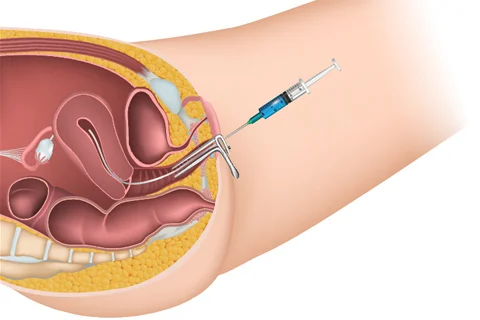
Fertility Testing 101: Understanding the Differences Between Men and Women
2. Hormone Testing:
Similar to women, men also have hormones that play a crucial role in their reproductive health. Hormone testing for men involves a blood test to measure levels of testosterone, follicle-stimulating hormone (FSH), and luteinizing hormone (LH). These hormones can affect sperm production and therefore, can be an indicator of male fertility.
3. Ultrasound:
In some cases, an ultrasound may be used to evaluate the male reproductive organs. This can help identify any structural abnormalities or blockages that may be affecting fertility.
4. Genetic Testing:
Some men may undergo genetic testing to determine if they carry any genetic conditions that may affect their fertility. This is especially important for couples who have a family history of genetic disorders.
Key Differences Between Male and Female Fertility Testing:
1. Accessibility:
The first major difference between male and female fertility testing is accessibility. Women have a wide range of tests available to them, from at-home ovulation predictor kits to more invasive procedures like HSGs. On the other hand, most male fertility testing involves a semen analysis, which can be done at a clinic or at home.
2. Cost:
The cost of fertility testing can vary greatly between men and women. Female fertility testing often involves more procedures and tests, which can add up in terms of cost. On the other hand, male fertility testing is usually limited to a semen analysis, which is a more affordable option.
3. Timing:
Timing is also a key difference between male and female fertility testing. Women need to track their ovulation cycle and time their tests accordingly, whereas men can undergo semen analysis at any time.
4. Emotional Impact:
Fertility testing can be an emotionally charged experience for both men and women. However, women may feel a greater emotional impact as they are often the ones undergoing more invasive procedures. This can also be compounded by the societal pressure and expectations surrounding a woman’s ability to conceive.
In summary, fertility testing for both men and women is an important step in understanding one’s reproductive health and potential for conception. While there are some key differences between the testing methods for men and women, it is crucial for both partners to undergo testing in order to fully understand their fertility. By understanding these differences, individuals and couples can make informed decisions about their reproductive health and take steps towards building their family.