Tag: semen analysis

  • Male Fertility Tests vs Female Fertility Tests: Which One is Less Invasive?

    Male Fertility Tests vs Female Fertility Tests: Which One is Less Invasive?

    When it comes to fertility testing, both men and women may feel overwhelmed and anxious. For couples trying to conceive, understanding the fertility of both partners is crucial in determining the best course of action. While there are various methods to assess fertility, some may be more invasive than others. In this blog post, we will explore the differences between male and female fertility tests and which one is less invasive.

    What are Male and Female Fertility Tests?

    Before diving into the comparison, it is essential to understand what male and female fertility tests are. Male fertility tests primarily focus on the quality, quantity, and movement of sperm. These tests can help identify any underlying issues that may affect sperm production or function. On the other hand, female fertility tests assess the health and function of the reproductive organs, including the ovaries, uterus, and fallopian tubes. These tests also evaluate the hormone levels that play a crucial role in the menstrual cycle and ovulation.

    1. Male Fertility Tests

    a. Semen Analysis

    The most common male fertility test is a semen analysis. This test involves collecting a semen sample and examining it under a microscope to assess the quantity and quality of sperm. The sample is typically obtained through masturbation and can be done at a fertility clinic or at home. It is a non-invasive and relatively simple test that provides valuable information about sperm count, motility, and morphology.

    b. Hormone Testing

    In some cases, male fertility issues may be due to hormonal imbalances. Hormone testing involves a blood test to measure the levels of hormones such as testosterone, prolactin, and follicle-stimulating hormone (FSH). These hormones play a crucial role in sperm production and can help identify any underlying hormonal issues that may be affecting fertility.

    c. Genetic Testing

    Genetic testing is recommended for men with a family history of genetic disorders or those who have low sperm count or motility. This test involves a blood sample to check for genetic abnormalities that may affect fertility. While it is not a routine test, it can provide valuable information for couples struggling with infertility.

    2. Female Fertility Tests
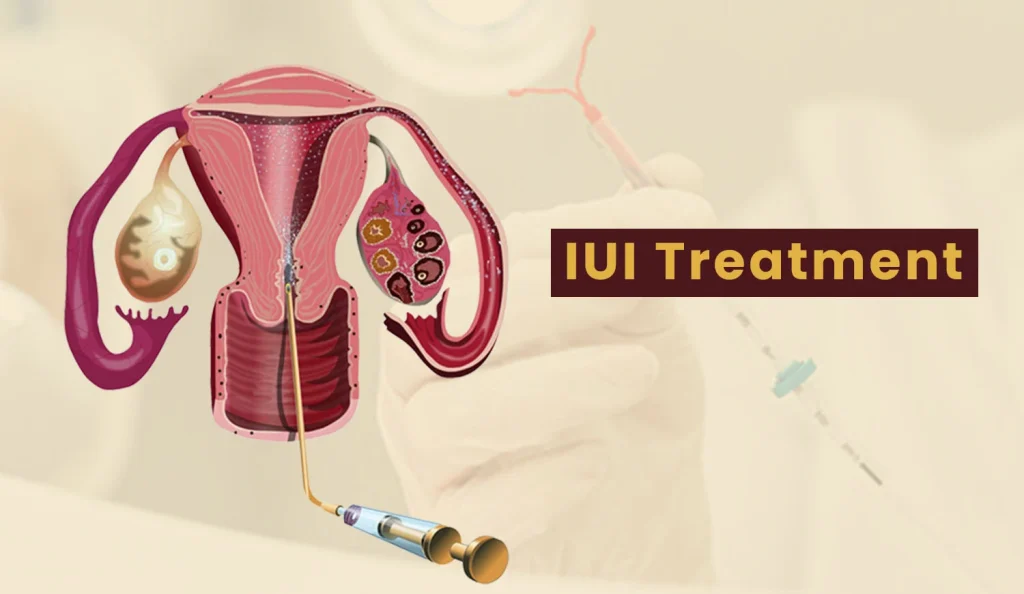
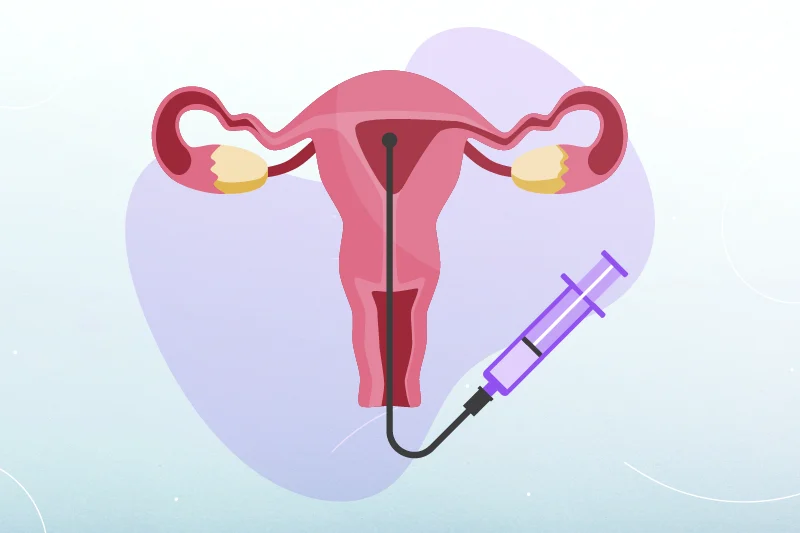
    illustration of the uterus and ovaries with a syringe, labeled "IUI Treatment" in the background

    Male Fertility Tests vs Female Fertility Tests: Which One is Less Invasive?

    a. Ovulation Testing

    Ovulation testing is often the first step in assessing female fertility. This test involves tracking the changes in hormone levels throughout the menstrual cycle to determine when ovulation occurs. It can be done through urine or blood tests, and it helps identify the most fertile days for conception.

    b. Imaging Tests

    Imaging tests, such as ultrasounds, can help assess the health of the reproductive organs. For women, these tests can detect any abnormalities or issues with the uterus, ovaries, and fallopian tubes. They are non-invasive and can provide valuable information about the structure and function of the reproductive organs.

    c. Hysterosalpingography (HSG)

    HSG is a type of imaging test that involves injecting a dye into the uterus and fallopian tubes. This test can help identify any blockages or abnormalities in the fallopian tubes, which can prevent fertilization. While it may cause some discomfort, it is a minimally invasive procedure that can provide important information about female fertility.

    Which One is Less Invasive?

    Both male and female fertility tests have their own advantages and limitations. However, when it comes to invasiveness, male fertility tests tend to be less invasive than female fertility tests. Most male fertility tests involve collecting a semen sample or a simple blood test, which can be done in the comfort of one’s home or at a fertility clinic. On the other hand, female fertility tests may involve more invasive procedures, such as HSG, which can cause discomfort and require a visit to a medical facility.

    Moreover, male fertility tests are also less time-consuming and do not require multiple appointments or extensive tracking. In contrast, female fertility tests may involve several appointments and monitoring throughout the menstrual cycle, which can be stressful and time-consuming.

    However, it is important to note that the invasiveness of fertility tests may vary depending on the individual’s specific situation and needs. For some men, genetic testing or a more in-depth semen analysis may be necessary, which can be more invasive. Similarly, for women with underlying health conditions, more invasive tests may be required to accurately assess fertility.

    In conclusion, both male and female fertility tests are essential in understanding and addressing fertility issues. While male fertility tests tend to be less invasive, the invasiveness of these tests may vary depending on the individual’s needs. It is crucial for couples to consult with a healthcare professional to determine the most appropriate and effective fertility testing methods for their specific situation.

    Summary:

    Fertility testing is crucial for couples trying to conceive, and it involves assessing the fertility of both partners. Male fertility tests primarily focus on sperm quality and quantity, while female fertility tests assess the health and function of the reproductive organs and hormones. Male fertility tests tend to be less invasive than female fertility tests, as they typically involve collecting a semen sample or a simple blood test. However, the invasiveness of fertility tests may vary depending on the individual’s specific situation and needs. It is important for couples to consult with a healthcare professional to determine the most appropriate and effective fertility testing methods for their situation.

  • Fertility Testing for Men and Women: Is It Covered by Insurance?

    Blog Post:

    Fertility is a topic that affects many couples and individuals, as they try to start or expand their families. However, fertility issues can be complex and often require medical intervention or treatment. In order to determine the cause of fertility problems, fertility testing is often necessary. This testing can involve a variety of methods for both men and women, including blood tests, imaging scans, and physical examinations. But the question remains, is fertility testing covered by insurance?

    Fertility Testing for Women:

    Fertility testing for women often involves a series of blood tests and imaging scans to assess the health and function of the reproductive system. These tests can include hormone level testing, ovarian reserve testing, and ultrasound or hysteroscopy to evaluate the uterus and fallopian tubes. The cost of these tests can vary depending on the specific procedures and the location where they are performed.

    Most insurance plans do cover some form of fertility testing for women, but the extent of coverage may vary. Some plans may cover the full cost of testing, while others may only cover a portion. It is important to review your insurance plan and speak with your provider to understand what is covered and what may be out-of-pocket expenses.

    In addition, some insurance plans may have specific requirements that need to be met before they will cover fertility testing. These requirements can include age restrictions, prior attempts at conception, and a referral from a primary care physician. It is important to be aware of these requirements and follow them in order to ensure coverage for fertility testing.

    Fertility Testing for Men:

    Fertility testing for men often involves a semen analysis, which evaluates the sperm count, motility, and morphology. This test can help determine if there are any issues with sperm production or function. In some cases, additional tests may be needed to identify the cause of fertility problems in men.

    Similar to fertility testing for women, insurance coverage for fertility testing for men can also vary. Some plans may cover the cost of semen analysis, while others may not. It is important to review your insurance plan and speak with your provider to understand what is covered and what may be out-of-pocket expenses.

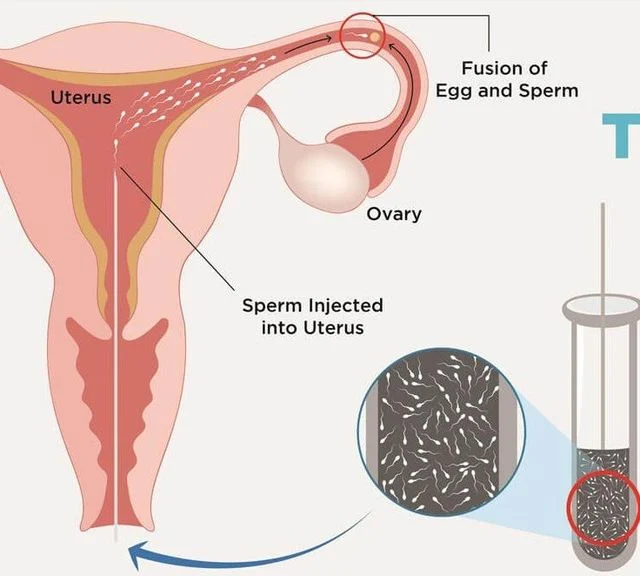
    diagram of the female reproductive system with an IUI syringe and test tube for artificial insemination

    Fertility Testing for Men and Women: Is It Covered by Insurance?

    Factors Affecting Insurance Coverage:

    There are several factors that can affect insurance coverage for fertility testing, including the type of insurance plan, state regulations, and the cause of infertility. For example, some plans may only cover fertility testing for specific medical conditions, such as endometriosis or polycystic ovary syndrome. Other plans may exclude coverage for fertility testing altogether.

    In addition, state regulations can also impact insurance coverage for fertility testing. Currently, only 19 states have laws that require insurance companies to cover fertility treatments, including testing. In these states, insurance companies are required to offer coverage for fertility testing and treatments, but the extent of coverage may vary.

    The cause of infertility can also play a role in insurance coverage for fertility testing. If a medical condition or illness is the cause of fertility issues, insurance may be more likely to cover testing and treatment. However, if the cause is deemed to be a “lifestyle” choice, such as smoking or obesity, insurance may not cover the cost of testing or treatment.

    Out-of-Pocket Expenses:

    Even with insurance coverage, there may still be out-of-pocket expenses associated with fertility testing. This can include deductibles, co-pays, and any testing or treatments that are not covered by insurance. It is important to review your insurance plan and understand these potential expenses before undergoing fertility testing.

    In some cases, fertility clinics may offer financing options or payment plans to help cover the cost of testing and treatment. It is also worth exploring grants or financial assistance programs that may be available for those struggling with fertility issues.

    Summary:

    Fertility testing is a crucial step in identifying the cause of fertility problems for both men and women. While insurance coverage for fertility testing can vary, most insurance plans do offer some form of coverage. However, it is important to review your specific insurance plan and understand any requirements or potential out-of-pocket expenses. Additionally, state regulations and the cause of infertility can also impact insurance coverage for fertility testing. Despite potential expenses, options such as financing and financial assistance programs may help make fertility testing more accessible.

  • Beyond the Numbers: Understanding Fertility Test Results for Men and Women

    Blog Post:

    When it comes to fertility, it’s natural for both men and women to have concerns about their reproductive health. And with the increasing number of couples struggling with fertility issues, it’s important to understand the role that fertility tests play in determining one’s ability to conceive. However, looking at the numbers on the test results can be overwhelming and confusing for many. That’s why it’s crucial to go beyond the numbers and gain a better understanding of what they mean. In this blog post, we’ll take a closer look at fertility test results for both men and women, and how to interpret them to make informed decisions about your reproductive health.

    Understanding Fertility Tests for Women:

    For women, fertility tests usually involve tracking their menstrual cycle, blood tests, and imaging tests such as ultrasounds. These tests are used to evaluate the different aspects of a woman’s reproductive health, including ovulation, hormone levels, and the health of her reproductive organs.

    1. Tracking Menstrual Cycle:

    Tracking the menstrual cycle is important in determining if a woman is ovulating regularly. This can be done by keeping track of the start and end dates of each period and noting any changes in the length of the cycle. An average menstrual cycle is around 28 days, but anything between 21-35 days is considered normal. If a woman’s cycle is consistently irregular, it could be a sign of ovulation issues.

    2. Blood Tests:

    Blood tests are used to measure the levels of hormones that are essential for fertility, such as follicle-stimulating hormone (FSH), luteinizing hormone (LH), and progesterone. These hormones play a crucial role in the ovulation process and their levels can indicate if there are any underlying issues with a woman’s reproductive health.

    3. Imaging Tests:

    Imaging tests, such as ultrasounds, are used to evaluate the health of a woman’s reproductive organs. They can detect any abnormalities, such as fibroids or cysts, that may be impacting fertility.

    Interpreting Fertility Test Results for Women:

    Now that we have a better understanding of the different types of fertility tests for women, let’s dive into how to interpret the results.

    1. Ovulation:

    The most important aspect of a woman’s fertility is ovulation. If the menstrual cycle is regular and ovulation is occurring, it’s a good sign of fertility. However, if there are irregularities in the cycle or the ovulation tests are negative, it could indicate issues with ovulation.

    2. Hormone Levels:

    The levels of FSH, LH, and progesterone in a woman’s blood can provide valuable insights into her fertility. High levels of FSH and LH can indicate problems with ovulation, while low levels of progesterone can suggest issues with the luteal phase of the menstrual cycle. It’s important to discuss these results with a healthcare provider to determine the best course of action.

    3. Reproductive Organ Health:

    Imaging tests can provide important information about the health of a woman’s reproductive organs. Any abnormalities, such as fibroids or cysts, can impact fertility and should be addressed by a healthcare provider.

    Understanding Fertility Tests for Men:

    For men, fertility tests usually involve semen analysis, blood tests, and physical exams. These tests are used to evaluate the quality and quantity of sperm, as well as the overall reproductive health of the male.

    A person administering an injection into their abdomen with a yellow pen-like device.

    Beyond the Numbers: Understanding Fertility Test Results for Men and Women

    1. Semen Analysis:

    Semen analysis is the most common fertility test for men. It involves collecting a semen sample and evaluating the quality and quantity of the sperm. The sperm count, motility, and morphology (shape and size) are important factors in determining male fertility.

    2. Blood Tests:

    Blood tests can measure hormone levels, such as testosterone, that can impact male fertility. They can also detect any underlying health conditions that may be affecting reproductive health.

    3. Physical Exam:

    A physical exam can provide insights into the overall health of the male reproductive system. This can include examining the testicles for any abnormalities or checking for varicoceles (enlarged veins in the scrotum).

    Interpreting Fertility Test Results for Men:

    Just like with women, understanding the results of fertility tests for men requires a closer look at the numbers.

    1. Sperm Count, Motility, and Morphology:

    Sperm count, motility, and morphology are important factors in male fertility. A low sperm count or poor sperm motility can make it difficult for sperm to reach and fertilize an egg. Abnormalities in sperm morphology can also impact fertility.

    2. Hormone Levels:

    Testosterone is the primary hormone responsible for male fertility. Low levels of testosterone can affect sperm production and quality.

    3. Physical Exam:

    A physical exam can detect any abnormalities that may be impacting male fertility, such as varicoceles or ejaculatory duct obstruction.

    Going Beyond the Numbers:

    It’s important to remember that fertility test results are just one piece of the puzzle when it comes to reproductive health. Other factors such as age, lifestyle habits, and medical history also play a role in fertility.

    If you have concerns about your fertility, it’s best to consult with a healthcare provider who can interpret the test results and provide personalized recommendations. They can also help you navigate through any potential fertility issues and discuss treatment options.

    In conclusion, understanding fertility test results for both men and women can help individuals make informed decisions about their reproductive health. By going beyond the numbers and looking at the bigger picture, we can gain a better understanding of our fertility and take proactive steps to optimize it.

    Summary:

    Fertility tests are crucial in determining one’s ability to conceive, but understanding the results can be challenging. For women, tracking the menstrual cycle, blood tests, and imaging tests are used to evaluate reproductive health. Interpreting the results involves looking at ovulation, hormone levels, and reproductive organ health. For men, semen analysis, blood tests, and physical exams are used to assess fertility. Understanding the numbers in sperm count, motility, morphology, and hormone levels can provide insights into male fertility. It’s important to remember that fertility tests are just one aspect of reproductive health and consulting with a healthcare provider is crucial for personalized recommendations and treatment options.

  • Fertility Testing for Men and Women: What to Expect During the Process

    Blog Post Title: Fertility Testing for Men and Women: What to Expect During the Process

    Summary:

    Fertility is a crucial aspect of human life and the desire to have a child is a natural one. However, for many couples, achieving pregnancy can be a challenging journey. This is where fertility testing comes into play. Fertility testing is a process that helps determine the underlying causes of infertility in both men and women. In this blog post, we will discuss the different types of fertility tests available for men and women, and what to expect during the process.

    For Women:

    1. Medical History and Physical Examination:
    The first step in fertility testing for women is a comprehensive medical history and physical examination. This will help the doctor understand any underlying medical conditions that may be affecting fertility.

    2. Ovulation Testing:
    Ovulation is a crucial aspect of fertility, and a woman must release a healthy egg for pregnancy to occur. Ovulation testing can be done through blood tests, urine tests, or ultrasound scans to determine the timing and regularity of ovulation.

    3. Hormone Testing:
    Hormonal imbalances can greatly affect a woman’s fertility. Hormone testing involves blood tests to measure levels of hormones such as estrogen, progesterone, and follicle-stimulating hormone (FSH).

    4. Imaging Tests:
    Imaging tests, such as ultrasound scans, can help identify any structural abnormalities in the reproductive organs that may be affecting fertility.

    5. Hysterosalpingography (HSG):
    HSG is a procedure where a dye is injected into the uterus and fallopian tubes to check for any blockages or abnormalities that may be preventing pregnancy.

    6. Laparoscopy:
    In some cases, a laparoscopy may be recommended to diagnose and treat conditions such as endometriosis or pelvic inflammatory disease, which can affect fertility.

    For Men:

    1. Semen Analysis:
    The first step in fertility testing for men is a semen analysis. A sample of semen is collected and analyzed for sperm count, motility, and morphology.

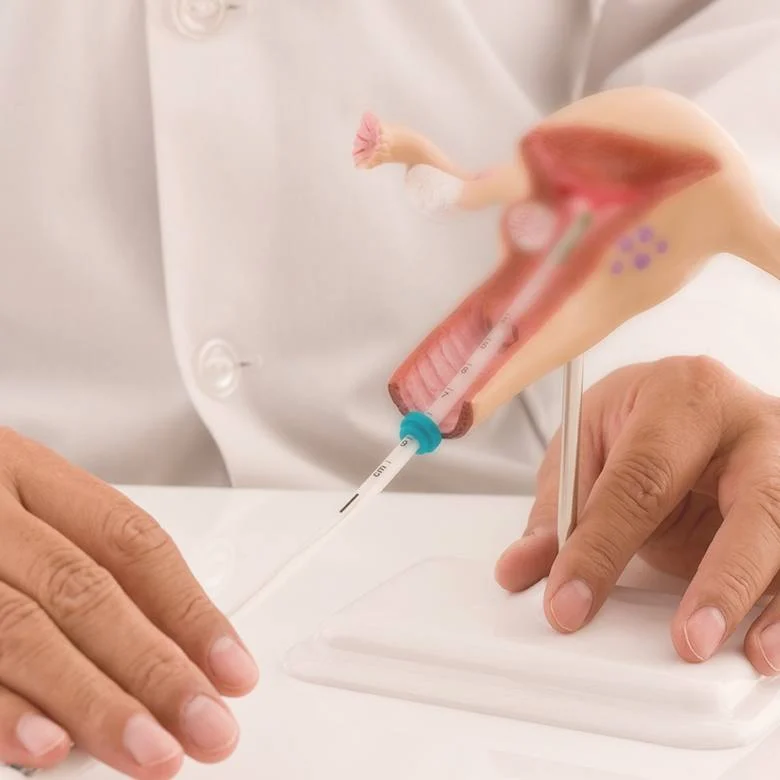
    model of the female reproductive system with a hand demonstrating intrauterine insemination technique

    Fertility Testing for Men and Women: What to Expect During the Process

    2. Hormone Testing:
    Hormonal imbalances in men can also affect fertility. Hormone testing involves blood tests to check the levels of testosterone, follicle-stimulating hormone (FSH), and luteinizing hormone (LH).

    3. Imaging Tests:
    Imaging tests, such as ultrasound scans, can help identify any structural abnormalities in the reproductive organs that may be affecting fertility.

    4. Genetic Testing:
    Some cases of male infertility may be due to genetic factors. Genetic testing can help identify any gene mutations that may be causing fertility issues.

    5. Testicular Biopsy:
    In some cases, a testicular biopsy may be recommended to check for any blockages or abnormalities in the testicles that may be affecting sperm production.

    What to Expect During the Process:

    Fertility testing can be a lengthy and emotional process for couples. It is essential to have open communication with your doctor and partner during this time. Here are some things to keep in mind:

    1. Patience is Key:
    Fertility testing can take time, and it is essential to be patient and not get discouraged if the results are not immediate.

    2. Discomfort:
    Some fertility tests may involve a certain level of discomfort, such as the HSG or testicular biopsy. It is essential to discuss any concerns with your doctor beforehand.

    3. Emotional Support:
    Fertility testing can be emotionally taxing for both partners. It is crucial to lean on each other for emotional support and seek counseling if needed.

    4. Cost:
    Fertility testing can be expensive, and it is important to discuss the costs with your doctor and insurance company beforehand.

    5. Treatment Options:
    Once the fertility testing is complete, your doctor will discuss the results and possible treatment options with you. These may include medication, surgery, or assisted reproductive techniques such as in vitro fertilization (IVF).

    In conclusion, fertility testing is a crucial step in the journey towards parenthood. It helps identify the underlying causes of infertility and allows for appropriate treatment to be recommended. It is essential to have open communication with your doctor and partner during this process and to be patient and supportive of each other.

  • The Waiting Game: How Long Do Fertility Tests Take for Men and Women?

    Blog Post:

    The journey to parenthood is an exciting and emotional one. For many couples, trying to conceive can be a long and difficult process. And for those who are struggling with fertility issues, the waiting game can be even more challenging. One of the first steps in understanding and addressing fertility problems is undergoing fertility tests. But how long do these tests take for men and women? In this blog post, we will explore the various fertility tests available and the time it takes for both men and women to complete them.

    Fertility Tests for Women:

    1. Ovulation Tests:
    The first step in understanding fertility in women is to determine if and when ovulation is happening. This can be done through ovulation tests, which typically involve tracking basal body temperature, changes in cervical mucus, and using ovulation predictor kits. These tests can take anywhere from a few days to a few weeks to complete, depending on the length of a woman’s cycle and the accuracy of the tests.

    2. Hormone Tests:
    Hormone tests are crucial in understanding a woman’s reproductive health. These tests measure the levels of hormones such as estrogen, progesterone, luteinizing hormone (LH), and follicle-stimulating hormone (FSH). These tests can be done through blood work or saliva samples and usually take a few days to a week to complete.

    3. Ultrasound:
    Ultrasound is another common fertility test for women. It involves using sound waves to create images of the reproductive organs. This test can help identify any abnormalities or disorders that may affect fertility. An ultrasound typically takes about 20-30 minutes to complete.

    4. Hysterosalpingography (HSG):
    HSG is a procedure that uses X-rays and a special dye to examine the uterus and fallopian tubes. This test can help identify any blockages or abnormalities in the reproductive system. It usually takes about 15-30 minutes to complete and may require a day or two for recovery.

    5. Laparoscopy:
    Laparoscopy is a minimally invasive surgical procedure that involves inserting a small camera through a small incision in the abdomen. This procedure allows doctors to examine the reproductive organs and detect any issues that may affect fertility. Laparoscopy can take up to an hour to complete and may require a few days for recovery.

    Fertility Tests for Men:

    1. Semen Analysis:
    The most common fertility test for men is a semen analysis. This test involves collecting a sample of semen and analyzing it for sperm count, motility, and morphology. The process usually takes about a week to complete, including the time needed for sperm to fully develop.

    Illustration of the uterus with a syringe, depicting the intrauterine insemination procedure.

    The Waiting Game: How Long Do Fertility Tests Take for Men and Women?

    2. Hormone Tests:
    Similar to women, hormone tests are also essential for men’s fertility. These tests measure the levels of testosterone, luteinizing hormone (LH), follicle-stimulating hormone (FSH), and prolactin. These tests can be done through blood work and usually take a few days to a week to complete.

    3. Ultrasound:
    Ultrasound can also be used to examine the male reproductive system. This test helps detect any blockages or abnormalities in the reproductive organs. It usually takes about 20-30 minutes to complete.

    4. Testicular Biopsy:
    In some cases, a testicular biopsy may be necessary to diagnose fertility problems in men. This procedure involves removing a small sample of testicular tissue for analysis. It can take up to a week to receive the results of the biopsy.

    5. Genetic Testing:
    In rare cases, genetic testing may be recommended for men experiencing fertility issues. This test can help identify any genetic disorders that may affect fertility. The results of genetic testing can take several weeks to months to come back.

    The Waiting Game:

    Overall, the time it takes to complete fertility tests for men and women varies depending on the type of test and the individual’s reproductive health. Most tests can be completed within a few days to a few weeks, but in some cases, it may take longer. It is essential to consult with a fertility specialist to determine which tests are necessary and how long each test may take to complete.

    In addition to the time it takes to complete the tests, there is also the waiting game for the results. This can be a stressful and emotional time for couples. It is important to stay positive and to communicate with your partner during this process. Remember, fertility issues are common, and there are many options available to help couples conceive.

    In conclusion, fertility tests are an essential step in understanding and addressing fertility problems for both men and women. The time it takes to complete these tests can vary, but it is crucial to be patient and communicate with your doctor throughout the process. With the right treatment and support, many couples can overcome fertility issues and achieve their dream of starting a family.

    Summary:

    Fertility tests are an essential step in understanding and addressing fertility problems for both men and women. The time it takes to complete these tests can vary, with ovulation tests and hormone tests taking a few days to a few weeks, ultrasounds taking 20-30 minutes, and laparoscopy or HSG taking longer. For men, semen analysis is the most common test, and hormone tests, ultrasound, and testicular biopsy may also be required. Genetic testing can take several weeks to months to get results. It is important to consult with a fertility specialist and communicate with your partner during this process. With the right treatment and support, many couples can overcome fertility issues and achieve their dream of starting a family.

  • Male Fertility Tests vs Female Fertility Tests: Which One is More Invasive?

    Blog Post:

    When it comes to starting a family, many couples face the challenge of fertility issues. In order to determine the cause of these issues, both men and women may undergo fertility tests. These tests are designed to assess the reproductive health of individuals and help them understand their chances of conceiving. However, there is a common debate among couples as to which fertility test is more invasive – male fertility tests or female fertility tests. In this blog post, we will delve into the differences between these two types of tests and determine which one is more invasive.

    Male Fertility Tests:

    The most commonly used male fertility test is a semen analysis. This test measures the quantity and quality of sperm in a man’s semen. The procedure involves collecting a semen sample through masturbation and then analyzing it in a laboratory. While this may seem like an uncomfortable process for some men, it is a relatively simple and non-invasive procedure. The only physical discomfort may come from the act of masturbation itself, but the overall process is painless.

    However, there are other male fertility tests that may be more invasive. These include a testicular biopsy, which involves removing a small sample of tissue from the testicles to assess sperm production, and a scrotal ultrasound, which uses sound waves to produce images of the testicles and surrounding tissues. These tests may be recommended if a man’s semen analysis results are abnormal or if there are other suspected issues with his reproductive system. While they are more invasive than a semen analysis, they are still considered relatively minor procedures and are typically done under local anesthesia.

    Female Fertility Tests:

    There are various types of fertility tests for women, each with a different level of invasiveness. The most common test is a blood test to check hormone levels, which can indicate whether a woman is ovulating and if there are any hormonal imbalances. This test requires a simple blood draw and is relatively painless.

    Another common fertility test for women is a transvaginal ultrasound, which involves inserting a small wand-like device into the vagina to produce images of the reproductive organs. This test can help identify any structural issues or abnormalities in the uterus, ovaries, and fallopian tubes. While it may cause some discomfort or pressure, it is still considered a minor and non-invasive procedure.

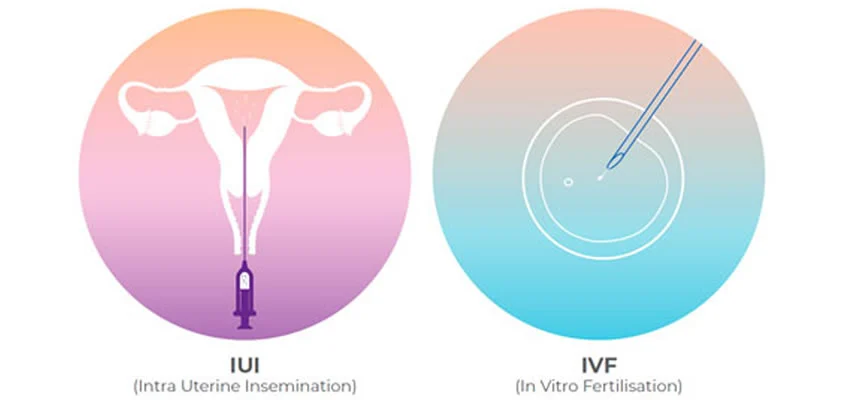
    comparison of IUI and IVF procedures illustrated with simple graphics and labels

    Male Fertility Tests vs Female Fertility Tests: Which One is More Invasive?

    However, there are other more invasive female fertility tests, such as a hysterosalpingogram (HSG) and a laparoscopy. An HSG involves injecting dye into the uterus and fallopian tubes to check for blockages, while a laparoscopy involves making a small incision in the abdomen to view the reproductive organs directly. These tests may be recommended if there are concerns about the structure of the reproductive organs or if other tests have yielded inconclusive results. They are considered more invasive and may require anesthesia, but they are still relatively minor procedures.

    Which One is More Invasive?

    Based on the above information, it is clear that both male and female fertility tests can range from non-invasive to more invasive procedures. However, it is difficult to determine which one is more invasive as it ultimately depends on the individual’s comfort level and the specific tests being performed. For example, a woman may find a transvaginal ultrasound more invasive than a man would find a semen analysis, while a man may find a testicular biopsy more invasive than a woman would find an HSG.

    It is also important to note that the level of invasiveness may also depend on the individual’s reproductive health and any underlying medical conditions. For some individuals, certain fertility tests may be more invasive due to their physical limitations or sensitivities.

    Overall, both male and female fertility tests serve the same purpose of determining the cause of fertility issues. While some may be more invasive than others, they are all crucial in helping couples understand their reproductive health and make informed decisions about their fertility journey.

    In conclusion, the debate between male fertility tests and female fertility tests being more invasive is subjective and cannot be determined with certainty. It is important for couples to discuss their options with their healthcare provider and choose the best course of action based on their individual needs and comfort level. Fertility tests, whether for men or women, are an essential tool in the journey towards starting a family and should be approached with patience and understanding.

    Summary:

    Fertility tests are important for couples facing fertility issues and are designed to assess the reproductive health of individuals. There is a common debate about which fertility test is more invasive – male or female. Male fertility tests, such as semen analysis, are relatively simple and non-invasive, while other tests like a testicular biopsy or scrotal ultrasound may be more invasive. Similarly, female fertility tests, such as a blood test or transvaginal ultrasound, are relatively non-invasive, but tests like an HSG or laparoscopy may be more invasive. The level of invasiveness ultimately depends on the individual’s comfort level and the specific tests being performed. It is important for couples to discuss their options with their healthcare provider and choose the best course of action based on their individual needs and comfort level.

  • Male Fertility Testing: What Every Man Needs to Know

    Blog Post: Male Fertility Testing: What Every Man Needs to Know

    When it comes to fertility, most people tend to think of women as the ones who need to worry about it. However, fertility issues can also affect men, and it is important for them to understand the importance of male fertility testing. In this blog post, we will discuss everything that men need to know about male fertility testing, from the reasons to get tested to the different types of tests available.

    Why Get Tested?

    The first question that may come to mind is why men should even consider getting tested for fertility. The answer is simple: male fertility issues can significantly impact a couple’s ability to conceive. In fact, in about 20% of infertile couples, the cause is solely attributed to the male partner. By getting tested, men can identify any potential issues and take necessary steps to improve their fertility or explore alternative options for starting a family.

    Common Causes of Male Infertility

    Before diving into the different types of tests, it is important to understand the common causes of male infertility. These may include:

    1. Low sperm count: This is the most common cause of male infertility. A low sperm count refers to having fewer than 15 million sperm per milliliter of semen.

    2. Abnormal sperm function: Even if a man has a normal sperm count, their sperm may have difficulty reaching or fertilizing an egg.

    3. Structural problems: Structural issues in the male reproductive organs, such as blockages or damage to the tubes that carry sperm, can also cause infertility.

    4. Hormonal imbalances: Hormonal imbalances, such as low testosterone levels, can affect sperm production and quality.

    illustration of a uterus with a syringe, representing intrauterine insemination procedure

    Male Fertility Testing: What Every Man Needs to Know

    Types of Male Fertility Tests

    Now that we have covered the reasons to get tested and the common causes of male infertility, let’s take a look at the different types of male fertility tests available.

    1. Semen Analysis: This is the most common and initial test recommended for men. It involves collecting a semen sample and analyzing it for sperm count, motility, and morphology (shape). It can also detect any infections or hormonal imbalances.

    2. Hormonal Tests: As mentioned earlier, hormonal imbalances can play a significant role in male infertility. Hormonal tests, such as blood tests, can measure levels of testosterone, luteinizing hormone (LH), follicle-stimulating hormone (FSH), and prolactin.

    3. Genetic Tests: In some cases, male infertility may be caused by genetic abnormalities. Genetic tests can identify any chromosomal abnormalities or genetic disorders that may be impacting fertility.

    4. Scrotal Ultrasound: This test is used to detect any structural issues in the male reproductive organs, such as blockages or varicoceles (enlarged veins in the scrotum).

    5. Post-Ejaculation Urine Analysis: This test is used to check for retrograde ejaculation, a condition in which semen travels backwards into the bladder instead of exiting the penis during ejaculation.

    When to Get Tested?

    Experts recommend that men should consider getting tested for fertility if they have been trying to conceive for at least a year without success. However, if there are any known risk factors, such as a history of sexually transmitted infections, previous surgeries or injuries to the reproductive organs, or a family history of infertility, it is best to get tested as soon as possible.

    Summary:

    Male fertility testing is crucial for couples struggling to conceive. While most people tend to think of fertility as a women’s issue, male infertility is a common cause of difficulty in conceiving. The most common causes of male infertility include low sperm count, abnormal sperm function, structural problems, and hormonal imbalances. There are various types of male fertility tests available, including semen analysis, hormonal tests, genetic tests, scrotal ultrasound, and post-ejaculation urine analysis. Men should consider getting tested if they have been trying to conceive for at least a year without success or if there are any known risk factors.

  • The Truth About Fertility Testing: What Men and Women Need to Know

    Blog Post:

    Fertility is a topic that is often surrounded by myths and misconceptions. Many people believe that getting pregnant is easy and that fertility issues only affect a small percentage of the population. However, the truth is that fertility problems are more common than most of us realize. In fact, about 10-15% of couples struggle with infertility, and about one-third of the time, the issue lies with the male partner. This is why fertility testing is crucial for both men and women.

    In this blog post, we will uncover the truth about fertility testing and what men and women need to know about it. We will discuss the different types of tests available, when to consider testing, and what the results may mean. So, let’s dive in and get to the bottom of the truth about fertility testing.

    Types of Fertility Testing for Women

    1. Ovulation Tests: The first step in fertility testing for women is to determine if ovulation is occurring regularly. Ovulation tests, also known as ovulation predictor kits, measure the levels of luteinizing hormone (LH) in urine. LH is the hormone that triggers ovulation, so a surge in its levels indicates that ovulation is about to occur. These tests are easy to use and can be done at home, making them a convenient option for many women.

    2. Hormone Tests: Hormonal imbalances can greatly affect a woman’s fertility. Therefore, hormone tests, such as follicle-stimulating hormone (FSH), estrogen, and progesterone levels, are essential in fertility testing. These tests can help identify issues such as polycystic ovary syndrome (PCOS) or thyroid problems, which can affect ovulation and overall fertility.

    3. Pelvic Ultrasound: A pelvic ultrasound can provide valuable information about the condition of a woman’s reproductive organs. It can detect any abnormalities or blockages in the fallopian tubes, identify ovarian cysts, and measure the thickness of the uterine lining. This test is often done in conjunction with other fertility tests to get a comprehensive assessment of a woman’s fertility.

    4. Hysterosalpingogram (HSG): An HSG is a special type of X-ray that can determine if the fallopian tubes are open and if there are any blockages or abnormalities in the uterus. During this test, a contrast dye is injected into the uterus and fallopian tubes, and X-rays are taken to see the flow of the dye. This test can also help identify any structural issues in the reproductive organs that may be affecting fertility.

    Types of Fertility Testing for Men

    1. Semen Analysis: A semen analysis is the most common fertility test for men. It involves analyzing a sample of semen to determine its quality, quantity, and motility (movement). This test can help identify issues such as low sperm count, poor sperm motility, or abnormal sperm shape, which can all affect fertility.

    2. Hormone Tests: Just like women, men also produce hormones that are crucial for fertility. Hormone tests, such as testosterone, luteinizing hormone (LH), and follicle-stimulating hormone (FSH), can help determine if there are any hormonal imbalances that may be affecting sperm production.

    3. Genetic Testing: Genetic testing is not a routine part of fertility testing for men, but it may be recommended if there is a family history of genetic disorders or if other tests have shown abnormalities. This test can identify any genetic mutations that may affect sperm production and fertility.

    When to Consider Fertility Testing

    Fertility testing is not just for couples who have been trying to conceive for a long time without success. It can also be helpful for those who are planning to start a family in the future or even for those who have experienced a miscarriage. Here are some situations when fertility testing should be considered:

    illustration of the uterus and ovaries with a syringe, labeled "IUI Treatment" in the background

    The Truth About Fertility Testing: What Men and Women Need to Know

    1. If you have been trying to conceive for more than a year (or six months if you are over 35) without success.

    2. If you have irregular menstrual cycles or no periods at all.

    3. If you have a history of sexually transmitted infections (STIs).

    4. If you have a family history of fertility problems.

    5. If you have had multiple miscarriages.

    6. If you have undergone cancer treatment or any other medical procedures that may affect fertility.

    Understanding the Results

    Understanding the results of fertility testing can be overwhelming, especially if the news is not what you were hoping for. It is important to remember that fertility testing is just the first step in the journey towards parenthood. Here are some possible results and what they may mean:

    1. Normal results: If both partners have normal results, it means that there are no apparent fertility issues, and the chances of conceiving naturally are high.

    2. Abnormal results: If one or both partners have abnormal results, it does not necessarily mean that you cannot conceive. It simply means that there may be some underlying issues that need to be addressed before trying to conceive.

    3. Inconclusive results: In some cases, fertility testing may not provide clear answers, and further testing may be needed to get a better understanding of the problem.

    In conclusion, fertility testing is an essential step for both men and women when trying to conceive. It can help identify any underlying issues that may be affecting fertility and guide the couple towards the best course of action. Remember that the results of fertility testing are not a definitive answer, and there are many options and treatments available for couples struggling with infertility. Stay positive and seek the support of a fertility specialist if needed. With the right information and support, you can increase your chances of starting a family.

    Summary:

    Fertility issues are more common than we realize, and both men and women can be affected. Fertility testing is crucial in identifying any underlying issues that may be affecting a couple’s ability to conceive. There are different types of tests available for women, such as ovulation tests, hormone tests, pelvic ultrasounds, and HSGs. For men, the most common test is a semen analysis, but hormone and genetic testing may also be recommended. Fertility testing should be considered if a couple has been trying to conceive for more than a year without success, has a history of STIs or fertility problems, or has undergone medical treatments that may affect fertility. Understanding the results of fertility testing is important, as they can guide couples towards the best course of action. Remember that there are many options and treatments available for couples struggling with infertility, and seeking the support of a fertility specialist can be helpful.

  • Fertility Testing 101: Understanding the Differences Between Men and Women

    Blog Post: Fertility Testing 101: Understanding the Differences Between Men and Women

    Fertility is a topic that affects both men and women, yet the discussions and information surrounding it often focus solely on the female experience. However, it is important to understand that fertility is a shared responsibility between both partners. In order to fully understand the intricacies of fertility, it is crucial to explore the differences between men and women when it comes to fertility testing.

    Men and women have different reproductive systems and therefore, require different methods of testing in order to assess their fertility. In this blog post, we will discuss the different types of fertility testing available for men and women, as well as the key differences between them.

    Female Fertility Testing:

    1. Ovulation Testing:

    Ovulation is the process in which a mature egg is released from the ovary and is ready for fertilization. In order to determine a woman’s fertility, it is important to understand her ovulation cycle. This can be done through ovulation testing, which involves tracking hormone levels in the body through methods such as blood tests, urine tests, or at-home ovulation predictor kits.

    2. Hysterosalpingogram (HSG):

    An HSG is a procedure that uses X-rays and a special dye to evaluate the condition of a woman’s uterus and fallopian tubes. This test can help determine if there are any blockages or abnormalities that may be affecting fertility.

    3. Ovarian Reserve Testing:

    A woman’s ovarian reserve refers to the number of eggs she has remaining in her ovaries. As a woman ages, her ovarian reserve decreases, which can affect her fertility. Ovarian reserve testing involves blood tests and ultrasound scans to assess the quality and quantity of a woman’s eggs.

    4. Follicle Stimulating Hormone (FSH) Testing:

    FSH is a hormone that helps to regulate a woman’s menstrual cycle and is also responsible for the development and maturation of eggs in the ovaries. FSH testing involves a blood test to measure the levels of this hormone, which can indicate the quality of a woman’s eggs and her overall fertility.

    Male Fertility Testing:

    1. Semen Analysis:

    Semen analysis is the most commonly used fertility test for men. It involves examining a sample of semen for sperm count, motility (movement), and morphology (shape and size). This test can give an indication of a man’s fertility and the quality of his sperm.

    illustration of intrauterine insemination procedure with a syringe and catheter in the uterus.

    Fertility Testing 101: Understanding the Differences Between Men and Women

    2. Hormone Testing:

    Similar to women, men also have hormones that play a crucial role in their reproductive health. Hormone testing for men involves a blood test to measure levels of testosterone, follicle-stimulating hormone (FSH), and luteinizing hormone (LH). These hormones can affect sperm production and therefore, can be an indicator of male fertility.

    3. Ultrasound:

    In some cases, an ultrasound may be used to evaluate the male reproductive organs. This can help identify any structural abnormalities or blockages that may be affecting fertility.

    4. Genetic Testing:

    Some men may undergo genetic testing to determine if they carry any genetic conditions that may affect their fertility. This is especially important for couples who have a family history of genetic disorders.

    Key Differences Between Male and Female Fertility Testing:

    1. Accessibility:

    The first major difference between male and female fertility testing is accessibility. Women have a wide range of tests available to them, from at-home ovulation predictor kits to more invasive procedures like HSGs. On the other hand, most male fertility testing involves a semen analysis, which can be done at a clinic or at home.

    2. Cost:

    The cost of fertility testing can vary greatly between men and women. Female fertility testing often involves more procedures and tests, which can add up in terms of cost. On the other hand, male fertility testing is usually limited to a semen analysis, which is a more affordable option.

    3. Timing:

    Timing is also a key difference between male and female fertility testing. Women need to track their ovulation cycle and time their tests accordingly, whereas men can undergo semen analysis at any time.

    4. Emotional Impact:

    Fertility testing can be an emotionally charged experience for both men and women. However, women may feel a greater emotional impact as they are often the ones undergoing more invasive procedures. This can also be compounded by the societal pressure and expectations surrounding a woman’s ability to conceive.

    In summary, fertility testing for both men and women is an important step in understanding one’s reproductive health and potential for conception. While there are some key differences between the testing methods for men and women, it is crucial for both partners to undergo testing in order to fully understand their fertility. By understanding these differences, individuals and couples can make informed decisions about their reproductive health and take steps towards building their family.

  • Sperm Analysis and Semen Analysis: How Do They Affect Male Aging?

    Sperm Analysis and Semen Analysis: How Do They Affect Male Aging?

    As men age, they may experience changes in their reproductive system that can affect their overall health and fertility. One important aspect of this is sperm analysis and semen analysis, which are medical tests used to evaluate the quality and quantity of sperm in a man’s semen. In this blog post, we will explore how these tests can impact male aging and why they are important for men to consider as they get older.

    Understanding Sperm Analysis and Semen Analysis

    Sperm analysis, also known as sperm count, is a test that measures the number of sperm present in a semen sample. This test is crucial in determining male fertility, as a low sperm count can make it difficult for a man to impregnate his partner. On the other hand, a high sperm count does not necessarily guarantee fertility, as other factors such as sperm motility and morphology (shape) also play a role in successful fertilization.

    Semen analysis, on the other hand, is a broader test that evaluates not only the sperm count but also other aspects of semen, such as pH levels, fructose levels, and the presence of any infections. This test can provide a more comprehensive picture of a man’s reproductive health and potential fertility.

    How Do Sperm Analysis and Semen Analysis Change with Age?

    Sperm count and semen quality can change as a man gets older. According to a study published in the Journal of Human Reproductive Sciences, sperm count decreases by about 1-2% per year in men over the age of 30. This decline is due to a decrease in the production and function of testosterone, which is important for sperm production.

    Additionally, the quality of sperm can also be affected by age. As men age, they may experience an increase in sperm DNA damage, which can lead to a higher risk of birth defects and miscarriages. This damage can also affect the success of fertility treatments, such as in vitro fertilization (IVF).

    Why is Sperm Analysis and Semen Analysis Important for Male Aging?

    As mentioned earlier, sperm analysis and semen analysis are crucial in determining male fertility. However, there are other important reasons why these tests should not be overlooked as men age.

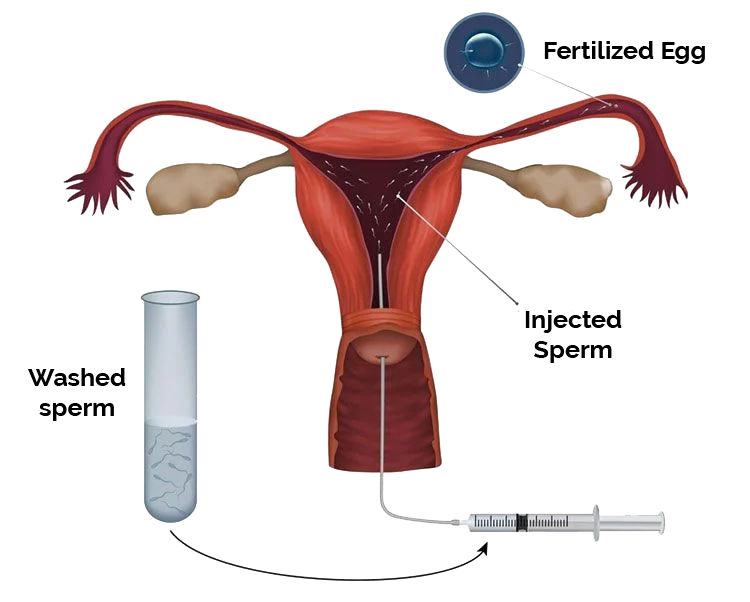
    Diagram illustrating the IUI process, showing sperm injection into the uterus and egg fertilization.

    Sperm Analysis and Semen Analysis: How Do They Affect Male Aging?

    Firstly, these tests can serve as an indicator of overall health. Changes in sperm count or semen quality can be a sign of underlying health issues such as hormonal imbalances, infections, or chronic diseases. By catching these issues early on, men can take proactive steps to address them and improve their overall health.

    Secondly, sperm analysis and semen analysis can provide valuable information for men who are planning to start a family later in life. By knowing their sperm count and semen quality, men can better understand their chances of conceiving and plan accordingly.

    Lastly, these tests can also serve as a wake-up call for men who may have unhealthy lifestyle habits. Factors such as smoking, excessive alcohol consumption, and poor diet can all contribute to decreased sperm count and quality. By identifying these issues through sperm analysis and semen analysis, men can make necessary lifestyle changes to improve their reproductive health and overall well-being.

    What Can Men Do to Maintain Healthy Sperm and Semen Quality as They Age?

    While sperm count and semen quality may decrease with age, there are steps men can take to maintain healthy levels. These include:

    1. Maintaining a healthy lifestyle: Regular exercise, a balanced diet, and avoiding unhealthy habits such as smoking and excessive alcohol consumption can all contribute to healthier sperm and semen.

    2. Managing stress: Chronic stress can affect testosterone levels and sperm production. Finding ways to manage stress, such as through exercise, meditation, or therapy, can help improve reproductive health.

    3. Getting regular check-ups and screenings: As mentioned earlier, sperm analysis and semen analysis can provide insight into overall health. Men should schedule regular check-ups and screenings to catch any potential issues early on.

    4. Considering supplements: Certain supplements, such as zinc and folic acid, have been shown to improve sperm count and quality. However, it is important to consult with a healthcare provider before adding any supplements to your routine.

    5. Seeking fertility treatment if needed: If a couple is struggling to conceive, seeking the help of a fertility specialist can improve their chances of success. Fertility treatments such as IVF can bypass any potential issues with sperm and increase the chances of pregnancy.

    In summary, sperm analysis and semen analysis are important tests for men to consider as they age. Not only do they provide valuable information about fertility, but they can also serve as indicators of overall health. By being proactive and taking care of their reproductive health, men can increase their chances of maintaining healthy sperm and semen as they get older.