Making the Decision: Intrauterine Insemination vs Donor Insemination
When couples are struggling with infertility, they are often faced with the difficult decision of how to conceive a child. For many couples, the options of intrauterine insemination (IUI) and donor insemination (DI) are presented. Both methods have their own distinct advantages and disadvantages, and it is important for couples to carefully consider their individual needs and circumstances before making a decision.
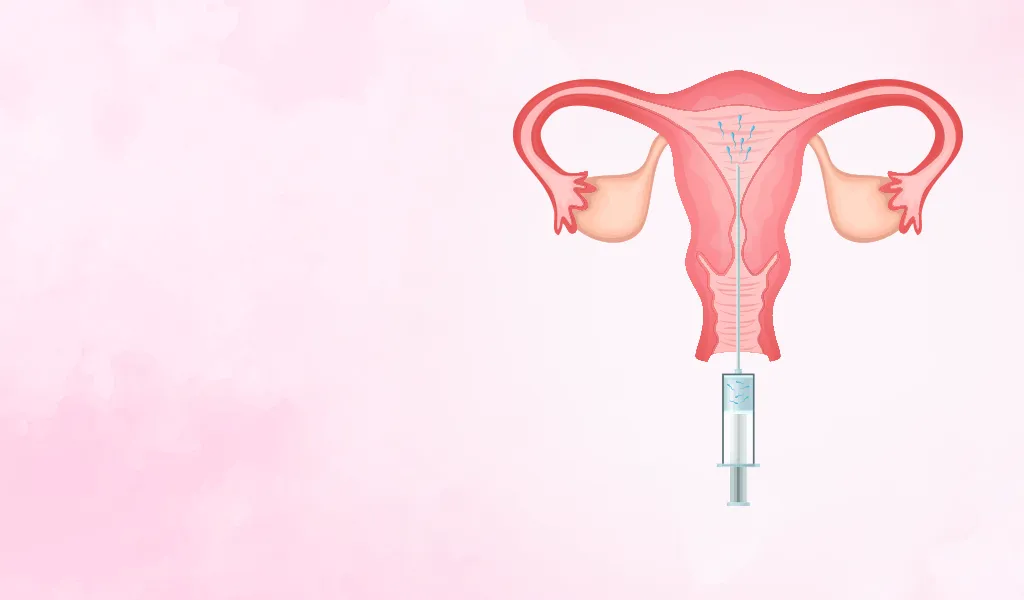
Intrauterine insemination, also known as artificial insemination, is a fertility treatment that involves placing sperm directly into the uterus during ovulation. This method is often recommended for couples with unexplained infertility, ovulation disorders, or mild male factor infertility. It is a relatively simple and non-invasive procedure that can be done in a doctor’s office.
The first step in IUI is to stimulate ovulation using fertility drugs. This helps to increase the chances of conception by producing multiple eggs. Then, a semen sample is collected from the male partner or a donor and washed to remove any impurities. The sperm is then inserted into the uterus using a thin catheter. This process is timed to coincide with ovulation, increasing the chances of the sperm meeting the egg.
One of the main advantages of IUI is that it is a less expensive and less invasive option compared to other fertility treatments such as in vitro fertilization (IVF). It also allows couples to use the male partner’s sperm, increasing the chances of a biological connection to the child. It is also a relatively quick procedure, and most women can resume their normal activities immediately afterward.
However, IUI does have its limitations. It is not recommended for couples with severe male factor infertility or blocked fallopian tubes, as the sperm still needs to travel through the tubes to reach the egg. It also has a lower success rate compared to IVF, with an average success rate of around 10-20% per cycle. This means that multiple cycles may be needed, resulting in higher costs.
On the other hand, donor insemination involves using sperm from a donor, either through a sperm bank or a known donor. This method is often recommended for couples with severe male factor infertility, same-sex couples, or single women who do not have a male partner. It is also a common option for couples with genetic disorders or diseases that they do not want to pass on to their child.
Making the Decision: Intrauterine Insemination vs Donor Insemination
The process of DI is similar to IUI, with the main difference being the source of the sperm. The donor sperm is also screened for any genetic disorders or diseases to ensure the health of the future child. This method allows couples to still have a biological connection to their child while bypassing any fertility issues.
One of the main advantages of DI is the higher success rates compared to IUI. The use of donor sperm allows for a higher chance of conception, especially for couples with severe male factor infertility. It also eliminates the need for fertility drugs, making it a more natural and less invasive option.
However, DI also has its own set of challenges. It can be a more expensive option, as the cost of sperm can range from a few hundred to several thousand dollars per cycle. There is also the emotional aspect of using a donor, as some couples may struggle with the idea of not having a genetic connection to their child. It also requires careful consideration and legal agreements when using a known donor.
When deciding between IUI and DI, it is important for couples to consider their individual needs and circumstances. Factors such as the cause of infertility, financial constraints, and emotional readiness should all be taken into account. It is also essential to have open and honest communication with your partner and healthcare provider to make an informed decision.
In some cases, couples may even consider a combination of both methods. This could involve using IUI with donor sperm, which can increase the chances of conception while still maintaining a biological connection to the child.
In the end, there is no right or wrong answer when it comes to choosing between IUI and DI. Every couple’s journey to parenthood is unique, and the decision should be based on what feels right for them. It is important to remember that there are other options available, such as adoption or surrogacy, if IUI or DI is not the right fit.
In conclusion, making the decision between IUI and DI can be a challenging and emotional process for couples struggling with infertility. Both methods have their own pros and cons, and it is essential to carefully consider these factors before making a decision. Ultimately, the most important thing is for couples to choose the option that feels right for them and their journey towards parenthood.