The Emotional Rollercoaster: Intrauterine Insemination vs Low-Tech IVF
For couples struggling with infertility, the journey to parenthood can be an emotional rollercoaster. The disappointment, frustration, and heartache that come with failed attempts can take a toll on one’s mental and emotional well-being. In such situations, assisted reproductive technology (ART) procedures like intrauterine insemination (IUI) and low-tech in vitro fertilization (IVF) offer hope and a chance at starting a family. While both methods have their similarities and differences, they also come with unique emotional challenges for couples. In this blog post, we will explore the emotional rollercoaster of IUI and low-tech IVF, and how couples can cope with the ups and downs of these procedures.
Understanding IUI and Low-Tech IVF
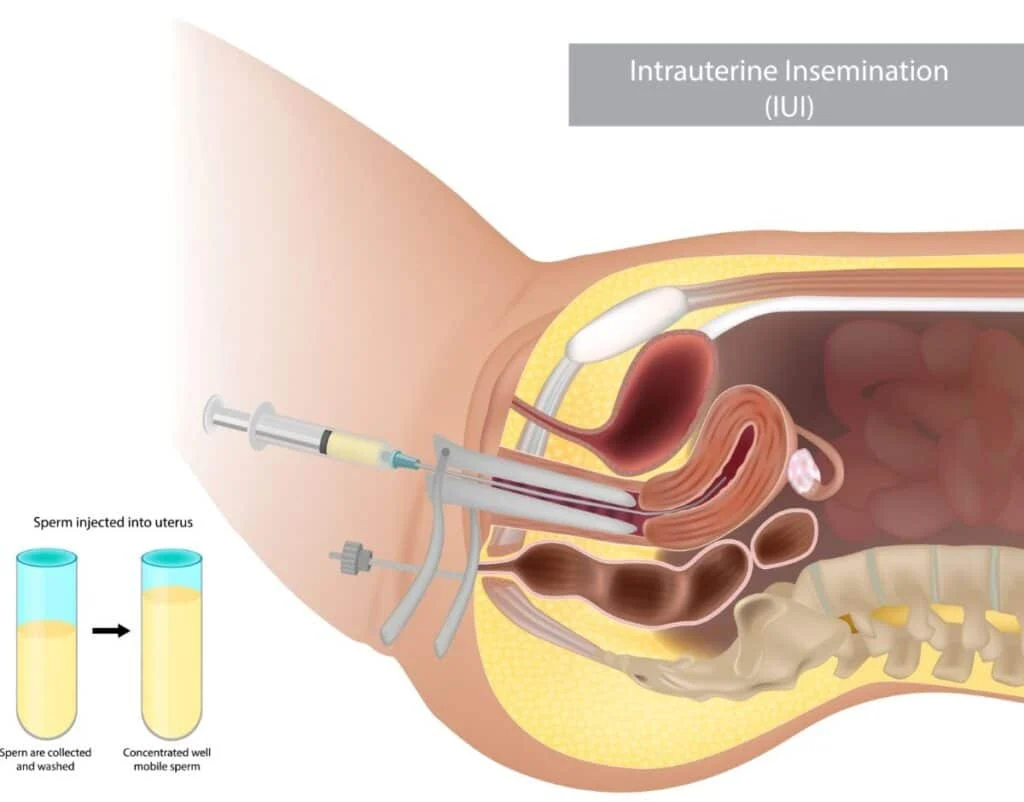
Before delving into the emotional aspects, it is important to have a basic understanding of IUI and low-tech IVF. IUI involves the insertion of prepared sperm directly into the uterus, bypassing the cervix, and increasing the chances of fertilization. This procedure is often recommended for couples with mild fertility issues or in cases where the cause of infertility is unknown. On the other hand, low-tech IVF is a simplified version of traditional IVF, which involves the retrieval of eggs from the ovaries, fertilization in a lab, and then transferring the embryo back into the uterus. Unlike traditional IVF, low-tech IVF uses minimal fertility drugs, making it a more affordable option for couples.
The Emotional Rollercoaster of IUI
For many couples, IUI is often the first step towards starting a family. The procedure is relatively simple, non-invasive, and less expensive compared to other ART methods. However, this does not mean it is not emotionally challenging. The first hurdle comes with the waiting period before the actual procedure. Couples have to wait for the right time in the woman’s cycle, which can be emotionally draining, especially for those who have been trying to conceive for a long time.
Once the procedure is done, the two-week wait for the pregnancy test can be another emotional challenge. The anticipation, hope, and fear of another negative result can be overwhelming. If the test is positive, it brings immense joy and relief, but if it is negative, it can lead to disappointment, frustration, and even grief. The emotional impact of a failed IUI cycle can be particularly hard on couples who have been trying for a long time and have invested a lot of time, money, and hope into the procedure.
The Emotional Rollercoaster: Intrauterine Insemination vs Low-Tech IVF
The Emotional Rollercoaster of Low-Tech IVF
Low-tech IVF, while a more affordable option, still comes with its own set of emotional challenges. The process of retrieving eggs can be physically and emotionally taxing for the woman. The hormone injections, monitoring appointments, and the fear of not producing enough eggs can cause anxiety and stress. The retrieval procedure itself can also be uncomfortable and may result in side effects such as bloating, cramping, and mood swings.
The fertilization process and the waiting period for embryo transfer can also be emotionally difficult for couples. The uncertainty of how many embryos will be viable and the fear of not having any to transfer can cause immense stress and anxiety. The two-week wait for the pregnancy test can also be a rollercoaster of emotions, with the added pressure of knowing that this may be the couple’s only chance at conceiving with low-tech IVF. A positive result can bring joy and relief, but a negative result can be devastating for couples who have put all their hopes and resources into this one cycle.
Coping with the Emotional Rollercoaster
Dealing with the emotional challenges of IUI and low-tech IVF can be overwhelming, but there are ways to cope with the rollercoaster of emotions. Firstly, it is important to acknowledge and accept that the process can be emotionally taxing. It is okay to feel disappointed, frustrated, or sad after a failed cycle. Talking to a therapist or joining a support group can also help couples navigate their emotions and cope with the ups and downs of the procedures.
It is also crucial to communicate openly and support each other as a couple. Both partners may have different ways of dealing with the emotional impact of the procedures, and it is important to respect and understand each other’s coping mechanisms. Taking breaks between cycles and finding ways to relax and de-stress can also help couples navigate the emotional challenges of ART.
In conclusion, the emotional rollercoaster of IUI and low-tech IVF can be overwhelming for couples struggling with infertility. The waiting, uncertainty, and fear of disappointment can take a toll on one’s mental and emotional well-being. However, with support, communication, and self-care, couples can navigate these challenges and hold onto hope and resilience as they continue on their journey to parenthood.