Intrauterine Insemination vs Low-Tech IVF: The Role of Male Fertility
When it comes to treating infertility, there are various options available for couples to consider. Two common methods are Intrauterine Insemination (IUI) and Low-Tech In Vitro Fertilization (IVF). Both of these procedures involve introducing sperm into the female reproductive tract in hopes of achieving pregnancy. However, there are significant differences in the techniques and success rates of these procedures, especially when it comes to the role of male fertility. In this blog post, we will explore the differences between IUI and Low-Tech IVF and the impact of male fertility on these procedures.
Intrauterine Insemination (IUI) is a relatively simple and non-invasive procedure that involves placing washed and concentrated sperm directly into the uterus around the time of ovulation. This method is often used for couples who have unexplained infertility, mild male factor infertility, or issues with cervical mucus. The goal of IUI is to increase the chances of sperm reaching and fertilizing the egg by bypassing any potential barriers in the reproductive tract.
On the other hand, Low-Tech IVF involves a more complex process of stimulating the ovaries to produce multiple eggs, retrieving the eggs, and fertilizing them with sperm in a laboratory setting. The embryos are then transferred back into the uterus for potential implantation. This method is typically recommended for couples who have more severe infertility issues, such as blocked fallopian tubes or advanced maternal age. Unlike IUI, Low-Tech IVF requires more monitoring and medical intervention, making it a more invasive and expensive option.
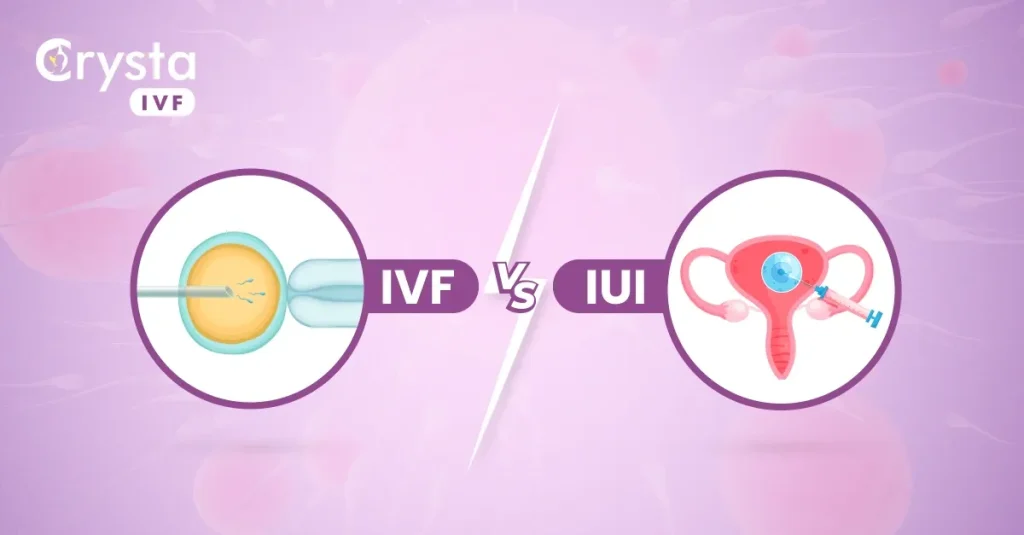
Intrauterine Insemination vs Low-Tech IVF: The Role of Male Fertility
One of the main differences between IUI and Low-Tech IVF is the role of male fertility. In IUI, the success of the procedure heavily relies on the quality and quantity of the male partner’s sperm. If the sperm is not viable, the chances of pregnancy are significantly reduced. Therefore, a thorough evaluation of the male partner’s fertility is crucial before undergoing IUI. This may include a semen analysis to assess sperm count, motility, and morphology.
In contrast, Low-Tech IVF is a more effective option for couples with male factor infertility. Since the eggs and sperm are intentionally brought together in a controlled laboratory environment, the quality and quantity of the sperm have less of an impact on the success of the procedure. This is because the sperm is selected and directly injected into the egg, increasing the chances of fertilization. However, this does not mean that male fertility is not a factor in Low-Tech IVF. A semen analysis is still recommended to ensure the best possible outcome.
Another important factor to consider is the success rates of these procedures. According to the American Society for Reproductive Medicine, the success rate for IUI is around 10-15% per cycle, while Low-Tech IVF has a success rate of 25-30% per cycle. These success rates can vary depending on individual factors such as age, overall health, and fertility issues. However, it is clear that Low-Tech IVF has a higher success rate compared to IUI, making it a preferred option for couples with more severe infertility issues.
In addition to the role of male fertility, there are other factors to consider when deciding between IUI and Low-Tech IVF. These include the cost, invasiveness, and emotional toll of the procedures. IUI is a less expensive and less invasive option compared to Low-Tech IVF, which may require multiple rounds of treatment and more medical intervention. Additionally, going through fertility treatments can be emotionally taxing for couples, and it is important to choose the option that feels right for both partners.
In conclusion, both Intrauterine Insemination (IUI) and Low-Tech In Vitro Fertilization (IVF) are viable options for couples struggling with infertility. However, the role of male fertility differs in these procedures, with IUI relying heavily on the quality and quantity of sperm and Low-Tech IVF being a more effective option for couples with male factor infertility. It is important for couples to consult with a fertility specialist and consider all factors before deciding on the best treatment option for their unique situation.