Blog Post:
Sperm analysis and semen analysis are crucial diagnostic tools used to evaluate male fertility. These tests provide important information about the quality, quantity, and viability of sperm, as well as any potential underlying issues that may be affecting fertility. While lifestyle factors such as diet, exercise, and environmental toxins can all impact sperm health, genetics and hereditary factors also play a significant role. In this blog post, we will explore the impact of genetics and hereditary factors on sperm analysis and semen analysis.
Genetics and Sperm Health:
Genetics refers to the study of heredity and the passing down of traits from one generation to the next. In the case of sperm health, genetics can affect the production, structure, and function of sperm. This is because sperm development is a complex process that involves the expression of multiple genes.
One of the most well-known genetic conditions that can affect sperm health is Klinefelter syndrome. This condition occurs when a male has an extra X chromosome, resulting in low sperm count and poor sperm motility. Other genetic disorders that can impact sperm health include cystic fibrosis, hemochromatosis, and single-gene mutations like cystinuria and Kartagener syndrome.
Additionally, certain genetic variations can also impact sperm parameters. For example, a polymorphism in the FSH receptor gene has been linked to poor sperm motility. Similarly, mutations in the androgen receptor gene can result in decreased sperm production and quality.
Hereditary Factors and Sperm Health:
Hereditary factors are traits that are passed down from parents to their offspring. These factors can include physical characteristics, such as eye and hair color, but they can also influence health and fertility. When it comes to sperm health, hereditary factors can affect sperm parameters in various ways.
For instance, certain medical conditions can be hereditary and impact sperm health. These may include diabetes, hypertension, and obesity, all of which are known to affect sperm quality and fertility. Additionally, lifestyle factors such as smoking and excessive alcohol consumption can also be hereditary, and these can contribute to male infertility.
Another hereditary factor that can impact sperm health is the presence of Y chromosome microdeletions. These are small deletions in the genetic material of the Y chromosome and are associated with reduced sperm count and motility. Men with Y chromosome microdeletions may also have a higher risk of passing on these genetic abnormalities to their male offspring.
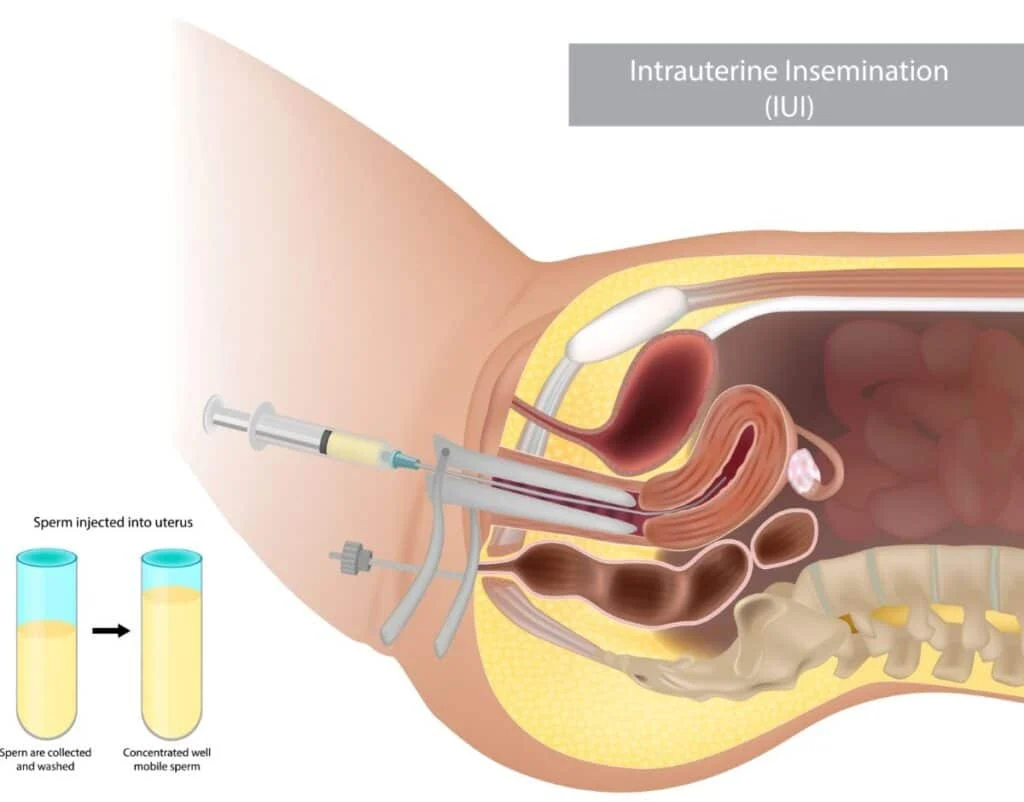
Sperm Analysis and Semen Analysis: The Impact of Genetics and Hereditary Factors
Genetic Testing for Male Infertility:
With the advancement of genetic testing technologies, it is now possible to identify genetic factors that may be contributing to male infertility. These tests can help diagnose genetic disorders, identify genetic variations, or detect Y chromosome microdeletions. This information can be crucial in determining the most appropriate treatment plan for couples struggling with male factor infertility.
Genetic testing for male infertility may involve a simple blood test or a more invasive procedure, such as a testicular biopsy. In some cases, genetic testing may also be recommended for the female partner to rule out any potential genetic issues that may be impacting fertility.
The Role of Epigenetics in Sperm Health:
While genetics refer to the inherited genetic material from parents, epigenetics are changes that occur in gene expression without altering the underlying genetic code. These changes can be influenced by environmental factors, diet, lifestyle, and other external factors.
Research has shown that epigenetic modifications can impact sperm health and fertility. For example, exposure to environmental toxins such as pesticides and heavy metals can lead to epigenetic changes in sperm, affecting sperm quality and fertility. Similarly, a poor diet and sedentary lifestyle can also result in epigenetic changes that can impact sperm health.
It is essential to note that epigenetic changes can also be passed down from one generation to the next, which can have a significant impact on the health and fertility of future offspring. Therefore, it is crucial for men to maintain a healthy lifestyle and avoid exposure to harmful environmental factors to protect their sperm health and the health of their future children.
In conclusion, while genetics and hereditary factors play a significant role in sperm health and male fertility, it is essential to note that these factors are not the only determinants. Lifestyle and environmental factors can also impact sperm health and fertility, and it is crucial for men to take proactive steps to maintain their overall health and well-being.
Summary:
Sperm analysis and semen analysis are important diagnostic tools used to evaluate male fertility. Genetics and hereditary factors can play a significant role in sperm health, with conditions like Klinefelter syndrome and Y chromosome microdeletions impacting fertility. Additionally, environmental factors and lifestyle choices can also affect sperm health through epigenetic changes. Genetic testing can help identify underlying genetic issues and inform treatment plans for couples struggling with male factor infertility.