Tag: sperm analysis

  • Male vs Female Fertility Tests: Which One is More Accurate?

    Male vs Female Fertility Tests: Which One is More Accurate?

    When a couple is trying to conceive, it’s natural to want to know if there are any potential issues with fertility. In the past, fertility testing was often focused on the female partner, but now there are options for both men and women to get tested. But with so many different tests available, which one is more accurate? In this blog post, we will explore the differences between male and female fertility tests and determine which one is more accurate.

    Female Fertility Tests

    Traditionally, fertility testing has been focused on women. The most common test is a blood test that measures the levels of hormones involved in the menstrual cycle, such as estrogen, progesterone, and follicle-stimulating hormone (FSH). These tests can indicate if a woman is ovulating regularly and can also detect any hormonal imbalances that may be affecting fertility.

    Another common test for women is a transvaginal ultrasound, which uses high-frequency sound waves to create images of the uterus, ovaries, and fallopian tubes. This can help identify any structural issues, such as blocked fallopian tubes or ovarian cysts, that may be hindering fertility.

    In some cases, a hysterosalpingogram (HSG) may be recommended. This test involves injecting dye into the uterus and taking X-ray images to check for any blockages in the fallopian tubes.

    While these tests can provide valuable information about a woman’s fertility, they are not always accurate. Hormone levels can fluctuate, and structural issues may not always be detected. Additionally, these tests do not provide any information about the man’s fertility, which is equally important in the conception process.

    Male Fertility Tests

    doctor discussing treatment with a patient in a medical office, featuring an ultrasound machine in the background

    Male vs Female Fertility Tests: Which One is More Accurate?

    In recent years, there has been a greater emphasis on male fertility testing. The most common test for men is a semen analysis, which measures the number, shape, and movement of sperm. This test can detect issues such as low sperm count, poor sperm motility (movement), and abnormal sperm shape.

    Another test that may be recommended for men is a hormone evaluation, which measures the levels of testosterone and other hormones involved in sperm production. This can help identify any hormonal imbalances that may be affecting sperm production.

    In some cases, a physical exam may also be performed to check for any physical issues, such as varicoceles (enlarged veins in the testicles) or blockages in the reproductive tract.

    Compared to female fertility tests, male fertility tests are generally more accurate. This is because the quality of sperm is a better indicator of fertility than hormone levels or structural issues. Additionally, a semen analysis can provide a more comprehensive picture of a man’s fertility, as it measures both the quantity and quality of sperm.

    Which One is More Accurate?

    While both male and female fertility tests have their advantages, it’s difficult to determine which one is more accurate. In some cases, both partners may need to undergo testing to get a complete understanding of their fertility.

    It’s also important to remember that fertility is a complex issue and cannot be determined solely by testing. Lifestyle factors, such as diet, exercise, and stress levels, can also play a significant role in fertility.

    Summary:

    When it comes to fertility testing, both men and women have options available to them. Female fertility tests, such as blood tests and ultrasounds, can provide information about hormonal levels and structural issues that may affect fertility. However, these tests are not always accurate and do not provide any information about the man’s fertility. Male fertility tests, such as semen analysis and hormone evaluations, are generally more accurate as they measure the quality of sperm, which is a better indicator of fertility. Ultimately, both partners may need to undergo testing to get a complete understanding of their fertility, and lifestyle factors should also be taken into consideration.

  • Sperm Analysis vs Semen Analysis: Which is More Reliable for Predicting Pregnancy?

    Blog post summary:

    When it comes to predicting pregnancy, there are two types of tests commonly used: sperm analysis and semen analysis. Both of these tests examine the quality and quantity of sperm in a man’s ejaculate, but they differ in their methods and accuracy. In this blog post, we will take a closer look at sperm analysis vs semen analysis and determine which one is more reliable for predicting pregnancy.

    Sperm analysis, also known as a sperm count, measures the number of sperm present in a semen sample. This test is often the initial step in diagnosing male infertility and can also be used to assess the efficacy of a vasectomy. During a sperm analysis, a sample of semen is collected and examined under a microscope to determine the sperm count, shape, and movement. The World Health Organization has established guidelines for what constitutes a normal sperm count, with at least 15 million sperm per milliliter considered normal.

    On the other hand, semen analysis looks at the overall composition of semen, including sperm count, volume, pH level, and fructose levels. This test is typically used to assess the overall health and fertility of a man’s reproductive system. A semen analysis may also be used to detect any underlying medical conditions that may be affecting fertility.

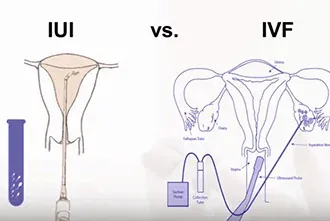
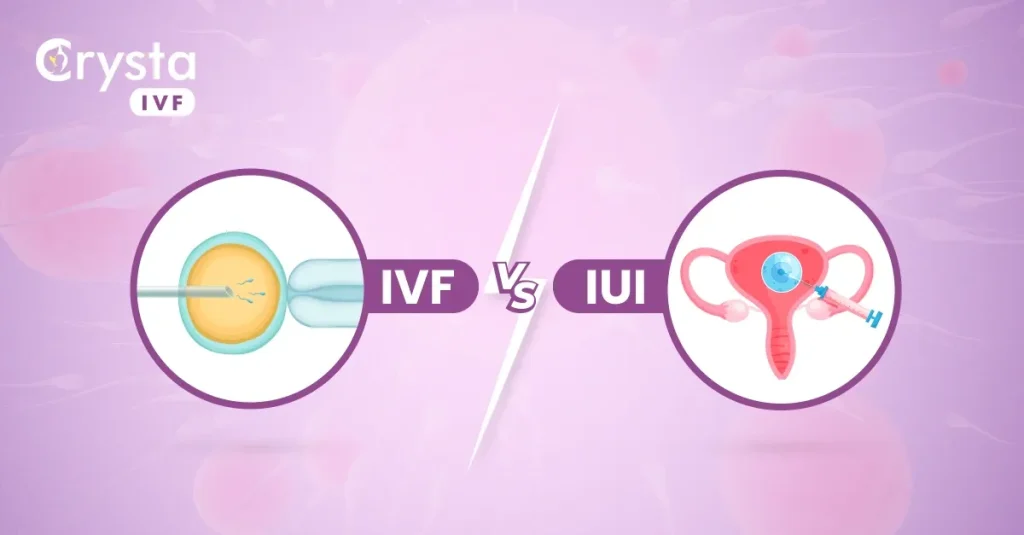
    Comparison of IUI and IVF with illustrations of each procedure.

    Sperm Analysis vs Semen Analysis: Which is More Reliable for Predicting Pregnancy?

    Both sperm analysis and semen analysis have their merits and limitations. Sperm analysis provides a specific count of sperm, which is essential for determining male fertility. However, it does not take into account the overall quality of the sperm, such as its shape and movement. On the other hand, semen analysis provides a more comprehensive view of sperm quality, but it is not as accurate in determining the exact number of sperm present.

    So, which one is more reliable for predicting pregnancy? The answer is that both tests are necessary for a complete assessment of male fertility. While sperm analysis may be more accurate in determining the number of sperm present, semen analysis provides valuable information about the overall health of the sperm, which can greatly impact fertility.

    Moreover, both tests can also be affected by external factors, such as stress, illness, or lifestyle habits. For this reason, it is best to have multiple tests done over a period of time to get a more accurate picture of male fertility.

    In conclusion, sperm analysis and semen analysis are both essential tools for predicting pregnancy and assessing male fertility. While sperm analysis may provide a more specific sperm count, semen analysis offers a more comprehensive view of sperm quality. Both tests should be used together to get the most accurate prediction of pregnancy.

  • Sperm Analysis and Semen Analysis: How Do They Impact Male Mental Health?

    As men, our sexual and reproductive health is often not discussed or prioritized. However, it has a significant impact on our overall well-being, including our mental health. One aspect of male reproductive health that is often overlooked is sperm and semen analysis. These tests can provide crucial information about a man’s fertility and overall health. In this blog post, we will explore the importance of sperm analysis and semen analysis and how they can impact male mental health.

    What is Sperm Analysis?

    Sperm analysis, also known as a semen analysis, is a test that measures the quantity, quality, and movement of sperm in a man’s semen. It is a crucial tool in assessing male fertility and identifying potential issues that may affect a man’s ability to father a child.

    The test involves collecting a sample of semen, which is then analyzed in a laboratory. The analysis includes measuring the volume of semen, the number of sperm, the shape and size of the sperm, and their ability to move. These factors are essential in determining a man’s fertility and the likelihood of successful fertilization.

    What is Semen Analysis?

    Semen analysis is a broader term that includes not only the analysis of sperm but also the other components of semen, such as proteins, enzymes, and other cells. This test can provide valuable information about a man’s reproductive health, including the presence of infections or other underlying conditions that may affect fertility.

    How Do They Impact Male Mental Health?

    The results of sperm and semen analysis can have a significant impact on a man’s mental health. For many men, the desire to have children and start a family is a significant aspect of their lives. When faced with potential fertility issues, men may experience feelings of inadequacy, stress, and anxiety. This can lead to a negative impact on their mental health, causing depression, low self-esteem, and even relationship problems.

    Fertility issues can also cause a sense of isolation and shame for men, as society often places a strong emphasis on men’s ability to father children. This can lead to feelings of guilt and failure, which can significantly affect a man’s mental well-being.

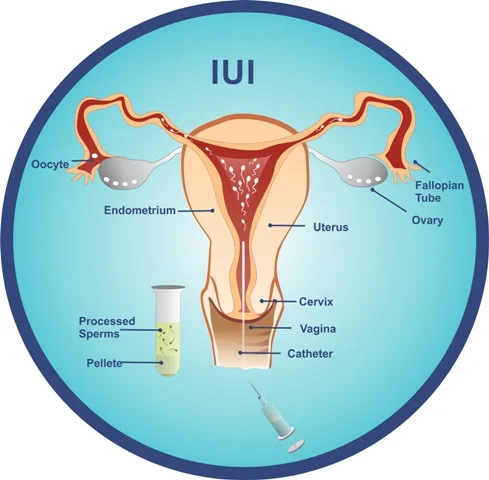
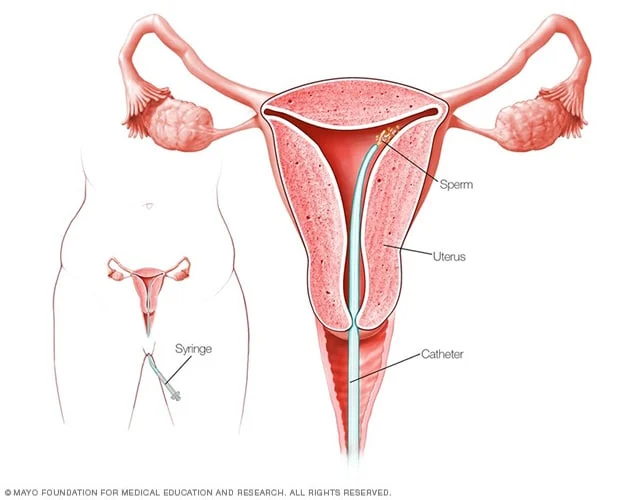
    diagram illustrating intrauterine insemination (IUI) procedure with uterus, sperm, and catheter labeled

    Sperm Analysis and Semen Analysis: How Do They Impact Male Mental Health?

    In addition to the emotional impact, sperm and semen analysis results can also have practical implications on a man’s mental health. For example, if the results indicate a low sperm count or other fertility issues, it may require medical interventions that can be physically and emotionally taxing, such as hormone therapy, surgery, or assisted reproductive techniques.

    Furthermore, the financial burden of fertility treatment can also cause significant stress and anxiety for men. Many insurance plans do not cover fertility treatments, leaving couples to bear the cost themselves. This added financial pressure can have a negative impact on a man’s mental health, leading to feelings of stress, hopelessness, and even anger.

    Ways to Cope with Sperm and Semen Analysis Results

    Receiving news of fertility issues can be devastating for men. However, there are ways to cope with the results and support mental well-being.

    One way is to seek support from loved ones, whether it be a partner, family member, or friend. Talking about one’s feelings can help alleviate the emotional burden and provide a sense of comfort and understanding.

    Additionally, seeking professional support from a therapist or counselor can also be beneficial. They can provide a safe space to express emotions and offer coping strategies to manage stress and anxiety.

    Maintaining a healthy lifestyle, including a balanced diet, regular exercise, and managing stress, can also help improve overall physical and mental well-being. It is also essential to communicate openly with healthcare providers and ask questions to fully understand the results and potential treatment options.

    In some cases, men may also benefit from joining support groups or online communities where they can connect with others who have experienced similar fertility issues. This can provide a sense of belonging and reduce feelings of isolation and shame.

    Conclusion

    In conclusion, sperm and semen analysis may seem like a routine medical test, but they have a significant impact on male mental health. Fertility issues can cause a range of emotional and practical challenges for men, leading to feelings of stress, anxiety, and low self-esteem. It is essential to seek support and take care of one’s mental and physical well-being when facing such challenges. By understanding the importance of sperm and semen analysis and utilizing coping strategies, men can navigate these challenges and maintain their mental health.

  • Sperm Analysis and Semen Analysis: The Role of Diet and Nutrition

    Blog Post Title: Sperm Analysis and Semen Analysis: The Role of Diet and Nutrition

    Sperm analysis and semen analysis are important tests used to assess male fertility and reproductive health. These tests help to evaluate the quantity, quality, and movement of sperm, as well as the overall health of the semen. While there are many factors that can affect these tests, one important factor that often gets overlooked is diet and nutrition. In this blog post, we will explore the role of diet and nutrition in sperm and semen health, and how making small changes to your diet can have a significant impact on your fertility.

    Understanding Sperm Analysis and Semen Analysis

    Before diving into the connection between diet and sperm/semen health, it’s important to understand what these tests measure and why they are important.

    Sperm analysis, also known as a semen analysis, is a laboratory test that evaluates the quantity and quality of sperm in a semen sample. This test is typically done to assess male fertility and to diagnose any potential issues that may be causing infertility. During a sperm analysis, the sample is evaluated for sperm count, sperm motility (movement), and sperm morphology (shape).

    On the other hand, semen analysis is a broader test that not only evaluates sperm but also looks at other components of semen such as fructose, pH level, and white blood cells. This test helps to assess the overall health of the semen and can provide clues about potential underlying health issues.

    Diet and Nutrition: The Impact on Sperm and Semen Health

    Numerous studies have shown a link between diet and male fertility. A balanced and nutritious diet is essential for overall health, including reproductive health. When it comes to sperm and semen health, there are several key nutrients that have been found to play a crucial role.

    1. Antioxidants

    Antioxidants are substances that protect cells from oxidative stress, a process that can damage cells and tissues. In the case of sperm and semen, oxidative stress can lead to DNA damage and impaired sperm function. Therefore, antioxidants are crucial for maintaining the health of sperm and semen.

    Some of the most important antioxidants for male fertility include vitamins C and E, beta-carotene, and selenium. These can be found in a variety of foods such as fruits, vegetables, nuts, and seeds. Foods rich in antioxidants include berries, citrus fruits, leafy greens, and almonds.

    2. Zinc

    Zinc is an essential mineral that plays a crucial role in male reproductive health. It is involved in sperm production, sperm motility, and testosterone production. Studies have shown that low levels of zinc can lead to reduced sperm count and motility, as well as erectile dysfunction.

    illustration of IUI procedure with text on symptoms, reasons, and causes of IUI failure

    Sperm Analysis and Semen Analysis: The Role of Diet and Nutrition

    Foods high in zinc include oysters, beef, poultry, beans, and nuts. It is important to note that excessive zinc intake can also have negative effects, so it’s best to consult with a healthcare professional before taking any supplements.

    3. Omega-3 Fatty Acids

    Omega-3 fatty acids are a type of healthy fat that has been linked to numerous health benefits. When it comes to male fertility, these fats have been found to improve sperm count, motility, and morphology. They also have anti-inflammatory properties that can protect against oxidative stress.

    Some of the best sources of omega-3 fatty acids include fatty fish like salmon and sardines, as well as flaxseeds, chia seeds, and walnuts.

    4. Vitamin D

    Vitamin D is another important nutrient for male reproductive health. It has been found to improve sperm motility and increase testosterone levels. Low levels of vitamin D have also been linked to erectile dysfunction and other fertility issues.

    The best source of vitamin D is sunlight, but it can also be found in fatty fish, egg yolks, and fortified dairy products.

    5. Lycopene

    Lycopene is a powerful antioxidant found in red fruits and vegetables such as tomatoes, watermelon, and red peppers. Studies have shown that lycopene can improve sperm count, motility, and morphology.

    Summary:

    Sperm analysis and semen analysis are important tests used to assess male fertility and reproductive health. These tests measure the quantity, quality, and movement of sperm, as well as the overall health of the semen. While there are many factors that can affect these tests, one important factor that often gets overlooked is diet and nutrition.

    A balanced and nutritious diet is essential for overall health, including reproductive health. Some key nutrients that have been found to play a crucial role in sperm and semen health include antioxidants, zinc, omega-3 fatty acids, vitamin D, and lycopene.

    By including foods rich in these nutrients in your diet, you can improve your sperm and semen health and increase your chances of conception. However, it’s important to consult with a healthcare professional before making any drastic changes to your diet or taking supplements.

    In conclusion, diet and nutrition can have a significant impact on sperm and semen health. By making small changes to your diet and incorporating more nutrient-rich foods, you can improve your overall reproductive health and increase your chances of becoming a father.

  • Sperm Analysis vs Semen Analysis: Which is More Helpful for Male Fertility Treatment?

    Blog Post:

    When it comes to diagnosing male fertility issues and determining the best course of treatment, sperm analysis and semen analysis are two common procedures that are often used. While these terms are sometimes used interchangeably, they are actually two different tests with distinct purposes. In this blog post, we will delve into the differences between sperm analysis and semen analysis, and discuss which one is more helpful for male fertility treatment.

    Sperm Analysis:
    Sperm analysis, also known as a semen analysis, is a common test used to evaluate the quality and quantity of sperm in a man’s ejaculate. This test is typically the first step in diagnosing male fertility issues, as it provides important information about sperm count, motility, and morphology (shape and size). A sperm analysis is usually recommended for men who have been trying to conceive for at least a year without success, or for those who have risk factors for male infertility such as illness, injury, or certain lifestyle habits.

    The Procedure:
    During a sperm analysis, a man will be asked to provide a semen sample through masturbation or by using a special condom during intercourse. The sample is then sent to a laboratory where it is analyzed under a microscope. The technician will examine the sample for the number of sperm present, their movement (motility), and their shape and size (morphology). The results are typically available within a few days.

    Interpreting the Results:
    The results of a sperm analysis are measured against the World Health Organization’s (WHO) standards for normal sperm parameters. According to the current WHO guidelines, a man is considered to have a normal sperm count if he has at least 15 million sperm per milliliter of semen. Motility should be at least 40%, meaning that at least 40% of the sperm are moving in a forward direction. And at least 4% of the sperm should have a normal shape and size. If any of these parameters fall below the normal range, it may indicate a potential fertility issue.

    Limitations of Sperm Analysis:
    While sperm analysis is a useful tool for evaluating semen quality, it does have its limitations. For one, it does not provide any information about the function of the sperm, which is also an important factor in fertility. Additionally, a man’s sperm can fluctuate in quality and quantity over time, which means that a single sperm analysis may not accurately reflect his overall fertility potential. Therefore, it is recommended to have at least two sperm analyses done, a few weeks apart, to get a more accurate picture.

    Comparison of IUI and IVF treatments with diagrams of reproductive anatomy.

    Sperm Analysis vs Semen Analysis: Which is More Helpful for Male Fertility Treatment?

    Semen Analysis:
    Semen analysis is a more comprehensive test that not only evaluates sperm quality, but also looks at the other components of semen such as fructose, pH levels, and white blood cell count. This test is typically recommended for men who have had abnormal sperm analysis results or for those who are undergoing assisted reproductive techniques, such as in vitro fertilization (IVF).

    The Procedure:
    The procedure for a semen analysis is similar to that of a sperm analysis, where a man provides a semen sample that is then sent to a lab for analysis. However, in addition to evaluating sperm parameters, the lab technician will also look at the other components of semen, such as the amount of fructose present, which is an indicator of sperm health, and the pH level, which can affect sperm motility.

    Interpreting the Results:
    The results of a semen analysis are based on the WHO guidelines, but with more parameters taken into consideration. For example, the normal range for fructose is 13-94 mg/dL, and a low level could indicate a blockage in the reproductive tract. A pH level between 7.2-8.0 is considered normal, and a high level could indicate a problem with the prostate gland. Additionally, a high white blood cell count in the semen could indicate an infection or inflammation.

    Which is More Helpful for Male Fertility Treatment?
    Both sperm analysis and semen analysis provide valuable information about a man’s fertility potential, but they serve different purposes. Sperm analysis is more focused on evaluating sperm quality, while semen analysis looks at a broader range of factors. Therefore, the more helpful test for male fertility treatment would depend on the specific needs of the individual. For example, if a man has a low sperm count, a sperm analysis would be more useful in determining the best course of treatment. However, if a man has a normal sperm count but is experiencing recurrent infections, a semen analysis would be more beneficial in identifying the underlying cause.

    In conclusion, sperm analysis and semen analysis are both important tools in diagnosing male fertility issues and determining the most effective treatment. While they may seem similar, they serve different purposes and should not be used interchangeably. It is important to consult with a fertility specialist to determine which test is best suited for each individual.

    Summary:
    Sperm analysis and semen analysis are two different tests used to evaluate male fertility issues. Sperm analysis focuses on the quality and quantity of sperm, while semen analysis looks at a broader range of factors including fructose levels, pH levels, and white blood cell count. Both tests have their limitations and their usefulness depends on the specific needs of the individual. It is important to consult with a fertility specialist to determine which test is best suited for each case.

  • Sperm Analysis and Semen Analysis: How Do They Affect Male Reproductive Health?

    Blog Post:

    The ability to reproduce is a fundamental part of human life. However, for many couples, conceiving a child can be a difficult and frustrating process. In fact, one in six couples in the United States struggle with infertility. While there are many factors that can contribute to infertility, one of the most important factors is male reproductive health. This is where sperm analysis and semen analysis come into play. These tests are used to evaluate the quality and quantity of sperm in a man’s semen, and they can provide valuable information about male reproductive health. In this blog post, we will delve into the details of sperm analysis and semen analysis, and how they affect male reproductive health.

    What is Sperm Analysis?

    Sperm analysis, also known as a sperm count, is a test that measures the number and quality of sperm in a man’s semen. The test is typically performed in a laboratory and involves examining a sample of semen under a microscope. A normal sperm count is considered to be between 15 million and 200 million sperm per milliliter of semen. If a man’s sperm count falls below this range, it can indicate a problem with his fertility.

    In addition to the number of sperm, sperm analysis also looks at the shape and movement of the sperm. Sperm with abnormal shapes or poor motility (movement) may have difficulty fertilizing an egg, leading to fertility issues. The test also checks for the presence of other substances, such as white blood cells, which can indicate an infection or inflammation in the reproductive system.

    What is Semen Analysis?

    Semen analysis is a broader test that evaluates the overall health of a man’s semen. It not only looks at sperm count, but also checks for the presence of other substances, including fructose, which is a nutrient that helps sperm survive in the female reproductive tract. Semen analysis also looks at the pH level of the semen, as well as the volume and viscosity (thickness) of the semen.

    Why are Sperm Analysis and Semen Analysis Important?

    Sperm analysis and semen analysis are important because they provide valuable information about a man’s reproductive health. If there is a problem with the quantity or quality of sperm, it can greatly affect a man’s ability to impregnate his partner. These tests can help identify potential fertility issues and allow for early intervention and treatment.

    In addition, sperm analysis and semen analysis can also provide insight into overall health. For example, a low sperm count or abnormal sperm can be a sign of an underlying health condition, such as hormonal imbalances or genetic disorders. In some cases, these tests may even detect early signs of testicular cancer.

    What Factors Can Affect Sperm Analysis and Semen Analysis?

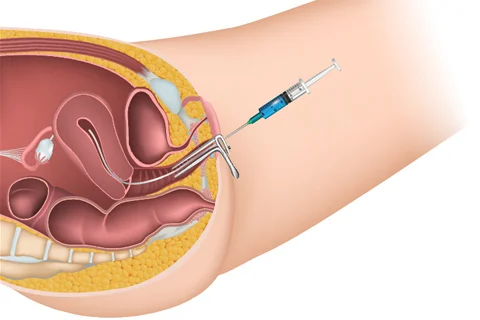
    illustration of intrauterine insemination procedure with a syringe and catheter in the uterus.

    Sperm Analysis and Semen Analysis: How Do They Affect Male Reproductive Health?

    There are several factors that can affect the results of sperm analysis and semen analysis. These include:

    1. Lifestyle Habits: Certain lifestyle habits, such as smoking, excessive alcohol consumption, and drug use, can have a negative impact on sperm count and quality.

    2. Age: As men age, their sperm count and quality may decrease. This is due to a decline in testosterone levels and the natural aging process.

    3. Medical Conditions: Medical conditions such as infections, hormonal imbalances, and genetic disorders can all affect sperm count and quality.

    4. Medications: Certain medications, including chemotherapy drugs and steroids, can interfere with sperm production and affect sperm quality.

    5. Environmental Factors: Exposure to toxins and chemicals, such as pesticides and radiation, can damage sperm and affect fertility.

    The Importance of Seeking Professional Help

    If you and your partner are struggling to conceive, it is important to seek professional help. A doctor can perform sperm analysis and semen analysis, as well as other tests, to identify any potential issues. They can also provide recommendations for treatment, which may include lifestyle changes, medication, or assisted reproductive techniques.

    Additionally, if you have any concerns about your reproductive health, it is important to speak with a healthcare professional. They can provide guidance and support and help you understand the results of your sperm analysis and semen analysis.

    Summary:

    Sperm analysis and semen analysis are important tests for evaluating male reproductive health. Sperm analysis measures the number and quality of sperm, while semen analysis looks at other factors such as pH level and volume of semen. These tests can provide valuable information about fertility and overall health. Factors such as lifestyle habits, age, and medical conditions can affect the results of these tests. Seeking professional help is crucial for identifying any potential issues and receiving appropriate treatment.

  • The Link Between Sperm Analysis, Semen Analysis, and Male Sexual Dysfunction

    The Link Between Sperm Analysis, Semen Analysis, and Male Sexual Dysfunction

    Sperm analysis and semen analysis are two medical tests that are often used to evaluate male fertility. While they may sound similar, they actually measure different aspects of male reproductive health. However, there is a growing body of research that suggests a link between these tests and male sexual dysfunction. In this blog post, we will explore the connection between sperm analysis, semen analysis, and male sexual dysfunction.

    What is Sperm Analysis?

    Sperm analysis, also known as a semen analysis, is a test that measures the quantity and quality of sperm in a man’s semen. This test is typically performed if a couple is having trouble conceiving or if a man is experiencing symptoms of low sperm count or poor sperm quality. During a sperm analysis, a sample of semen is collected and analyzed in a laboratory. The results of this test can provide valuable information about a man’s fertility and reproductive health.

    What is Semen Analysis?

    Semen analysis, on the other hand, is a broader test that evaluates the overall composition and health of semen. In addition to measuring sperm count and quality, semen analysis also looks at the volume, pH level, and presence of other substances such as white blood cells and fructose. This test is often used to diagnose conditions such as infections, hormonal imbalances, and ejaculatory duct obstruction.

    The Connection Between Sperm Analysis, Semen Analysis, and Male Sexual Dysfunction

    While sperm analysis and semen analysis are primarily used to assess male fertility, there is a growing body of evidence that suggests a link between these tests and male sexual dysfunction. Sexual dysfunction refers to a range of issues that can affect a man’s ability to have and enjoy sex. This includes conditions such as erectile dysfunction, premature ejaculation, and low libido.

    One study published in the Journal of Sexual Medicine found that men with abnormal sperm parameters were five times more likely to experience sexual dysfunction compared to men with normal sperm parameters. Another study found that men with ejaculatory dysfunction had significantly lower sperm motility and a higher percentage of abnormal sperm compared to men without this condition.

    diagram illustrating intrauterine insemination (IUI) with labeled reproductive anatomy and procedures

    The Link Between Sperm Analysis, Semen Analysis, and Male Sexual Dysfunction

    A possible explanation for this link is the role of hormones in both fertility and sexual function. Testosterone, the primary male sex hormone, plays a crucial role in sperm production and sexual desire. An imbalance in testosterone levels can lead to both fertility issues and sexual dysfunction. Additionally, conditions such as inflammation of the prostate or testicles, which can affect sperm production, have also been linked to sexual dysfunction.

    It is also important to note that sexual dysfunction can have a psychological component. Men who are experiencing fertility issues may feel anxious or stressed about their ability to father a child, which can impact their sexual performance and desire.

    Treatment Options

    If a man is experiencing both fertility issues and sexual dysfunction, it is essential to consult with a healthcare professional to determine the underlying cause. Depending on the diagnosis, treatment options may include lifestyle changes, medication, or therapy.

    For example, if hormonal imbalances are the cause, hormone replacement therapy may be prescribed. If inflammation is the issue, antibiotics or anti-inflammatory medications may be recommended. In cases where psychological factors are involved, therapy or counseling may be helpful.

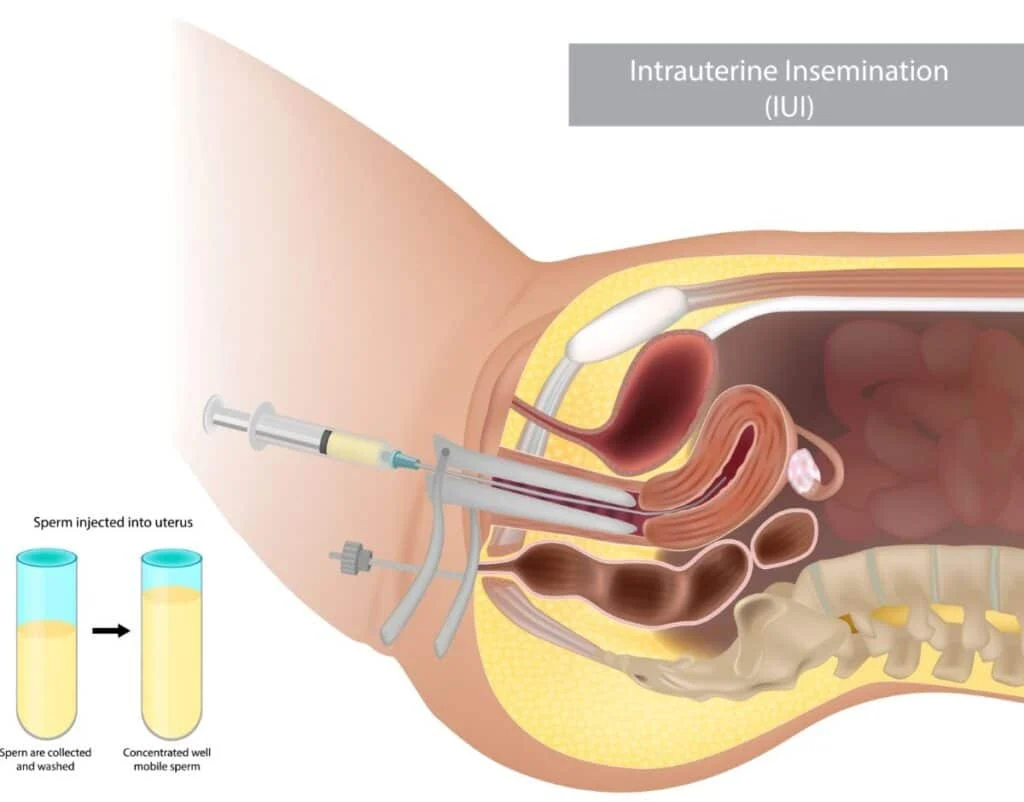
    In some cases, addressing fertility issues may also improve sexual function. For example, if a man is experiencing erectile dysfunction due to low sperm count, treatments such as intrauterine insemination or in vitro fertilization may increase the chances of conception and alleviate stress and anxiety.

    In conclusion, while sperm analysis and semen analysis are primarily used to evaluate male fertility, there is a growing body of evidence that suggests a link between these tests and male sexual dysfunction. Hormonal imbalances, inflammation, and psychological factors can all play a role in both fertility and sexual function. If you are experiencing symptoms of sexual dysfunction, it is essential to consult with a healthcare professional to determine the underlying cause and develop an appropriate treatment plan.

    Summary:

    Sperm analysis and semen analysis are two medical tests used to evaluate male fertility. However, recent research suggests a link between these tests and male sexual dysfunction. This link may be due to hormonal imbalances, inflammation, or psychological factors. Treatment options may include lifestyle changes, medication, or therapy. It is essential to consult with a healthcare professional for an accurate diagnosis and treatment plan.

  • Sperm Analysis and Semen Analysis: Common Misconceptions and Myths

    Blog Post: Sperm Analysis and Semen Analysis: Common Misconceptions and Myths

    When it comes to fertility and reproductive health, there are many myths and misconceptions surrounding sperm analysis and semen analysis. These procedures are often misunderstood and can cause unnecessary worry and stress for individuals and couples trying to conceive. In this blog post, we will debunk some of the common misconceptions and myths surrounding sperm analysis and semen analysis.

    Myth #1: Only men with fertility issues need to undergo sperm analysis.

    One of the biggest misconceptions about sperm analysis is that it is solely for men with fertility problems. In reality, sperm analysis is recommended for all men who are trying to conceive, regardless of whether they have a known fertility issue or not. It is a routine test that can provide valuable information about a man’s reproductive health, including sperm count, motility, and morphology. This information can help identify potential fertility issues and guide treatment options.

    Myth #2: Semen analysis and sperm analysis are the same thing.

    Although the terms are often used interchangeably, semen analysis and sperm analysis are not the same. Semen analysis is a test that examines the quality and quantity of semen, which is the fluid that carries sperm. On the other hand, sperm analysis specifically looks at the health and characteristics of the sperm within the semen. While semen analysis is a part of sperm analysis, the latter provides more detailed information about the sperm, which can be crucial in determining fertility potential.

    Myth #3: The results of sperm analysis are always accurate.

    While sperm analysis is a valuable tool in assessing reproductive health, it is not infallible. The results can vary depending on factors such as stress, illness, and medications. Additionally, the results can also be affected by laboratory errors or improper handling of the sample. It is essential to follow the instructions provided by the healthcare provider for collecting and handling the semen sample to ensure accurate results.

    Comparison of IVF and IUI procedures with illustrations of each method.

    Sperm Analysis and Semen Analysis: Common Misconceptions and Myths

    Myth #4: Sperm analysis can determine a man’s overall fertility.

    Sperm analysis is just one aspect of assessing a man’s fertility potential. While it can provide valuable information about sperm health, it does not paint the full picture of a man’s fertility. Other factors, such as hormonal balance, genetic factors, and overall health, can also play a significant role in fertility. Therefore, it is essential to discuss the results of sperm analysis with a healthcare provider to get a comprehensive evaluation of fertility potential.

    Myth #5: A low sperm count means a man cannot father a child.

    One of the most common fears surrounding sperm analysis is the concern that a low sperm count means a man cannot father a child. While a low sperm count can make conception more challenging, it does not necessarily mean a man cannot father a child. There have been many cases where men with low sperm counts have successfully fathered children through assisted reproductive technologies, such as intrauterine insemination (IUI) or in vitro fertilization (IVF). It is crucial to remember that fertility is not solely determined by sperm count, and there are other options available for couples struggling with conception.

    Myth #6: Sperm analysis is a one-time test.

    Sperm analysis is not a one-time test, and the results can change over time. Factors such as age, lifestyle habits, and health conditions can affect sperm quality. Therefore, it is recommended to repeat the test after a few months to get a more accurate picture of a man’s reproductive health. If the results show any abnormalities, further testing may be necessary to determine the cause and appropriate treatment.

    Myth #7: Sperm analysis is only needed for heterosexual couples.

    Another common misconception is that sperm analysis is only necessary for heterosexual couples. This is not true, as sperm analysis can be beneficial for all individuals or couples trying to conceive, regardless of sexual orientation or relationship status. It is a crucial aspect of reproductive health, and everyone should have access to it.

    In summary, sperm analysis and semen analysis are essential tools in assessing male fertility potential. However, there are many misconceptions and myths surrounding these procedures. It is essential to understand the facts and seek guidance from a healthcare provider to get a comprehensive evaluation of reproductive health.

  • Sperm Analysis vs Semen Analysis: Which is More Accurate for Diagnosing Male Infertility?

    Blog Post:

    When a couple is struggling with infertility, it is often assumed that the issue lies with the female partner. However, male infertility is just as common and can be a contributing factor in up to 50% of cases. In order to determine the cause of male infertility, doctors may recommend either a sperm analysis or a semen analysis. Both tests are used to evaluate the quality and quantity of sperm, but there are some key differences that can affect their accuracy. In this blog post, we will explore the differences between sperm analysis and semen analysis and determine which one is more accurate in diagnosing male infertility.

    Sperm Analysis:

    Sperm analysis, also known as a sperm count, is a laboratory test that evaluates the number, shape, and movement of sperm in a sample. This test is typically done by collecting a semen sample through masturbation and examining it under a microscope. The World Health Organization (WHO) has established guidelines for what is considered a normal sperm count, which is typically around 15 million sperm per milliliter of semen. A sperm count below this number may indicate male infertility.

    Sperm analysis is a relatively simple and non-invasive procedure that can be done in a fertility clinic or at home using a home sperm test kit. However, there are some limitations to this test. Sperm count can vary from day to day, so multiple tests may be needed to get an accurate result. Additionally, sperm can be affected by lifestyle factors such as alcohol consumption, smoking, and certain medications. This means that a single sperm analysis may not give a complete picture of a man’s fertility.

    Semen Analysis:

    test tube with sperm in blue liquid, promoting IUI success rate and factors influencing fertility.

    Sperm Analysis vs Semen Analysis: Which is More Accurate for Diagnosing Male Infertility?

    Semen analysis, on the other hand, is a more comprehensive test that evaluates not only the sperm count but also the overall quality of the semen. This includes the volume of semen, pH levels, and the presence of any infections or abnormalities. Unlike sperm analysis, semen analysis also requires the collection of the entire ejaculate, not just a small sample of it.

    Semen analysis is typically done in a laboratory setting and can take up to a week to get results. It is a more invasive procedure as it requires the use of a special condom or collection cup during intercourse to collect the entire ejaculate. This can be uncomfortable and may not be feasible for all couples.

    Which is More Accurate?

    Both sperm analysis and semen analysis have their own set of advantages and limitations, making it difficult to determine which one is more accurate in diagnosing male infertility. Sperm analysis is a quick and easy test that can be done at home, but it only evaluates the quantity of sperm and not the quality. On the other hand, semen analysis provides a more comprehensive evaluation of the semen, but it is a more invasive and time-consuming procedure.

    Furthermore, the results of both tests can be affected by external factors such as stress, illness, and recent ejaculation. This means that a single test may not always give an accurate representation of a man’s fertility. In some cases, doctors may recommend both tests to get a more complete picture of a man’s fertility.

    Summary:

    In summary, sperm analysis and semen analysis are both important tests in diagnosing male infertility. Sperm analysis is a quick and easy test that evaluates the number, shape, and movement of sperm, while semen analysis provides a more comprehensive evaluation of the semen. However, both tests have their own set of limitations and external factors that can affect their accuracy. In some cases, doctors may recommend both tests to get a more complete picture of a man’s fertility and determine the best course of treatment.

  • Sperm Analysis and Semen Analysis: The Impact of Genetics and Hereditary Factors

    Blog Post:

    Sperm analysis and semen analysis are crucial diagnostic tools used to evaluate male fertility. These tests provide important information about the quality, quantity, and viability of sperm, as well as any potential underlying issues that may be affecting fertility. While lifestyle factors such as diet, exercise, and environmental toxins can all impact sperm health, genetics and hereditary factors also play a significant role. In this blog post, we will explore the impact of genetics and hereditary factors on sperm analysis and semen analysis.

    Genetics and Sperm Health:

    Genetics refers to the study of heredity and the passing down of traits from one generation to the next. In the case of sperm health, genetics can affect the production, structure, and function of sperm. This is because sperm development is a complex process that involves the expression of multiple genes.

    One of the most well-known genetic conditions that can affect sperm health is Klinefelter syndrome. This condition occurs when a male has an extra X chromosome, resulting in low sperm count and poor sperm motility. Other genetic disorders that can impact sperm health include cystic fibrosis, hemochromatosis, and single-gene mutations like cystinuria and Kartagener syndrome.

    Additionally, certain genetic variations can also impact sperm parameters. For example, a polymorphism in the FSH receptor gene has been linked to poor sperm motility. Similarly, mutations in the androgen receptor gene can result in decreased sperm production and quality.

    Hereditary Factors and Sperm Health:

    Hereditary factors are traits that are passed down from parents to their offspring. These factors can include physical characteristics, such as eye and hair color, but they can also influence health and fertility. When it comes to sperm health, hereditary factors can affect sperm parameters in various ways.

    For instance, certain medical conditions can be hereditary and impact sperm health. These may include diabetes, hypertension, and obesity, all of which are known to affect sperm quality and fertility. Additionally, lifestyle factors such as smoking and excessive alcohol consumption can also be hereditary, and these can contribute to male infertility.

    Another hereditary factor that can impact sperm health is the presence of Y chromosome microdeletions. These are small deletions in the genetic material of the Y chromosome and are associated with reduced sperm count and motility. Men with Y chromosome microdeletions may also have a higher risk of passing on these genetic abnormalities to their male offspring.

    Diagram illustrating intrauterine insemination (IUI) procedure with sperm injection into the uterus.

    Sperm Analysis and Semen Analysis: The Impact of Genetics and Hereditary Factors

    Genetic Testing for Male Infertility:

    With the advancement of genetic testing technologies, it is now possible to identify genetic factors that may be contributing to male infertility. These tests can help diagnose genetic disorders, identify genetic variations, or detect Y chromosome microdeletions. This information can be crucial in determining the most appropriate treatment plan for couples struggling with male factor infertility.

    Genetic testing for male infertility may involve a simple blood test or a more invasive procedure, such as a testicular biopsy. In some cases, genetic testing may also be recommended for the female partner to rule out any potential genetic issues that may be impacting fertility.

    The Role of Epigenetics in Sperm Health:

    While genetics refer to the inherited genetic material from parents, epigenetics are changes that occur in gene expression without altering the underlying genetic code. These changes can be influenced by environmental factors, diet, lifestyle, and other external factors.

    Research has shown that epigenetic modifications can impact sperm health and fertility. For example, exposure to environmental toxins such as pesticides and heavy metals can lead to epigenetic changes in sperm, affecting sperm quality and fertility. Similarly, a poor diet and sedentary lifestyle can also result in epigenetic changes that can impact sperm health.

    It is essential to note that epigenetic changes can also be passed down from one generation to the next, which can have a significant impact on the health and fertility of future offspring. Therefore, it is crucial for men to maintain a healthy lifestyle and avoid exposure to harmful environmental factors to protect their sperm health and the health of their future children.

    In conclusion, while genetics and hereditary factors play a significant role in sperm health and male fertility, it is essential to note that these factors are not the only determinants. Lifestyle and environmental factors can also impact sperm health and fertility, and it is crucial for men to take proactive steps to maintain their overall health and well-being.

    Summary:

    Sperm analysis and semen analysis are important diagnostic tools used to evaluate male fertility. Genetics and hereditary factors can play a significant role in sperm health, with conditions like Klinefelter syndrome and Y chromosome microdeletions impacting fertility. Additionally, environmental factors and lifestyle choices can also affect sperm health through epigenetic changes. Genetic testing can help identify underlying genetic issues and inform treatment plans for couples struggling with male factor infertility.