Over the years, advancements in medical technology have greatly improved the field of reproductive health. In particular, sperm analysis and semen analysis have seen significant developments, allowing for better understanding and management of male fertility. With the continuous evolution of medical technology, what does the future hold for sperm and semen analysis? In this blog post, we will explore the current advancements and potential innovations in this field, and discuss the potential impact on male reproductive health.
Sperm analysis is the evaluation of sperm quality, quantity, and movement, which is crucial in determining male fertility. Traditional methods of sperm analysis involve manual counting and observation of sperm under a microscope, which can be time-consuming and subjective. However, with the advent of computer-assisted sperm analysis (CASA), the process has become more objective and efficient. CASA utilizes specialized software to analyze sperm characteristics, such as motility and morphology, providing more accurate and standardized results.
Another significant advancement in sperm analysis is the development of advanced imaging techniques, such as high-speed videography and 3D imaging. These techniques allow for a more detailed analysis of sperm movement and structure, providing a better understanding of sperm function and potential fertility issues. Moreover, these imaging techniques can also detect subtle abnormalities that may not be visible under a conventional microscope.
One of the most exciting developments in sperm analysis is the use of artificial intelligence (AI). AI has the potential to analyze vast amounts of data and identify patterns that may not be apparent to the human eye. This can greatly improve the accuracy and efficiency of sperm analysis, leading to better diagnosis and treatment of male infertility. Some studies have shown promising results in using AI for sperm analysis, with high accuracy rates in predicting male fertility.
In addition to advancements in sperm analysis, there have also been significant developments in semen analysis. Semen analysis involves the evaluation of the volume, color, pH, and concentration of sperm in semen. One of the most significant innovations in semen analysis is the use of microfluidic devices. These devices can sort and isolate sperm cells based on their size, shape, and movement, providing a more accurate analysis of sperm quality. Furthermore, microfluidic devices can also remove harmful substances from semen, such as bacteria and debris, which may affect sperm quality.
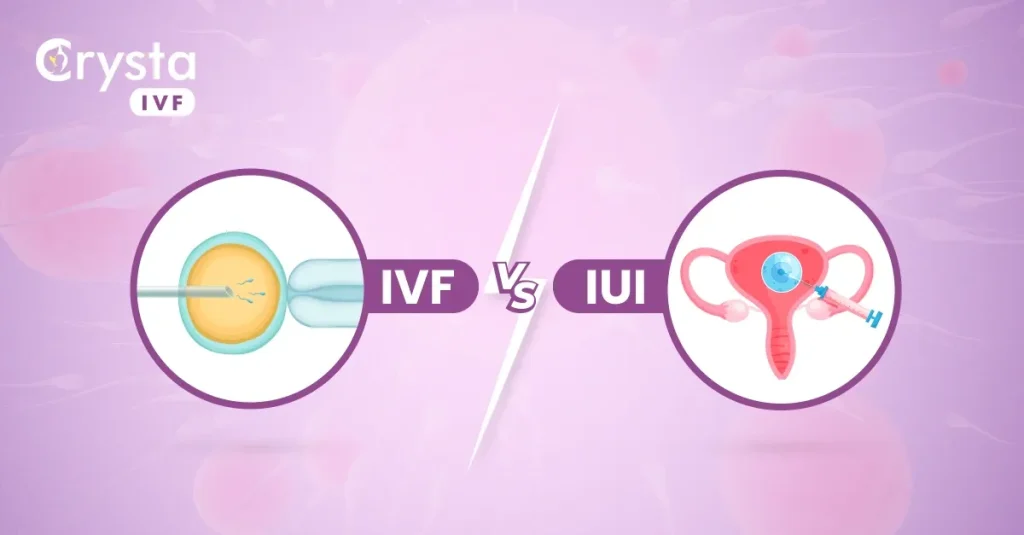
The Future of Sperm Analysis and Semen Analysis: Advancements and Innovations
Another emerging technology in semen analysis is the use of biosensors. Biosensors are devices that can detect and measure specific substances, such as hormones and proteins, in bodily fluids. In semen analysis, biosensors can measure the levels of substances that are essential for sperm health and function, providing valuable insights into potential fertility issues. Moreover, biosensors can also detect abnormalities in semen that may not be visible under a microscope, allowing for early detection and treatment of male infertility.
With the continuous evolution of medical technology, there are also ongoing developments in non-invasive methods for sperm and semen analysis. One of these methods is the use of saliva-based testing. Saliva contains molecules that can provide information about a person’s health, including their reproductive health. Some studies have shown that saliva-based testing can accurately detect sperm quality and fertility potential. This method is less invasive and more convenient for men, making it a promising alternative to traditional sperm and semen analysis.
Aside from advancements in technology, there have also been significant developments in understanding the role of genetics in male fertility. With the rise of genetic testing, it is now possible to identify genetic factors that may cause male infertility. This knowledge can help in developing personalized treatment plans for men with fertility issues, leading to better outcomes. Furthermore, genetic testing can also provide valuable information for couples undergoing assisted reproductive techniques, such as in-vitro fertilization (IVF).
In conclusion, the future of sperm and semen analysis is looking bright, with continuous advancements and innovations in medical technology. These developments have the potential to greatly improve our understanding and management of male fertility, leading to better outcomes for couples struggling with infertility. With the use of advanced imaging techniques, artificial intelligence, microfluidic devices, biosensors, and genetic testing, we can expect more accurate, efficient, and personalized approaches to sperm and semen analysis. These advancements will not only benefit men and couples seeking to conceive but also contribute to the overall improvement of male reproductive health.
Summary:
The future of sperm and semen analysis is constantly evolving with advancements in medical technology. Traditional methods have been replaced with computer-assisted sperm analysis (CASA) and advanced imaging techniques, such as high-speed videography and 3D imaging. The use of artificial intelligence (AI) has also shown promising results in predicting male fertility. In semen analysis, microfluidic devices and biosensors are being used for more accurate and non-invasive analysis. In addition, genetic testing has provided valuable insights into the role of genetics in male fertility. These advancements have the potential to greatly improve our understanding and management of male fertility, leading to better outcomes for couples struggling with infertility.