Tag: healthy habits

  • The Link Between Lifestyle and Fertility: What Men and Women Need to Know

    Blog Post:

    Fertility is a topic that affects both men and women, yet it is often overlooked until the desire to have children arises. However, the truth is that our lifestyle choices can have a significant impact on our fertility. From diet and exercise to stress and environmental factors, there are many lifestyle factors that can affect our reproductive health. In this blog post, we will delve into the link between lifestyle and fertility and what men and women need to know to optimize their chances of conceiving.

    The Impact of Lifestyle on Fertility for Men and Women

    Many studies have shown that our lifestyle choices can affect our fertility. For both men and women, our overall health and well-being play a crucial role in our reproductive health. Fertility is a complex issue that involves various factors, including hormone levels, ovulation, sperm production, and overall reproductive health. Therefore, it is essential to understand how our daily habits and lifestyle choices can impact these factors.

    Diet and Fertility

    Diet plays a significant role in our overall health and fertility. For women, maintaining a healthy weight is crucial for fertility. Being underweight or overweight can affect hormone levels, leading to irregular ovulation and menstrual cycles. Additionally, a poor diet lacking in essential nutrients can impair egg quality and sperm production in men. To optimize fertility, a well-balanced diet that includes plenty of fruits, vegetables, lean proteins, and healthy fats is essential.

    Exercise and Fertility

    Regular exercise has many benefits for our overall health, including fertility. For women, moderate exercise can help regulate hormone levels and improve ovulation. However, excessive exercise, such as intense training or endurance sports, can have the opposite effect and lead to irregular menstrual cycles. For men, regular exercise can improve sperm quality and quantity. However, like women, excessive exercise can lower testosterone levels, leading to fertility issues. Therefore, moderation is key when it comes to exercise and fertility.

    Stress and Fertility

    Stress is a common factor in our daily lives, but it can have a significant impact on our fertility. Chronic stress can lead to hormonal imbalances and disrupt ovulation and menstrual cycles in women. In men, stress can affect sperm production and quality. Therefore, finding healthy ways to manage stress, such as meditation, yoga, or therapy, can positively impact fertility.

    Environmental Factors and Fertility

    Our environment can also play a role in our fertility. Exposure to toxins, pollutants, and chemicals in our environment can affect reproductive health in both men and women. For example, BPA, a chemical commonly found in plastics, has been linked to hormonal imbalances and fertility issues. Avoiding exposure to harmful chemicals and pollutants, as well as opting for organic and natural products, can help improve fertility.
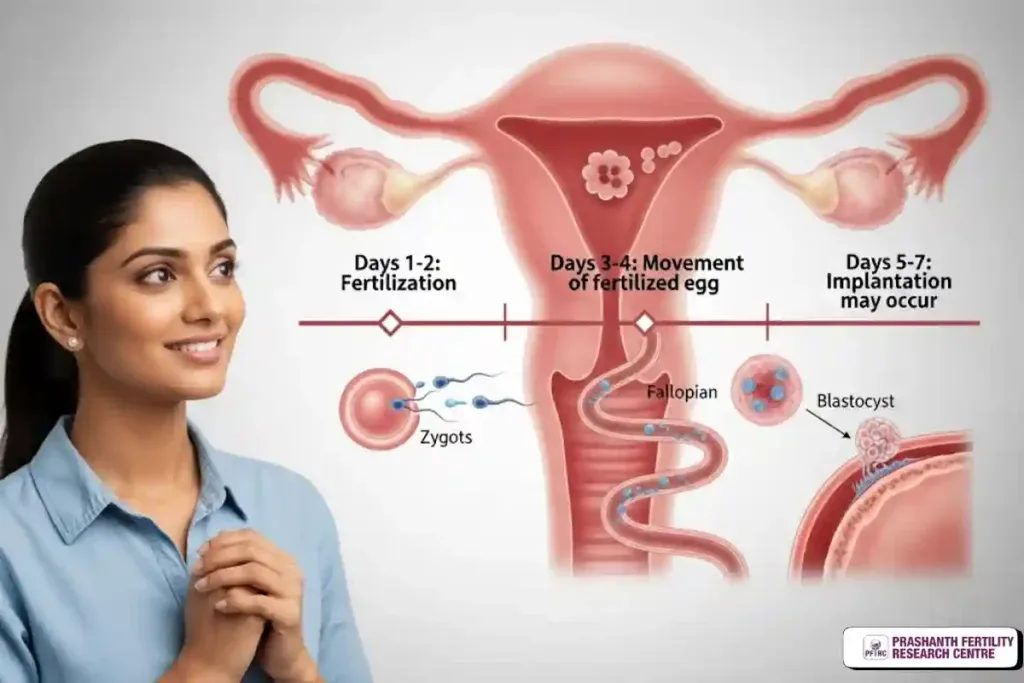
    Illustration showing fertilization and implantation timeline with a woman looking hopeful.

    The Link Between Lifestyle and Fertility: What Men and Women Need to Know

    Lifestyle Habits and Fertility

    Unhealthy lifestyle habits, such as smoking and excessive alcohol consumption, can also impact fertility. In women, smoking can lead to reduced egg quality and quantity, while in men, it can affect sperm production and quality. Similarly, excessive alcohol consumption can lower testosterone levels in men and disrupt ovulation in women. To optimize fertility, it is essential to avoid these unhealthy habits.

    How to Improve Lifestyle for Better Fertility

    Making changes to our lifestyle can positively impact fertility. Here are some tips for improving lifestyle habits for better fertility:

    1. Maintain a healthy diet: As mentioned earlier, a well-balanced diet is crucial for fertility. Including plenty of fruits, vegetables, lean proteins, and healthy fats in your diet can help improve fertility.

    2. Exercise in moderation: Moderate exercise is beneficial for fertility, but it is essential to avoid excessive exercise that can disrupt hormone levels.

    3. Manage stress: Finding healthy ways to manage stress, such as meditation, yoga, or therapy, can improve fertility.

    4. Avoid harmful chemicals and pollutants: Avoiding exposure to harmful chemicals and pollutants in our environment can help improve fertility.

    5. Quit smoking and limit alcohol consumption: Quitting smoking and limiting alcohol consumption can significantly improve fertility for both men and women.

    In conclusion, our lifestyle choices play a significant role in our fertility. By making healthy choices and avoiding harmful habits, we can optimize our chances of conceiving. Remember to maintain a well-balanced diet, exercise in moderation, manage stress, and avoid harmful chemicals and pollutants. By taking care of our overall health and well-being, we can improve our reproductive health and increase our chances of conceiving.

    Summary:

    Fertility is a complex issue that involves various factors, including hormone levels, ovulation, sperm production, and overall reproductive health. Our lifestyle choices can have a significant impact on these factors, ultimately affecting our fertility. Diet, exercise, stress, environmental factors, and lifestyle habits such as smoking and alcohol consumption can all play a role in our fertility. Making healthy lifestyle choices, such as maintaining a well-balanced diet, exercising in moderation, managing stress, and avoiding harmful chemicals and pollutants, can help improve fertility for both men and women.

    Metadata:
  • The Impact of Lifestyle Factors on Sperm Analysis and Semen Analysis Results

    Blog Post:

    Sperm analysis and semen analysis are important tools used in fertility testing for men. These tests assess the quantity and quality of a man’s sperm, which can have a significant impact on the chances of conceiving a child. While there are many factors that can affect sperm analysis results, lifestyle factors play a crucial role.

    In this blog post, we will explore the impact of lifestyle factors on sperm analysis and semen analysis results, and how making healthy choices can improve fertility outcomes.

    1. Diet and Nutrition

    The food we eat can have a direct impact on our overall health, including our reproductive health. A healthy and balanced diet is essential for optimal sperm production and function. A diet rich in antioxidants, vitamins, and minerals can help protect sperm from oxidative stress and DNA damage.

    On the other hand, a poor diet high in processed foods, trans fats, and added sugars can lead to inflammation and oxidative stress, which can negatively affect sperm quality. Studies have shown that men with a high intake of processed and fast foods have lower sperm counts and motility compared to those who have a healthier diet.

    2. Weight and BMI

    Being overweight or obese can have a significant impact on sperm quality. Excess body fat can lead to hormonal imbalances, such as increased estrogen levels, which can affect sperm production. Obesity is also linked to insulin resistance, which can lead to inflammation and oxidative stress, both of which can damage sperm.

    On the other hand, being underweight can also affect sperm production and quality. Studies have shown that men with a low BMI have lower sperm counts and motility compared to men with a healthy weight. Maintaining a healthy weight through a balanced diet and regular exercise is crucial for optimal sperm health.

    3. Alcohol and Drug Use

    Excessive alcohol consumption and drug use, including tobacco and marijuana, can have a detrimental effect on sperm quality. Alcohol and drugs can lead to oxidative stress and damage to sperm DNA, which can affect sperm count and motility. Heavy alcohol consumption has also been linked to decreased testosterone levels, which can impact fertility.

    Additionally, smoking cigarettes has been shown to decrease sperm count and motility, as well as increase the number of abnormal sperm. Marijuana use has also been linked to lower sperm counts and motility, as well as changes in sperm morphology.

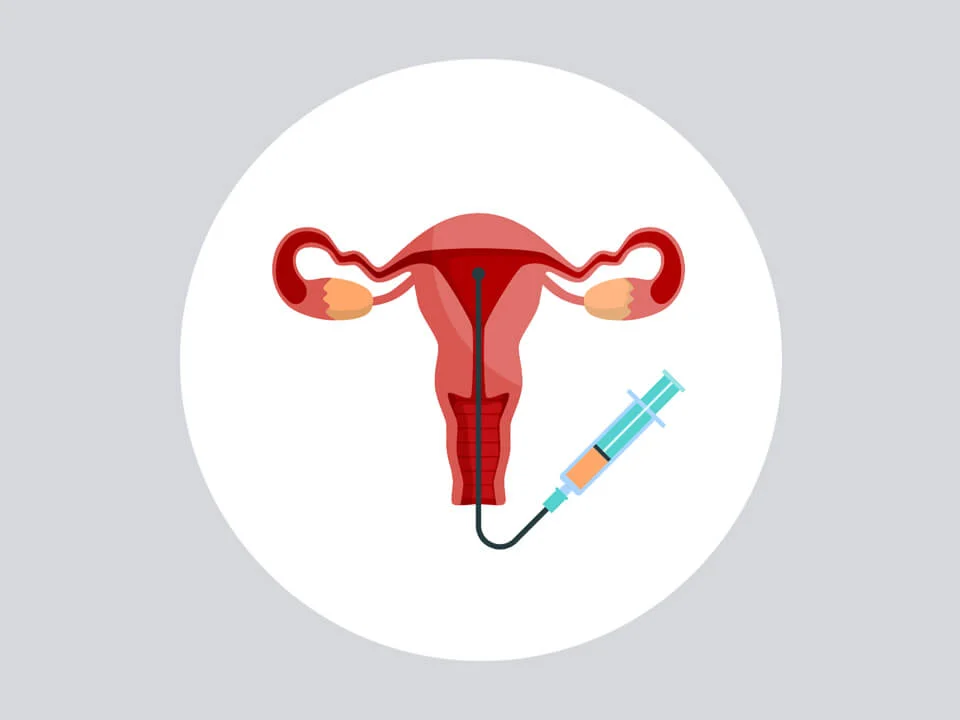
    Illustration of a uterus with a syringe, representing intrauterine insemination (IUI) procedure.

    The Impact of Lifestyle Factors on Sperm Analysis and Semen Analysis Results

    4. Exercise and Physical Activity

    Regular exercise and physical activity have been shown to have a positive impact on sperm quality. Exercise can help maintain a healthy weight, improve insulin sensitivity, and reduce oxidative stress, all of which can improve sperm production and function.

    However, excessive exercise and intense physical activity can have the opposite effect. Studies have shown that endurance athletes and men who engage in high-intensity exercise have lower sperm counts and motility compared to men who are moderately active.

    5. Stress and Mental Health

    Chronic stress and mental health issues, such as anxiety and depression, can affect sperm quality. Stress can lead to hormonal imbalances, increased oxidative stress, and inflammation, all of which can damage sperm.

    Moreover, men with mental health issues may also have lower levels of testosterone, which can impact sperm production. Seeking treatment and finding healthy ways to manage stress can help improve sperm quality and overall fertility.

    6. Environmental Factors

    Exposure to certain environmental factors can also affect sperm quality. Chemicals and toxins found in the workplace, such as pesticides and heavy metals, can have a negative impact on sperm production and function. Exposure to high temperatures, such as in saunas or hot tubs, can also temporarily decrease sperm production.

    To minimize exposure to harmful environmental factors, it is essential to take necessary precautions and use protective gear when working with chemicals. It is also recommended to avoid prolonged exposure to high temperatures and to take breaks when needed.

    Conclusion:

    In conclusion, lifestyle factors have a significant impact on sperm analysis and semen analysis results. Making healthy choices, such as maintaining a balanced diet, exercising regularly, and reducing stress, can help improve sperm quality and increase the chances of conceiving. Avoiding harmful habits, such as excessive alcohol and drug use, is also crucial for optimal fertility outcomes. By taking care of our overall health and well-being, we can improve our chances of starting a family.

    Summary:

    Sperm analysis and semen analysis are essential for assessing male fertility. However, lifestyle factors can significantly impact the results of these tests. A healthy diet, maintaining a healthy weight, avoiding alcohol and drug use, regular exercise, managing stress, and minimizing exposure to environmental factors are all important for optimal sperm quality and fertility outcomes.

  • The Impact of Lifestyle on Male and Female Factor Infertility: How to Improve Your Chances

    Infertility affects millions of couples worldwide, with about one in six couples struggling to conceive. While there are many factors that can contribute to infertility, lifestyle choices can play a significant role in both male and female factor infertility. In this blog post, we will explore the impact of lifestyle on infertility and provide tips on how to improve your chances of conceiving.

    Male Factor Infertility:

    When it comes to male factor infertility, there are several lifestyle factors that can affect sperm quality and quantity. These include:

    1. Smoking: Research has shown that smoking can significantly decrease sperm count, motility, and morphology. It can also increase the risk of genetic abnormalities in sperm, leading to infertility or birth defects in the baby.

    2. Alcohol consumption: Excessive alcohol consumption can lower testosterone levels and affect sperm production. It can also lead to erectile dysfunction, which can make it difficult to conceive.

    3. Drug use: Recreational drug use, such as marijuana and cocaine, can affect sperm production and quality.

    4. Obesity: Being overweight or obese can lead to hormonal imbalances, which can affect sperm production and quality. It can also increase the risk of erectile dysfunction and decrease libido.

    5. Stress: Chronic stress can lead to hormonal imbalances and affect sperm production. It can also cause erectile dysfunction and decrease libido.

    To improve male fertility, it is essential to make healthy lifestyle choices. Quitting smoking, limiting alcohol consumption, avoiding drugs, maintaining a healthy weight, and managing stress can all help improve sperm quality and increase the chances of conception.

    Female Factor Infertility:

    In women, lifestyle choices can also have a significant impact on fertility. These include:

    1. Smoking: Smoking can affect a woman’s fertility by damaging her eggs and reducing her ovarian reserve. It can also increase the risk of miscarriage and ectopic pregnancy.

    Illustration showing fertilization and implantation timeline with a woman looking hopeful.

    The Impact of Lifestyle on Male and Female Factor Infertility: How to Improve Your Chances

    2. Alcohol consumption: Excessive alcohol consumption can lead to irregular menstrual cycles, making it difficult to predict ovulation and conceive.

    3. Drug use: Similar to men, recreational drug use can affect a woman’s fertility by disrupting her menstrual cycle and ovulation.

    4. Obesity: Being overweight or obese can lead to hormonal imbalances and affect ovulation. It can also increase the risk of insulin resistance and polycystic ovary syndrome (PCOS), both of which can cause infertility.

    5. Stress: Chronic stress can affect a woman’s menstrual cycle and ovulation, making it difficult to conceive. It can also increase the risk of conditions like endometriosis, which can cause infertility.

    To improve female fertility, it is crucial to make healthy lifestyle choices. Quitting smoking, limiting alcohol consumption, avoiding drugs, maintaining a healthy weight, and managing stress can all help regulate menstrual cycles and increase the chances of conception.

    Tips for Improving Your Chances of Conceiving:

    1. Eat a healthy diet: A well-balanced diet rich in fruits, vegetables, and lean proteins can provide essential nutrients for reproductive health. It is also essential to limit processed foods and sugar, as they can lead to inflammation and hormonal imbalances.

    2. Exercise regularly: Regular physical activity can help maintain a healthy weight and reduce stress levels, both of which are crucial for fertility.

    3. Limit caffeine intake: Studies have shown that excessive caffeine consumption can affect ovulation and decrease fertility in women. It is recommended to limit caffeine intake to 200mg per day.

    4. Get enough sleep: Adequate sleep is crucial for reproductive health and hormone regulation. Aim for 7-9 hours of sleep per night to improve your chances of conceiving.

    5. Consider supplements: Certain supplements, such as folic acid, can help improve fertility in both men and women. Consult with your doctor to determine which supplements may be beneficial for you.

    6. Seek medical help if needed: If you have been trying to conceive for over a year (or six months if you are over 35), it is essential to seek medical help. A fertility specialist can help identify any underlying issues and provide treatment options.

    In conclusion, lifestyle choices can have a significant impact on both male and female fertility. Making healthy lifestyle changes, such as quitting smoking, limiting alcohol consumption, and managing stress, can improve sperm and egg quality, regulate menstrual cycles, and increase the chances of conceiving. If you are struggling to conceive, it is essential to seek medical help and explore all possible factors, including lifestyle, that may be contributing to infertility.