Blog Post:
When it comes to fertility testing, sperm analysis and semen analysis are two important techniques that are used to evaluate the quality and quantity of sperm in a male’s semen. These tests help in diagnosing any fertility issues and in determining the best course of treatment for couples struggling with infertility. However, with advancements in technology, traditional techniques of sperm analysis have been replaced by modern techniques, offering more accurate and detailed results. In this blog post, we will compare traditional and modern techniques of sperm analysis and semen analysis, and discuss their advantages and limitations.
Traditional Techniques of Sperm Analysis:
The traditional techniques of sperm analysis have been used for decades and involve manual examination of a semen sample under a microscope. The two main traditional techniques of sperm analysis are semen analysis and sperm count.
1. Semen Analysis:
Semen analysis is a basic test that involves the evaluation of the volume, color, pH, and consistency of semen. This test also includes the assessment of sperm motility and morphology. Sperm motility refers to the ability of sperm to move and swim, while sperm morphology refers to the shape and size of sperm. This test is performed by collecting a semen sample and examining it under a microscope. The results are then compared to the established reference values to determine the quality of sperm.
2. Sperm Count:
Sperm count, also known as sperm concentration, is a test that measures the number of sperm in a given volume of semen. This test is typically performed as part of a semen analysis. A low sperm count can indicate fertility issues, but it is important to note that a low sperm count does not necessarily mean infertility. Sperm count can be affected by various factors such as age, lifestyle habits, and certain medical conditions.
Limitations of Traditional Techniques:
While traditional techniques of sperm analysis have been used for many years, they have some limitations. One of the main limitations is the subjectivity of the results. As the examination of semen is performed manually, the results can vary depending on the technician’s experience and skill level. This can lead to discrepancies in the interpretation of results and may affect the accuracy of the diagnosis.
Moreover, traditional techniques only provide a basic evaluation of sperm quality and do not offer detailed information about the sperm’s genetic makeup. This can be crucial in determining the cause of infertility and the best treatment plan. Additionally, traditional techniques may not be able to detect subtle abnormalities in sperm, which can affect fertility.
Modern Techniques of Sperm Analysis:
With the advancement in technology, modern techniques of sperm analysis have been developed, offering more accurate and detailed results. These techniques use computer-assisted technology to analyze sperm, reducing the subjectivity of the results. The two main modern techniques of sperm analysis are computer-assisted sperm analysis (CASA) and sperm DNA fragmentation analysis.
1. Computer-Assisted Sperm Analysis (CASA):
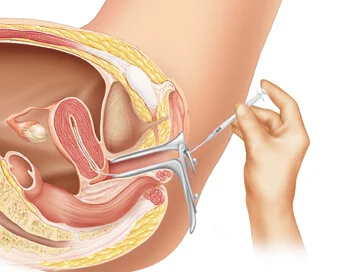
Comparing Traditional and Modern Techniques of Sperm Analysis and Semen Analysis
CASA is a computerized technique that uses advanced algorithms and software to analyze sperm motility, morphology, and count. This technique involves placing a semen sample on a specialized slide and capturing high-resolution images of sperm using a microscope. The images are then analyzed by the software, providing detailed information about sperm quality, including the velocity and direction of sperm movement. CASA offers more accurate and objective results compared to traditional techniques.
2. Sperm DNA Fragmentation Analysis:
Sperm DNA fragmentation analysis is a modern technique that evaluates the integrity of sperm DNA. This test is crucial in determining the quality of sperm, as damaged sperm DNA can lead to fertility issues and even increase the risk of miscarriage. This technique involves isolating the sperm DNA and assessing its fragmentation using specialized equipment. The results are then compared to established reference values to determine the level of sperm DNA damage.
Advantages of Modern Techniques:
Modern techniques of sperm analysis offer several advantages over traditional methods. These include:
1. Increased Accuracy:
As modern techniques use advanced technology, they offer more accurate and objective results compared to traditional techniques. This can help in making a more precise diagnosis and determining the best course of treatment.
2. More Detailed Results:
Modern techniques provide more detailed information about sperm quality, including the velocity and direction of sperm movement, and the integrity of sperm DNA. This can be crucial in identifying the root cause of fertility issues and guiding treatment decisions.
3. Time-Efficient:
Modern techniques of sperm analysis are time-efficient, allowing for quicker results compared to traditional methods. This can be beneficial for couples who are eager to start treatment and want to minimize the waiting time.
Summary:
Sperm analysis and semen analysis are important techniques used for diagnosing fertility issues in men. Traditional techniques, such as semen analysis and sperm count, have been used for decades but have some limitations, including subjectivity of results and lack of detailed information. Modern techniques, such as CASA and sperm DNA fragmentation analysis, offer more accurate and detailed results, making them a preferred choice for fertility testing. These techniques use advanced technology, reducing the subjectivity of results and providing a more precise diagnosis. They also offer more detailed information about sperm quality, helping in identifying the cause of infertility and guiding treatment decisions.
SEO Metadata: