Fertility Yoga vs Traditional Exercise: Which Is More Effective for PCOS and Endometriosis?
Polycystic Ovary Syndrome (PCOS) and Endometriosis are two common conditions that affect women’s reproductive health. Both conditions can cause fertility issues, making it difficult for women to conceive. While there are various treatment options available, many women are turning to alternative methods such as fertility yoga and traditional exercise to manage their symptoms and improve their chances of getting pregnant. In this blog post, we will explore the effectiveness of these two forms of exercise in managing PCOS and endometriosis.
Understanding PCOS and Endometriosis
Before delving into the effectiveness of fertility yoga and traditional exercise, it is essential to understand what PCOS and endometriosis are and how they affect women’s reproductive health.
PCOS is a hormonal disorder that affects 1 in 10 women of childbearing age. It is characterized by high levels of androgens (male hormones) in the body, leading to irregular menstrual cycles, excess hair growth, and difficulty in conceiving. Women with PCOS also have multiple small cysts on their ovaries, which can affect ovulation.
On the other hand, endometriosis is a condition in which the tissue that lines the uterus (endometrium) grows outside of it. This tissue can implant itself on other organs in the pelvic area, causing pain, inflammation, and scarring. Endometriosis can also lead to infertility due to the damage it causes to the reproductive organs.
How Fertility Yoga Can Help with PCOS and Endometriosis
Fertility yoga is a specific type of yoga that focuses on poses and breathing techniques to help improve reproductive health. It is believed to help regulate hormones, increase blood flow to the reproductive organs, and reduce stress, all of which can help with PCOS and endometriosis.
One of the key benefits of fertility yoga is its ability to reduce stress levels. High levels of stress can worsen symptoms of both PCOS and endometriosis, leading to irregular menstrual cycles and increased pain. Fertility yoga incorporates breathing exercises and meditation, which can help calm the mind and reduce stress and anxiety.
Yoga poses that target the pelvic area, such as the butterfly pose, can also help improve blood flow to the reproductive organs. This increased blood flow can help nourish the ovaries and uterus, promoting regular ovulation and a healthy menstrual cycle.
Another benefit of fertility yoga is its ability to help regulate hormones. Certain poses, such as the cobra pose, can stimulate the endocrine glands, which are responsible for producing hormones. By stimulating these glands, fertility yoga may help balance hormone levels, leading to improved reproductive health.
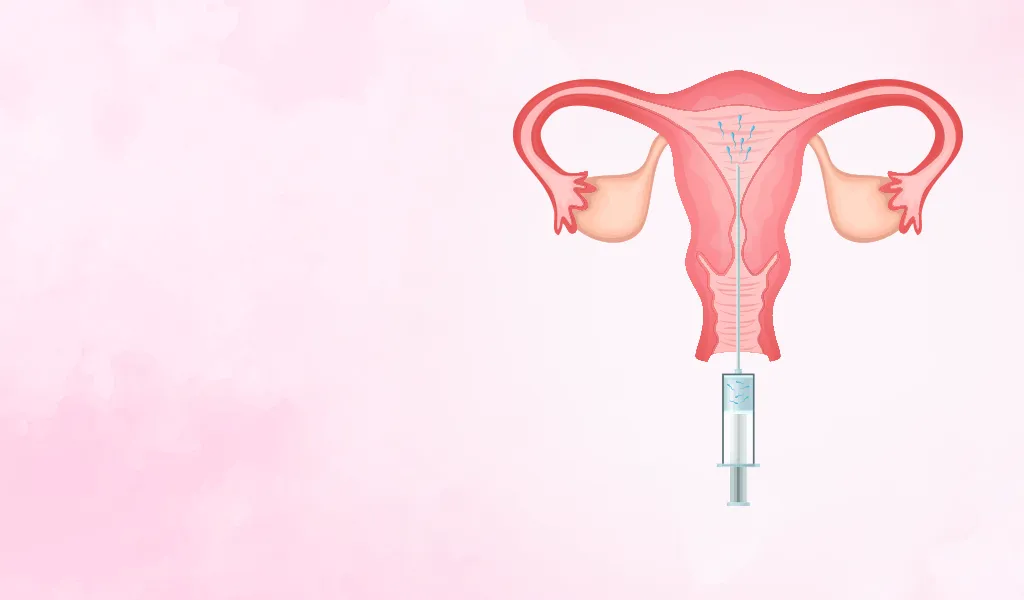
Fertility Yoga vs Traditional Exercise: Which Is More Effective for PCOS and Endometriosis?
How Traditional Exercise Can Help with PCOS and Endometriosis
Traditional forms of exercise, such as cardio and strength training, have been proven to have numerous health benefits. When it comes to PCOS and endometriosis, regular exercise can help manage symptoms and improve overall health.
One of the primary benefits of traditional exercise for women with PCOS and endometriosis is weight management. Both conditions are associated with weight gain, and excess weight can worsen symptoms and affect fertility. By incorporating regular exercise into their routine, women can maintain a healthy weight, reducing the impact of these conditions on their reproductive health.
Additionally, traditional exercise can help improve insulin sensitivity in women with PCOS. Insulin resistance is a common symptom of PCOS, and it can lead to weight gain and difficulty in ovulation. Studies have shown that regular exercise can improve insulin sensitivity, leading to better management of PCOS symptoms.
For women with endometriosis, exercise can help reduce inflammation and pain. Endometriosis can cause pelvic pain, which can be debilitating for some women. Regular exercise, especially low-impact activities like swimming and cycling, can help reduce inflammation and improve overall pain management.
Fertility Yoga vs Traditional Exercise: Which is More Effective?
While both fertility yoga and traditional exercise have their benefits for women with PCOS and endometriosis, it is essential to find the right balance between the two.
Fertility yoga can be a great option for women looking to reduce stress and improve hormone balance. However, it may not be enough to manage weight and insulin resistance associated with PCOS. On the other hand, traditional exercise can help with weight management and insulin sensitivity, but it may not specifically target reproductive health issues.
The best approach would be to incorporate both fertility yoga and traditional exercise into a well-rounded fitness routine. This way, women can benefit from the stress-reducing and hormone-balancing effects of fertility yoga while also managing weight and insulin levels with traditional exercise.
It is also crucial to consult with a healthcare professional before starting any new exercise routine, especially for women with PCOS and endometriosis. They can provide personalized recommendations and ensure that the exercise routine is safe and suitable for any individual needs.
In conclusion, fertility yoga and traditional exercise can both be effective in managing symptoms of PCOS and endometriosis. While fertility yoga focuses on reproductive health and stress reduction, traditional exercise can help with weight management and insulin resistance. Combining both forms of exercise can provide a well-rounded approach to managing these conditions and improving fertility.
SEO metadata: