Tag: endometriosis

  • The Impact of Underlying Health Conditions on At-Home Insemination Success Rates

    Blog Post:

    In recent years, at-home insemination has become a popular option for couples and individuals trying to conceive. This method involves using a syringe or cervical cap to transfer sperm into the vagina, eliminating the need for medical intervention. While the success rates for at-home insemination are generally good, there are certain factors that can affect its effectiveness. One of the most significant factors is underlying health conditions. In this blog post, we will explore the impact of underlying health conditions on at-home insemination success rates.

    Understanding At-Home Insemination and its Success Rates

    Before delving into the impact of underlying health conditions, it is essential to have a basic understanding of at-home insemination and its success rates. At-home insemination involves manually inserting sperm into the vagina, usually using a sterile syringe or cervical cap. This method is often used by same-sex couples, single individuals, or couples with male fertility issues. The success rates of at-home insemination can vary, but it is generally estimated to have a success rate of 10-15% per cycle.

    Factors Affecting At-Home Insemination Success Rates

    There are several factors that can affect the success rates of at-home insemination. These include the timing and frequency of insemination, the quality of sperm, ovulation timing, and underlying health conditions. While some of these factors can be managed, underlying health conditions can significantly impact the success of at-home insemination.

    Impact of Underlying Health Conditions on At-Home Insemination Success Rates

    1. Hormonal Imbalances

    Hormonal imbalances can significantly affect the success rates of at-home insemination. Hormones play a vital role in regulating ovulation, and any imbalances can disrupt the ovulation cycle. For example, conditions such as polycystic ovary syndrome (PCOS) can cause irregular ovulation, making it challenging to time insemination correctly. This can decrease the chances of success and may require medical intervention to regulate ovulation.

    2. Endometriosis

    Endometriosis is a condition where tissue similar to the lining of the uterus grows outside of the uterus. This can cause pain, discomfort, and infertility. In cases of severe endometriosis, the adhesions can block sperm from reaching the egg, making it difficult for at-home insemination to be successful. In such cases, medical intervention may be necessary to remove the adhesions and improve the chances of conceiving.

    3. Uterine Abnormalities

    Uterine abnormalities, such as fibroids or polyps, can also affect the success rates of at-home insemination. These growths can interfere with the implantation of a fertilized egg or block the sperm from reaching the egg. Depending on the severity and location of the abnormality, medical procedures may be needed to correct the issue and improve the chances of conceiving.

    4. Cervical Issues

    Cervical issues, such as an incompetent cervix or cervical stenosis, can also impact the success rates of at-home insemination. An incompetent cervix is when the cervix opens too early during pregnancy, leading to a miscarriage. Cervical stenosis, on the other hand, is a condition where the cervix becomes narrow, making it difficult for sperm to pass through. These issues may require medical intervention and monitoring to ensure successful pregnancy.
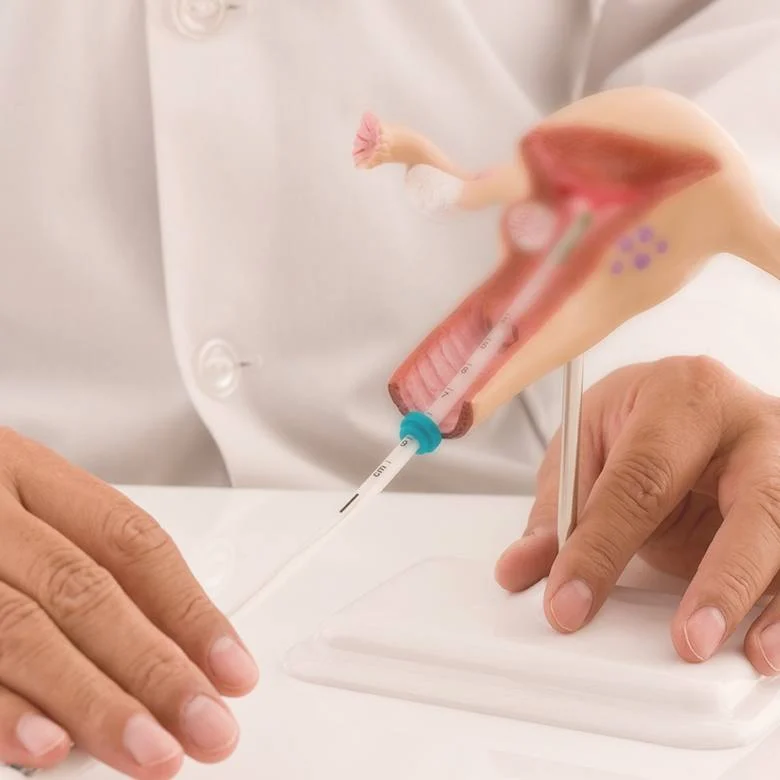
    model of the female reproductive system with a hand demonstrating intrauterine insemination technique

    The Impact of Underlying Health Conditions on At-Home Insemination Success Rates

    5. Chronic Health Conditions

    Chronic health conditions, such as diabetes, thyroid disorders, or autoimmune diseases, can also affect the success rates of at-home insemination. These conditions can cause hormonal imbalances, affect ovulation, or impact the quality of sperm. In such cases, it is essential to work closely with a healthcare provider to manage the condition and improve the chances of success.

    Managing Underlying Health Conditions for Successful At-Home Insemination

    While underlying health conditions can impact the success rates of at-home insemination, it is not impossible to conceive. With proper management, many individuals and couples have successfully conceived through at-home insemination despite underlying health conditions. Here are some tips for managing underlying health conditions for successful at-home insemination:

    1. Seek Medical Advice

    Before attempting at-home insemination, it is essential to consult with a healthcare provider. They can help identify any underlying health conditions that may affect the success of at-home insemination and provide possible solutions.

    2. Monitor Ovulation Closely

    For individuals with hormonal imbalances or conditions such as PCOS, it is crucial to monitor ovulation closely. This can help determine the best time for insemination and increase the chances of success.

    3. Consider Alternative Insemination Methods

    In some cases, at-home insemination may not be the most suitable option. In such cases, alternative insemination methods such as intrauterine insemination (IUI) or in vitro fertilization (IVF) may be recommended by a healthcare provider.

    4. Make Lifestyle Changes

    Certain lifestyle factors, such as smoking, excessive alcohol consumption, and a poor diet, can affect fertility and the success rates of at-home insemination. Making healthy lifestyle choices can improve overall health and increase the chances of conceiving.

    In conclusion, while at-home insemination can be a viable option for many individuals and couples, underlying health conditions can significantly impact its success rates. It is crucial to seek medical advice, monitor ovulation closely, and make necessary lifestyle changes to improve the chances of success. With proper management and support, at-home insemination can be a successful and fulfilling way to start a family.

    Summary:

    At-home insemination is a popular method for individuals and couples trying to conceive. However, the success rates of this method can be affected by various factors, including underlying health conditions. Hormonal imbalances, endometriosis, uterine abnormalities, cervical issues, and chronic health conditions can all impact the success rates of at-home insemination. To increase the chances of success, it is essential to seek medical advice, monitor ovulation closely, consider alternative insemination methods, and make healthy lifestyle choices.
  • Fertility Nutrition for Women with Endometriosis: Managing Symptoms with Diet

    Blog Post: Fertility Nutrition for Women with Endometriosis: Managing Symptoms with Diet

    Endometriosis is a common and often painful condition that affects 1 in 10 women of reproductive age. It occurs when the tissue that normally lines the uterus grows outside of it, causing irritation and inflammation. This can lead to a variety of symptoms, including pelvic pain, heavy periods, and infertility. While there is no cure for endometriosis, there are ways to manage its symptoms, and one important aspect is through nutrition. In this blog post, we will explore the role of diet in managing endometriosis symptoms and promoting fertility in women.

    Understanding the Link between Diet and Endometriosis

    Research has shown that diet can play a significant role in managing endometriosis symptoms. Certain foods can either aggravate or alleviate inflammation in the body, which is a key factor in the development of endometriosis. Inflammation is the body’s natural response to injury or illness, but when it becomes chronic, it can lead to a range of health issues, including endometriosis. Therefore, adopting an anti-inflammatory diet can help reduce inflammation and manage endometriosis symptoms.

    Foods to Limit or Avoid

    There are certain foods that are known to trigger inflammation and should be limited or avoided by women with endometriosis. These include:

    1. Processed Foods: Processed foods, such as packaged snacks, deli meats, and fast food, are often high in trans fats, refined carbohydrates, and added sugars, which can all contribute to inflammation.

    2. Dairy: Dairy products, particularly those that are high in saturated fats, have been linked to increased inflammation in the body.

    3. Gluten: Gluten is a protein found in wheat, barley, and rye, and for some people, it can trigger inflammation in the gut and worsen endometriosis symptoms.

    4. Red Meat: Red meat, especially when cooked at high temperatures, can produce compounds that promote inflammation in the body.

    5. Alcohol and Caffeine: Both alcohol and caffeine can cause inflammation and should be consumed in moderation or avoided altogether.

    Foods to Include

    On the other hand, there are also foods that can help reduce inflammation and promote overall health in women with endometriosis. These include:

    1. Fruits and Vegetables: Fruits and vegetables are rich in antioxidants, which can help reduce inflammation in the body. Dark leafy greens, berries, and cruciferous vegetables, such as broccoli and cauliflower, are especially beneficial.

    2. Omega-3 Fatty Acids: Omega-3 fatty acids are known for their anti-inflammatory properties and can be found in salmon, sardines, and other fatty fish, as well as in nuts and seeds.

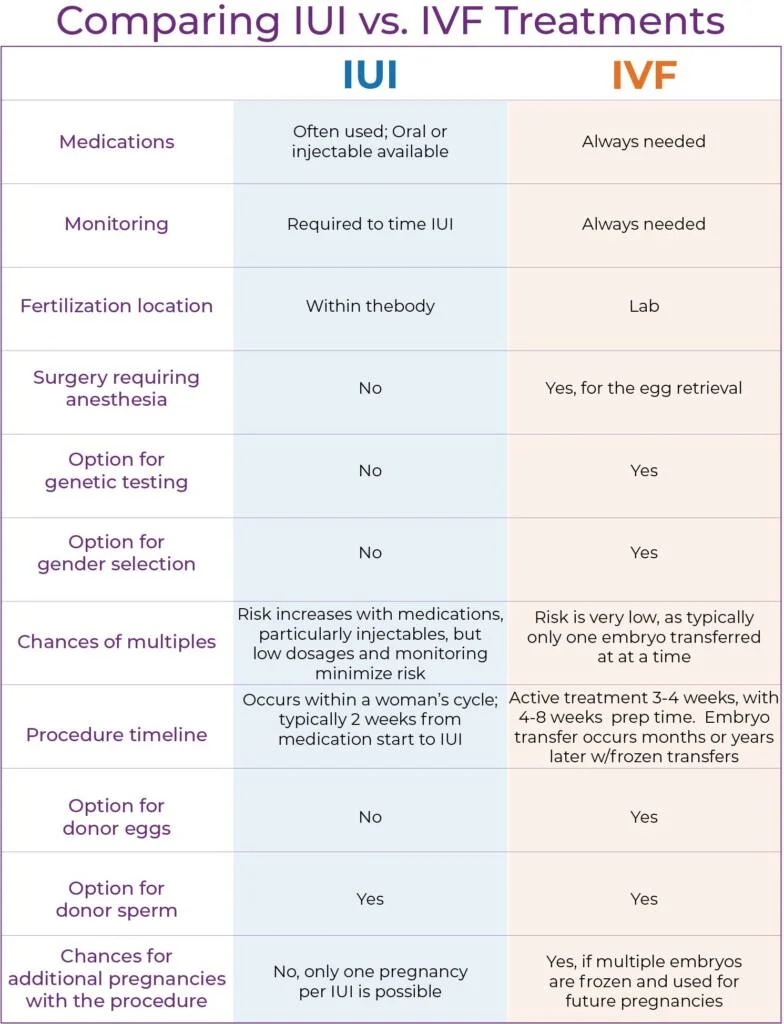
    Comparison chart of IUI and IVF treatments, detailing medications, monitoring, procedures, and success rates.

    Fertility Nutrition for Women with Endometriosis: Managing Symptoms with Diet

    3. Whole Grains: Whole grains, such as quinoa, brown rice, and oats, are a great source of fiber and can help reduce inflammation in the body.

    4. Plant-Based Proteins: Plant-based proteins, such as beans, lentils, and tofu, are low in saturated fats and can help reduce inflammation.

    5. Herbal Teas: Herbal teas, such as chamomile and ginger, have anti-inflammatory properties and can help soothe endometriosis-related pain.

    5. Probiotics: Probiotics, found in foods like yogurt, kefir, and sauerkraut, can help promote a healthy gut microbiome, which plays a crucial role in managing inflammation in the body.

    The Importance of a Balanced Diet

    While there are specific foods that can help manage endometriosis symptoms, it’s important to maintain a balanced and varied diet that provides all the necessary nutrients for overall health and wellness. A balanced diet includes a variety of fruits, vegetables, whole grains, lean proteins, and healthy fats. It’s also essential to stay hydrated by drinking enough water throughout the day.

    Supplements for Endometriosis

    In addition to a healthy diet, certain supplements may also be beneficial for women with endometriosis. These include:

    1. Omega-3 Fatty Acids: As mentioned earlier, omega-3 fatty acids have anti-inflammatory properties and can help manage endometriosis symptoms. If you’re not getting enough through your diet, consider taking a high-quality supplement.

    2. Magnesium: Magnesium is a mineral that can help relax muscles and reduce pain associated with endometriosis. It’s also been shown to support hormone balance and may help regulate menstrual cycles.

    3. Vitamin D: Vitamin D deficiency has been linked to endometriosis and may worsen its symptoms. If you’re not getting enough sun exposure, consider taking a vitamin D supplement.

    4. Turmeric: Turmeric contains a compound called curcumin, which has potent anti-inflammatory properties. It may help reduce endometriosis-related pain and inflammation.

    Managing Endometriosis with Nutrition

    In addition to managing symptoms, proper nutrition can also play a crucial role in promoting fertility in women with endometriosis. As endometriosis can affect the reproductive organs, it can make it more challenging to conceive. However, by following a healthy and balanced diet, women can increase their chances of successful conception. It’s also essential to work with your doctor to come up with a personalized treatment plan that may include medication, surgery, or other options.

    Summary

    Endometriosis is a common and often painful condition that affects many women of reproductive age. While there is no cure for endometriosis, proper nutrition can help manage its symptoms and promote fertility. An anti-inflammatory diet that includes fruits, vegetables, whole grains, and healthy fats can help reduce inflammation in the body. It’s also important to limit or avoid foods that can trigger inflammation, such as processed foods, dairy, and red meat. In addition to a healthy diet, certain supplements may also be beneficial for women with endometriosis. By adopting a healthy lifestyle and working closely with your doctor, you can better manage endometriosis and improve your overall health and well-being.

  • Fertility Yoga vs Traditional Exercise: Which Is More Effective for PCOS and Endometriosis?

    Fertility Yoga vs Traditional Exercise: Which Is More Effective for PCOS and Endometriosis?

    Polycystic Ovary Syndrome (PCOS) and Endometriosis are two common conditions that affect women’s reproductive health. Both conditions can cause fertility issues, making it difficult for women to conceive. While there are various treatment options available, many women are turning to alternative methods such as fertility yoga and traditional exercise to manage their symptoms and improve their chances of getting pregnant. In this blog post, we will explore the effectiveness of these two forms of exercise in managing PCOS and endometriosis.

    Understanding PCOS and Endometriosis

    Before delving into the effectiveness of fertility yoga and traditional exercise, it is essential to understand what PCOS and endometriosis are and how they affect women’s reproductive health.

    PCOS is a hormonal disorder that affects 1 in 10 women of childbearing age. It is characterized by high levels of androgens (male hormones) in the body, leading to irregular menstrual cycles, excess hair growth, and difficulty in conceiving. Women with PCOS also have multiple small cysts on their ovaries, which can affect ovulation.

    On the other hand, endometriosis is a condition in which the tissue that lines the uterus (endometrium) grows outside of it. This tissue can implant itself on other organs in the pelvic area, causing pain, inflammation, and scarring. Endometriosis can also lead to infertility due to the damage it causes to the reproductive organs.

    How Fertility Yoga Can Help with PCOS and Endometriosis

    Fertility yoga is a specific type of yoga that focuses on poses and breathing techniques to help improve reproductive health. It is believed to help regulate hormones, increase blood flow to the reproductive organs, and reduce stress, all of which can help with PCOS and endometriosis.

    One of the key benefits of fertility yoga is its ability to reduce stress levels. High levels of stress can worsen symptoms of both PCOS and endometriosis, leading to irregular menstrual cycles and increased pain. Fertility yoga incorporates breathing exercises and meditation, which can help calm the mind and reduce stress and anxiety.

    Yoga poses that target the pelvic area, such as the butterfly pose, can also help improve blood flow to the reproductive organs. This increased blood flow can help nourish the ovaries and uterus, promoting regular ovulation and a healthy menstrual cycle.

    Another benefit of fertility yoga is its ability to help regulate hormones. Certain poses, such as the cobra pose, can stimulate the endocrine glands, which are responsible for producing hormones. By stimulating these glands, fertility yoga may help balance hormone levels, leading to improved reproductive health.

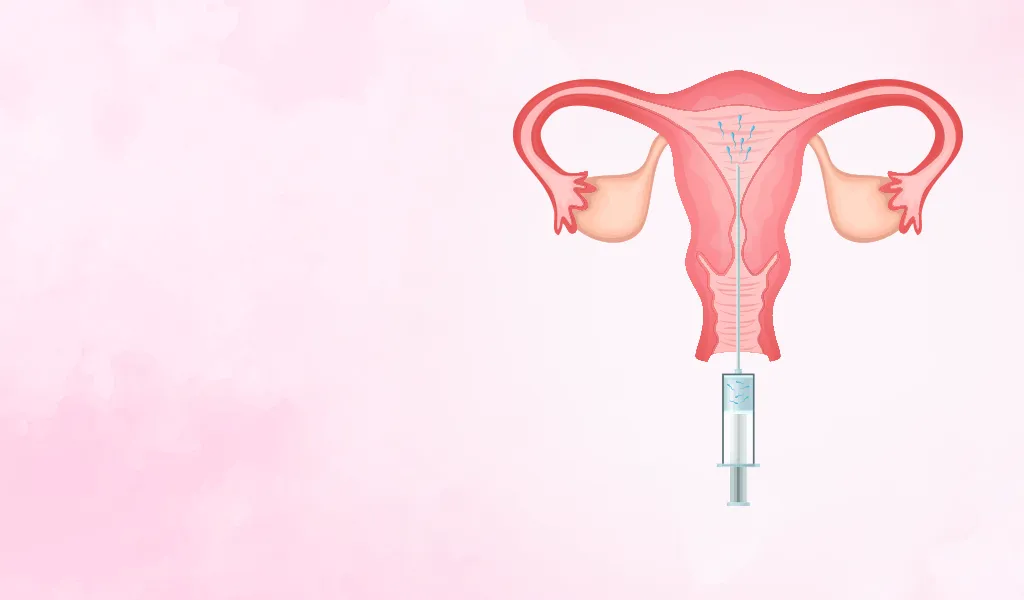
    illustration of a uterus with a syringe, representing intrauterine insemination procedure

    Fertility Yoga vs Traditional Exercise: Which Is More Effective for PCOS and Endometriosis?

    How Traditional Exercise Can Help with PCOS and Endometriosis

    Traditional forms of exercise, such as cardio and strength training, have been proven to have numerous health benefits. When it comes to PCOS and endometriosis, regular exercise can help manage symptoms and improve overall health.

    One of the primary benefits of traditional exercise for women with PCOS and endometriosis is weight management. Both conditions are associated with weight gain, and excess weight can worsen symptoms and affect fertility. By incorporating regular exercise into their routine, women can maintain a healthy weight, reducing the impact of these conditions on their reproductive health.

    Additionally, traditional exercise can help improve insulin sensitivity in women with PCOS. Insulin resistance is a common symptom of PCOS, and it can lead to weight gain and difficulty in ovulation. Studies have shown that regular exercise can improve insulin sensitivity, leading to better management of PCOS symptoms.

    For women with endometriosis, exercise can help reduce inflammation and pain. Endometriosis can cause pelvic pain, which can be debilitating for some women. Regular exercise, especially low-impact activities like swimming and cycling, can help reduce inflammation and improve overall pain management.

    Fertility Yoga vs Traditional Exercise: Which is More Effective?

    While both fertility yoga and traditional exercise have their benefits for women with PCOS and endometriosis, it is essential to find the right balance between the two.

    Fertility yoga can be a great option for women looking to reduce stress and improve hormone balance. However, it may not be enough to manage weight and insulin resistance associated with PCOS. On the other hand, traditional exercise can help with weight management and insulin sensitivity, but it may not specifically target reproductive health issues.

    The best approach would be to incorporate both fertility yoga and traditional exercise into a well-rounded fitness routine. This way, women can benefit from the stress-reducing and hormone-balancing effects of fertility yoga while also managing weight and insulin levels with traditional exercise.

    It is also crucial to consult with a healthcare professional before starting any new exercise routine, especially for women with PCOS and endometriosis. They can provide personalized recommendations and ensure that the exercise routine is safe and suitable for any individual needs.

    In conclusion, fertility yoga and traditional exercise can both be effective in managing symptoms of PCOS and endometriosis. While fertility yoga focuses on reproductive health and stress reduction, traditional exercise can help with weight management and insulin resistance. Combining both forms of exercise can provide a well-rounded approach to managing these conditions and improving fertility.

    SEO metadata:

  • A Holistic Guide to Managing Endometriosis for Fertility

    Endometriosis is a chronic reproductive condition that affects millions of women worldwide. It occurs when the tissue that normally lines the uterus, called the endometrium, grows outside of the uterus, causing inflammation, scarring, and pain. While endometriosis can have a significant impact on a woman’s quality of life, it can also affect her fertility. In fact, it is estimated that up to 50% of women with endometriosis struggle with infertility. Therefore, it is important for women with endometriosis who are trying to conceive to take a holistic approach to managing their condition. In this blog post, we will discuss a holistic guide to managing endometriosis for fertility.

    1. Seek professional help: The first step in managing endometriosis for fertility is to seek professional help. If you suspect you have endometriosis, it is important to consult with a gynecologist who specializes in treating this condition. They can perform a thorough evaluation and provide you with an accurate diagnosis. They can also offer treatment options that can help manage your symptoms and improve your chances of conceiving.

    2. Understand your condition: It is important to educate yourself about endometriosis and how it can affect your fertility. This will help you make informed decisions about your treatment and lifestyle choices. Endometriosis can cause hormonal imbalances, inflammation, and scarring, all of which can negatively impact fertility. By understanding your condition, you can work with your healthcare provider to develop a personalized treatment plan.

    3. Consider holistic treatments: While conventional medical treatments such as surgery and medication are often necessary for managing endometriosis, there are also holistic treatments that can help improve fertility. Acupuncture, for example, has been shown to reduce pain and inflammation associated with endometriosis, as well as improve hormone balance. Other holistic treatments such as herbal remedies, massage, and yoga can also be beneficial in managing endometriosis and promoting fertility.

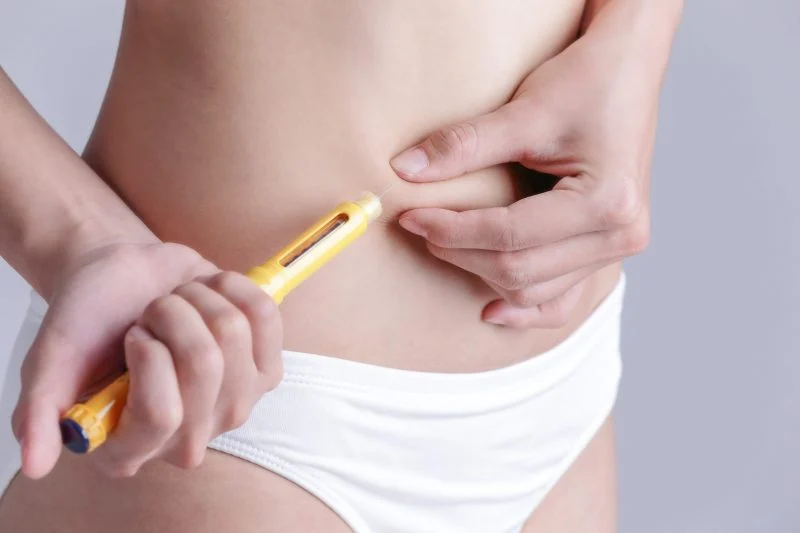
    A person administering an injection into their abdomen with a yellow pen-like device.

    A Holistic Guide to Managing Endometriosis for Fertility

    4. Make lifestyle changes: Lifestyle changes can also play a significant role in managing endometriosis and improving fertility. Diet, for example, can have a big impact on inflammation and hormone balance. A diet rich in anti-inflammatory foods such as fruits, vegetables, whole grains, and healthy fats can help reduce inflammation and improve fertility. Additionally, avoiding foods that are high in sugar, caffeine, and processed ingredients can also benefit women with endometriosis. Regular exercise, stress management, and getting enough sleep are also important lifestyle changes that can help manage endometriosis and promote fertility.

    5. Explore fertility treatments: For women with endometriosis who are struggling with infertility, there are a variety of fertility treatments available. In vitro fertilization (IVF) is a common option for women with endometriosis, as it allows for the fertilized egg to bypass the affected areas of the reproductive system. Other options may include intrauterine insemination (IUI), fertility medications, or surgery to remove endometriosis tissue. It is important to discuss these options with your healthcare provider to determine the best course of action for your individual situation.

    6. Address emotional well-being: Managing endometriosis and fertility can be emotionally draining, and it is important to address your emotional well-being during this time. Endometriosis can cause feelings of frustration, sadness, and even depression. Seeking support from family, friends, or a therapist can be helpful in coping with these emotions. It is also important to practice self-care and engage in activities that bring joy and relaxation.

    In conclusion, managing endometriosis for fertility requires a holistic approach that addresses both the physical and emotional aspects of the condition. Seeking professional help, understanding your condition, considering holistic treatments, making lifestyle changes, exploring fertility treatments, and addressing emotional well-being are all important aspects of this approach. By taking a holistic approach, women with endometriosis can effectively manage their condition and increase their chances of conceiving. Remember to always consult with your healthcare provider before making any changes to your treatment plan.

  • Fertility Acupuncture and Endometriosis: Can It Help?

    Blog Post:

    Endometriosis is a condition affecting approximately 10% of women of reproductive age and is characterized by the abnormal growth of tissue similar to the lining of the uterus outside of the uterus. This condition can cause a range of symptoms including pelvic pain, heavy or irregular menstrual periods, and infertility. While there is no known cure for endometriosis, there are various treatments available to help manage the symptoms and improve fertility. One alternative treatment that has gained popularity in recent years is fertility acupuncture. In this blog post, we will explore the connection between fertility acupuncture and endometriosis and whether it can help in managing this condition.

    What is Fertility Acupuncture?

    Acupuncture is a form of traditional Chinese medicine that involves the insertion of thin needles into specific points on the body to stimulate the flow of energy or “qi.” Fertility acupuncture, specifically, focuses on treating fertility issues and improving reproductive health. This holistic approach aims to balance the body’s energy and restore harmony, which can have a positive impact on fertility.

    How Does Acupuncture Help with Endometriosis?

    Endometriosis is a complex condition that can involve multiple factors such as hormonal imbalances, inflammation, and immune dysfunction. Fertility acupuncture can help address these underlying issues by:

    1. Reducing Inflammation: Studies have shown that acupuncture can help reduce inflammation in the body. Inflammation is a significant contributor to endometriosis symptoms, including pain and infertility. By reducing inflammation, acupuncture can help alleviate these symptoms and improve fertility.

    2. Regulating Hormones: Hormonal imbalances, particularly of estrogen, play a crucial role in the development and progression of endometriosis. Acupuncture has been shown to regulate hormone levels, including estrogen, which can help improve endometriosis symptoms and fertility.

    3. Improving Blood Flow: Acupuncture can stimulate blood flow to the pelvic area, which can help nourish the reproductive organs and improve their function. This increased blood flow can also help reduce the build-up of endometrial tissue outside of the uterus.

    model of the female reproductive system with a hand demonstrating intrauterine insemination technique

    Fertility Acupuncture and Endometriosis: Can It Help?

    4. Boosting the Immune System: Endometriosis is considered to be an autoimmune disorder, where the body’s immune system mistakenly attacks healthy tissue. Acupuncture can help balance the immune system and reduce its overactivity, which can help manage endometriosis symptoms.

    Can Fertility Acupuncture Help with Infertility?

    Infertility is a common concern for women with endometriosis. The good news is that acupuncture has shown promising results in improving fertility in women with endometriosis. A study published in the Journal of Integrative Medicine found that women who received acupuncture in conjunction with in vitro fertilization (IVF) had a higher rate of pregnancy and live birth compared to women who only received IVF treatment.

    Additionally, acupuncture can also help with the side effects of fertility treatments such as nausea, bloating, and anxiety. It can also help reduce stress, which is a known contributor to infertility.

    Is Fertility Acupuncture Safe for Endometriosis?

    Acupuncture is generally considered to be a safe and non-invasive treatment. However, it is essential to consult with a licensed and experienced acupuncturist who has experience in treating endometriosis. They will be able to create a personalized treatment plan based on your specific symptoms and needs.

    In some cases, acupuncture may not be suitable for women with severe endometriosis or those with certain medical conditions. It is always best to consult with your doctor before starting any new treatment, including acupuncture.

    Conclusion

    While there is no definitive evidence to suggest that acupuncture can cure endometriosis, it can be a valuable tool in managing the symptoms and improving fertility. By addressing the underlying factors contributing to endometriosis, acupuncture can help alleviate pain, regulate hormones, and improve overall reproductive health. As with any alternative treatment, it is essential to consult with your doctor and a licensed acupuncturist to determine if fertility acupuncture is right for you.

    In summary, fertility acupuncture can help with endometriosis by reducing inflammation, regulating hormones, improving blood flow, and boosting the immune system. It has also shown promising results in improving fertility in women with endometriosis. However, it is crucial to consult with a licensed acupuncturist and your doctor before starting any new treatment.

  • Fertility Preservation for Women with Endometriosis: A Silver Lining

    Blog Post:

    Endometriosis is a painful and often debilitating condition that affects 1 in 10 women worldwide. It occurs when tissues similar to the lining of the uterus grow outside of the uterus, causing inflammation, scarring, and sometimes infertility. While the symptoms of endometriosis can be challenging to manage, there is a silver lining for women with this condition: fertility preservation.

    Fertility preservation involves the freezing of eggs, embryos, or ovarian tissue for future use in assisted reproductive techniques. It allows women to preserve their fertility and have the option of starting a family later in life. For women with endometriosis, fertility preservation can provide hope and comfort in the face of a condition that can negatively impact their reproductive health.

    Endometriosis not only causes pain and discomfort, but it can also affect a woman’s fertility. The abnormal tissue growth can block or damage the fallopian tubes, making it difficult for the eggs to travel from the ovaries to the uterus. It can also cause scarring on the ovaries, which can affect egg production. Additionally, the chronic inflammation caused by endometriosis can create an inhospitable environment for fertilization and implantation.

    The good news is that fertility preservation offers a solution for women with endometriosis who want to have children in the future. By freezing their eggs, women can bypass the effects of endometriosis on their reproductive organs and increase their chances of conceiving later on. This process involves stimulating the ovaries with hormones to produce multiple eggs, which are then retrieved and frozen for future use.

    For women with severe endometriosis, fertility preservation may also involve freezing ovarian tissue. This procedure is still considered experimental but has shown promising results. During this procedure, a small piece of ovarian tissue is removed and frozen. The tissue contains thousands of immature eggs that can potentially be used for fertilization in the future.

    Fertility preservation can also benefit women with endometriosis who are undergoing surgery. Surgery for endometriosis can sometimes result in the removal of one or both ovaries, which can significantly impact a woman’s fertility. By freezing the healthy ovary or ovarian tissue before surgery, women can preserve their fertility and have the option of using their own eggs for future pregnancies.

    Comparison chart of IUI and IVF treatments, detailing medications, monitoring, procedures, and success rates.

    Fertility Preservation for Women with Endometriosis: A Silver Lining

    Another benefit of fertility preservation for women with endometriosis is the emotional aspect. Endometriosis can take a toll on a woman’s mental health, especially when it comes to fertility. The uncertainty of being able to conceive can cause stress, anxiety, and even depression. Knowing that they have taken steps to preserve their fertility can provide peace of mind and alleviate some of the emotional burden of endometriosis.

    It’s essential to note that fertility preservation is not a cure for endometriosis. It does not reverse the condition or prevent it from progressing. However, it does offer women with endometriosis the hope of having a family in the future, despite the challenges they may face due to their condition.

    One of the significant barriers to fertility preservation for women with endometriosis is the cost. The process can be expensive and is not always covered by insurance. However, there are options available for financial assistance, such as grants and scholarships, that can help make fertility preservation more accessible for those who need it.

    In addition to cost, there is also a lack of awareness and education about fertility preservation for women with endometriosis. Many women may not know that this option exists or that it can benefit them. It’s crucial for healthcare providers to discuss fertility preservation with their endometriosis patients and offer it as an option for preserving their fertility.

    In conclusion, fertility preservation is a silver lining for women with endometriosis. It offers hope, comfort, and the possibility of starting a family in the future for those who may have thought it was not possible due to their condition. By raising awareness and addressing barriers such as cost, we can ensure that women with endometriosis have access to this valuable option.

    Summary:

    Endometriosis is a painful and often debilitating condition that affects the reproductive health of women. However, there is a silver lining for women with endometriosis: fertility preservation. This process involves freezing eggs, embryos, or ovarian tissue for future use in assisted reproductive techniques. It can help bypass the effects of endometriosis on fertility and provide hope for women who want to have children in the future. While there are barriers to accessing fertility preservation, such as cost and lack of awareness, it remains a valuable option for women with endometriosis.

  • Intrauterine Insemination vs Timed Intercourse: The Impact of Underlying Medical Conditions on Fertility Treatments

    Summary:

    When it comes to fertility treatments, there are two commonly used methods: intrauterine insemination (IUI) and timed intercourse. Both treatments involve the introduction of sperm into the female reproductive tract in order to increase the chances of fertilization. However, the impact of underlying medical conditions on these treatments can vary greatly. In this blog post, we will dive into the differences between IUI and timed intercourse, and how underlying medical conditions can affect their success rates.

    Firstly, let’s discuss the basics of IUI and timed intercourse. IUI involves the insertion of washed and prepared sperm directly into the uterus, bypassing the cervix. This method is often combined with fertility drugs to stimulate ovulation. On the other hand, timed intercourse involves tracking a woman’s ovulation cycle and having intercourse during the most fertile days. This method relies on the natural fertilization process without any medical intervention.

    One of the main factors that can impact the success of both IUI and timed intercourse is the presence of underlying medical conditions. These conditions can affect a woman’s fertility in various ways and may require different approaches in fertility treatments. Some common conditions that can affect fertility include endometriosis, polycystic ovarian syndrome (PCOS), and uterine fibroids.

    Endometriosis is a condition where the tissue that lines the uterus grows outside of it, often causing inflammation and scarring. This can lead to difficulty in conceiving as it can affect the quality of the eggs and interfere with the implantation process. For women with endometriosis, IUI may be a better option as it bypasses the cervix and the inflamed tissues, giving the sperm a better chance of reaching and fertilizing the egg. Timed intercourse may be less effective as the inflamed tissues can make it difficult for the sperm to reach the egg.

    illustration of a uterus with a syringe, representing intrauterine insemination procedure

    Intrauterine Insemination vs Timed Intercourse: The Impact of Underlying Medical Conditions on Fertility Treatments

    PCOS is a hormonal disorder that can cause irregular or absent ovulation, making it more challenging to get pregnant. In this case, both IUI and timed intercourse can be effective, depending on the severity of the condition. For women with mild PCOS, timed intercourse may be sufficient as it relies on the natural ovulation process. However, for those with more severe PCOS, IUI combined with fertility drugs may be a better option to increase the chances of conception.

    Uterine fibroids are non-cancerous growths in the uterus that can affect fertility by altering the shape and size of the uterus. These growths can interfere with the implantation process and cause recurrent miscarriages. In this case, the success rates of both IUI and timed intercourse may be lower. However, studies have shown that IUI may be more successful in women with uterine fibroids than timed intercourse, as it bypasses the cervix and increases the chances of the sperm reaching the egg.

    Other medical conditions that can impact fertility treatments include blocked fallopian tubes, male factor infertility, and advanced maternal age. In cases where there are blocked fallopian tubes, IUI may be the only option as it bypasses the tubes and allows the sperm to reach the egg directly. For male factor infertility, either IUI or timed intercourse may be effective, depending on the cause of the infertility. In cases of advanced maternal age, IUI may be a better option as fertility declines with age, and IUI can bypass any age-related issues with ovulation.

    In conclusion, both IUI and timed intercourse can be effective fertility treatments, but the success rates can be affected by underlying medical conditions. It is essential to consult with a fertility specialist to determine the best course of treatment based on individual circumstances. Factors such as the severity of the medical condition, age, and other fertility factors should be taken into consideration when deciding between IUI and timed intercourse.

    SEO metadata: