Tag: traditional exercise

  • Traditional Exercise vs Fertility Yoga: Which Is More Effective for Improving Male Fertility?

    Traditional Exercise vs Fertility Yoga: Which Is More Effective for Improving Male Fertility?

    When it comes to fertility, many couples often focus on the woman’s health and well-being. However, male fertility is just as important in the conception process, and there are many factors that can affect it. One of the key factors is exercise. While traditional exercise has many benefits for overall health, fertility yoga is gaining attention as a potential solution for improving male fertility. In this blog post, we will explore the differences between traditional exercise and fertility yoga and determine which one may be more effective for improving male fertility.

    Traditional Exercise

    Traditional exercise refers to any physical activity that involves repetitive movements and can be categorized into three main types: aerobic, strength training, and flexibility. Aerobic exercises, such as running, swimming, or cycling, are beneficial for cardiovascular health and can improve overall fitness. Strength training, which includes weightlifting or bodyweight exercises, can increase muscle mass and strength. Flexibility exercises, such as yoga or stretching, can improve range of motion and reduce the risk of injury.

    There is no denying that traditional exercise has numerous benefits for both physical and mental health. Regular exercise can reduce the risk of chronic diseases, improve mood, and increase energy levels. However, when it comes to male fertility, the effects of traditional exercise are not as clear.

    Studies have shown that excessive exercise can have a negative impact on male fertility. High-intensity exercise can lead to an increase in cortisol, a stress hormone that can disrupt the normal functioning of the reproductive system. It can also decrease testosterone levels, which is crucial for sperm production. Additionally, long-distance cycling has been linked to erectile dysfunction and decreased sperm quality.

    On the other hand, moderate exercise has been found to have a positive effect on male fertility. A study published in the Journal of Urology found that men who exercised regularly had a higher sperm count and better sperm quality compared to sedentary men. Moderate exercise can also improve blood flow to the reproductive organs, which is essential for sperm production.

    Fertility Yoga

    Fertility yoga is a specialized form of yoga that focuses on poses, breathing techniques, and meditation to support reproductive health. It is believed that certain yoga poses can stimulate the reproductive organs, increase blood flow, and balance hormones, leading to improved fertility.
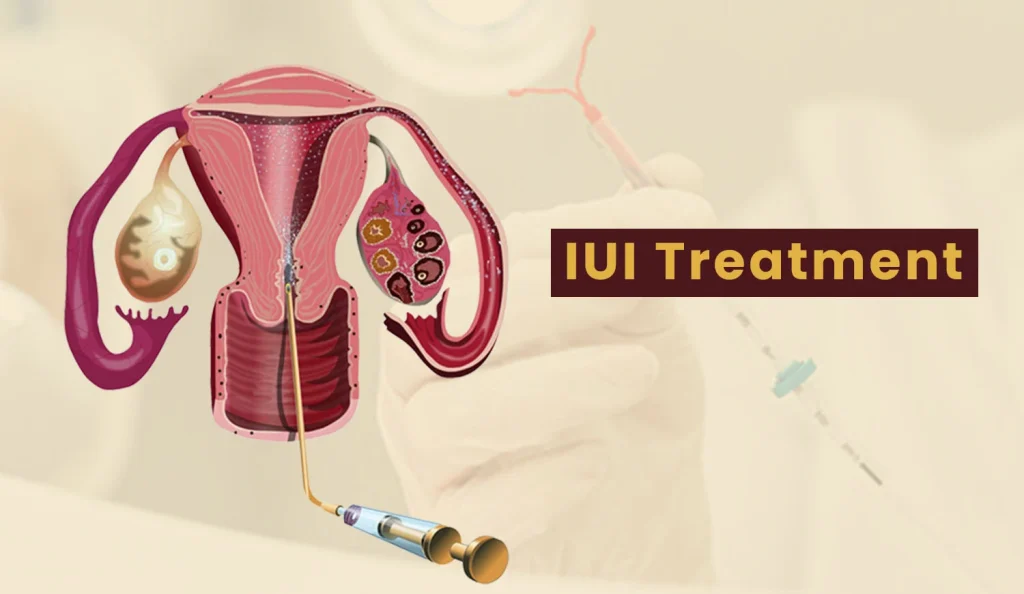
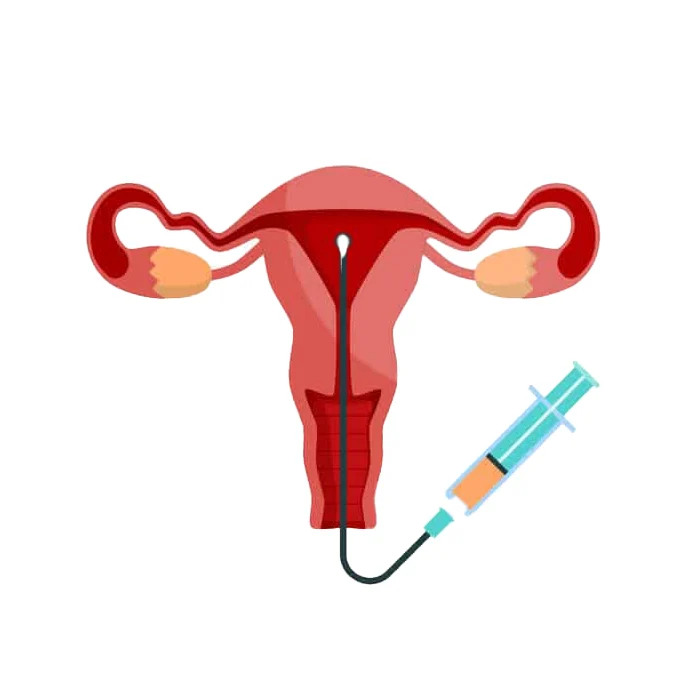
    illustration of the uterus and ovaries with a syringe, labeled "IUI Treatment" in the background

    Traditional Exercise vs Fertility Yoga: Which Is More Effective for Improving Male Fertility?

    One of the key benefits of fertility yoga is its ability to reduce stress. Stress is a major factor in male infertility, as it can disrupt hormone levels and sperm production. By practicing relaxation techniques and calming the mind, fertility yoga can help reduce stress and improve male fertility.

    In addition, fertility yoga can also improve blood circulation to the reproductive organs. Certain poses, such as the Bridge pose and the Cobra pose, can increase blood flow to the pelvic area, which can improve the health of the reproductive organs and increase sperm production.

    Furthermore, fertility yoga can also help balance hormones. Hormonal imbalances can affect sperm production and lead to fertility issues. By practicing certain poses and breathing techniques, fertility yoga can help regulate hormone levels and improve male fertility.

    Which Is More Effective for Improving Male Fertility?

    While both traditional exercise and fertility yoga have their benefits, it is difficult to determine which one is more effective for improving male fertility. The truth is, it may depend on the individual and their specific needs.

    For men who are already physically active, incorporating fertility yoga into their routine may offer additional benefits for improving fertility. It can help reduce stress, improve blood flow, and balance hormones, all of which can contribute to better reproductive health.

    On the other hand, for men who are not as physically active, starting with moderate traditional exercise may be a good first step. It can help improve overall fitness and may have a positive effect on male fertility. However, it is important to avoid over-exercising and to listen to the body’s limits.

    In conclusion, both traditional exercise and fertility yoga have their advantages when it comes to improving male fertility. Moderate traditional exercise can improve overall fitness and blood flow, while fertility yoga can reduce stress and balance hormones. Ultimately, finding the right balance between the two may be the most effective approach for improving male fertility.
    Summary:

    Male fertility is an important factor in the conception process, and exercise can play a crucial role in improving it. Traditional exercise, such as aerobic, strength training, and flexibility, has many benefits for overall health but excessive exercise can have a negative impact on fertility. On the other hand, fertility yoga, with its focus on poses, breathing techniques, and meditation, can reduce stress, improve blood flow, and balance hormones. Both forms of exercise have their benefits, and finding the right balance between the two may be the most effective approach for improving male fertility.
  • Traditional Exercise vs Fertility Yoga: Which Is More Suitable for Women with Pelvic Inflammatory Disease?

    Traditional Exercise vs Fertility Yoga: Which Is More Suitable for Women with Pelvic Inflammatory Disease?

    Pelvic Inflammatory Disease (PID) is a common infection in women that affects the reproductive organs, including the uterus, ovaries, and fallopian tubes. It is usually caused by sexually transmitted infections, such as chlamydia and gonorrhea, and can lead to long-term complications, including infertility. While medical treatments are essential for managing PID, there are also alternative therapies, such as traditional exercise and fertility yoga, that can help women with PID regain their health and fertility. In this blog post, we will explore the benefits and effectiveness of traditional exercise and fertility yoga for women with PID and which may be more suitable for their specific needs.

    Traditional Exercise for Women with PID:
    Traditional exercise, such as cardio, strength training, and stretching, has been proven to have numerous benefits for overall health and well-being. For women with PID, traditional exercise can help reduce inflammation, improve blood flow to the reproductive organs, and boost the immune system. It can also help manage symptoms such as pelvic pain and discomfort, which are common in women with PID.

    Cardio exercises, such as running, cycling, and swimming, can improve cardiovascular health and help with weight management, which is essential for women with PID as being overweight can increase the risk of complications. Strength training, on the other hand, can increase muscle mass and strength, which can help support the pelvic organs and improve overall pelvic floor health. Stretching exercises, such as yoga or Pilates, can improve flexibility and reduce tension in the pelvic area, providing relief from pelvic pain and discomfort.

    While traditional exercise has numerous benefits for women with PID, it is essential to keep in mind that not all forms of exercise may be suitable. High-intensity exercises and heavy lifting may put strain on the pelvic area, potentially worsening symptoms and causing discomfort. It is crucial to consult with a doctor or a certified trainer before engaging in any exercise routine and to modify exercises as needed to avoid any further complications.

    Fertility Yoga for Women with PID:
    Fertility yoga is a specific form of yoga that focuses on improving reproductive health and increasing fertility. It involves a series of poses, breathing techniques, and meditation that can help reduce stress, balance hormones, and improve blood flow to the reproductive organs. It can also help with managing symptoms of PID, such as pelvic pain and inflammation, and improve overall well-being.

    diagram of a uterus with a syringe for intrauterine insemination procedure

    Traditional Exercise vs Fertility Yoga: Which Is More Suitable for Women with Pelvic Inflammatory Disease?

    One of the key benefits of fertility yoga for women with PID is its ability to reduce stress. Stress can have a significant impact on reproductive health, and women with PID may experience higher levels of stress due to their condition. Fertility yoga can help manage stress levels, which in turn can improve the chances of conception.

    In addition to reducing stress, fertility yoga can also help balance hormones. Hormonal imbalances are common in women with PID, and they can affect ovulation and fertility. Fertility yoga poses, such as the supported bridge pose, can help stimulate the endocrine glands responsible for hormone production, promoting hormonal balance and improving fertility.

    Fertility yoga can also help improve blood flow to the reproductive organs. This is crucial for women with PID, as inflammation and scarring in the reproductive organs can affect blood flow and potentially lead to fertility issues. Specific poses, such as the bound angle pose, can help increase blood flow to the pelvic area, providing relief from inflammation and promoting healing.

    Which Is More Suitable for Women with PID?
    Both traditional exercise and fertility yoga have their benefits for women with PID, and the most suitable option may vary depending on the individual’s specific needs and preferences. Traditional exercise can provide overall health benefits, including reducing inflammation and improving blood flow, while fertility yoga has a specific focus on reproductive health and fertility.

    Women with PID may benefit from incorporating a combination of both traditional exercise and fertility yoga into their routine. Low-impact exercises, such as swimming and yoga, can help improve overall health and fertility without putting too much strain on the pelvic area. It is essential to consult with a healthcare professional before starting any exercise routine and to listen to your body to avoid any discomfort or worsening of symptoms.

    In summary, traditional exercise and fertility yoga can both be beneficial for managing PID and improving reproductive health. Both options come with their unique benefits, and the most suitable choice may vary from person to person. It is essential to consult with a healthcare professional and listen to your body to find the right exercise routine for your specific needs and to practice caution to avoid any complications.

  • Fertility Yoga vs Traditional Exercise: Which Is More Effective for Improving Egg Quality?

    Blog Post: Fertility Yoga vs Traditional Exercise: Which Is More Effective for Improving Egg Quality?

    Fertility is a topic that many women are concerned about, especially as they get older and start to think about having children. One aspect of fertility that is often overlooked is egg quality. Many factors can affect the quality of a woman’s eggs, including age, diet, and lifestyle choices. In recent years, there has been a growing interest in using yoga as a way to improve egg quality. But is fertility yoga really more effective than traditional exercise when it comes to this specific goal? In this blog post, we will explore the benefits of both fertility yoga and traditional exercise and determine which one is more effective for improving egg quality.

    Fertility Yoga: What Is It?

    Fertility yoga is a specialized form of yoga that focuses on the reproductive system and aims to improve fertility. It incorporates specific poses, breathing techniques, and meditation practices to support reproductive health. Fertility yoga also places a strong emphasis on stress management, as high levels of stress can negatively impact fertility.

    One of the main principles of fertility yoga is the belief that certain poses can increase blood flow to the reproductive organs, promoting hormonal balance and improving egg quality. Some of the most commonly recommended poses for fertility are the butterfly pose, supported bridge pose, and legs-up-the-wall pose.

    Traditional Exercise: How Does It Affect Egg Quality?

    Traditional exercise, such as running, weightlifting, or cycling, has been proven to have numerous health benefits. Regular physical activity can improve cardiovascular health, strengthen muscles, and boost mood and energy levels. But can it also improve egg quality?

    Research has shown that exercise can indeed have a positive impact on fertility. A study published in the journal Fertility and Sterility found that women who exercised regularly had a lower risk of ovulation disorders, which can affect egg quality. Another study from the University of North Carolina found that exercise can increase the production of antioxidants in the body, which can help protect egg cells from damage.

    Fertility Yoga vs Traditional Exercise: Which Is More Effective for Improving Egg Quality?

    Now that we have a better understanding of fertility yoga and traditional exercise, let’s compare the two to determine which one is more effective for improving egg quality.

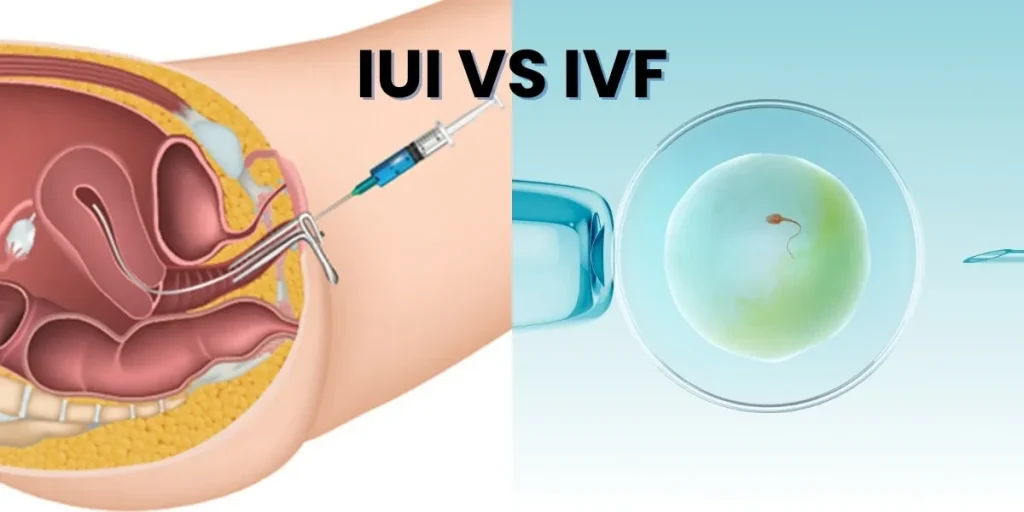
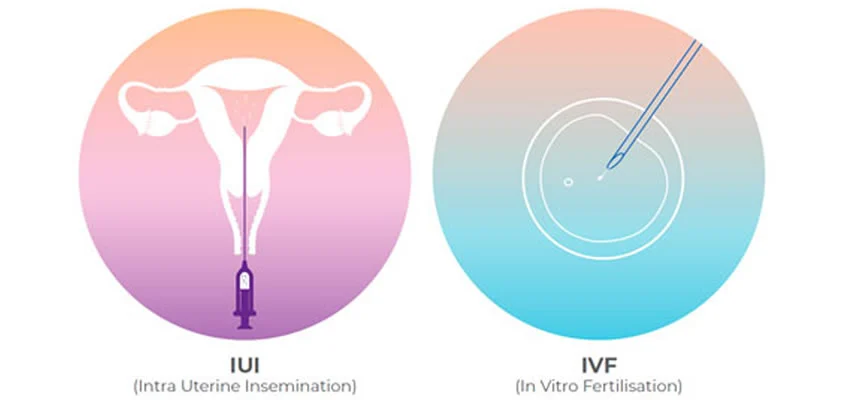
    comparison of IUI and IVF procedures illustrated with simple graphics and labels

    Fertility Yoga vs Traditional Exercise: Which Is More Effective for Improving Egg Quality?

    1. Blood Flow

    Both fertility yoga and traditional exercise can increase blood flow to the reproductive organs. However, fertility yoga’s specific poses are designed to target the reproductive system, making it more effective in this aspect. The butterfly pose, for example, is believed to stimulate the ovaries, while the legs-up-the-wall pose can increase blood flow to the uterus.

    2. Stress Management

    High levels of stress can have a detrimental effect on fertility, as they can disrupt hormonal balance and decrease egg quality. Fertility yoga’s emphasis on stress management through breathing techniques and meditation can be highly beneficial for women trying to conceive. Traditional exercise, while also known to reduce stress, may not be as targeted in this aspect.

    3. Hormonal Balance

    Hormonal imbalances can negatively impact egg quality and fertility. Fertility yoga’s focus on specific poses that stimulate the endocrine system can help regulate hormone levels and improve egg quality. Traditional exercise, on the other hand, may not have the same targeted effect on hormone balance.

    4. Antioxidants

    As mentioned earlier, exercise can increase the production of antioxidants in the body, which can help protect egg cells from damage. However, fertility yoga may have an edge in this aspect as well. Certain poses, such as the supported bridge pose, can stimulate the thyroid gland, which is responsible for producing antioxidants.

    Summary:

    In summary, both fertility yoga and traditional exercise can have a positive impact on fertility and egg quality. However, fertility yoga may be more effective in improving egg quality due to its specific poses and focus on stress management and hormone balance. Traditional exercise, while beneficial for overall health, may not have the same targeted effects on reproductive health. It is also important to note that a combination of both fertility yoga and traditional exercise may be the most effective approach for improving egg quality.

  • Traditional Exercise vs Fertility Yoga: Which Is More Suitable for Women with High-Stress Lifestyles?

    Traditional Exercise vs Fertility Yoga: Which Is More Suitable for Women with High-Stress Lifestyles?

    For many women, trying to balance a high-stress lifestyle with the desire to conceive can be a daunting challenge. The constant demands of work, family, and personal responsibilities can take a toll on both physical and mental health, making it difficult to conceive. As a result, many women turn to exercise as a way to manage stress and improve their overall well-being. However, when it comes to fertility, not all forms of exercise are created equal. In recent years, fertility yoga has gained popularity as a way to support and enhance fertility. But how does it compare to traditional exercise? In this blog post, we will explore the benefits and drawbacks of both traditional exercise and fertility yoga for women with high-stress lifestyles.

    Traditional Exercise: The Pros and Cons

    Traditional exercise, such as running, cycling, weightlifting, and aerobics, has been a staple in many women’s fitness routines for decades. And for good reason – it offers numerous benefits, including improved cardiovascular health, weight management, and increased strength and endurance. However, for women with high-stress lifestyles, traditional exercise may not be the best option when it comes to fertility.

    Intense exercise routines can trigger a stress response in the body, leading to an increase in the production of cortisol, also known as the “stress hormone.” This can disrupt the delicate balance of hormones necessary for ovulation and conception. In fact, research has shown that women who engage in high-intensity exercise may have a harder time conceiving compared to those who engage in moderate exercise or no exercise at all.

    Moreover, traditional exercise can also be time-consuming and physically demanding, which may not be suitable for women who are trying to conceive. It can also add to the overall stress levels, as trying to fit a workout routine into an already hectic schedule can be overwhelming.

    On the other hand, traditional exercise can also have some positive effects on fertility. It can help manage weight and improve overall health, which can indirectly support fertility. Exercise can also be a great way to release tension and clear the mind, making it a useful tool for managing stress. However, it is crucial to find a balance and not overdo it, as too much exercise can have adverse effects on fertility.

    Fertility Yoga: The Pros and Cons

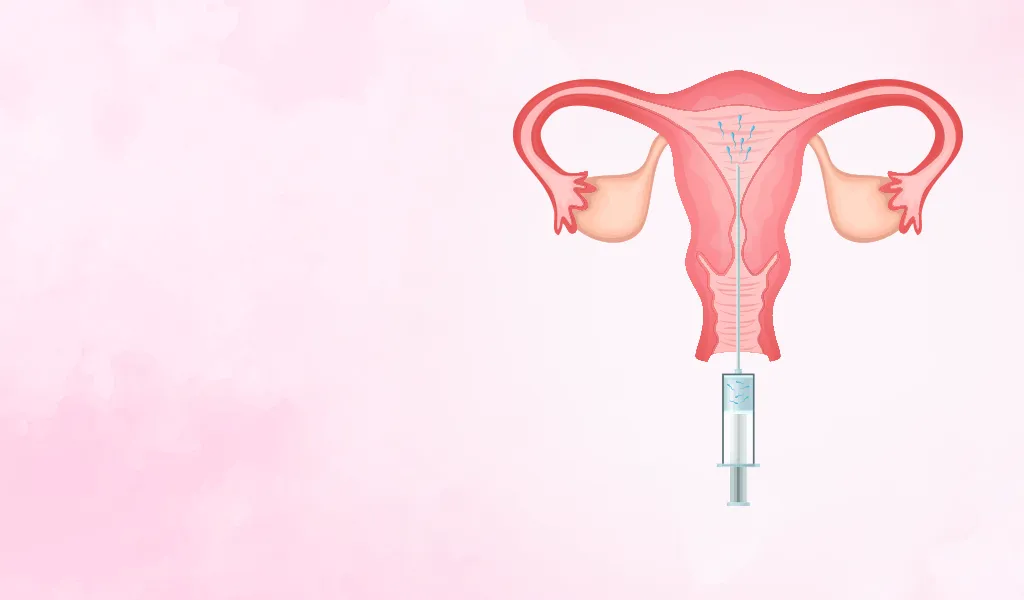
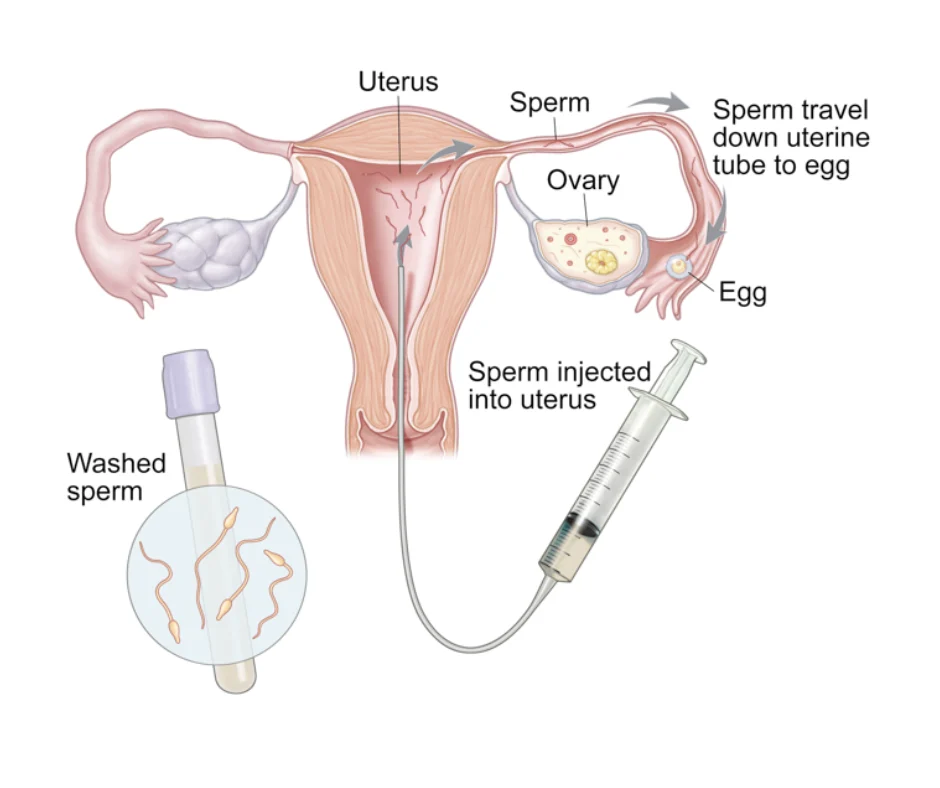
    diagram illustrating intrauterine insemination process, showing sperm injection into the uterus and egg fertilization pathway

    Traditional Exercise vs Fertility Yoga: Which Is More Suitable for Women with High-Stress Lifestyles?

    Fertility yoga, also known as fertility-enhancing yoga, is a specialized form of yoga that aims to support and enhance fertility. It combines gentle yoga poses, breathing techniques, and meditation to help reduce stress, improve blood flow to the reproductive organs, and balance hormones.

    One of the main benefits of fertility yoga is its ability to reduce stress levels. The practice of deep breathing and mindfulness in yoga can help activate the parasympathetic nervous system, also known as the “rest and digest” response, which can counteract the effects of stress on the body. This, in turn, can help regulate hormone levels and promote ovulation.

    Moreover, fertility yoga also focuses on specific poses that target the reproductive organs and improve blood flow to these areas, which can be beneficial for fertility. It can also help release tension and emotional blockages, which may be hindering conception.

    However, fertility yoga may not be suitable for everyone. It requires a certain level of flexibility, which can be challenging for some women, especially those who are new to yoga. It also takes time to see results, and it may not be the right fit for women who are looking for a quick fix. Additionally, women with certain medical conditions, such as endometriosis or polycystic ovary syndrome (PCOS), should consult with their doctor before starting a fertility yoga practice.

    Which Is More Suitable for Women with High-Stress Lifestyles?

    In the end, the best form of exercise for women with high-stress lifestyles may vary from person to person. Some women may find that a combination of traditional exercise and fertility yoga works best for them, while others may benefit more from one over the other.

    For women who are already engaged in traditional exercise, finding ways to incorporate stress-reducing activities, such as yoga or meditation, can be beneficial. It is also essential to listen to your body and not push yourself too hard, as this can have a negative impact on your fertility.

    On the other hand, women who are new to exercise and are trying to conceive may want to start with fertility yoga. It offers a gentle and holistic approach to supporting fertility, and it can be a great way to manage stress and improve overall well-being.

    In summary, both traditional exercise and fertility yoga offer unique benefits for women with high-stress lifestyles. While traditional exercise can improve overall health and manage stress levels, fertility yoga can specifically target fertility and promote relaxation. However, it is crucial to find a balance and not overdo either form of exercise, as too much stress can negatively impact fertility. Consulting with a doctor or a fertility specialist can also help determine the best exercise approach for each individual.

  • Fertility Yoga vs Traditional Exercise: Which Is More Beneficial for Women Over 35?

    Blog Post:

    As women age, their fertility naturally declines, making it more difficult to conceive a child. For women over 35, this can be a cause of concern and many may turn to various methods to improve their fertility. One such method that has gained popularity in recent years is fertility yoga. But how does it compare to traditional exercise when it comes to improving fertility in women over 35? In this blog post, we will delve into the benefits of fertility yoga and traditional exercise and determine which one may be more beneficial for women over 35.

    Fertility Yoga:

    Fertility yoga is a specific type of yoga that focuses on increasing fertility by targeting the reproductive system. It combines various yoga poses, breathing techniques, and meditation to promote relaxation, reduce stress, and balance hormones. Many fertility yoga classes also incorporate elements of traditional Chinese medicine, such as acupressure points, to further enhance its effectiveness.

    One of the main benefits of fertility yoga is its ability to reduce stress. High levels of stress have been linked to decreased fertility and can also disrupt the menstrual cycle. Fertility yoga helps to calm the mind and body, promoting relaxation and reducing stress levels. This can help to regulate the menstrual cycle and improve overall fertility.

    Another benefit of fertility yoga is its ability to improve blood flow to the reproductive organs. Certain yoga poses, such as the butterfly pose and the pigeon pose, can help to increase circulation to the ovaries and uterus. This can improve the health of these organs and increase the chances of conception.

    Fertility yoga also focuses on strengthening the pelvic floor muscles, which can be beneficial for women over 35. As women age, the pelvic floor muscles may weaken, leading to issues such as urinary incontinence and prolapse. Strengthening these muscles can not only improve fertility but also prevent these issues.

    Traditional Exercise:

    On the other hand, traditional exercise has numerous benefits for overall health and can also potentially improve fertility in women over 35. Regular exercise can help to maintain a healthy weight, which is important for fertility. Being overweight or underweight can affect hormone levels and disrupt the menstrual cycle, making it more difficult to conceive.

    illustration of a uterus with a syringe for intrauterine insemination (IUI) procedure

    Fertility Yoga vs Traditional Exercise: Which Is More Beneficial for Women Over 35?

    Exercise also helps to improve circulation and reduce stress, similar to fertility yoga. Additionally, it can boost endorphins, also known as the “feel-good” hormones, which can further reduce stress and promote relaxation. This can have a positive impact on fertility, as stress can interfere with ovulation and hormone production.

    In addition to these general benefits, certain types of traditional exercise can also target the reproductive system. For example, Pilates and barre exercises focus on strengthening the core and pelvic floor muscles, which can improve fertility in women over 35. These exercises also help to improve posture, which can aid in proper alignment of the reproductive organs.

    Another type of traditional exercise that may be beneficial for women over 35 is strength training. As women age, their bone density decreases, making them more prone to osteoporosis. Strength training exercises can help to maintain bone density and prevent osteoporosis. This is important for women over 35 who may be trying to conceive, as having strong bones can support a healthy pregnancy.

    Which Is More Beneficial for Women Over 35?

    Both fertility yoga and traditional exercise have their own unique benefits for women over 35. However, when it comes to improving fertility, fertility yoga may have an edge. Its focus on reducing stress and improving circulation to the reproductive organs can directly impact fertility. Additionally, the incorporation of traditional Chinese medicine elements can also provide added benefits.

    That being said, traditional exercise should not be overlooked. Its ability to improve overall health, maintain a healthy weight, and target the reproductive system can also have a positive impact on fertility. The best approach may be to incorporate both fertility yoga and traditional exercise into a well-rounded fitness routine.

    It is important to note that fertility yoga and traditional exercise should not be seen as a replacement for medical treatment or advice. Consulting with a healthcare professional is always recommended for women over 35 who are trying to conceive.

    In conclusion, fertility yoga and traditional exercise both offer unique benefits for women over 35 looking to improve their fertility. While fertility yoga may have a slight advantage, incorporating both into a fitness routine can provide a holistic approach to improving overall health and fertility.

    Summary:

    As women age, their fertility declines, making it more difficult to conceive. Fertility yoga and traditional exercise are two methods that can potentially improve fertility in women over 35. Fertility yoga focuses on reducing stress, improving circulation, and strengthening pelvic floor muscles, while traditional exercise can help maintain a healthy weight, improve circulation, and target the reproductive system through specific exercises. While fertility yoga may have a slight advantage, incorporating both into a fitness routine can provide a holistic approach to improving overall health and fertility.

  • Traditional Exercise vs Fertility Yoga: Which Is More Sustainable for Women Trying to Conceive?

    Traditional Exercise vs Fertility Yoga: Which Is More Sustainable for Women Trying to Conceive?

    When it comes to trying to conceive, many women turn to various forms of exercise to improve their chances of getting pregnant. Traditional exercises such as running, weightlifting, and cycling have been popular for years, but in recent years, fertility yoga has gained traction as a potential aid in increasing fertility. But which form of exercise is more sustainable for women trying to conceive? In this blog post, we will explore the benefits and drawbacks of both traditional exercise and fertility yoga and determine which may be more effective in helping women conceive.

    Traditional Exercise and Fertility

    Traditional exercise, also known as high-intensity exercise, refers to any form of physical activity that elevates the heart rate and involves repetitive movements. This includes activities such as running, cycling, weightlifting, and high-intensity interval training (HIIT). These forms of exercise have been proven to have numerous health benefits, including weight management, improved cardiovascular health, and increased muscle strength. However, when it comes to fertility, traditional exercise may not be as beneficial as many women believe.

    Studies have shown that high-intensity exercise can have a negative impact on fertility. The intense physical stress caused by traditional exercise can disrupt the delicate balance of hormones in the body, leading to irregular or absent periods, which can make it difficult to track ovulation and time intercourse accordingly. Additionally, high-intensity exercise has been found to decrease levels of estrogen, a hormone essential for reproductive health. This decrease in estrogen can lead to thinning of the uterine lining, making it more difficult for a fertilized egg to implant and resulting in a higher risk of miscarriage.

    Furthermore, traditional exercise can also increase levels of cortisol, also known as the stress hormone. High levels of cortisol can interfere with the production of other hormones, such as progesterone, which is crucial for maintaining a healthy pregnancy. Additionally, excessive cortisol can also cause inflammation in the body, which can negatively impact egg quality and overall reproductive health.

    Fertility Yoga and Its Benefits

    Fertility yoga, on the other hand, is a gentle and low-impact form of exercise that focuses on improving blood flow, reducing stress, and balancing hormones in the body. It involves specific poses and breathing techniques that are believed to support the reproductive system and increase fertility. Fertility yoga also incorporates mindfulness and relaxation techniques, which can help reduce stress and anxiety, both of which can have a significant impact on fertility.

    comparison of IUI and IVF fertility treatments with illustrations of procedures and a petri dish with an egg and sperm

    Traditional Exercise vs Fertility Yoga: Which Is More Sustainable for Women Trying to Conceive?

    One of the main benefits of fertility yoga is its focus on increasing blood flow to the reproductive organs. This increased blood flow can help nourish the ovaries and uterus, promoting healthy egg development and a thick, healthy uterine lining. Additionally, fertility yoga can help reduce inflammation in the body and balance hormones, which can improve the chances of ovulation and regular menstrual cycles.

    Moreover, fertility yoga can also have a positive impact on mental health. Many women trying to conceive experience high levels of stress, anxiety, and even depression, which can all have a detrimental effect on fertility. By incorporating relaxation techniques and mindfulness into their routine, women can reduce stress and improve their overall emotional well-being, creating a more conducive environment for conception.

    Sustainable Practices for Women Trying to Conceive

    When it comes to traditional exercise and fertility yoga, the best approach for women trying to conceive may be a combination of both. Traditional exercise can still provide numerous health benefits, but it’s important to incorporate low-impact activities and fertility yoga into the routine to balance out the potential negative effects of high-intensity exercise. For instance, combining a few days of running or weightlifting with a few days of fertility yoga can create a well-rounded exercise routine that supports both physical and reproductive health.

    It’s also essential to listen to your body and make adjustments as needed. If traditional exercise is causing increased stress or irregular periods, it may be necessary to scale back and focus more on low-impact activities and fertility yoga. On the other hand, if fertility yoga is not providing the desired results, incorporating some high-intensity exercise may be beneficial.

    In conclusion, both traditional exercise and fertility yoga have their benefits and drawbacks when it comes to fertility. While traditional exercise can provide numerous health benefits, it may not be the most sustainable form of exercise for women trying to conceive. Fertility yoga, on the other hand, offers a gentle and holistic approach to supporting reproductive health and can be a more sustainable option for women trying to conceive. By finding a balance between the two, women can create a sustainable exercise routine that supports their fertility journey.

    Summary:

    Traditional exercise, also known as high-intensity exercise, has been a popular form of physical activity for years. However, studies have shown that it may have a negative impact on fertility by disrupting hormone levels and increasing stress. On the other hand, fertility yoga is a gentle and low-impact form of exercise that focuses on increasing blood flow, reducing stress, and balancing hormones in the body. It incorporates mindfulness and relaxation techniques, making it a more sustainable option for women trying to conceive. A combination of both traditional exercise and fertility yoga may be the best approach for women looking to improve their fertility. It’s essential to listen to the body and make adjustments as needed to create a well-rounded and sustainable exercise routine.

  • Fertility Yoga vs Traditional Exercise: Which Is More Effective for PCOS and Endometriosis?

    Fertility Yoga vs Traditional Exercise: Which Is More Effective for PCOS and Endometriosis?

    Polycystic Ovary Syndrome (PCOS) and Endometriosis are two common conditions that affect women’s reproductive health. Both conditions can cause fertility issues, making it difficult for women to conceive. While there are various treatment options available, many women are turning to alternative methods such as fertility yoga and traditional exercise to manage their symptoms and improve their chances of getting pregnant. In this blog post, we will explore the effectiveness of these two forms of exercise in managing PCOS and endometriosis.

    Understanding PCOS and Endometriosis

    Before delving into the effectiveness of fertility yoga and traditional exercise, it is essential to understand what PCOS and endometriosis are and how they affect women’s reproductive health.

    PCOS is a hormonal disorder that affects 1 in 10 women of childbearing age. It is characterized by high levels of androgens (male hormones) in the body, leading to irregular menstrual cycles, excess hair growth, and difficulty in conceiving. Women with PCOS also have multiple small cysts on their ovaries, which can affect ovulation.

    On the other hand, endometriosis is a condition in which the tissue that lines the uterus (endometrium) grows outside of it. This tissue can implant itself on other organs in the pelvic area, causing pain, inflammation, and scarring. Endometriosis can also lead to infertility due to the damage it causes to the reproductive organs.

    How Fertility Yoga Can Help with PCOS and Endometriosis

    Fertility yoga is a specific type of yoga that focuses on poses and breathing techniques to help improve reproductive health. It is believed to help regulate hormones, increase blood flow to the reproductive organs, and reduce stress, all of which can help with PCOS and endometriosis.

    One of the key benefits of fertility yoga is its ability to reduce stress levels. High levels of stress can worsen symptoms of both PCOS and endometriosis, leading to irregular menstrual cycles and increased pain. Fertility yoga incorporates breathing exercises and meditation, which can help calm the mind and reduce stress and anxiety.

    Yoga poses that target the pelvic area, such as the butterfly pose, can also help improve blood flow to the reproductive organs. This increased blood flow can help nourish the ovaries and uterus, promoting regular ovulation and a healthy menstrual cycle.

    Another benefit of fertility yoga is its ability to help regulate hormones. Certain poses, such as the cobra pose, can stimulate the endocrine glands, which are responsible for producing hormones. By stimulating these glands, fertility yoga may help balance hormone levels, leading to improved reproductive health.

    illustration of a uterus with a syringe, representing intrauterine insemination procedure

    Fertility Yoga vs Traditional Exercise: Which Is More Effective for PCOS and Endometriosis?

    How Traditional Exercise Can Help with PCOS and Endometriosis

    Traditional forms of exercise, such as cardio and strength training, have been proven to have numerous health benefits. When it comes to PCOS and endometriosis, regular exercise can help manage symptoms and improve overall health.

    One of the primary benefits of traditional exercise for women with PCOS and endometriosis is weight management. Both conditions are associated with weight gain, and excess weight can worsen symptoms and affect fertility. By incorporating regular exercise into their routine, women can maintain a healthy weight, reducing the impact of these conditions on their reproductive health.

    Additionally, traditional exercise can help improve insulin sensitivity in women with PCOS. Insulin resistance is a common symptom of PCOS, and it can lead to weight gain and difficulty in ovulation. Studies have shown that regular exercise can improve insulin sensitivity, leading to better management of PCOS symptoms.

    For women with endometriosis, exercise can help reduce inflammation and pain. Endometriosis can cause pelvic pain, which can be debilitating for some women. Regular exercise, especially low-impact activities like swimming and cycling, can help reduce inflammation and improve overall pain management.

    Fertility Yoga vs Traditional Exercise: Which is More Effective?

    While both fertility yoga and traditional exercise have their benefits for women with PCOS and endometriosis, it is essential to find the right balance between the two.

    Fertility yoga can be a great option for women looking to reduce stress and improve hormone balance. However, it may not be enough to manage weight and insulin resistance associated with PCOS. On the other hand, traditional exercise can help with weight management and insulin sensitivity, but it may not specifically target reproductive health issues.

    The best approach would be to incorporate both fertility yoga and traditional exercise into a well-rounded fitness routine. This way, women can benefit from the stress-reducing and hormone-balancing effects of fertility yoga while also managing weight and insulin levels with traditional exercise.

    It is also crucial to consult with a healthcare professional before starting any new exercise routine, especially for women with PCOS and endometriosis. They can provide personalized recommendations and ensure that the exercise routine is safe and suitable for any individual needs.

    In conclusion, fertility yoga and traditional exercise can both be effective in managing symptoms of PCOS and endometriosis. While fertility yoga focuses on reproductive health and stress reduction, traditional exercise can help with weight management and insulin resistance. Combining both forms of exercise can provide a well-rounded approach to managing these conditions and improving fertility.

    SEO metadata:

  • Traditional Exercise vs Fertility Yoga: Which Is More Beneficial for Male Fertility?

    Traditional Exercise vs Fertility Yoga: Which Is More Beneficial for Male Fertility?

    Infertility is a growing concern in the world today, with approximately 15% of couples struggling to conceive. While it is often thought of as a female issue, male infertility is also a major contributor to the problem. In fact, male infertility is responsible for around 30-40% of all infertility cases. With this in mind, many men are now turning to alternative methods such as fertility yoga to improve their reproductive health. But how effective is fertility yoga compared to traditional exercise for male fertility? In this blog post, we will explore the benefits of both and determine which one may be more beneficial for male fertility.

    Traditional Exercise for Male Fertility

    Exercise has always been touted as an essential aspect of a healthy lifestyle. And when it comes to male fertility, the same holds true. Regular physical activity has been shown to improve overall health and well-being, which can have a positive impact on fertility. Studies have also shown that men who engage in regular exercise have higher sperm counts and better sperm morphology (size and shape) compared to those who are sedentary.

    But what types of exercises are most beneficial for male fertility? Aerobic exercises, such as running, swimming, and cycling, have been found to be particularly effective. These types of exercises increase blood flow and oxygenation, which can help improve sperm production. Resistance training, such as weightlifting, can also be beneficial as it can increase testosterone levels, which is important for sperm production.

    However, it is important to note that excessive exercise can actually have a negative impact on male fertility. High-intensity workouts and extreme endurance training can cause an increase in free radicals, which can damage sperm cells. Therefore, moderation is key when it comes to traditional exercise for male fertility.

    Fertility Yoga for Male Fertility

    Yoga has been practiced for centuries and is known for its physical, mental, and spiritual benefits. In recent years, fertility yoga has gained popularity as a way to improve reproductive health and increase fertility. Fertility yoga combines specific poses, breathing techniques, and meditation to help balance hormones, increase blood flow to the reproductive organs, and reduce stress.

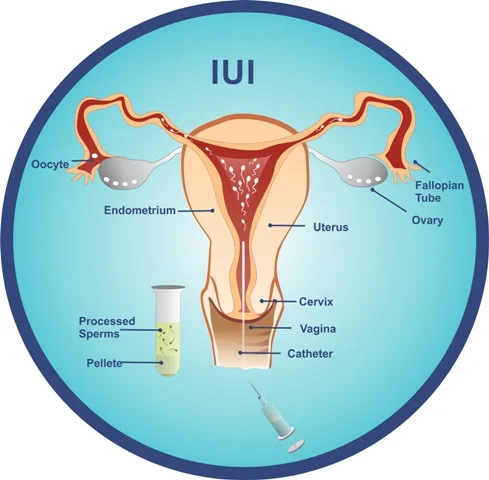
    diagram illustrating intrauterine insemination (IUI) with labeled reproductive anatomy and procedures

    Traditional Exercise vs Fertility Yoga: Which Is More Beneficial for Male Fertility?

    One of the main benefits of fertility yoga is its ability to reduce stress. Stress can have a major impact on male fertility, as it can disrupt hormone levels and decrease sperm production. By practicing fertility yoga, men can learn to relax and reduce stress, which can have a positive effect on their reproductive health.

    Additionally, fertility yoga also focuses on poses that target the pelvic area, such as the butterfly pose and the lotus pose. These poses can help improve blood flow to the reproductive organs, which can improve sperm production and quality. Fertility yoga also incorporates breathing techniques, which can help increase oxygenation and energy flow to the reproductive organs.

    Which is More Beneficial for Male Fertility?

    Both traditional exercise and fertility yoga have their own unique benefits when it comes to male fertility. Traditional exercise is effective in improving overall health and increasing sperm production, while fertility yoga focuses on balancing hormones and reducing stress, which can have a positive impact on reproductive health.

    Therefore, it is best to incorporate a combination of both into your routine for optimal results. Engage in regular aerobic and resistance exercises, but also make time for fertility yoga to reduce stress and improve blood flow to the reproductive organs.

    In conclusion, male fertility can be improved through traditional exercise and fertility yoga. Both have their own benefits and can work together to improve overall reproductive health. However, it is important to consult with a healthcare professional before starting any new exercise routine, especially if you are struggling with infertility.

    Summary:

    Infertility affects approximately 15% of couples, with male infertility being responsible for 30-40% of all cases. Traditional exercises, such as aerobic and resistance training, can improve overall health and increase sperm production. However, excessive exercise can have a negative impact on fertility. Fertility yoga, on the other hand, focuses on balancing hormones and reducing stress through specific poses and breathing techniques. Both traditional exercise and fertility yoga can be beneficial for male fertility and should be incorporated into a routine for optimal results.

  • Fertility Yoga vs Traditional Exercise: Which is More Accessible for Women Trying to Conceive?

    Blog Post:

    Fertility is a topic that is often discussed in hushed tones, but is a very real and important aspect of women’s health. For many women, the journey to conceiving a child can be a long and difficult one, filled with many ups and downs. In recent years, there has been a growing interest in using yoga as a means to improve fertility and increase the chances of successfully conceiving. Traditional exercise, on the other hand, has been a staple in women’s health and fitness routines for decades. But when it comes to fertility, which is more accessible for women trying to conceive – fertility yoga or traditional exercise?

    Fertility Yoga:

    Yoga has been around for thousands of years and has been proven to have numerous physical, mental, and emotional benefits. Fertility yoga, specifically, is a type of yoga that is specifically designed to support and enhance fertility. It focuses on poses and breathing techniques that can help balance hormones, increase blood flow to the reproductive organs, and reduce stress – all of which can contribute to fertility issues.

    One of the main appeals of fertility yoga is its low-impact nature. Many women who are trying to conceive may have underlying health issues or may be going through fertility treatments that make high-intensity exercise difficult or even risky. Fertility yoga offers a gentle way to stay active and improve overall health without putting too much strain on the body.

    Another advantage of fertility yoga is its ability to reduce stress and promote relaxation. Stress is a common factor in fertility issues, and yoga has been shown to help alleviate stress and anxiety. In a study published in the Journal of Midwifery and Women’s Health, women who participated in a 10-week fertility yoga program experienced a significant decrease in stress levels compared to those who did not participate.

    Fertility yoga also offers a sense of community and support for women who are trying to conceive. Many fertility yoga classes are specifically tailored to women who are on the same journey, creating a safe and supportive space for individuals to share their experiences and connect with others who understand their struggles. This sense of community can be a source of comfort and motivation for women trying to conceive.

    Traditional Exercise:

    model of the female reproductive system with a hand demonstrating intrauterine insemination technique

    Fertility Yoga vs Traditional Exercise: Which is More Accessible for Women Trying to Conceive?

    Traditional exercise, on the other hand, refers to any physical activity that is not specifically geared towards fertility. This can include activities such as running, weightlifting, or group fitness classes. While traditional exercise has its own set of benefits, it may not be the best option for women trying to conceive.

    One of the main drawbacks of traditional exercise for women trying to conceive is its potential impact on hormone levels. High-intensity exercise can cause a spike in cortisol, the stress hormone, which can negatively affect fertility. Additionally, traditional exercise can also lead to a decrease in estrogen levels, which is essential for ovulation and fertility.

    Another challenge with traditional exercise is the pressure to maintain a certain body weight or body mass index (BMI). Many women trying to conceive may feel pressure to lose weight or maintain a certain level of fitness, which can be stressful and counterproductive. Focusing on physical appearance rather than overall health can also contribute to increased stress levels, which can have a negative impact on fertility.

    Accessibility:

    When it comes to accessibility, fertility yoga has a clear advantage over traditional exercise. Fertility yoga can be practiced at home with minimal equipment, making it accessible to women who may not have the time or resources to join a gym or attend exercise classes. Additionally, fertility yoga can be modified to accommodate any physical limitations or health issues that a woman may be experiencing, making it a safe and inclusive option for all.

    On the other hand, traditional exercise may require a gym membership, specific equipment, or a certain level of physical fitness. This can make it difficult for some women to incorporate into their daily routine, especially those who may be going through fertility treatments and have limited energy or mobility.

    In terms of cost, fertility yoga is also a more affordable option compared to traditional exercise. Gym memberships and fitness classes can be expensive, while fertility yoga can be practiced at home for free or at a lower cost through online classes or local community centers.

    Summary:

    In conclusion, while traditional exercise has its own set of benefits, fertility yoga appears to be a more accessible and suitable option for women trying to conceive. Its low-impact nature, stress-reducing properties, and sense of community make it a safe and supportive practice for women on their fertility journey. Additionally, fertility yoga is more accessible in terms of cost and can be easily modified to accommodate any physical limitations or health issues. Ultimately, the most important thing for women trying to conceive is to find a form of exercise that makes them feel good and supports their overall health and well-being.

  • Traditional Exercise vs Fertility Yoga: Which Is Better for Preparing Your Body for Pregnancy?

    Traditional Exercise vs Fertility Yoga: Which Is Better for Preparing Your Body for Pregnancy?

    When it comes to preparing your body for pregnancy, physical fitness is crucial. It not only helps you maintain a healthy weight and reduces the risk of health complications during pregnancy, but it also plays a significant role in increasing your chances of conceiving. While traditional exercise has been the go-to option for many women, fertility yoga is gaining popularity as a natural and gentle way to prepare the body for pregnancy. In this blog post, we will explore the differences between traditional exercise and fertility yoga and determine which one is better for preparing your body for pregnancy.

    Traditional Exercise

    Traditional exercise, also known as conventional exercise, refers to any physical activity that involves repetitive movements and aims to improve overall physical fitness. It includes activities like running, cycling, weightlifting, and aerobics. These exercises are usually high-intensity and focus on building strength, endurance, and flexibility.

    Benefits of Traditional Exercise for Pregnancy Preparation

    1. Maintains a Healthy Weight: Regular exercise helps in maintaining a healthy body weight, which is essential for fertility. Being underweight or overweight can affect hormone levels and disrupt ovulation, making it difficult to conceive.

    2. Improves Cardiovascular Health: Traditional exercises strengthen the heart and improve blood circulation, which is crucial for a healthy pregnancy. It also reduces the risk of gestational diabetes and high blood pressure.

    3. Increases Endurance and Stamina: Pregnancy can be physically demanding, and having good endurance and stamina is essential. Traditional exercises help in building endurance and stamina, making it easier for women to cope with the physical demands of pregnancy and childbirth.

    4. Reduces Stress: Regular exercise releases endorphins, also known as feel-good hormones, that help in reducing stress and anxiety. This is particularly beneficial for women who are trying to conceive as stress can interfere with ovulation and fertility.

    Fertility Yoga

    Fertility yoga is a specialized form of yoga that focuses on improving reproductive health and increasing the chances of conception. It combines traditional yoga poses and breathing techniques with specific postures and sequences that target the reproductive organs and endocrine system.

    illustration of IUI procedure with text on symptoms, reasons, and causes of IUI failure

    Traditional Exercise vs Fertility Yoga: Which Is Better for Preparing Your Body for Pregnancy?

    Benefits of Fertility Yoga for Pregnancy Preparation

    1. Balances Hormones: Fertility yoga helps in balancing hormones by stimulating and regulating the endocrine glands responsible for producing reproductive hormones. This can help in regulating menstrual cycles and improving ovulation.

    2. Increases Blood Flow to Reproductive Organs: Specific yoga poses in fertility yoga help in increasing blood flow to the reproductive organs, improving their functioning and increasing the chances of conception.

    3. Reduces Stress and Anxiety: Like traditional exercise, fertility yoga also helps in reducing stress and anxiety, which can positively impact fertility.

    4. Improves Pelvic Floor Strength: Fertility yoga includes poses that specifically target the pelvic floor muscles, which play a crucial role in supporting the reproductive organs and preparing the body for pregnancy and childbirth.

    Traditional Exercise vs. Fertility Yoga: Which Is Better?

    Both traditional exercise and fertility yoga have their advantages when it comes to preparing the body for pregnancy. Traditional exercise is beneficial for overall physical fitness, while fertility yoga focuses specifically on reproductive health. However, fertility yoga may be a more suitable option for women who are struggling with fertility issues or have underlying conditions that may interfere with conception.

    One of the significant differences between traditional exercise and fertility yoga is their impact on stress levels. While both forms of physical activity can help in reducing stress, fertility yoga combines physical movements with breathing techniques that have a more profound effect on the body’s relaxation response. This can be particularly beneficial for women who are trying to conceive as high levels of stress can negatively impact fertility.

    Moreover, fertility yoga also focuses on balancing hormones and improving blood flow to the reproductive organs, which are crucial for preparing the body for pregnancy. Traditional exercise, on the other hand, may not have the same targeted impact on reproductive health.

    However, it is essential to note that both traditional exercise and fertility yoga can complement each other when it comes to preparing your body for pregnancy. Engaging in a combination of both can provide the benefits of improved overall fitness and reproductive health.

    In conclusion, both traditional exercise and fertility yoga have their advantages when it comes to preparing the body for pregnancy. While traditional exercise is beneficial for overall physical fitness, fertility yoga has a more targeted approach towards reproductive health. Ultimately, the choice between the two forms of physical activity depends on individual preferences and needs. Regardless of which one you choose, staying physically active and maintaining a healthy lifestyle can greatly improve your chances of conceiving and having a healthy pregnancy.