Tag: surgical procedures

  • Male Factor Infertility Treatments: From IUI to Surgical Procedures

    Male factor infertility is a common issue that affects many couples trying to conceive. While often overlooked, male infertility is responsible for 30-40% of infertility cases. Fortunately, there are various treatment options available for couples facing male factor infertility. In this blog post, we will discuss the different treatments for male infertility, from the least invasive to the most complex.

    1. Intrauterine Insemination (IUI)
    IUI is a less invasive option for male factor infertility. It involves placing washed and concentrated sperm directly into the woman’s uterus during ovulation. This procedure is often used for couples who have difficulty conceiving due to low sperm count or poor sperm motility. IUI can also be combined with ovulation induction medications to increase the chances of pregnancy.

    2. In Vitro Fertilization (IVF)
    IVF is a more advanced treatment option for male infertility. It involves fertilizing the woman’s eggs with sperm in a laboratory and then transferring the resulting embryo into the woman’s uterus. IVF is often recommended for couples with severe male factor infertility, such as low sperm count or poor sperm quality. It may also be used if other treatments, such as IUI, have been unsuccessful.

    3. Intracytoplasmic Sperm Injection (ICSI)
    ICSI is a specialized form of IVF that is used when there are severe male infertility issues, such as very low sperm count or poor sperm motility. It involves injecting a single sperm directly into the egg to fertilize it. This technique has a higher success rate compared to traditional IVF and is often used when there are limited viable sperm available for fertilization.

    comparison of IUI and IVF procedures illustrated with simple graphics and labels

    Male Factor Infertility Treatments: From IUI to Surgical Procedures

    4. Surgical Procedures
    In some cases, male infertility can be caused by obstructions or abnormalities in the reproductive organs. In these cases, surgical procedures may be recommended to correct the issue. For example, a varicocelectomy can be performed to repair enlarged veins in the scrotum, which can improve sperm count and quality. Other surgical procedures, such as vasectomy reversal or testicular sperm extraction (TESE), may also be recommended depending on the underlying cause of male infertility.

    5. Assisted Reproductive Techniques (ART)
    ART refers to a group of techniques used to assist with conception, including IUI, IVF, and ICSI. These techniques can be used in combination with each other to increase the chances of pregnancy for couples facing male factor infertility. ART is a highly effective treatment option, but it can also be costly and may involve multiple cycles before achieving a successful pregnancy.

    6. Alternative Treatments
    In addition to the above medical treatments, there are also some alternative therapies that may help with male infertility. These include acupuncture, herbal supplements, and lifestyle changes such as diet and exercise. While there is limited scientific evidence to support the effectiveness of these treatments, some couples may find them helpful in improving their chances of conception.

    In conclusion, male factor infertility is a common issue that can be addressed through various treatment options. From the least invasive, such as IUI, to the most complex, like surgical procedures, there is a range of choices available to couples struggling with male infertility. It is essential to consult with a fertility specialist to determine the best treatment plan for each individual case.

    Summary:
    Male factor infertility affects 30-40% of couples trying to conceive. Treatment options include less invasive options such as IUI and more advanced options like IVF and ICSI. Surgical procedures may also be recommended for obstructions or abnormalities in the reproductive organs. Assisted reproductive techniques (ART) and alternative treatments can also be utilized. It is crucial to consult with a fertility specialist to determine the best treatment plan for each individual case.
  • The Impact of Timing on the Success of Fertility Medications vs Surgical Procedures

    Blog Post:

    When it comes to fertility treatments, timing is often cited as a crucial factor in determining the success of the various methods available. In particular, the timing of using fertility medications versus undergoing surgical procedures can have a significant impact on the chances of achieving a successful pregnancy. In this blog post, we will explore the importance of timing in fertility treatments, specifically looking at the effectiveness of fertility medications compared to surgical procedures.

    Fertility medications, also known as fertility drugs, are a common form of treatment for those struggling with infertility. These medications are designed to regulate ovulation and increase the chances of conception. They work by stimulating the ovaries to produce mature eggs, which can then be fertilized by sperm.

    The timing of when fertility medications are used is crucial for their success. Ovulation, the release of an egg from the ovary, is the key event that needs to be closely monitored when using fertility medications. In order for these medications to be effective, they need to be administered at the right time in a woman’s menstrual cycle, typically around the time of ovulation.

    Timing is also important in terms of the duration of treatment with fertility medications. These drugs are usually taken for a period of 5-10 days, and it is essential that they are taken consistently at the same time each day. This is because the body’s hormone levels need to be carefully controlled to achieve the desired effect.

    On the other hand, surgical procedures for fertility treatment, such as in vitro fertilization (IVF) or intrauterine insemination (IUI), do not rely on timing in the same way as fertility medications. These procedures involve retrieving eggs from the ovaries and fertilizing them with sperm in a laboratory setting before transferring them back into the uterus. While timing is still important in terms of scheduling the procedure, it is not as critical as it is for fertility medications.

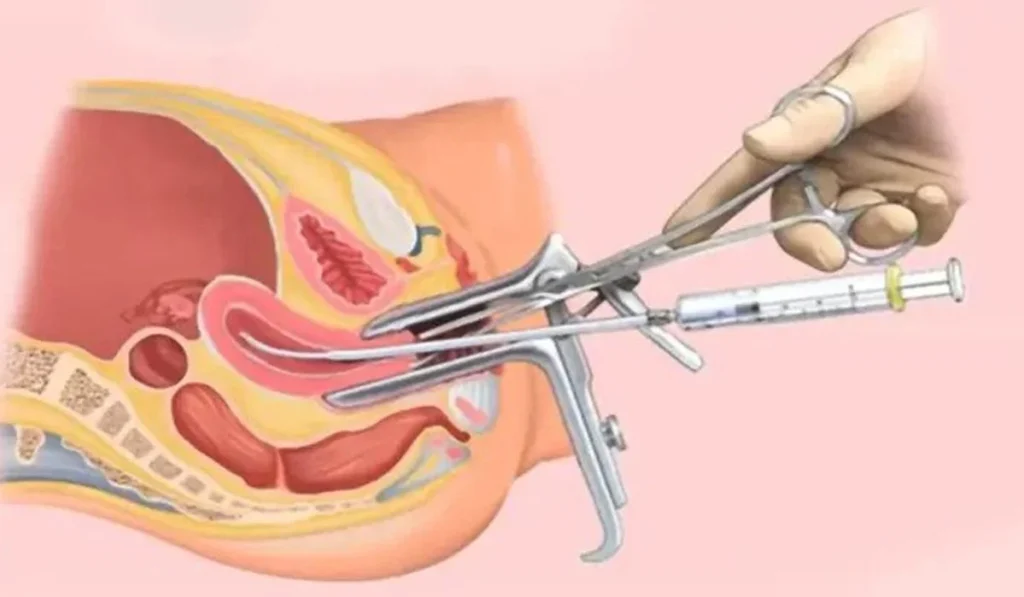
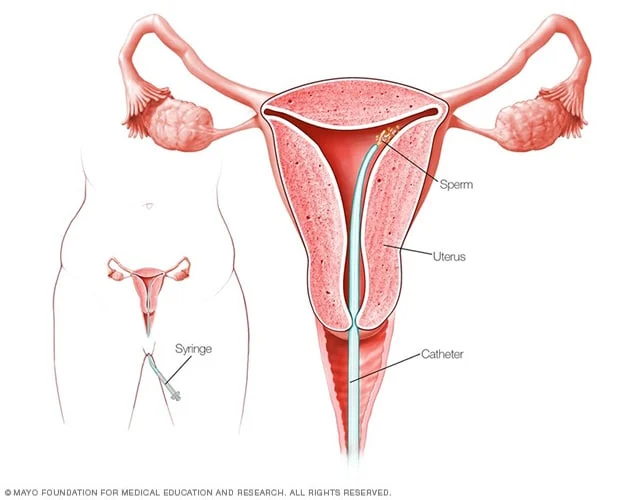
    Illustration of the IUI process, showing a syringe and catheter in the reproductive system.

    The Impact of Timing on the Success of Fertility Medications vs Surgical Procedures

    One of the main reasons timing is crucial for the success of fertility medications is that they work by stimulating the ovaries to produce mature eggs. If the medication is not taken at the right time, it can result in the release of immature eggs or no eggs at all. This can significantly reduce the chances of conception.

    In contrast, surgical procedures allow for more control over the number and quality of eggs available for fertilization. This means that even if the timing is not perfect, there is more room for error and still a possibility of success. However, this also means that surgical procedures are more invasive and come with a higher cost.

    Another factor to consider when it comes to the timing of fertility treatments is the age of the woman. As women age, their fertility declines, and the chances of conception decrease. This means that the timing of fertility medications becomes even more critical for older women, as they have a smaller window of opportunity to conceive.

    Moreover, timing also plays a role in the success of surgical procedures such as IVF. Studies have shown that the success rates for IVF are higher when the eggs are retrieved during the optimal window of time, typically around 36 hours after the trigger shot. This means that the timing of the retrieval procedure is just as crucial as the timing of fertility medications.

    It is also worth noting that the timing of fertility treatments can be affected by various factors, such as stress, lifestyle choices, and underlying medical conditions. These can all impact hormone levels and ovulation, which can ultimately affect the success of fertility medications or surgical procedures.

    In conclusion, the impact of timing on the success of fertility medications versus surgical procedures cannot be underestimated. The timing of fertility medications is crucial for regulating ovulation and increasing the chances of conception, while surgical procedures offer more control but come with a higher cost. Regardless, both forms of treatment require careful monitoring and adherence to timing in order to achieve the best possible outcome. If you are considering fertility treatment, it is essential to consult with a fertility specialist to determine the best course of action and ensure that timing is taken into account.

    In summary, the success of fertility medications versus surgical procedures is heavily reliant on timing. The effectiveness of fertility medications is greatly influenced by the timing of ovulation and the consistency of taking the medication, while surgical procedures offer more control but are more invasive and expensive. Ultimately, timing is a crucial factor to consider when undergoing fertility treatment, and consulting with a fertility specialist can help determine the best approach for achieving a successful pregnancy.

  • Fertility Medications vs Surgical Procedures: Which is More Invasive?

    Blog Post:

    When it comes to fertility treatments, there are two main options available: fertility medications and surgical procedures. Both of these methods aim to help couples who are struggling with fertility issues to conceive a child. However, many people wonder which of these options is more invasive and which may be the better choice for them. In this blog post, we will explore the differences between fertility medications and surgical procedures and discuss which may be the more invasive option.

    Fertility Medications:

    Fertility medications, also known as fertility drugs, are medications that are used to stimulate ovulation in women. These drugs work by regulating hormone levels in the body, which can help to induce the release of eggs from the ovaries. This can be beneficial for women who are not ovulating regularly or who have irregular ovulation cycles. Fertility medications come in various forms, including pills, injections, and nasal sprays. They can also be used in combination with other fertility treatments, such as intrauterine insemination (IUI) or in vitro fertilization (IVF).

    One of the main advantages of fertility medications is that they are non-invasive. They are typically taken orally or through injections, which means that there is no need for any surgical procedures. This can be a relief for many individuals who may be hesitant to undergo surgery or who may not be eligible for certain surgical procedures due to medical conditions. Fertility medications are also relatively affordable compared to surgical procedures, making them a more accessible option for many couples.

    However, fertility medications do have some drawbacks. They can have side effects, including bloating, mood swings, and hot flashes. In some cases, these side effects can be severe and may require medical attention. Additionally, fertility medications may not be effective for everyone, and it can take several cycles of treatment before results are seen. This can be emotionally and financially taxing for couples who are already dealing with the stress of infertility.

    Surgical Procedures:

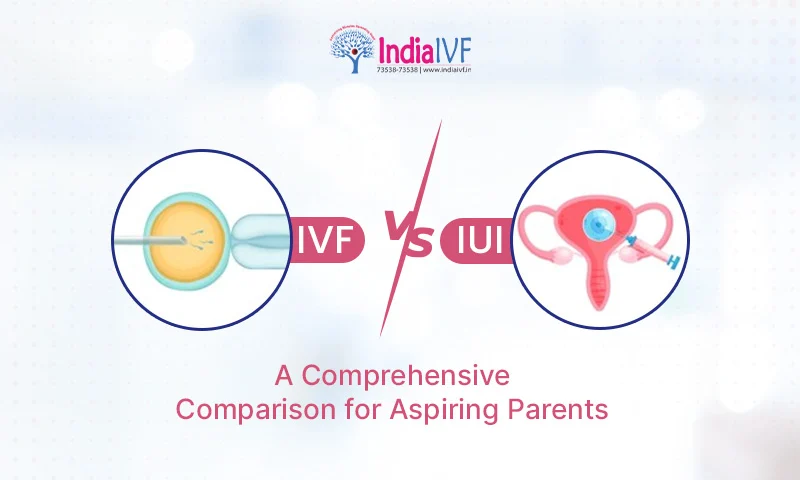
    IVF vs IUI comparison graphic highlighting reproductive methods for aspiring parents.

    Fertility Medications vs Surgical Procedures: Which is More Invasive?

    Surgical procedures for fertility treatments include procedures such as laparoscopy, hysteroscopy, and in vitro fertilization (IVF). These procedures are typically recommended for couples who have more complex fertility issues, such as blocked fallopian tubes, endometriosis, or male factor infertility. Surgical procedures aim to correct these issues and improve the chances of conception.

    One of the main advantages of surgical procedures is that they can address specific fertility issues directly. For example, laparoscopy can be used to remove scar tissue, while IVF can bypass blocked fallopian tubes. This targeted approach can be more effective for certain fertility problems compared to fertility medications. Additionally, surgical procedures may be a one-time treatment, which can be more convenient and less time-consuming compared to fertility medications, which may require multiple cycles.

    However, surgical procedures are more invasive compared to fertility medications. They require anesthesia and involve incisions, which can increase the risk of complications. Recovery time may also be longer, and there may be some discomfort during the healing process. Surgical procedures are also more expensive compared to fertility medications, and they may not be covered by insurance.

    Which is More Invasive?

    So, which option is more invasive? The answer is that it depends on the individual situation. Fertility medications may be the less invasive option, but they may not be effective for everyone. Surgical procedures can be more invasive, but they may offer a more targeted and long-term solution for certain fertility issues.

    It is essential to consult with a fertility specialist to determine which option is the best for your specific situation. They will be able to assess your medical history, perform necessary tests, and recommend the most suitable treatment plan for you and your partner. It is also crucial to consider other factors, such as the cost, success rates, and potential side effects, before making a decision.

    In summary, both fertility medications and surgical procedures have their advantages and disadvantages. Fertility medications are non-invasive and relatively affordable, but they may not be effective for everyone and can have side effects. Surgical procedures can address specific fertility issues and may offer a more long-term solution, but they are more invasive and expensive. Ultimately, the best option will depend on the individual’s situation, and it is crucial to consult with a fertility specialist before making a decision.

    SEO Metadata:

  • The Psychological Impact of Fertility Medications vs Surgical Procedures

    Blog Post Title: The Psychological Impact of Fertility Medications vs Surgical Procedures: A Comprehensive Analysis

    Introduction:
    Fertility issues can be a challenging and emotionally taxing experience for many couples. The desire to have a child and start a family can lead to a range of emotions, from excitement and hope to frustration and disappointment. When faced with fertility problems, couples often turn to various treatment options, including fertility medications and surgical procedures, to increase their chances of conception. While these methods aim to help couples achieve their dream of starting a family, they can also have a significant psychological impact on individuals. In this blog post, we will explore the psychological impact of fertility medications and surgical procedures and compare their effects on individuals and couples going through fertility treatments.

    Fertility Medications:
    Fertility medications, also known as assisted reproductive technology (ART), are a popular treatment option for fertility problems. These medications work by stimulating the ovaries to produce more eggs, increasing the chances of fertilization. While fertility medications have been successful in helping many couples conceive, they can also have a significant psychological impact on individuals.

    One of the main psychological effects of fertility medications is the rollercoaster of emotions that individuals may experience. The process of taking fertility medications can be physically and emotionally draining, leading to mood swings, irritability, and anxiety. The constant monitoring and numerous doctor appointments can also add to the stress and uncertainty that individuals may feel during this process.

    Moreover, the failure of fertility medications to produce the desired results can be emotionally devastating for couples. The build-up of hope and anticipation of a positive outcome can make the failure of fertility medications feel like a personal failure, leading to feelings of guilt, shame, and even depression. This emotional toll can also strain relationships and cause tension between partners, further adding to the psychological impact of fertility medications.

    Surgical Procedures:
    Surgical procedures, such as in vitro fertilization (IVF) and intrauterine insemination (IUI), are another common treatment option for fertility issues. These procedures involve a more invasive approach and may be recommended for couples who have been unsuccessful with fertility medications. While surgical procedures can be more effective in helping couples conceive, they also have a significant psychological impact on individuals going through fertility treatments.

    diagram illustrating intrauterine insemination (IUI) procedure with uterus, sperm, and catheter labeled

    The Psychological Impact of Fertility Medications vs Surgical Procedures

    One of the main psychological effects of surgical procedures is the physical and emotional toll they can take on the body. These procedures can be physically demanding and involve multiple steps, from hormone injections to egg retrieval. This can cause discomfort, pain, and even side effects, such as bloating and mood swings. The emotional toll of the process, combined with the physical discomfort, can be overwhelming for individuals, leading to feelings of anxiety, stress, and even depression.

    Furthermore, surgical procedures can also have a significant financial burden on individuals and couples. IVF and other surgical procedures can be costly, and the financial strain of these treatments can add to the psychological impact. Couples may feel pressure to continue with the treatments, despite the financial strain, in hopes of achieving their dream of having a child. This can lead to feelings of guilt, frustration, and even resentment towards the process and each other.

    Comparison:
    While both fertility medications and surgical procedures can have a significant psychological impact on individuals and couples, there are some key differences between the two. Fertility medications can have a more immediate psychological impact due to the rollercoaster of emotions and uncertainty they bring. On the other hand, surgical procedures may have a longer-lasting psychological impact due to the physical and financial toll they take on individuals and couples.

    Another difference is the level of control individuals may have over these treatment options. With fertility medications, individuals have more control over the process, as they can administer the medications themselves and monitor their progress. However, with surgical procedures, individuals have less control, as they rely on medical professionals to perform the procedures and determine the success of the treatment.

    Ultimately, the psychological impact of fertility medications and surgical procedures depends on the individual’s coping mechanisms and support system. While these treatments can be challenging and emotionally draining, individuals can find solace in the support of their partner, family, and friends. Seeking therapy or joining support groups can also help individuals and couples cope with the psychological impact of fertility treatments.

    Conclusion:
    In conclusion, fertility medications and surgical procedures can both have a significant psychological impact on individuals and couples going through fertility treatments. The rollercoaster of emotions, physical discomfort, financial strain, and uncertainty can take a toll on individuals’ mental well-being. It is essential for individuals and couples to be aware of these potential psychological effects and seek support and coping mechanisms to navigate through the process successfully.

    Summary:
    Fertility issues can be a difficult and emotionally taxing experience for many couples, and the use of fertility medications and surgical procedures can have a significant psychological impact. Fertility medications can cause mood swings and anxiety, while the failure of these medications can lead to feelings of guilt and shame. On the other hand, surgical procedures can cause physical discomfort, financial strain, and feelings of anxiety and depression. The level of control and support individuals have during these treatments can also play a role in their psychological impact. Seeking support and coping mechanisms can help individuals and couples navigate through the process successfully.

  • Fertility Medications vs Surgery: Which Yields Better Results?

    Fertility is a complex and sensitive topic for many individuals and couples. For those struggling to conceive, the journey can be emotionally and physically exhausting. As technology and medicine continue to advance, there are now various options available to help increase the chances of successful conception. Fertility medications and surgery are two commonly used methods, but which one yields better results? In this blog post, we will take an in-depth look at the effectiveness, risks, and success rates of fertility medications versus surgery.

    Fertility Medications
    Fertility medications, also known as fertility drugs, are prescribed to help women ovulate or stimulate egg production. These drugs work by regulating the hormones responsible for the menstrual cycle and ovulation. There are several types of fertility medications, including Clomiphene Citrate, Gonadotropins, and Metformin. These drugs can be taken orally, injected, or inserted vaginally, depending on the specific treatment plan.

    Effectiveness: Fertility medications have been used for decades and have helped many women successfully conceive. However, their effectiveness depends on the cause of infertility. For women with ovulation disorders, such as polycystic ovary syndrome (PCOS), fertility drugs can be highly effective. According to a study published in the Journal of Obstetrics and Gynaecology, over 80% of women with PCOS who took Clomiphene Citrate were able to ovulate and 40% became pregnant within six months of treatment.

    Risks: Like any medication, fertility drugs come with potential risks and side effects. The most common side effects include hot flashes, mood swings, and bloating. In rare cases, fertility medications can also lead to ovarian hyperstimulation syndrome (OHSS), a condition where the ovaries become swollen and painful. While OHSS can be managed with proper medical care, it can be a severe and potentially life-threatening condition.

    Success Rates: The success rates of fertility medications vary depending on the type of drug and individual factors. For women under 35 years old with no underlying fertility issues, the success rates of fertility drugs can be as high as 20-60% per cycle. However, for women over 35 with decreased ovarian reserve or other fertility issues, the success rates can be lower.

    Surgery
    Surgical procedures for fertility are typically used to correct structural problems in the reproductive organs, such as blocked fallopian tubes, uterine fibroids, or endometriosis. Some of the most common fertility surgeries include laparoscopy, hysteroscopy, and myomectomy.

    Effectiveness: Surgical procedures can be highly effective in addressing structural issues that may be causing infertility. For example, a study published in the American Journal of Obstetrics and Gynecology found that women with blocked fallopian tubes who underwent laparoscopic surgery had a 40% chance of conceiving within one year.

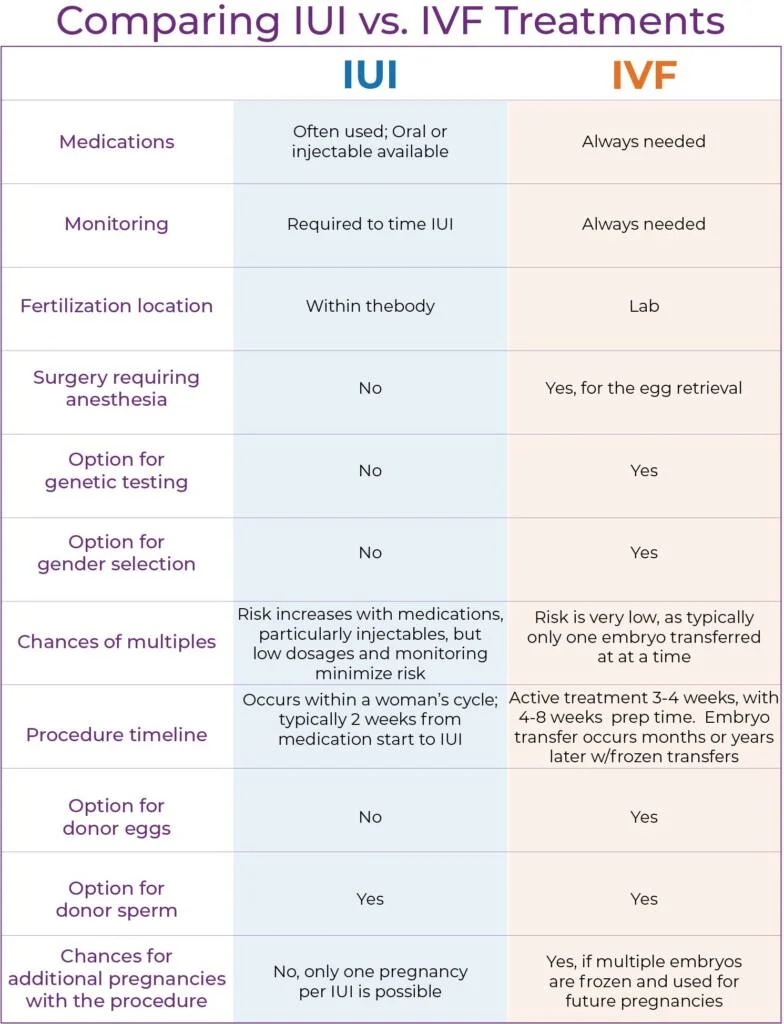
    Comparison chart of IUI and IVF treatments, detailing medications, monitoring, procedures, and success rates.

    Fertility Medications vs Surgery: Which Yields Better Results?

    Risks: As with any surgical procedure, fertility surgery also carries risks, including infection, bleeding, and damage to surrounding organs. In rare cases, fertility surgery can also lead to scarring or adhesions, which can further affect fertility.

    Success Rates: The success rates of fertility surgery vary depending on the type of procedure and individual factors. For women with blocked fallopian tubes, the success rates of surgery can be as high as 50%. However, for women with more complex fertility issues, such as endometriosis, the success rates may be lower.

    Fertility Medications vs Surgery: Which One Is Better?
    When it comes to choosing between fertility medications and surgery, there is no one-size-fits-all answer. Both methods have their strengths and weaknesses, and the best approach will depend on the individual’s specific situation. For example, for women with ovulation disorders, fertility medications may be the most effective and least invasive option. On the other hand, for women with structural issues, surgery may be necessary to address the root cause of infertility.

    In some cases, a combination of both fertility medications and surgery may be recommended. For example, a woman with PCOS may be prescribed Clomiphene Citrate to stimulate ovulation and undergo surgery to remove any ovarian cysts or excess tissue.

    It is also essential to consider the potential risks and side effects of each method. While fertility medications may have a lower risk profile, they may not be suitable for everyone, and some individuals may prefer a more natural approach. On the other hand, surgery is a more invasive option that comes with potential risks and a more extended recovery time.

    In conclusion, fertility medications and surgery are both viable options for those struggling with infertility. Each method has its benefits and drawbacks, and the best approach will depend on the individual’s specific needs and circumstances. It is crucial to consult with a fertility specialist to determine the most suitable treatment plan for you.

    Summary:
    Fertility is a complex issue, and for those struggling to conceive, there are various options available, including fertility medications and surgery. Fertility medications work by regulating hormones and stimulating ovulation, while surgery is used to correct structural issues in the reproductive organs. The effectiveness, risks, and success rates of each method vary, and the best approach will depend on the individual’s specific situation. In some cases, a combination of both fertility medications and surgery may be recommended. It is essential to consult with a fertility specialist to determine the most suitable treatment plan for you.

  • The Success Rates of Fertility Medications vs Surgical Procedures

    Blog Post Title: The Success Rates of Fertility Medications vs Surgical Procedures

    Introduction:
    For couples struggling with infertility, there are a variety of treatment options available. Two common methods are fertility medications and surgical procedures. Both have their own benefits and risks, but the ultimate question is which one has a higher success rate? In this blog post, we will compare the success rates of fertility medications and surgical procedures, giving you a better understanding of which option may be best for you.

    Fertility Medications:
    Fertility medications, also known as ovulation induction drugs, are often the first line of treatment for couples trying to conceive. These medications work by stimulating the ovaries to produce more eggs, increasing the chances of fertilization.

    Success Rates:
    The success rates of fertility medications vary depending on the type of medication used and the age of the woman. Generally, success rates range from 20-60% per cycle. This means that for every 100 women undergoing treatment, 20-60 will become pregnant in a single cycle.

    Factors Affecting Success Rates:
    There are several factors that can affect the success rates of fertility medications. These include the type of infertility, the age of the woman, and the overall health of both partners. Women with ovulation disorders, such as polycystic ovary syndrome (PCOS), have a higher success rate with fertility medications compared to those with blocked fallopian tubes or other structural issues.

    Advantages of Fertility Medications:
    One of the main advantages of fertility medications is that they are less invasive and less expensive compared to surgical procedures. They can also be done at home, which is more convenient for couples. Fertility medications also have a lower risk of complications and side effects.

    Disadvantages of Fertility Medications:
    While fertility medications have a relatively high success rate, they also have a higher risk of multiple pregnancies, which can lead to complications for both the mother and the babies. These medications also have a higher risk of ovarian hyperstimulation syndrome (OHSS), a condition where the ovaries become swollen and painful.

    illustration of an intrauterine insemination procedure with medical instruments and anatomical details

    The Success Rates of Fertility Medications vs Surgical Procedures

    Surgical Procedures:
    Surgical procedures are typically recommended for couples with structural issues, such as blocked fallopian tubes or endometriosis. These procedures aim to correct the underlying problem and improve the chances of natural conception.

    Success Rates:
    The success rates of surgical procedures for infertility vary depending on the type of procedure. For example, the success rate for tubal surgery (to correct blocked fallopian tubes) is around 50%, while success rates for endometriosis surgery can range from 30-80%. However, these success rates also depend on the age and overall health of the woman.

    Factors Affecting Success Rates:
    As with fertility medications, there are several factors that can affect the success rates of surgical procedures. These include the type of procedure, the cause of infertility, and the age of the woman. Women over the age of 35 generally have a lower success rate with surgical procedures compared to younger women.

    Advantages of Surgical Procedures:
    The main advantage of surgical procedures is that they can correct underlying issues and increase the chances of natural conception. They are also a one-time procedure, so there is no need for repeated cycles like with fertility medications. In some cases, surgical procedures may also have a higher success rate compared to fertility medications.

    Disadvantages of Surgical Procedures:
    One of the main disadvantages of surgical procedures is that they are more invasive and carry a higher risk of complications, such as infection or damage to surrounding organs. They are also more expensive compared to fertility medications and may require a longer recovery time.

    Which Option is Right for You?
    There is no one-size-fits-all solution when it comes to treating infertility. The best option for you will depend on several factors, including the cause of your infertility, your age, and your overall health. It is important to consult with your doctor and discuss the pros and cons of each treatment option before making a decision.

    Summary:
    When it comes to treating infertility, there are two main options: fertility medications and surgical procedures. Fertility medications have a success rate of 20-60% per cycle and are less invasive and less expensive compared to surgical procedures. However, they also carry a higher risk of multiple pregnancies and OHSS. Surgical procedures have success rates ranging from 30-80%, but they are more invasive and carry a higher risk of complications. The best option for you will depend on your individual circumstances and should be discussed with your doctor.

  • From Pills to Procedures: Understanding Male and Female Infertility Treatments

    Title: From Pills to Procedures: Understanding Male and Female Infertility Treatments

    Infertility affects millions of couples worldwide, with approximately 1 in 8 couples struggling to conceive. While there are many causes of infertility, both male and female, advancements in medical technology have led to a variety of treatments that can help couples achieve their dream of starting a family. From pills to procedures, there are various options available to assist with male and female infertility. In this blog post, we will explore the different treatments for male and female infertility, how they work, and the success rates associated with each method.

    Understanding Male Infertility Treatments:

    Male infertility is often caused by low sperm count, poor sperm quality, or blockages in the reproductive system. One of the most common treatments for male infertility is the use of fertility drugs. These drugs work by stimulating the production of hormones that help to increase sperm production. While this method can be effective in some cases, it does not address problems with sperm quality or blockages in the reproductive system.

    Another option for male infertility treatment is intrauterine insemination (IUI). This involves placing washed and concentrated sperm directly into the woman’s uterus, increasing the chances of fertilization. IUI is often used in combination with fertility drugs to enhance its effectiveness.

    For more severe cases of male infertility, in vitro fertilization (IVF) may be recommended. This procedure involves fertilizing the woman’s eggs with the man’s sperm in a laboratory and then transferring the resulting embryo back into the woman’s uterus. IVF has a higher success rate compared to IUI and fertility drugs alone, but it can be a costly and invasive procedure.

    In cases where there are severe blockages in the reproductive system, surgical procedures may be recommended. These procedures, such as varicocelectomy or vasectomy reversal, aim to repair or remove any blockages, allowing for the normal flow of sperm.

    Understanding Female Infertility Treatments:

    Female infertility is often caused by issues with ovulation, blockages in the fallopian tubes, or conditions such as endometriosis. Fertility drugs are also commonly used to treat female infertility by stimulating ovulation. These drugs work by regulating the hormones involved in the ovulation process.

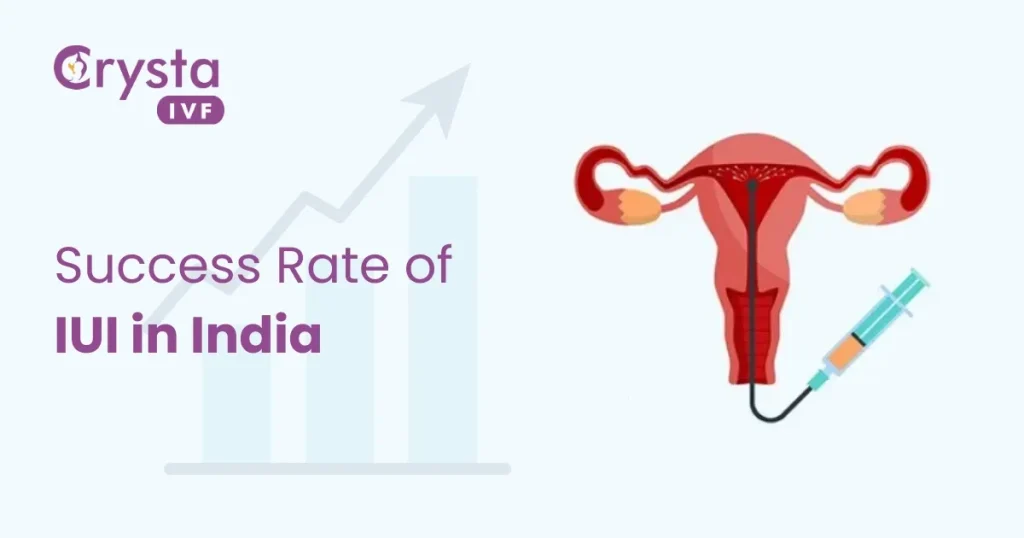
    success rate of IUI in India with a graphic of a uterus and syringe alongside a rising graph

    From Pills to Procedures: Understanding Male and Female Infertility Treatments

    If fertility drugs are not effective, a more advanced treatment option for female infertility is intrauterine insemination (IUI), as mentioned earlier. This method can also be used to bypass blocked fallopian tubes, increasing the chances of fertilization.

    In vitro fertilization (IVF) is also a commonly used treatment for female infertility. This method involves extracting the woman’s eggs and fertilizing them with the man’s sperm in a laboratory. The resulting embryo is then transferred back into the woman’s uterus. IVF has a higher success rate compared to other methods, but it can be a physically and emotionally demanding process.

    For women with severe cases of endometriosis, surgery may be recommended to remove any scar tissue or blockages that may be affecting fertility. In cases of blocked fallopian tubes, surgery may also be an option to remove the blockage and improve the chances of conception.

    Success Rates of Infertility Treatments:

    The success rates of infertility treatments vary depending on various factors such as age, cause of infertility, and the type of treatment. Fertility drugs and IUI have a success rate of around 10-20% per cycle, while IVF has a success rate of 30-40% per cycle. However, it is important to note that these success rates can vary significantly and may also depend on the expertise of the medical team and the clinic’s quality.

    It is also crucial for couples to understand that infertility treatments can be emotionally and financially taxing. It is essential to have realistic expectations and to seek support from loved ones and professionals throughout the process.

    In conclusion, from pills to procedures, there are various options available to treat male and female infertility. While fertility drugs and IUI can be effective for some couples, more advanced treatments such as IVF and surgical procedures may be necessary for others. It is crucial for couples to seek guidance from medical professionals to determine the best course of action for their specific situation.

    Summary:

    Infertility affects millions of couples worldwide, and there are various causes for both male and female infertility. Fortunately, advancements in medical technology have led to a variety of treatments to help couples achieve their dream of starting a family. From fertility drugs and intrauterine insemination to in vitro fertilization and surgical procedures, there are options available for both male and female infertility. However, it is important to have realistic expectations and seek support throughout the process, as these treatments can be emotionally and financially taxing.