Medical Insemination: A Modern Solution to Fertility Issues
Fertility issues can be a challenging and emotional journey for couples who are struggling to conceive. Fortunately, advances in medical technology have opened up new possibilities for couples facing fertility problems. One of these solutions is medical insemination, also known as artificial insemination. This groundbreaking procedure has helped countless couples become parents and fulfill their dreams of starting a family. In this blog post, we will explore what medical insemination is, how it works, and its benefits for those struggling with fertility issues.
What is Medical Insemination?
Medical insemination is a fertility treatment that involves placing sperm directly into the uterus or cervix of a woman to increase the chances of fertilization. This procedure is used to overcome various fertility issues, including low sperm count, sperm motility problems, and cervical mucus problems that may prevent sperm from reaching the egg. Medical insemination is often a less invasive and more affordable option compared to other fertility treatments such as in vitro fertilization (IVF).
Types of Medical Insemination
There are two main types of medical insemination: intrauterine insemination (IUI) and intracervical insemination (ICI). In IUI, the sperm is placed directly into the uterus using a thin, flexible catheter. This procedure is performed during a woman’s ovulation period to increase the chances of fertilization. ICI, on the other hand, involves placing the sperm into the cervix, which then travels to the uterus. This procedure is typically done at home with a special syringe or cup.
The Medical Insemination Process
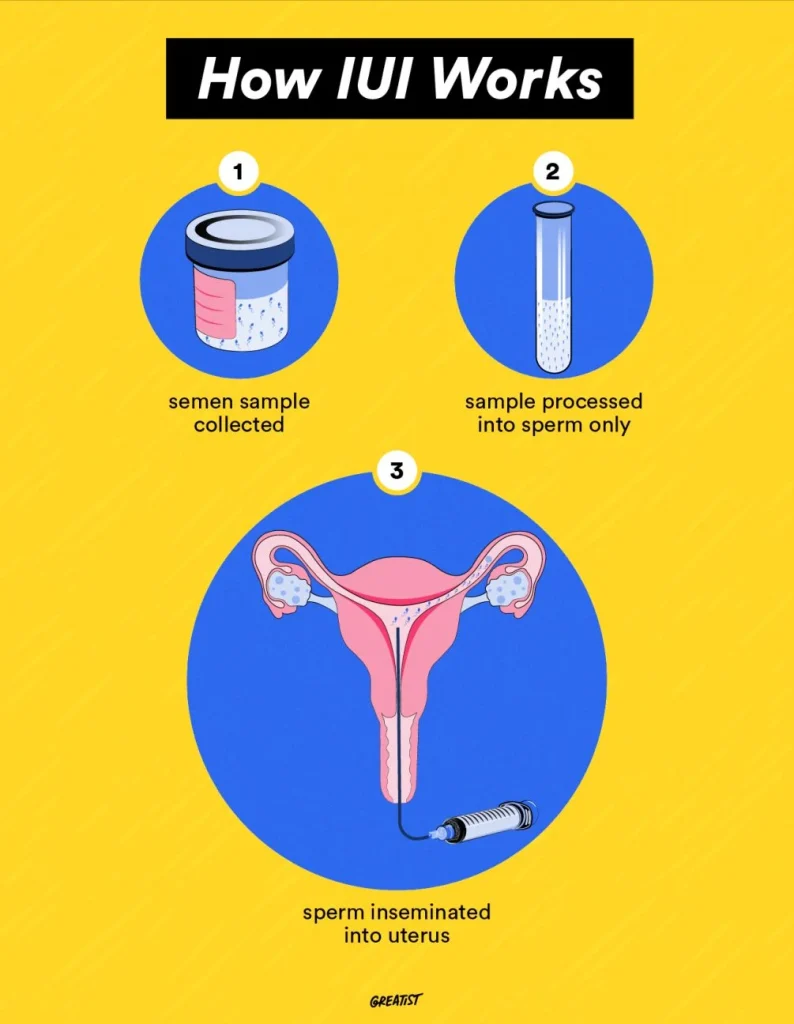
Medical Insemination: A Modern Solution to Fertility Issues
The first step in the medical insemination process is to determine the best timing for the procedure. This is usually done by tracking a woman’s ovulation cycle through methods such as ovulation predictor kits or ultrasounds. Once the optimal time for insemination is determined, the sperm sample is collected either from the male partner or a donor. The sample is then washed and prepared in a laboratory to remove any harmful substances and increase the concentration of healthy sperm.
During the actual insemination procedure, the sperm is inserted into the woman’s reproductive system using a catheter or syringe. This process is relatively quick and painless and can be done in a doctor’s office or at home. After the procedure, the woman may be instructed to rest for a short period to increase the chances of fertilization.
Benefits of Medical Insemination
One of the most significant benefits of medical insemination is that it can help couples overcome various fertility issues without resorting to more invasive and expensive procedures. It also allows couples to use donor sperm if needed, giving them the opportunity to start a family even if the male partner has fertility problems. Additionally, medical insemination has a higher success rate compared to natural conception for couples struggling with fertility issues.
Medical Insemination: Is It Right for You?
While medical insemination has many benefits, it may not be the right solution for everyone. It is essential to consult with a fertility specialist to determine if this procedure is suitable for your specific situation. Factors such as age, overall health, and the cause of fertility problems will all play a role in determining the best course of treatment.
In conclusion, medical insemination is a modern and effective solution for couples facing fertility issues. This procedure offers hope and a chance for couples to start a family, even when faced with various challenges. If you are struggling with fertility problems, consider exploring medical insemination as a potential option with the guidance of a fertility specialist.