Breaking Down the Stigma of DIY Insemination: How to Overcome Social Taboos and Embrace Alternative Family Planning
Insemination, the process of introducing sperm into the reproductive tract, has long been associated with medical procedures and fertility clinics. However, with the advancements in technology and the rise of alternative family planning methods, more and more people are turning towards DIY insemination as a viable option. Despite its growing popularity, DIY insemination still carries a significant social stigma and is often met with judgment and criticism. In this blog post, we will explore the reasons behind the stigma of DIY insemination and how we can break it down to create a more inclusive and accepting society.
Understanding the Stigma of DIY Insemination
The stigma surrounding DIY insemination can be attributed to a combination of factors, including societal norms and beliefs, lack of education, and fear of the unknown. In many cultures, the traditional concept of a nuclear family, consisting of a married heterosexual couple and their biological children, is deeply ingrained. Any deviation from this norm is often viewed as unconventional and even unacceptable.
Moreover, sex and reproduction are still considered taboo topics in many societies, making it difficult for people to openly discuss alternative family planning methods like DIY insemination. This lack of education and awareness often leads to misinformation and misconceptions about the process, further contributing to the stigma.
Breaking Down the Stigma
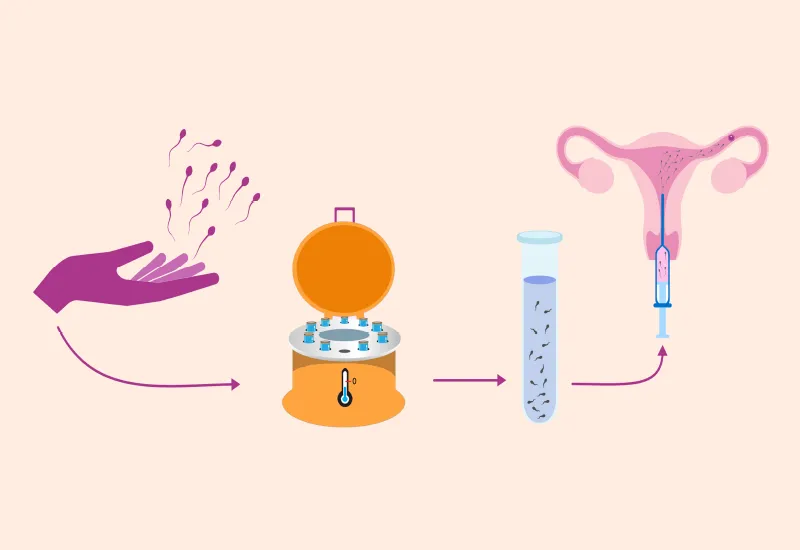
Breaking Down the Stigma of DIY Insemination
The first step towards breaking down the stigma of DIY insemination is education. It is crucial to spread accurate and factual information about the process, its safety, and its success rates. Many people are not aware that DIY insemination can be done in the comfort and privacy of one’s home, using simple and affordable tools such as home insemination kits or syringes. It is also important to emphasize that DIY insemination is not just limited to same-sex couples or single individuals, but can also be a choice for heterosexual couples.
Another way to overcome the stigma is by promoting inclusivity and acceptance. DIY insemination is often seen as a non-traditional way of starting a family, and this can make people feel judged and ostracized. By creating a more accepting environment, we can help individuals and couples who choose DIY insemination to feel supported and validated.
Embracing Alternative Family Planning
One of the main reasons why people opt for DIY insemination is the flexibility and control it offers. Unlike traditional medical procedures, DIY insemination allows individuals and couples to plan and time their insemination according to their own schedules. It also eliminates the need for expensive medical treatments, making it a more affordable option.
Furthermore, DIY insemination can be a more intimate and personal experience for couples, as they can share the process together in the comfort of their own home. It also allows individuals to have a biological connection to their child, something that may not be possible through adoption or surrogacy.
Conclusion
As society continues to evolve, so should our perceptions and attitudes towards alternative family planning methods like DIY insemination. It is time to break down the stigma and create a more inclusive and accepting environment for all individuals and couples who choose this path. Education, awareness, and promoting inclusivity are key in achieving this goal. Let us embrace the diversity of family structures and support each other in creating the family of our dreams.