Tag: social stigma

  • Breaking Down the Stigma of DIY Insemination

    Breaking Down the Stigma of DIY Insemination: How to Overcome Social Taboos and Embrace Alternative Family Planning

    Insemination, the process of introducing sperm into the reproductive tract, has long been associated with medical procedures and fertility clinics. However, with the advancements in technology and the rise of alternative family planning methods, more and more people are turning towards DIY insemination as a viable option. Despite its growing popularity, DIY insemination still carries a significant social stigma and is often met with judgment and criticism. In this blog post, we will explore the reasons behind the stigma of DIY insemination and how we can break it down to create a more inclusive and accepting society.

    Understanding the Stigma of DIY Insemination

    The stigma surrounding DIY insemination can be attributed to a combination of factors, including societal norms and beliefs, lack of education, and fear of the unknown. In many cultures, the traditional concept of a nuclear family, consisting of a married heterosexual couple and their biological children, is deeply ingrained. Any deviation from this norm is often viewed as unconventional and even unacceptable.

    Moreover, sex and reproduction are still considered taboo topics in many societies, making it difficult for people to openly discuss alternative family planning methods like DIY insemination. This lack of education and awareness often leads to misinformation and misconceptions about the process, further contributing to the stigma.

    Breaking Down the Stigma
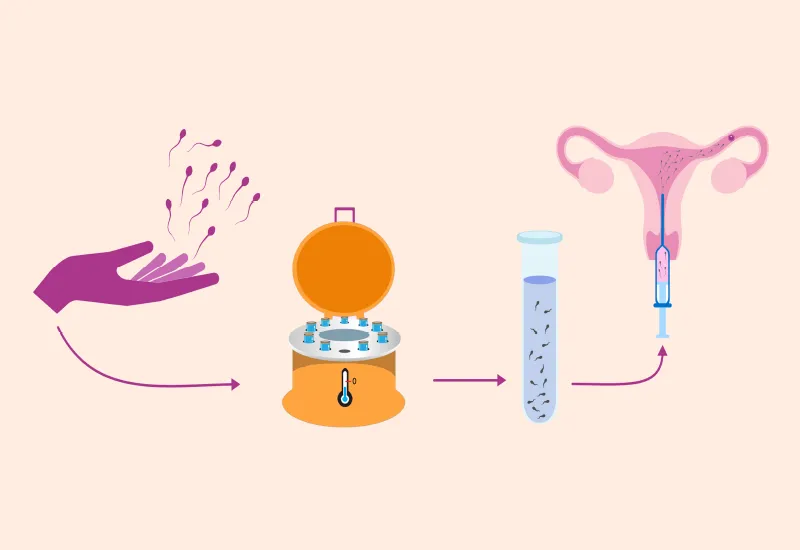
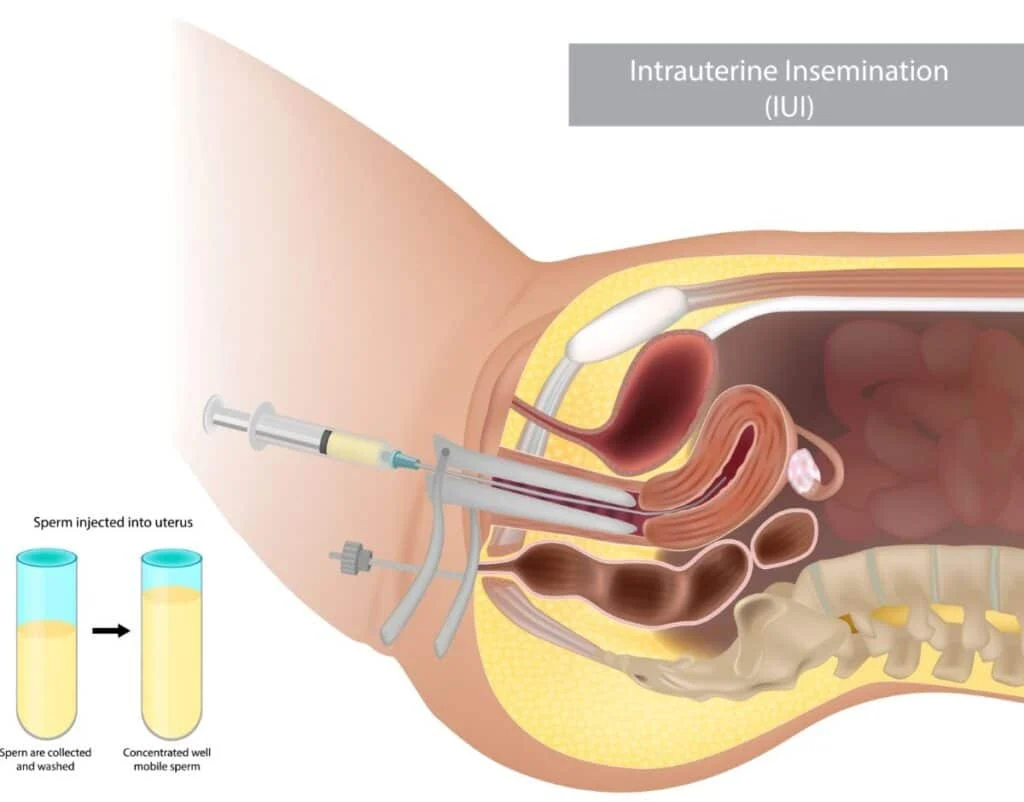
    illustration of the IUI process, showing sperm collection, preparation, and insertion into the uterus

    Breaking Down the Stigma of DIY Insemination

    The first step towards breaking down the stigma of DIY insemination is education. It is crucial to spread accurate and factual information about the process, its safety, and its success rates. Many people are not aware that DIY insemination can be done in the comfort and privacy of one’s home, using simple and affordable tools such as home insemination kits or syringes. It is also important to emphasize that DIY insemination is not just limited to same-sex couples or single individuals, but can also be a choice for heterosexual couples.

    Another way to overcome the stigma is by promoting inclusivity and acceptance. DIY insemination is often seen as a non-traditional way of starting a family, and this can make people feel judged and ostracized. By creating a more accepting environment, we can help individuals and couples who choose DIY insemination to feel supported and validated.

    Embracing Alternative Family Planning

    One of the main reasons why people opt for DIY insemination is the flexibility and control it offers. Unlike traditional medical procedures, DIY insemination allows individuals and couples to plan and time their insemination according to their own schedules. It also eliminates the need for expensive medical treatments, making it a more affordable option.

    Furthermore, DIY insemination can be a more intimate and personal experience for couples, as they can share the process together in the comfort of their own home. It also allows individuals to have a biological connection to their child, something that may not be possible through adoption or surrogacy.

    Conclusion

    As society continues to evolve, so should our perceptions and attitudes towards alternative family planning methods like DIY insemination. It is time to break down the stigma and create a more inclusive and accepting environment for all individuals and couples who choose this path. Education, awareness, and promoting inclusivity are key in achieving this goal. Let us embrace the diversity of family structures and support each other in creating the family of our dreams.

  • Egg Retrieval vs Egg Sharing: The Effect on Social Stigmas

    Blog Post:

    Egg retrieval and egg sharing are two processes that have revolutionized the fertility industry. Both procedures involve extracting eggs from a woman’s ovaries, but they have different purposes and outcomes. Egg retrieval is when a woman’s eggs are collected and used for her own fertility treatment, while egg sharing is when a woman donates some of her eggs to another person or couple who are struggling with infertility.

    While both egg retrieval and egg sharing have helped many individuals and couples achieve their dream of starting a family, there is a stark difference in the way society perceives these procedures. Egg retrieval is widely accepted and considered a personal choice, while egg sharing is often met with social stigmas and judgment. In this blog post, we will explore the effects of these stigmas and how they impact individuals and communities.

    The Stigma of Egg Sharing:

    Egg sharing is a selfless act where a woman donates some of her eggs to help another person or couple conceive a child. However, this act of kindness is often met with negative attitudes and social stigma. One of the main reasons for this stigma is the misconception that egg sharing is equivalent to selling one’s eggs. This has led to the belief that egg sharers are “selling” their fertility, which has been deemed as unethical by some individuals and groups.

    Moreover, there is a prevailing belief that egg sharers are only motivated by financial gain, which is not always the case. While egg sharers do receive compensation for their time and effort, the amount is minimal compared to the thousands of dollars that intended parents pay for the procedure. Egg sharing is a voluntary act, and the compensation received is a way to cover the expenses and inconvenience of the process.

    Another factor contributing to the stigma of egg sharing is the fear of genetic connection. Some individuals view egg sharing as a form of “mixing” genes, which may result in confusion and uncertainty about the child’s identity. This fear is often rooted in societal expectations of a biological connection between parents and their children. However, numerous studies have shown that the bond between a parent and a child is not solely based on genetic relatedness but on love, care, and nurturing.

    The Impact of Stigma on Egg Sharers:

    The social stigma surrounding egg sharing can have a significant impact on individuals who choose to donate their eggs. It can lead to feelings of shame, guilt, and even isolation. Egg sharers may feel misunderstood and judged by society, which can negatively affect their mental health and well-being.

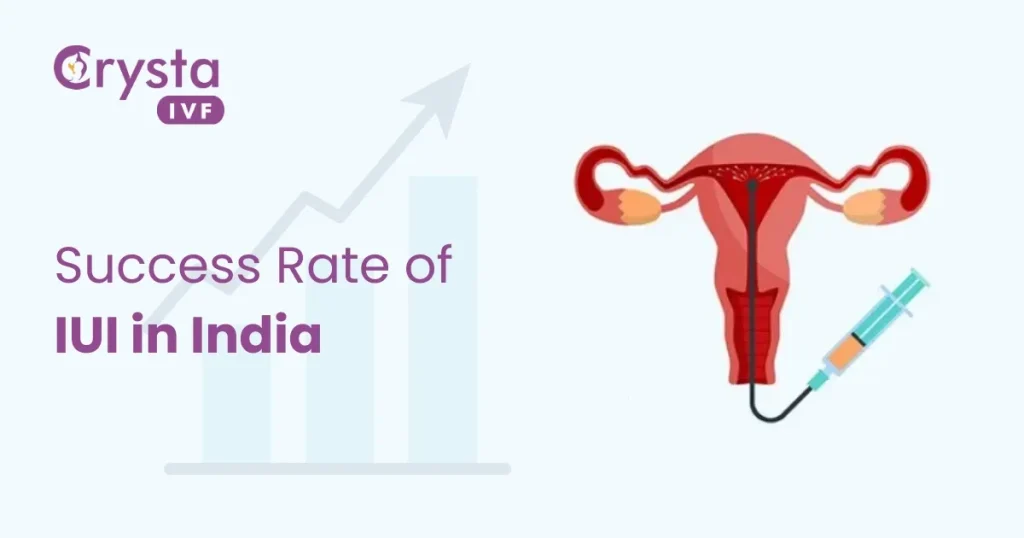
    success rate of IUI in India with a graphic of a uterus and syringe alongside a rising graph

    Egg Retrieval vs Egg Sharing: The Effect on Social Stigmas

    Furthermore, the stigma can also have implications for the future of egg sharing. As the negative attitudes towards egg sharing persist, there may be a shortage of egg donors in the future. This can be detrimental to those who are unable to conceive on their own and depend on egg sharing as a viable option for starting a family.

    The Positive Effects of Egg Sharing:

    Despite the stigma, egg sharing has numerous benefits for all parties involved. For the intended parents, it provides them with the opportunity to have a biological child when other options have failed. It also gives them the chance to experience the joys of pregnancy and childbirth.

    For egg sharers, the process can be empowering and fulfilling. It allows them to help others and make a positive impact on someone’s life. It can also be a source of personal growth and self-discovery.

    The Importance of Education and Awareness:

    To combat the social stigma surrounding egg sharing, education and awareness are crucial. It is essential to educate the public on the facts of egg sharing and dispel any misconceptions. This can be done through various means, such as media campaigns, workshops, and discussions.

    Moreover, it is vital to highlight the positive aspects of egg sharing and the impact it has on individuals and communities. By sharing stories and experiences of egg sharers and intended parents, we can help change the negative perceptions and promote acceptance and understanding.

    In conclusion, egg retrieval and egg sharing are two procedures that have greatly impacted the fertility industry. While egg retrieval is widely accepted, egg sharing continues to face social stigmas and negative attitudes. These stigmas can have a significant impact on individuals and communities, and it is crucial to educate and raise awareness to combat them. Egg sharing is a selfless act that has brought joy and happiness to many families, and it is time to break the stigma and celebrate it for what it truly is – a gift of life.

    Summary: Egg retrieval and egg sharing are two procedures that involve extracting eggs from a woman’s ovaries. While egg retrieval is widely accepted, egg sharing is often met with social stigmas and judgment. This stigma is fueled by misconceptions and fears, which can have a significant impact on individuals and communities. However, egg sharing has numerous benefits and can be a source of personal growth and fulfillment. To combat the stigma, education and awareness are crucial.

  • The Effect on the Child: Artificial Insemination and Natural Conception Compared

    Blog Post:

    Artificial insemination and natural conception are two methods of conceiving a child, but they have significant differences that can impact the child’s life. While natural conception involves the union of sperm and egg through sexual intercourse, artificial insemination is a medical procedure that involves the insertion of sperm into the woman’s reproductive tract. In this blog post, we will explore the effects of these two methods on the child and compare them to understand their potential impact.

    Effects of Artificial Insemination on the Child:

    1. Biological Connection: In artificial insemination, the sperm used to fertilize the egg may not come from the child’s biological father. The sperm can come from a sperm donor, making the child biologically unrelated to one of their parents. This lack of genetic connection can have significant psychological effects on the child as they grow up and discover the truth about their conception.

    2. Lack of Control: Children conceived through artificial insemination may feel a lack of control over their origin and identity. They may have a strong desire to know and connect with their biological father, which can create a sense of insecurity and uncertainty in their identity.

    3. Social Stigma: Despite the increasing acceptance of artificial insemination, there is still a social stigma attached to it. Children conceived through this method may face discrimination or teasing from their peers, which can affect their self-esteem and social well-being.

    4. Genetic Risks: In some cases, artificial insemination may involve the use of donated sperm or eggs, which can carry genetic disorders or diseases. This can pose potential health risks to the child, and they may have to undergo genetic testing and counseling to assess their risk.

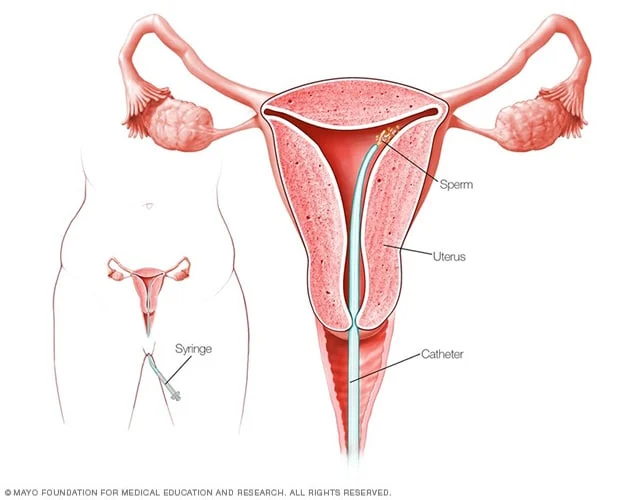
    illustration of intrauterine insemination procedure with a syringe and catheter in the uterus.

    The Effect on the Child: Artificial Insemination and Natural Conception Compared

    5. Multiple Births: Artificial insemination can also lead to multiple births, as more than one embryo may be implanted to increase the chances of conception. While this may seem like a blessing, it can also have detrimental effects on the child’s health and development, as multiple births are associated with a higher risk of premature birth, low birth weight, and developmental delays.

    Effects of Natural Conception on the Child:

    1. Biological Connection: Children conceived through natural conception are biologically connected to both their parents, which can have a positive impact on their sense of identity and belonging. They have a genetic link to their parents and can easily trace their family history.

    2. Parental Bonding: Natural conception involves the act of sexual intercourse, which can bring the parents closer and create a deep emotional bond. This bond can positively impact the child’s relationship with their parents and their overall well-being.

    3. No Social Stigma: Unlike artificial insemination, natural conception is widely accepted in society, and children conceived through this method do not face any social stigma. This can promote a sense of acceptance and normalcy in the child’s life.

    4. Lower Genetic Risks: With natural conception, the child is genetically related to their parents, reducing the risk of genetic disorders or diseases. This can save the child from potential health complications and the need for genetic testing or counseling.

    5. Single Births: In natural conception, there is a lower chance of multiple births, which can reduce the risk of health complications for the child. This can also allow the parents to focus their attention and resources on one child, providing them with better care and support.

    In summary, artificial insemination and natural conception have different effects on the child’s life. While artificial insemination may offer a solution for couples struggling with infertility, it can also have potential psychological, social, and health impacts on the child. On the other hand, natural conception may provide a more natural and emotionally fulfilling experience for both the parents and the child. Ultimately, the decision between these two methods should be carefully considered, taking into account the potential effects on the child’s well-being.

  • Breaking Down Barriers: Artificial Insemination and Natural Conception

    Breaking Down Barriers: Artificial Insemination and Natural Conception

    In today’s society, the concept of starting a family has evolved beyond traditional means. With advancements in medical technology, couples are now presented with options for assisted reproduction, such as artificial insemination. This method has become increasingly popular among couples struggling with fertility issues, as well as same-sex couples and single individuals. However, there is still a stigma surrounding artificial insemination, leading to misconceptions and barriers that need to be addressed. In this blog post, we will explore the differences between artificial insemination and natural conception and break down the barriers associated with this assisted reproduction method.

    Artificial insemination, also known as intrauterine insemination (IUI), is a form of assisted reproduction where sperm is inserted directly into a woman’s uterus. This procedure can be done with the partner’s sperm or donor sperm, depending on the couple’s situation. On the other hand, natural conception involves the fertilization of an egg by sperm during sexual intercourse. While both methods have the same end goal – pregnancy – there are significant differences between the two.

    One of the main differences between artificial insemination and natural conception is the level of control and predictability. With artificial insemination, the timing of sperm insertion is carefully planned, increasing the chances of fertilization. In contrast, natural conception relies on the timing of ovulation, which can be unpredictable. This makes artificial insemination a more reliable option for couples struggling with fertility issues.

    Moreover, artificial insemination eliminates the need for sexual intercourse, making it a viable option for same-sex couples and single individuals. This method also allows for the screening of donor sperm, ensuring the health and quality of the sperm used. Additionally, artificial insemination can be a less invasive and less expensive option compared to other assisted reproduction techniques, such as in-vitro fertilization (IVF).

    Despite the benefits of artificial insemination, there are still barriers and misconceptions surrounding this method. One of the most significant barriers is the social stigma surrounding the use of donor sperm. Many individuals and couples may feel embarrassed or ashamed to seek this option, fearing judgment from their community. This stigma is often perpetuated by the media, which tends to portray artificial insemination as a last resort for desperate couples.

    Another barrier is the lack of education and awareness about artificial insemination. Many people are not aware of this option or may have misconceptions about its success rates. This lack of understanding can lead to unrealistic expectations and feelings of disappointment if the procedure does not result in pregnancy.

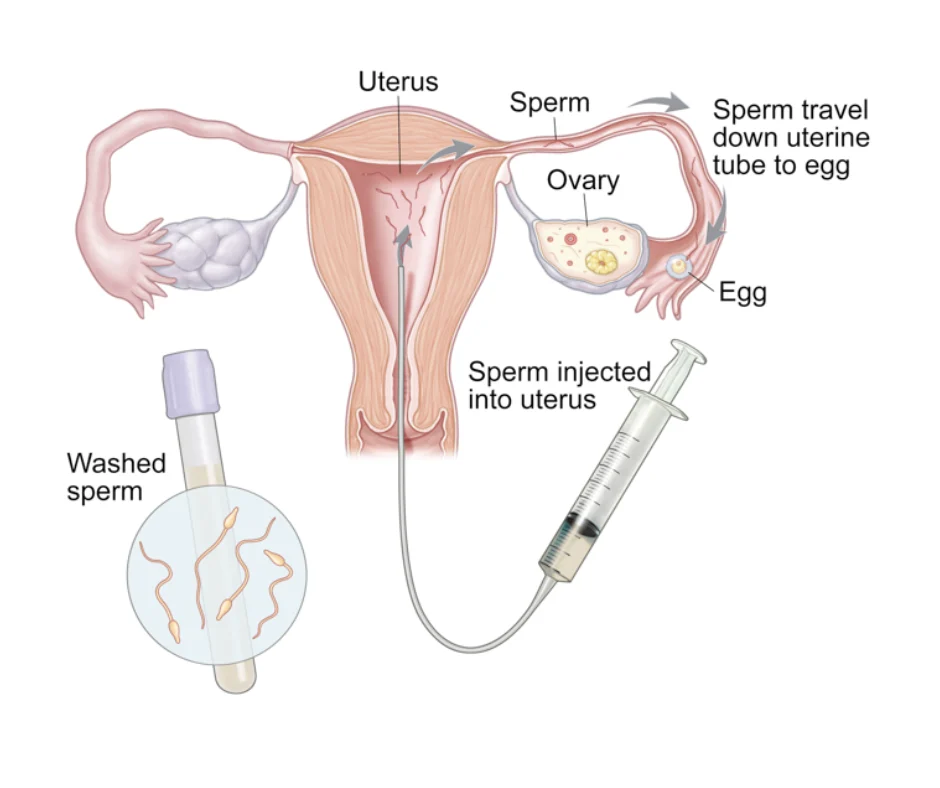
    diagram illustrating intrauterine insemination process, showing sperm injection into the uterus and egg fertilization pathway

    Breaking Down Barriers: Artificial Insemination and Natural Conception

    Furthermore, there is a misconception that artificial insemination is a simple and effortless process. While it may seem straightforward, this method still requires careful planning, monitoring, and medical assistance. It is essential for individuals and couples considering artificial insemination to understand the process fully and seek guidance from a medical professional.

    To break down these barriers, it is crucial to educate society about the benefits and success rates of artificial insemination. This includes addressing the misconceptions and stigmas surrounding this assisted reproduction method. One way to do this is by sharing success stories of individuals and couples who have had a positive experience with artificial insemination. This can help to normalize this method and reduce the stigma associated with it.

    In addition, providing accurate information and resources about artificial insemination can help individuals and couples make informed decisions about their reproductive options. This includes discussing the success rates, potential risks, and the process involved in artificial insemination.

    Moreover, it is essential to create a supportive and inclusive environment for individuals and couples considering artificial insemination. This can be achieved by promoting open communication and understanding, as well as providing emotional support throughout the process.

    In conclusion, artificial insemination and natural conception are two distinct ways of starting a family, each with its own benefits and challenges. While artificial insemination may not be the right option for everyone, it is essential to break down the barriers and misconceptions surrounding this method. By educating society, providing accurate information and resources, and creating a supportive environment, we can help individuals and couples make informed decisions and break down the barriers to starting a family.

    Summary:

    Assisted reproduction has become a popular option for couples struggling with fertility issues, same-sex couples, and single individuals. Artificial insemination, also known as intrauterine insemination (IUI), is a method that involves inserting sperm directly into a woman’s uterus. In contrast, natural conception occurs during sexual intercourse. While both methods have the same goal – pregnancy – there are significant differences between the two. Despite its benefits, artificial insemination still faces barriers and misconceptions, including social stigma, lack of education and awareness, and misconceptions about its success rates. To break down these barriers, it is crucial to educate society, provide accurate information and resources, and create a supportive environment for individuals and couples considering this assisted reproduction method.

  • The Social Stigma Surrounding Home Insemination and IVF for Same-Sex Couples

    Blog Post:

    In recent years, there has been a significant increase in the number of same-sex couples choosing to start a family through home insemination or in vitro fertilization (IVF). However, despite the growing acceptance and legal recognition of LGBTQ+ rights, same-sex couples still face social stigma when it comes to these methods of conception.

    Home insemination involves using a syringe or turkey baster to inject semen into the vagina, cervix, or uterus in order to achieve pregnancy. This can be done at home or with the help of a medical professional. IVF, on the other hand, is a more complex and expensive process that involves fertilizing an egg with sperm in a laboratory and then transferring the embryo into the uterus.

    One of the main reasons for the social stigma surrounding home insemination and IVF for same-sex couples is the belief that only heterosexual couples should be able to have children. This heteronormative mindset has been deeply ingrained in society for centuries, and it continues to perpetuate the idea that the only acceptable way to start a family is through traditional methods of conception.

    Another factor contributing to the stigma is the misconception that same-sex couples are not capable of being good parents. This harmful stereotype has been used to justify discrimination against the LGBTQ+ community for years, and it continues to be used to discredit their ability to raise children. However, there is no evidence to suggest that same-sex couples are any less capable of providing a loving and nurturing environment for their children.

    Moreover, there is also a lack of understanding about the reproductive technology used by same-sex couples. Many people are not aware that home insemination and IVF are legitimate and safe methods of conception, and they may view them as unnatural or morally wrong. This lack of knowledge and education leads to fear and judgment towards same-sex couples who choose to use these methods.

    The social stigma surrounding home insemination and IVF for same-sex couples can also be attributed to religious beliefs and cultural norms. In some religions, same-sex relationships and non-traditional methods of conception are considered sinful and against the natural order of things. This can cause individuals to internalize these beliefs and pass judgment on those who do not conform to their religious or cultural ideologies.

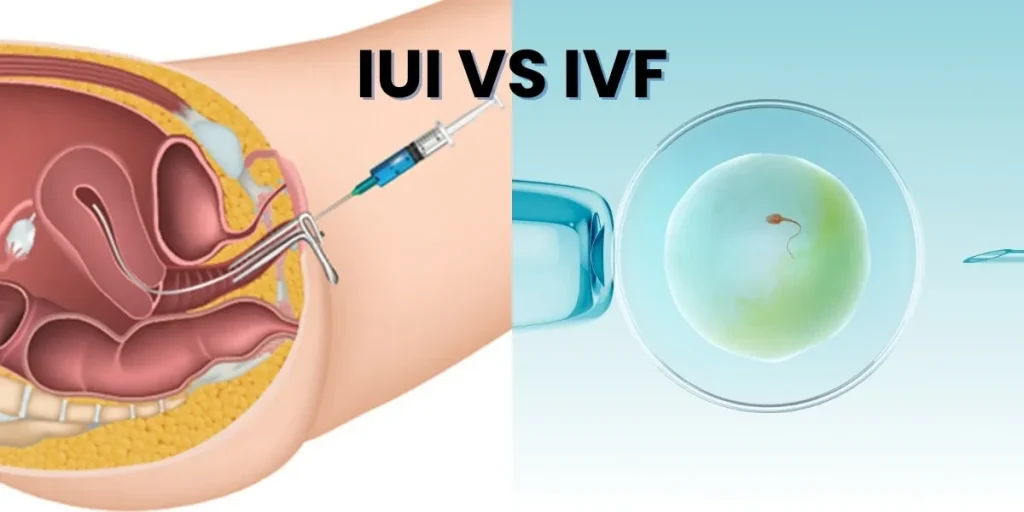
    comparison of IUI and IVF fertility treatments with illustrations of procedures and a petri dish with an egg and sperm

    The Social Stigma Surrounding Home Insemination and IVF for Same-Sex Couples

    Unfortunately, the social stigma surrounding home insemination and IVF for same-sex couples can have detrimental effects on their mental health and well-being. The fear of being judged, discriminated against, or ostracized by society can cause immense stress and anxiety for same-sex couples who wish to start a family. This can also lead to a lack of access to essential healthcare services, as some medical professionals may refuse to provide assistance to same-sex couples due to their personal beliefs.

    Despite these challenges, many same-sex couples are determined to overcome the social stigma and start a family through home insemination or IVF. However, the process can be financially and emotionally draining, as these methods are not always covered by insurance or affordable for everyone. This further highlights the need for society to accept and support same-sex couples who choose to build their families through alternative methods.

    In recent years, there have been some positive changes towards breaking the social stigma surrounding home insemination and IVF for same-sex couples. The legal recognition of same-sex marriages and adoption rights has been a significant step towards achieving equality for LGBTQ+ couples. Additionally, more and more celebrities and public figures are openly sharing their experiences with home insemination and IVF, helping to normalize these methods of conception.

    In conclusion, the social stigma surrounding home insemination and IVF for same-sex couples is deeply rooted in societal norms and beliefs. However, it is crucial for us to challenge these stigmas and educate ourselves about the realities of alternative methods of conception. Same-sex couples have the right to start a family and should not be judged or discriminated against for their choices. It is time for society to embrace diversity and support all types of families, regardless of how they were formed.

    Summary:

    Despite the growing acceptance and legal recognition of LGBTQ+ rights, same-sex couples still face social stigma when it comes to home insemination and IVF. This is due to heteronormative beliefs, misconceptions about same-sex parenting, lack of understanding about reproductive technology, religious and cultural norms, and fear of discrimination. The stigma can have harmful effects on mental health and access to healthcare. However, there have been some positive changes, such as legal recognition and public figures sharing their experiences. It is time for society to embrace diversity and support all types of families, regardless of how they were formed.

    Metadata:

  • Navigating the Social Stigma of Egg Donation and Egg Freezing

    Navigating the Social Stigma of Egg Donation and Egg Freezing: Breaking the Taboo and Empowering Women

    Egg donation and egg freezing are two medical procedures that have gained popularity in recent years, providing women with the opportunity to control their fertility and family planning. While these procedures have numerous benefits, they also come with a social stigma that can make it difficult for women to openly discuss their choices. In this blog post, we will explore the social stigma surrounding egg donation and egg freezing and how women can navigate and break through it.

    Understanding the Stigma

    The social stigma surrounding egg donation and egg freezing stems from the traditional societal expectations placed on women to bear children. Women who choose to undergo these procedures are often judged and labeled as “selfish” or “unnatural.” This stigma is perpetuated by the lack of education and understanding about these procedures, leading to misconceptions and negative attitudes towards women who choose to use them.

    Navigating the Stigma of Egg Donation

    Egg donation is a process where a woman donates her eggs to help another woman or couple struggling with infertility. While this is a selfless act, egg donors are often looked down upon for “selling” their eggs or for having a “non-traditional” way of starting a family. This can lead to feelings of shame and guilt for the donor, making it difficult for them to openly talk about their decision.

    To navigate the stigma of egg donation, it is important for donors to educate themselves about the process and be confident in their decision. They can also seek support from other donors or join communities where they can openly discuss their experiences. It is also crucial for society to recognize and appreciate the selfless act of egg donation and break the taboo surrounding it.

    test tube with sperm in blue liquid, promoting IUI success rate and factors influencing fertility.

    Navigating the Social Stigma of Egg Donation and Egg Freezing

    Breaking the Taboo of Egg Freezing

    Egg freezing is a procedure where a woman’s eggs are harvested and frozen for later use. It is primarily used by women who want to delay pregnancy due to personal or professional reasons. However, this procedure is often met with skepticism and judgment, with many questioning a woman’s motives for freezing her eggs.

    To break the taboo of egg freezing, it is important for women to understand that it is a personal choice and should not be judged or questioned by others. Women should also educate themselves about the process and the options it provides them. By having open and honest conversations about egg freezing, we can break the stigma and empower women to take control of their fertility.

    Empowering Women Through Education and Support

    The key to navigating and breaking the social stigma surrounding egg donation and egg freezing is education and support. Women should have access to accurate information about these procedures and be able to openly discuss their choices without fear of judgment. Support groups and communities can provide a safe space for women to share their experiences and find strength in each other.

    It is also important for society to shift its perspective and recognize that these procedures are a way for women to have control over their bodies and their futures. By breaking the taboo and empowering women, we can create a more inclusive and understanding society.

    In conclusion, egg donation and egg freezing are two medical procedures that have the power to empower women and give them control over their fertility. However, the social stigma surrounding these procedures can make it difficult for women to openly discuss their choices. By educating ourselves, providing support, and breaking the taboo, we can create a society that embraces and celebrates women’s choices when it comes to their fertility.

  • The Support System for Single Motherhood vs Traditional Family Planning

    Single motherhood has become increasingly common in today’s society, with more and more women choosing to raise children on their own. However, this decision does not come without its challenges. Single mothers often face financial and emotional struggles, making it essential to have a strong support system in place. On the other hand, traditional family planning involves a nuclear family structure, where a married couple raises their children together. In this blog post, we will explore the support systems available for single mothers and how they differ from the traditional family planning model.

    The traditional family structure has long been considered the norm in society. It consists of a married couple, usually a husband and wife, and their children living under one roof. This model has been portrayed as the ideal family unit, with the husband as the breadwinner and the wife as the homemaker. However, this model is no longer the only option for starting a family. With changing social norms and the rise of women empowerment, more and more women are choosing to become single mothers.

    One of the main challenges single mothers face is financial stability. Without a partner to share the financial burden, single mothers often struggle to make ends meet. This is where the support system for single motherhood comes into play. Government programs such as welfare and child support provide financial aid to single mothers, helping them to provide for their children’s basic needs. In addition, single mothers can also receive assistance from non-profit organizations, community groups, and religious institutions. These support systems can include food banks, free childcare, and career training programs, all aimed at helping single mothers become financially self-sufficient.

    Apart from financial struggles, single mothers also face emotional challenges. Raising children on their own can be overwhelming and can lead to feelings of isolation and loneliness. Having a strong support system in place can help single mothers to cope with these challenges. Friends and family members can provide a much-needed emotional outlet and support system. Online support groups for single mothers also offer a sense of community and understanding, allowing single mothers to connect with others who are going through similar experiences.

    Diagram illustrating intrauterine insemination (IUI) procedure with sperm injection into the uterus.

    The Support System for Single Motherhood vs Traditional Family Planning

    In contrast, traditional family planning involves a partner who can share the emotional and financial responsibilities of raising children. However, this does not mean that traditional families do not face any challenges. In today’s fast-paced world, both parents often have to work to make ends meet, leaving little time for family life. This can lead to feelings of guilt and stress, as parents try to balance their work and family responsibilities. In such cases, having a support system in place can be just as beneficial for traditional families as it is for single mothers.

    The support system for single motherhood and traditional family planning also differ in terms of social stigma. Single mothers may face judgment and discrimination from society, as single parenthood is often seen as deviating from the traditional family model. This can make it challenging for single mothers to find support and acceptance from their communities. On the other hand, traditional families may face pressure to conform to societal expectations, which can also be a source of stress.

    In conclusion, the support system for single motherhood and traditional family planning are two different models with their own challenges and benefits. While traditional families have the advantage of having a partner to share responsibilities, single mothers can rely on various support systems to help them navigate the challenges of raising children on their own. Both models have their own unique struggles, but having a strong support system in place can make all the difference.

    In summary, single motherhood and traditional family planning have distinct characteristics, challenges, and benefits. Single mothers often rely on government programs, non-profit organizations, and friends and family for financial and emotional support. On the other hand, traditional families may face challenges in balancing work and family responsibilities, but can also benefit from having a partner to share the load. Ultimately, it is important to recognize and support all types of families, whether they follow the traditional model or not.

  • The Benefits of Single Motherhood vs Traditional Family Planning

    Single motherhood and traditional family planning are two different paths that women may choose when starting a family. While traditional family planning involves having a partner and creating a family unit together, single motherhood involves raising a child on one’s own. Both options have their own unique challenges and benefits, and it ultimately comes down to personal preference and circumstances. In this blog post, we will explore the benefits of single motherhood versus traditional family planning.

    First and foremost, single motherhood allows women to have full control over their reproductive choices. They do not have to rely on a partner’s decision or approval when it comes to starting a family. This can be empowering for women who may not have a supportive partner or who simply want to take charge of their own life and decisions. Traditional family planning, on the other hand, often involves a compromise between partners and may not always align with a woman’s personal desires.

    Another benefit of single motherhood is the freedom to make decisions without having to consider a partner’s opinions. This includes decisions about parenting styles, discipline, and other important aspects of raising a child. Single mothers have the flexibility to create their own rules and routines that work best for them and their child. This can also lead to a stronger bond between the mother and child, as they rely solely on each other for support and guidance.

    In terms of financial stability, single motherhood may seem like a daunting prospect. However, many single mothers are able to successfully provide for their child through hard work and determination. They may have a higher level of motivation to succeed in their career, as they are solely responsible for their child’s well-being. Additionally, single mothers have the option to seek financial support from government programs, such as child support or welfare, to help alleviate the financial burden.

    On the other hand, traditional family planning can also provide financial stability through the combined income of both partners. This can allow for a more comfortable and stable lifestyle for the family. However, it also means that both partners must be willing to work and contribute to the household income, which may not always be the case.

    illustration of intrauterine insemination procedure with a syringe and catheter in the uterus.

    The Benefits of Single Motherhood vs Traditional Family Planning

    Single motherhood also allows for more flexibility and independence in terms of personal goals and aspirations. Without the added responsibility of a partner, single mothers can focus on their own personal growth and development. This can include pursuing higher education, traveling, or starting a business. Traditional family planning may present more challenges in achieving personal goals, as partners must often compromise and make sacrifices for the family.

    Furthermore, single motherhood can also provide a positive role model for children. It teaches them the importance of resilience and independence, as they see their mother successfully navigate life on her own. It also breaks down traditional gender roles and shows that women are capable of being strong and independent caregivers. This can lead to a more empowered and confident generation of children.

    Of course, traditional family planning also has its own benefits, such as having a partner to share the responsibilities and joys of raising a child. It also provides a stable family unit for the child, with both parents present to provide love and support. This can also lead to a more balanced and well-rounded upbringing for the child, as they have both a male and female role model.

    In terms of social stigma, single motherhood may still face negative stereotypes and judgment from society. However, with the rise of single-parent households and a more progressive mindset, there is a growing acceptance and understanding of single motherhood. Traditional family planning, on the other hand, may face pressure to conform to societal expectations and traditional gender roles.

    In conclusion, both single motherhood and traditional family planning have their own unique benefits and challenges. It ultimately comes down to personal preference and individual circumstances. Single motherhood allows for independence, control, and flexibility, while traditional family planning provides a stable family unit and shared responsibilities. Whichever path a woman chooses, it is important to support and empower all mothers, regardless of their family structure.

  • Navigating the Social Stigma: The Realities of Sperm Donation and Co-Parenting

    Navigating the Social Stigma: The Realities of Sperm Donation and Co-Parenting

    When it comes to creating a family, there are a variety of options available to couples and individuals. One such option is sperm donation and co-parenting, which involves using donated sperm from a known or anonymous donor to conceive a child. While this may seem like a straightforward and practical solution for those struggling with fertility issues or single individuals wanting to have a child, the reality is that navigating the social stigma surrounding sperm donation and co-parenting can be a challenging and emotional journey.

    In this blog post, we will dive into the complexities of sperm donation and co-parenting, including the social stigma associated with these methods, the legal considerations, and the emotional impact on all parties involved. We will also explore the growing trend of alternative family structures and the importance of destigmatizing these unconventional paths to parenthood.

    The Social Stigma Surrounding Sperm Donation and Co-Parenting

    Despite the advancements in reproductive technology and the increasing acceptance of non-traditional families, there is still a significant social stigma surrounding sperm donation and co-parenting. This stigma is rooted in societal norms and traditional beliefs about family, parenthood, and genetic ties.

    One of the main sources of stigma is the belief that a child needs to have a biological connection to both parents to have a stable and healthy upbringing. This notion is often perpetuated by media and societal expectations, leading to the belief that a child conceived through sperm donation or co-parenting will not have a “normal” or “complete” family. This can lead to feelings of shame and inadequacy for those considering these methods of conception.

    Moreover, there is a misconception that sperm donation and co-parenting are only utilized by the LGBTQ+ community or single individuals, further contributing to the stigma. This narrow-minded view ignores the fact that these methods are also used by heterosexual couples struggling with fertility issues or those who have chosen not to have a romantic relationship but still want to have a child together.

    Legal Considerations for Sperm Donation and Co-Parenting

    Another significant aspect of navigating sperm donation and co-parenting is understanding the legal implications involved. While these methods may seem straightforward, there are various legal considerations that must be taken into account to ensure the rights and responsibilities of all parties involved are protected.

    For instance, if a couple decides to use a known donor, it is essential to have a written agreement outlining the roles and expectations of each party, such as custody, financial support, and involvement in the child’s life. In the case of anonymous donors, there are strict laws in place to protect their anonymity and limit their involvement in the child’s life.

    Additionally, co-parenting arrangements can also raise legal concerns, especially if the couple is not in a romantic relationship. In these cases, it is crucial to have a legally binding co-parenting agreement in place to protect the rights of each parent and the best interests of the child.

    diagram illustrating intrauterine insemination (IUI) procedure with uterus, sperm, and catheter labeled

    Navigating the Social Stigma: The Realities of Sperm Donation and Co-Parenting

    The Emotional Impact on All Parties Involved

    Aside from the legal considerations, sperm donation and co-parenting can also have a significant emotional impact on all parties involved. For the donor, there may be feelings of detachment or a sense of responsibility towards the child, especially if they are a known donor. They may also struggle with the societal stigma surrounding their decision to donate sperm.

    For the parents, the emotional impact can be just as intense. Those struggling with fertility issues may experience feelings of inadequacy or guilt, while those in a co-parenting arrangement may have to navigate the complexities of maintaining a platonic relationship while raising a child together. Moreover, the child may also experience conflicting emotions as they grow up, such as curiosity about their genetic background and feelings of not belonging to a traditional family structure.

    The Growing Trend of Alternative Family Structures

    Despite the social stigma and legal complexities, there has been a growing trend towards alternative family structures, including sperm donation and co-parenting. This shift can be attributed to several factors, such as advancements in reproductive technology, changing societal norms, and the increasing acceptance of non-traditional families.

    Moreover, the rise of the LGBTQ+ community has also played a significant role in the growing acceptance of alternative family structures. With same-sex marriage now legal in many countries, more LGBTQ+ couples are choosing to start a family through sperm donation or co-parenting, challenging the traditional notions of family and parenthood.

    Destigmatizing Sperm Donation and Co-Parenting

    As society continues to evolve and embrace diversity, it is essential to destigmatize sperm donation and co-parenting. These methods of conception offer viable solutions for individuals and couples who want to start a family but may face fertility issues or do not fit into traditional family structures.

    Education and open conversation are key to breaking down the social stigma surrounding sperm donation and co-parenting. By sharing personal stories and experiences, we can help normalize these alternative paths to parenthood and create a more inclusive and accepting society for all types of families.

    In conclusion, navigating the social stigma surrounding sperm donation and co-parenting can be a challenging and emotional journey. It is crucial to understand the legal considerations involved and the potential emotional impact on all parties, including the donor, parents, and child. However, as society continues to evolve and embrace diversity, it is essential to destigmatize these methods and recognize the growing trend towards alternative family structures.

    Summary:

    Sperm donation and co-parenting are alternative methods of starting a family that can be met with social stigma. This stigma is rooted in societal norms and traditional beliefs about family and parenthood. It can also be perpetuated by media and the misconception that these methods are only used by the LGBTQ+ community or single individuals. Legal considerations, such as written agreements and co-parenting arrangements, must be taken into account to protect the rights and responsibilities of all parties involved. The emotional impact of sperm donation and co-parenting can also be significant, for the donor, parents, and child. However, as society becomes more accepting of diverse family structures, it is crucial to destigmatize these methods and recognize their growing trend.