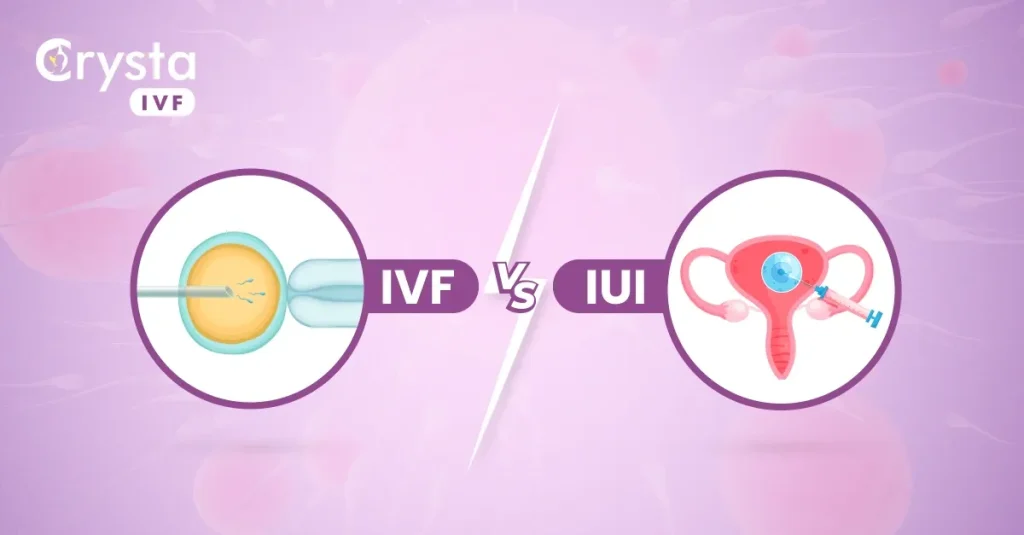
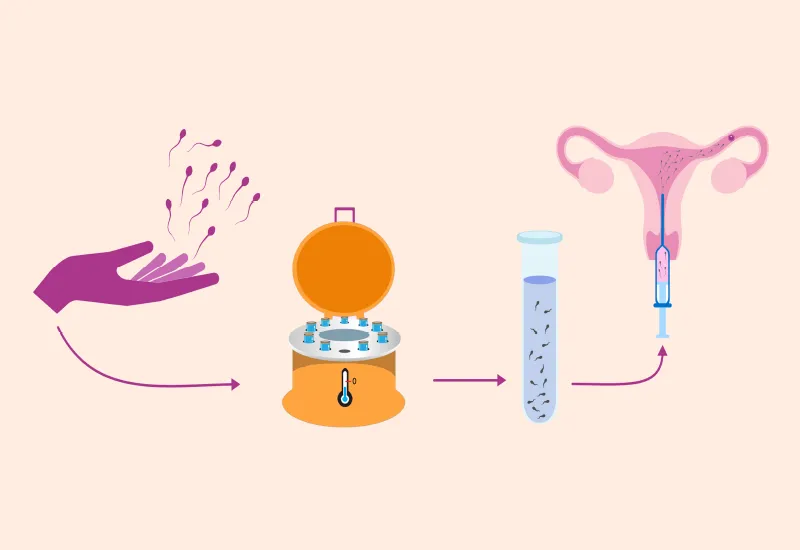
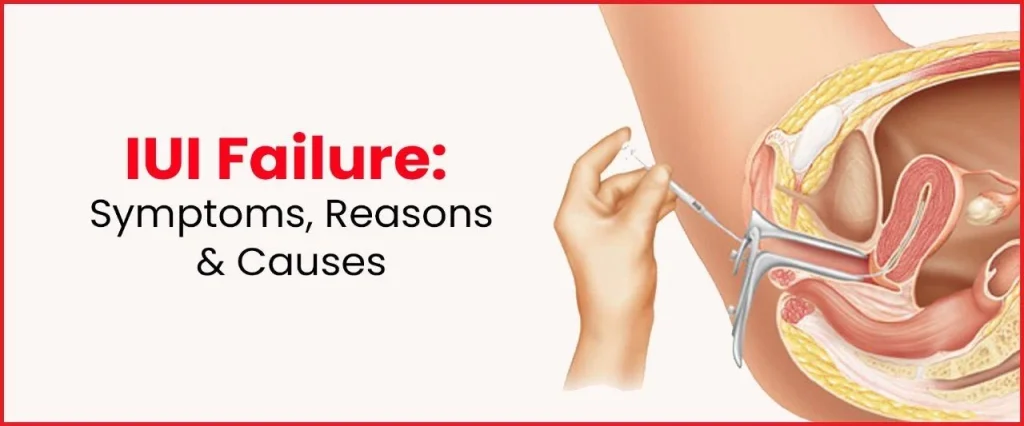
Intrauterine Insemination (IUI) and Donor Insemination (DI) are two commonly used fertility treatments that are often misunderstood and stigmatized. Both procedures involve the insertion of sperm into a woman’s uterus, but there are significant differences between the two. In this blog post, we will discuss the differences between IUI and DI, the reasons behind their stigma, and how we can break it.
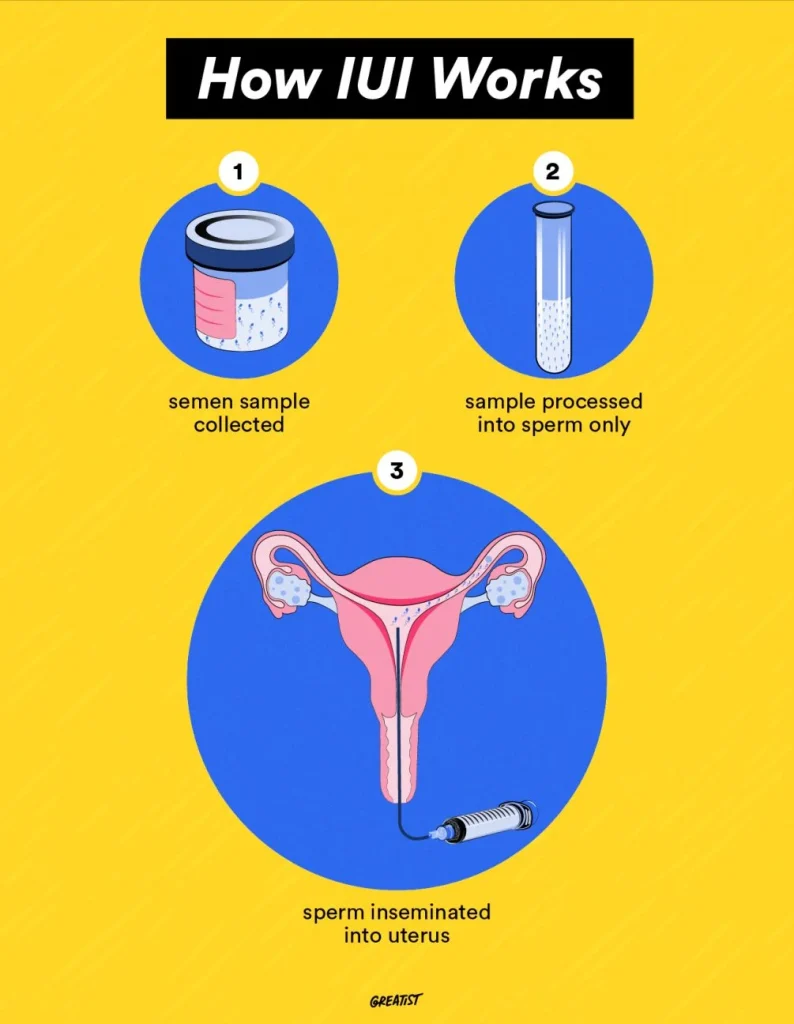
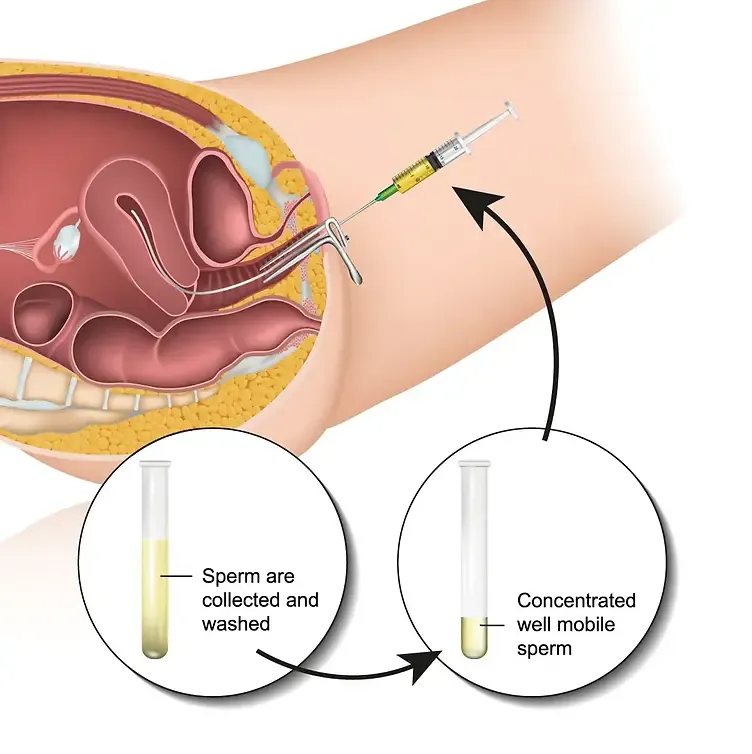
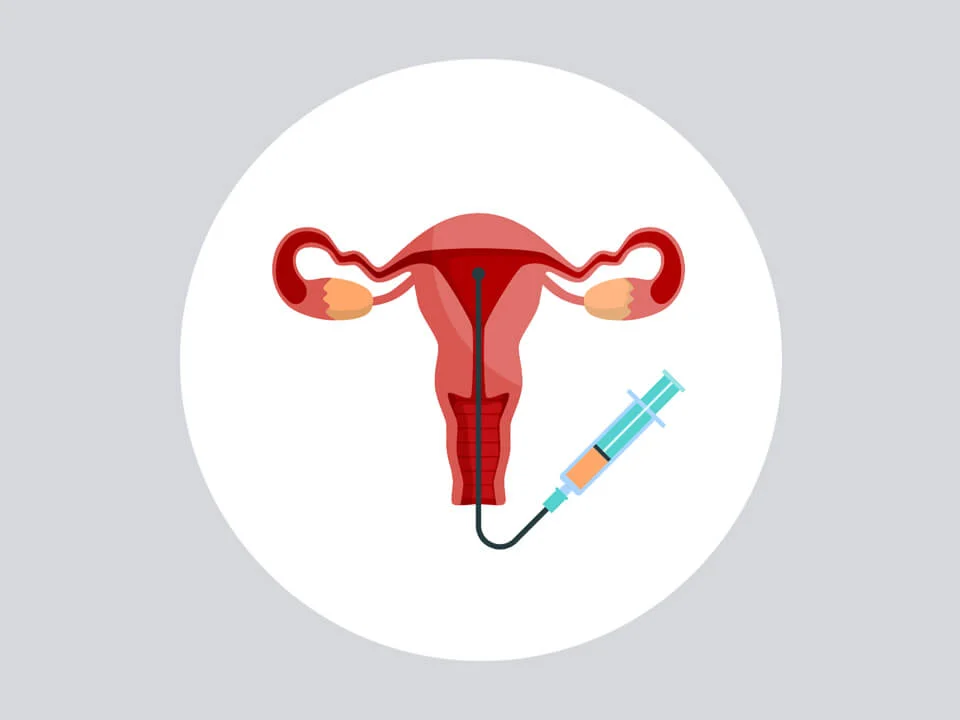
IUI is a fertility treatment where washed and concentrated sperm is placed directly into the uterus using a thin catheter. This procedure is usually recommended for couples who have been trying to conceive for at least a year without success, have unexplained infertility, or have a male partner with a low sperm count. IUI is a simple, non-invasive procedure that can be performed in a doctor’s office and does not require anesthesia.
On the other hand, DI, also known as donor sperm insemination, involves using donated sperm from a sperm bank or known donor to fertilize the woman’s egg. This procedure is primarily used for single women, same-sex female couples, or heterosexual couples where the male partner has a genetic disorder or does not produce sperm. DI can also be done in a doctor’s office, but it is a more involved process that requires careful screening of the donor and synchronization with the woman’s ovulation cycle.
One of the main reasons for the stigma surrounding IUI and DI is the societal pressure to have a child naturally. Many people view these procedures as unnatural and believe that couples should only conceive through sexual intercourse. This belief is not only outdated but also ignores the fact that many individuals and couples struggle with infertility and need assistance to conceive.
Another contributing factor to the stigma is the lack of education and understanding of these procedures. Fertility treatments, in general, are not openly discussed, and there is a lot of misinformation and myths surrounding them. This lack of knowledge can lead to fear and judgment, making it challenging for those who are considering IUI or DI to seek help.
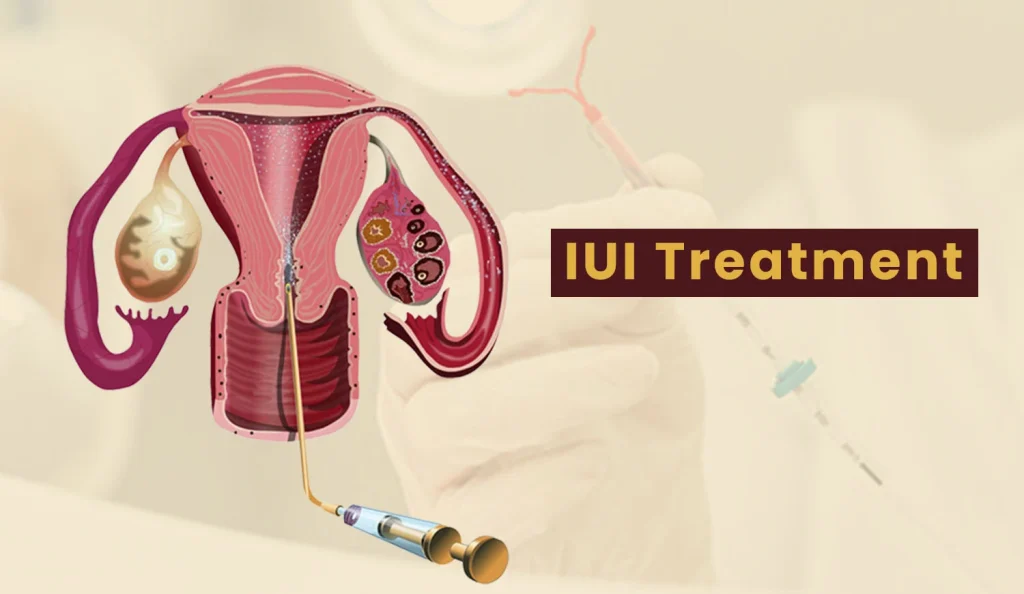
Intrauterine Insemination vs Donor Insemination: Breaking the Stigma
Furthermore, there is a stigma associated with using donor sperm. Some people view it as “playing God” or having a child that is not biologically theirs. This stigma is harmful and ignores the fact that many families are created through alternative methods, such as adoption or surrogacy. It also ignores the fact that genetics do not define a family; love and commitment do.
So, how can we break the stigma surrounding IUI and DI? The first step is education. By openly discussing these procedures and providing accurate information, we can help people understand that fertility treatments are a valid and necessary option for many individuals and couples. We can also address the myths and misconceptions that contribute to the stigma and replace them with facts and empathy.
Another crucial step is to challenge the societal pressure to conceive naturally. People should not be shamed for seeking medical assistance to have a child. It is a personal decision that should be respected and supported.
Lastly, we need to promote inclusivity and acceptance of all types of families. Families come in all shapes and forms, and it is not for anyone to judge or dictate how they are created. By breaking the stigma surrounding IUI and DI, we can create a more inclusive and understanding society.
In conclusion, IUI and DI are two fertility treatments that are often stigmatized due to societal pressure, lack of education, and misconceptions. By educating ourselves and others, challenging societal norms, and promoting inclusivity, we can break the stigma surrounding these procedures. It is time to change the narrative and support individuals and couples who are struggling with infertility to create their families.