Medical insemination, also known as artificial insemination, is a process in which sperm is inserted into a woman’s reproductive tract to facilitate pregnancy. While it may not be the most common method of conception, it is a viable option for women who are struggling with fertility issues or who are choosing to become single mothers by choice. In this blog post, we will explore the reasons why some women choose medical insemination.
1. Fertility issues
One of the main reasons why women choose medical insemination is because they are experiencing fertility issues. This could be due to various factors such as age, hormonal imbalances, or structural abnormalities in the reproductive organs. In these cases, medical insemination can be a more affordable and less invasive option compared to other fertility treatments such as in-vitro fertilization (IVF). It is also a simpler process that can be done in a doctor’s office without the need for hospitalization or anesthesia.
2. Single motherhood
With changing societal norms and the rise of single parenthood, more and more women are choosing to become single mothers by choice. Some women may not have a partner, while others may choose to raise a child on their own. Medical insemination offers these women a way to fulfill their desire for motherhood without the need for a partner. It allows them to have a biological connection with their child and take control of their own fertility and family planning.
3. LGBTQ+ couples
Medical insemination is also a popular choice for same-sex couples who wish to have a biological child. Lesbian couples can use donor sperm to fertilize one partner’s egg and carry the pregnancy, while gay couples may choose to have a surrogate carry the pregnancy. This method allows LGBTQ+ couples to have a biological connection with their child and start a family of their own.
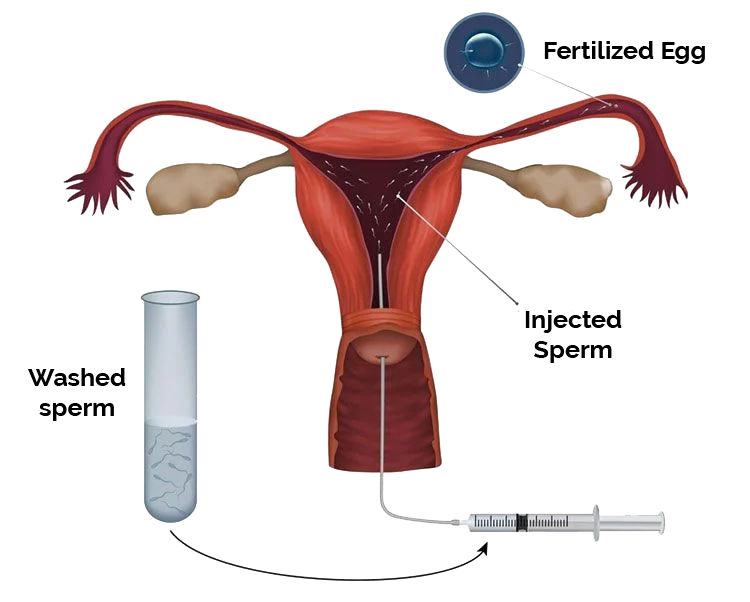
Why Some Women Choose Medical Insemination
4. Hereditary conditions
Some women may choose medical insemination to avoid passing on hereditary conditions or genetic disorders to their child. With the help of genetic testing, donors can be screened for certain genetic conditions, reducing the risk of passing them on to the child. This option can provide peace of mind for women who have a family history of genetic disorders and want to ensure a healthy pregnancy and baby.
5. Control over timing
Medical insemination also offers women control over the timing of their pregnancy. Unlike natural conception, which relies on ovulation and timing, medical insemination can be scheduled at a specific time to increase the chances of pregnancy. This can be particularly helpful for women who have irregular menstrual cycles or who are trying to conceive at a specific time for personal or professional reasons.
6. Convenience
Compared to other assisted reproduction methods, medical insemination is a relatively simple and convenient process. It can be done in the comfort of a doctor’s office and does not require the use of anesthesia. The procedure itself is quick and painless, and there is minimal recovery time. This can be appealing to women who may not want to go through more invasive procedures.
7. Cost-effective
For some women, the cost of fertility treatments such as IVF may be out of reach. Medical insemination, on the other hand, is a more affordable option. It involves fewer procedures and medications, making it a cost-effective choice for those who are on a budget. Some insurance plans may also cover the cost of medical insemination, making it a more accessible option for women who otherwise may not be able to afford fertility treatments.
In conclusion, medical insemination is a viable option for women who are struggling with fertility issues, choosing single motherhood or LGBTQ+ parenthood, wanting to avoid passing on genetic disorders, desiring control over timing, and seeking a convenient and cost-effective method. It allows women to have more control over their reproductive health and family planning, making it a popular choice for many.
Leave a Reply