Choosing the Best Fertility Treatment: Medications or Surgery?
Infertility is a common struggle that affects many couples around the world. According to the World Health Organization, approximately 15% of couples experience fertility issues. Fortunately, there are various fertility treatments available to help these couples achieve their dream of starting a family. However, with so many options available, it can be overwhelming to decide which treatment is best for you. In this blog post, we will discuss the two main types of fertility treatments – medications and surgery – and help you determine which one may be the best choice for you.
Medications for Fertility Treatment
Medications are often the first line of treatment for fertility issues. These medications work by stimulating ovulation or increasing sperm count, improving the chances of conception. The most commonly used medications for fertility treatment include:
1. Clomiphene Citrate: This medication is typically prescribed to women who are not ovulating regularly. It works by stimulating the release of hormones that trigger ovulation. This medication is taken orally and has relatively few side effects.
2. Gonadotropins: This is a hormone therapy that involves injecting follicle-stimulating hormone (FSH) and luteinizing hormone (LH) to stimulate ovulation. This treatment is often used in combination with intrauterine insemination (IUI).
3. Metformin: This medication is commonly used to treat polycystic ovary syndrome (PCOS), which is a common cause of infertility in women. Metformin helps regulate insulin levels, which can improve ovulation in women with PCOS.
4. Bromocriptine: This medication is used to treat high levels of prolactin, a hormone that can interfere with ovulation. Bromocriptine works by blocking the production of prolactin, thus improving ovulation.
Surgery for Fertility Treatment
Surgery is another option for treating fertility issues. It involves correcting physical abnormalities or removing blockages that may be preventing pregnancy. Some common surgical procedures for fertility treatment include:
1. Laparoscopy: This is a minimally invasive surgery that involves making small incisions in the abdomen to access the reproductive organs. It is used to diagnose and treat conditions such as endometriosis, fibroids, and ovarian cysts.
2. Hysteroscopy: This procedure involves inserting a thin, lighted tube through the vagina and cervix to examine the inside of the uterus. It can be used to diagnose and treat uterine abnormalities that may be causing infertility.
3. Tubal Surgery: This surgery involves repairing or unblocking the fallopian tubes, which can improve the chances of conception for women with blocked tubes.
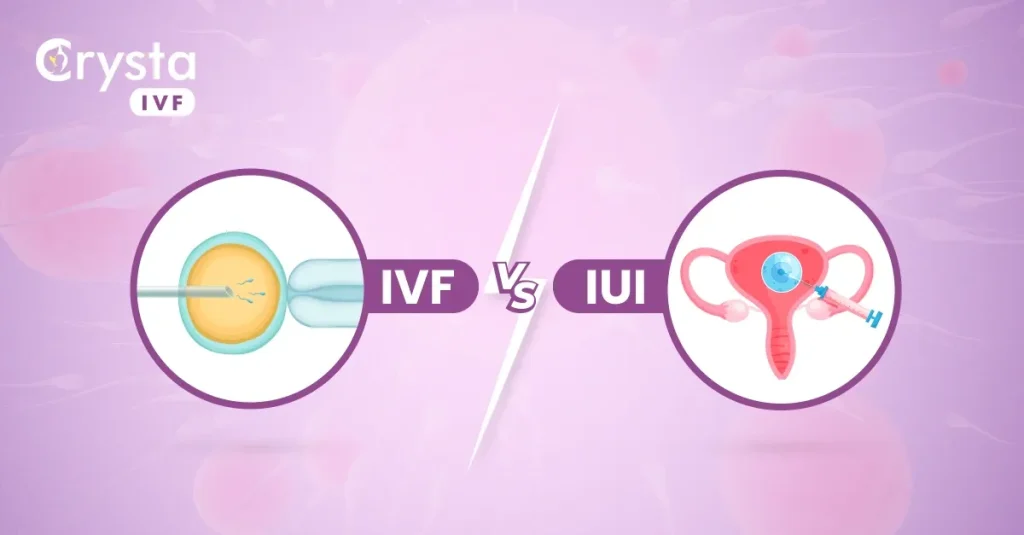
Choosing the Best Fertility Treatment: Medications or Surgery?
4. Varicocele Repair: Varicocele is a condition in which the veins in the scrotum become enlarged, leading to decreased sperm production. Varicocele repair is a surgery that can improve sperm count and quality.
Choosing the Right Treatment for You
Now that we have discussed the different types of fertility treatments available, let’s look at some factors to consider when deciding between medications and surgery.
1. Underlying Causes of Infertility
The first step in determining the right treatment for you is to identify the underlying cause of your infertility. In some cases, medications may be sufficient, while in others, surgery may be necessary.
2. Cost and Insurance Coverage
Fertility treatments can be expensive, and the cost can vary depending on the type of treatment and your location. In general, medications are less costly than surgery. However, some insurance plans may cover certain fertility treatments, so it is essential to check with your provider.
3. Age and Time Constraints
For women who are over 35 and have been trying to conceive for more than a year, surgery may be a more suitable option. This is because as women age, the success rates of fertility treatments decrease, and surgery can provide a faster solution.
4. Risks and Side Effects
Like any medical procedure, both medications and surgery carry some risks and potential side effects. It is essential to discuss these with your doctor and weigh the potential risks and benefits before making a decision.
Summary:
Infertility is a common struggle for many couples, and there are various fertility treatments available to help them conceive. Medications and surgery are the two main types of fertility treatments used to improve the chances of pregnancy. Medications work by stimulating ovulation or increasing sperm count, while surgery involves correcting physical abnormalities or removing blockages. When deciding between the two, factors such as the underlying cause of infertility, cost, age, and potential risks and side effects should be considered.