Tag: medications

  • The Future of Fertility Treatments: Combining Medications and Supplements for Optimal Results

    The Future of Fertility Treatments: Combining Medications and Supplements for Optimal Results

    The journey to parenthood is a deeply personal and emotional one, and for many couples, it can be a challenging and frustrating experience. Infertility affects approximately 1 in 8 couples worldwide, and the number of people seeking fertility treatments is only increasing. While traditional fertility treatments such as in vitro fertilization (IVF) have helped many couples achieve their dream of starting a family, there is a growing interest in combining medications and supplements for more effective results. In this blog post, we will explore the future of fertility treatments and how combining medications and supplements may hold the key to optimizing fertility success.

    The Current State of Fertility Treatments

    Currently, the most common fertility treatments include IVF, intrauterine insemination (IUI), and ovulation induction. These treatments generally involve the use of medications to stimulate the ovaries to produce multiple eggs, which are then fertilized in a lab and transferred back into the uterus. While these treatments have helped many couples conceive, they also come with a high price tag and carry the risk of multiple pregnancies and potential side effects.

    Additionally, traditional fertility treatments do not address the underlying causes of infertility, such as hormonal imbalances, nutritional deficiencies, and lifestyle factors. This is where combining medications and supplements can make a significant impact.

    The Role of Medications in Fertility Treatments

    Medications play a crucial role in fertility treatments by stimulating the ovaries to produce eggs and regulating hormone levels. For example, gonadotropin-releasing hormone (GnRH) agonists and antagonists are commonly used to suppress natural hormone production and prevent premature ovulation in IVF cycles. Other medications, such as clomiphene and letrozole, are used to induce ovulation in women with irregular menstrual cycles.

    While these medications are effective in their intended purposes, they may also have side effects and may not address the underlying causes of infertility. This is where the addition of supplements can provide a more holistic approach to fertility treatments.

    The Power of Supplements in Fertility Treatments

    doctor discussing treatment with a patient in a medical office, featuring an ultrasound machine in the background

    The Future of Fertility Treatments: Combining Medications and Supplements for Optimal Results

    Supplements have become increasingly popular in the world of fertility treatments, with research showing promising results in improving fertility outcomes. For example, Coenzyme Q10 (CoQ10) has been found to improve egg quality and ovarian response in women undergoing IVF. Myo-inositol, a type of B vitamin, has been shown to regulate insulin levels and improve ovulation in women with polycystic ovary syndrome (PCOS).

    Other supplements that have shown promise in fertility treatments include omega-3 fatty acids, vitamin D, and melatonin. These supplements can help balance hormones, reduce inflammation, and improve overall reproductive health.

    The Future of Fertility Treatments: Combining Medications and Supplements

    While medications and supplements have their individual benefits in fertility treatments, combining the two may hold the key to optimizing fertility success. By addressing both the physiological and nutritional aspects of infertility, this approach can provide a more comprehensive and personalized treatment plan for each individual couple.

    One example of this combination approach is the use of supplements to improve the response to fertility medications. Studies have shown that supplementing with CoQ10 can improve the number and quality of eggs retrieved during IVF cycles, potentially leading to higher pregnancy rates. Similarly, myo-inositol has been found to improve the response to clomiphene in women with PCOS, increasing the chances of ovulation and conception.

    Another benefit of combining medications and supplements is the potential to reduce the dosage and duration of fertility medications. This can not only reduce the risk of side effects but also make fertility treatments more accessible and affordable for couples.

    Additionally, the use of supplements can help address the underlying causes of infertility, which may improve overall reproductive health and increase the chances of conceiving naturally. By optimizing hormone levels, reducing inflammation, and improving egg and sperm quality, supplements can pave the way for successful fertility outcomes.

    In conclusion, the future of fertility treatments lies in a more holistic approach, combining medications and supplements for optimal results. By addressing both the physiological and nutritional aspects of infertility, this approach offers a more personalized and comprehensive treatment plan for couples struggling to conceive. As research in this area continues to grow, we can expect to see more innovative and effective ways of combining medications and supplements to help couples achieve their dream of starting a family.

    Summary:

    Infertility affects 1 in 8 couples worldwide, and traditional fertility treatments like IVF can be expensive and carry risks. Combining medications and supplements offers a more holistic approach to fertility treatments by addressing the underlying causes of infertility. Medications stimulate the ovaries and regulate hormones, while supplements improve egg and sperm quality and address nutritional deficiencies. This combination approach can optimize fertility success and make treatments more accessible and affordable. As research in this area continues to grow, we can expect to see more innovative ways of combining medications and supplements for optimal results.

  • Fertility Medications vs Supplements: The Debate Goes On

    Fertility is a topic that has been heavily debated and researched for many years. For couples struggling with infertility, the pursuit of effective treatments is often a top priority. When it comes to fertility treatments, there are two main options: fertility medications and supplements. Both have their own set of pros and cons, and the debate between the two continues to rage on. In this blog post, we will delve into the discussion of fertility medications versus supplements and explore the different aspects of each option to help you make an informed decision.

    Fertility Medications: What Are They and How Do They Work?

    Fertility medications are drugs that are prescribed by doctors to help stimulate ovulation, regulate hormones, and improve the chances of conception. Some of the most commonly used fertility medications include Clomid, Femara, and Gonadotropins. These medications work by either stimulating the release of eggs from the ovaries or by regulating hormonal imbalances that may be hindering ovulation.

    Pros of Fertility Medications

    One of the biggest advantages of fertility medications is their proven effectiveness. These medications have been used for many years and have a high success rate in helping couples conceive. They are also regulated and prescribed by doctors, ensuring that they are safe and appropriate for each individual’s specific needs. Additionally, fertility medications can also help in cases of unexplained infertility, where no underlying cause can be identified.

    Cons of Fertility Medications

    On the other hand, fertility medications do have some downsides. For one, they can be quite expensive, especially if multiple rounds of treatment are needed. They also come with potential side effects such as headaches, mood swings, and abdominal discomfort. In some cases, fertility medications can also increase the risk of multiple pregnancies, which can be risky for both the mother and the babies.

    Supplements: What Are They and How Do They Work?

    Supplements, on the other hand, are natural or herbal remedies that are taken to support fertility and overall reproductive health. Some of the most commonly used supplements for fertility include folic acid, vitamin D, and CoQ10. These supplements work by providing the body with essential nutrients and antioxidants that can help improve egg quality, regulate hormones, and support the overall reproductive system.

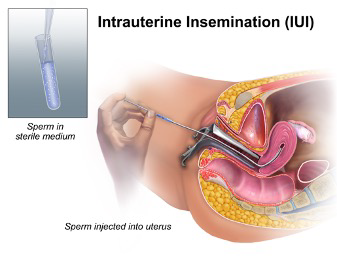
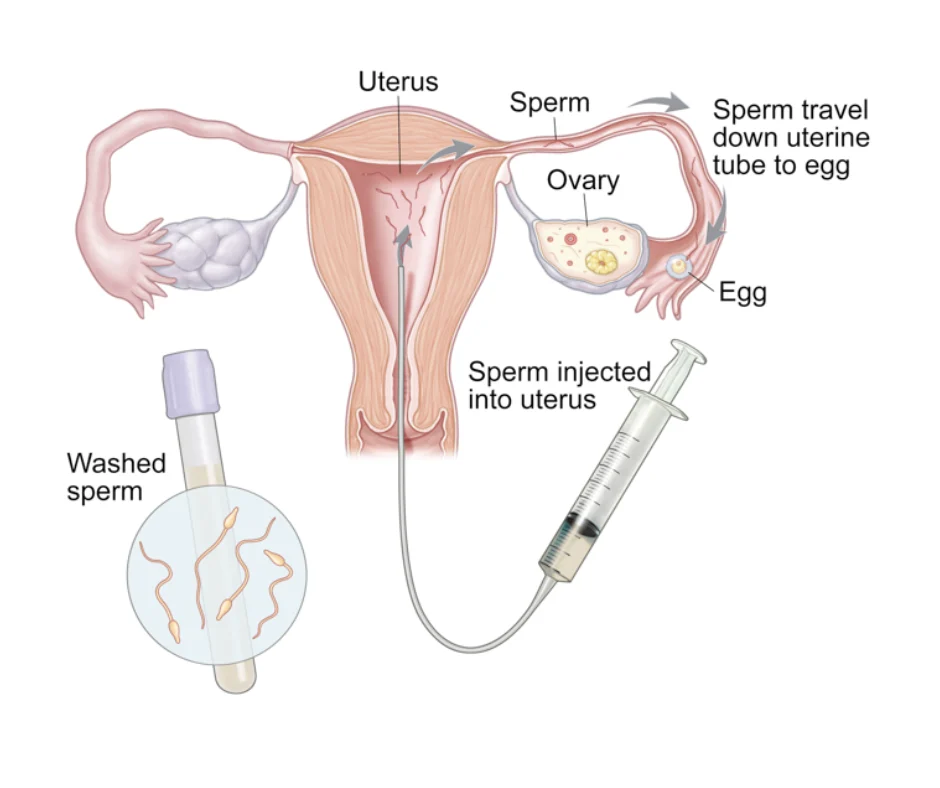
    diagram illustrating intrauterine insemination process, showing sperm injection into the uterus and egg fertilization pathway

    Fertility Medications vs Supplements: The Debate Goes On

    Pros of Supplements

    The main advantage of supplements is that they are generally more affordable than fertility medications. They are also easily accessible, as they can be purchased over-the-counter or online without a prescription. Additionally, supplements are generally considered safe with few side effects. They can also be used as a complementary treatment alongside fertility medications to boost their effectiveness.

    Cons of Supplements

    However, there are also some downsides to using supplements for fertility. First and foremost, there is limited scientific evidence to support the effectiveness of many supplements in improving fertility. This can make it difficult for couples to determine which supplements are worth trying. Additionally, supplements may take longer to show results compared to fertility medications, and they may not be suitable for everyone.

    The Debate Continues: Which is Better for Fertility?

    The debate between fertility medications and supplements is ongoing, and the truth is that there is no one-size-fits-all answer. Both options have their own set of pros and cons, and the best choice for an individual or couple will depend on their specific needs and preferences. In some cases, a combination of both fertility medications and supplements may be the most effective approach.

    It is always recommended to consult with a fertility specialist to determine the best course of treatment for your specific situation. They will be able to assess your medical history, conduct necessary tests, and make recommendations based on your individual needs.

    In conclusion, the debate between fertility medications and supplements will likely continue for years to come. While fertility medications have a proven track record of success, they may not be suitable for everyone due to their cost and potential side effects. On the other hand, supplements may be a more accessible and affordable option, but they may not be as effective for everyone. Ultimately, the best approach is to weigh the pros and cons of each option and consult with a medical professional to determine the best treatment plan for your individual needs.

    In summary, the debate between fertility medications and supplements for treating infertility rages on. While fertility medications have a higher success rate, they can be expensive and come with potential side effects. On the other hand, supplements are more affordable and have fewer side effects, but may not be as effective for everyone. The best approach is to consult with a fertility specialist to determine the best treatment plan for your specific situation.

  • Fertility Medications and Supplements: Finding the Right Balance for Your Body

    Title: Fertility Medications and Supplements: Finding the Right Balance for Your Body

    Introduction:
    Fertility issues are becoming increasingly common among couples and can be a major source of stress and anxiety. While there are various factors that can affect fertility, one aspect that many people overlook is the role of medications and supplements. In this blog post, we will discuss the different types of fertility medications and supplements, their effects on the body, and how to find the right balance for optimal fertility.

    Understanding Fertility Medications:
    Fertility medications are commonly used to treat infertility in both men and women. These medications work by regulating hormone levels and stimulating ovulation in women, and improving sperm count and motility in men. Some of the most common fertility medications include Clomid, Letrozole, and Gonadotropins. These medications can be taken orally, injected, or administered vaginally.

    Effects of Fertility Medications on the Body:
    While fertility medications can be effective in treating infertility, they can also have some side effects. These can include headaches, nausea, bloating, mood swings, and hot flashes. It is important to discuss these potential side effects with your doctor and monitor your body’s response to the medication. In some cases, medications may need to be adjusted or changed if the side effects become too severe.

    Comparison of IUI and IVF with illustrations of each procedure.

    Fertility Medications and Supplements: Finding the Right Balance for Your Body

    Supplements for Fertility:
    In addition to fertility medications, many people turn to supplements as a natural way to boost fertility. Some of the most popular supplements for fertility include CoQ10, Vitamin D, and Omega-3 fatty acids. These supplements work by improving egg and sperm quality, regulating hormones, and reducing inflammation in the body. However, it is important to note that supplements are not regulated by the FDA and their effectiveness may vary from person to person.

    Finding the Right Balance:
    When it comes to fertility medications and supplements, it is crucial to find the right balance for your body. This can be a trial-and-error process and it is important to work closely with your doctor to monitor your body’s response. It is also recommended to start with the lowest effective dose and gradually increase if needed. Additionally, it is important to maintain a healthy and balanced diet and lifestyle, as these can also greatly impact fertility.

    Consulting with a Fertility Specialist:
    If you are struggling with infertility, it may be beneficial to consult with a fertility specialist. These doctors have specialized training and can provide individualized treatment plans based on your specific needs. They can also monitor your body’s response to medications and supplements and make necessary adjustments for optimal results.

    Conclusion:
    Fertility medications and supplements can be powerful tools in helping couples achieve their dream of starting a family. However, it is important to understand the potential side effects and find the right balance for your body. Consulting with a doctor and maintaining a healthy lifestyle are key factors in increasing the chances of success.

    In summary, fertility medications and supplements can be effective in treating infertility, but it is important to find the right balance and work closely with a doctor to monitor your body’s response. Supplements can also be helpful, but their effectiveness may vary and they should not be used as a substitute for medical treatment. Consulting with a fertility specialist can provide personalized care and increase the chances of success in achieving pregnancy.

  • Fertility Medications vs Supplements: Which is the Right Choice for You?

    Blog post:

    Fertility issues can be a major obstacle for couples trying to conceive. Fortunately, there are a variety of options available to help improve fertility and increase the chances of getting pregnant. Two common methods are fertility medications and supplements. While both aim to support reproductive health, they differ in their approach and effectiveness. In this blog post, we will explore the differences between fertility medications and supplements and help you determine which one is the right choice for you.

    Fertility Medications:

    Fertility medications, also known as fertility drugs, are prescribed by doctors to help stimulate ovulation in women or improve sperm production in men. These medications work by altering hormone levels and regulating the reproductive cycle. The most commonly used fertility drugs for women include clomiphene citrate, letrozole, and gonadotropins, while men are often prescribed clomiphene citrate or human chorionic gonadotropin (hCG).

    One of the main advantages of fertility medications is their high success rate. When used correctly and under the supervision of a doctor, fertility drugs can significantly increase the chances of getting pregnant. However, it is important to note that these medications can also come with some potential side effects, such as headaches, mood swings, and hot flashes. Additionally, fertility medications can be quite expensive, as they often require multiple cycles of treatment.

    Supplements:

    On the other hand, supplements are a more natural approach to improving fertility. These are typically vitamins, minerals, and herbal extracts that aim to support reproductive health by providing necessary nutrients and antioxidants. Some of the most commonly used supplements for fertility include folic acid, vitamin D, and CoQ10.

    illustration explaining the steps of intrauterine insemination (IUI) process on a bright yellow background

    Fertility Medications vs Supplements: Which is the Right Choice for You?

    Unlike fertility medications, supplements do not require a prescription and can be easily purchased over-the-counter. They also tend to be more affordable, making them a more accessible option for couples struggling with fertility issues. Additionally, supplements usually have fewer side effects compared to medications. However, it is important to note that supplements may take longer to show results and may not be as effective for severe cases of infertility.

    Which is the Right Choice for You?

    When it comes to choosing between fertility medications and supplements, there is no one-size-fits-all answer. The best option depends on individual factors, such as the cause of infertility, medical history, and personal preferences.

    Fertility medications are usually recommended for cases of ovulation disorders or hormonal imbalances, while supplements may be more beneficial for couples with unexplained infertility or those looking for a more natural approach. It is always important to consult with a doctor before starting any fertility treatment, as they can provide personalized recommendations based on your specific situation.

    In some cases, a combination of both fertility medications and supplements may be the best approach. For example, supplements can be used to support the body during fertility medication treatments and help reduce side effects. It is crucial to discuss this option with your doctor to ensure safe and effective use of both methods.

    In conclusion, fertility medications and supplements each have their own advantages and limitations. While medications may offer a higher success rate, they can also come with potential side effects and higher costs. Supplements may be a more accessible and natural option, but may take longer to show results. Ultimately, the best choice for you will depend on your individual needs and preferences. It is always important to consult with a doctor and carefully weigh the pros and cons before deciding on a fertility treatment plan.

    Summary:

    Fertility medications and supplements are two common methods used to improve fertility and increase the chances of getting pregnant. While medications work by altering hormone levels and regulating the reproductive cycle, supplements provide necessary nutrients and antioxidants to support reproductive health. The best option for each individual will depend on factors such as the cause of infertility, medical history, and personal preferences. It is important to consult with a doctor before starting any fertility treatment and carefully consider the pros and cons of each option.

  • Fertility Medications vs Supplements: Which Is More Accessible to Everyone?

    Fertility Medications vs Supplements: Which Is More Accessible to Everyone?

    When it comes to trying to conceive, many couples turn to fertility medications or supplements to increase their chances of getting pregnant. However, there is often a debate about which option is more accessible to everyone. In this blog post, we will discuss the differences between fertility medications and supplements, their accessibility, and which one may be the better choice for those struggling with fertility.

    Fertility Medications:
    Fertility medications, also known as fertility drugs, are prescribed by doctors to help regulate hormones and stimulate ovulation in women. Some common fertility medications include clomiphene citrate, gonadotropins, and letrozole. These medications are usually taken orally or injected and have specific instructions on when and how to take them.

    Accessibility:
    One of the main barriers to accessing fertility medications is the high cost. Since these medications are not typically covered by insurance, couples may have to pay out of pocket for them, which can be financially burdensome. In addition, fertility medications require a prescription from a doctor, which means individuals must have access to healthcare and be able to afford the cost of doctor visits.

    Furthermore, fertility medications may not be readily available in every country, making it challenging for couples to access them. This can be especially difficult for those who live in rural areas or countries with limited healthcare resources.

    Effectiveness:
    The effectiveness of fertility medications varies from person to person. While some may have success using these medications, others may not respond to them at all. It is crucial to consult with a doctor and undergo fertility testing to determine if fertility medications are the right option for you.

    Supplements:
    Supplements, on the other hand, are over-the-counter products that can be purchased without a prescription. They are often marketed as natural and alternative options for increasing fertility. Some common supplements used for fertility include CoQ10, vitamin D, and omega-3 fatty acids.

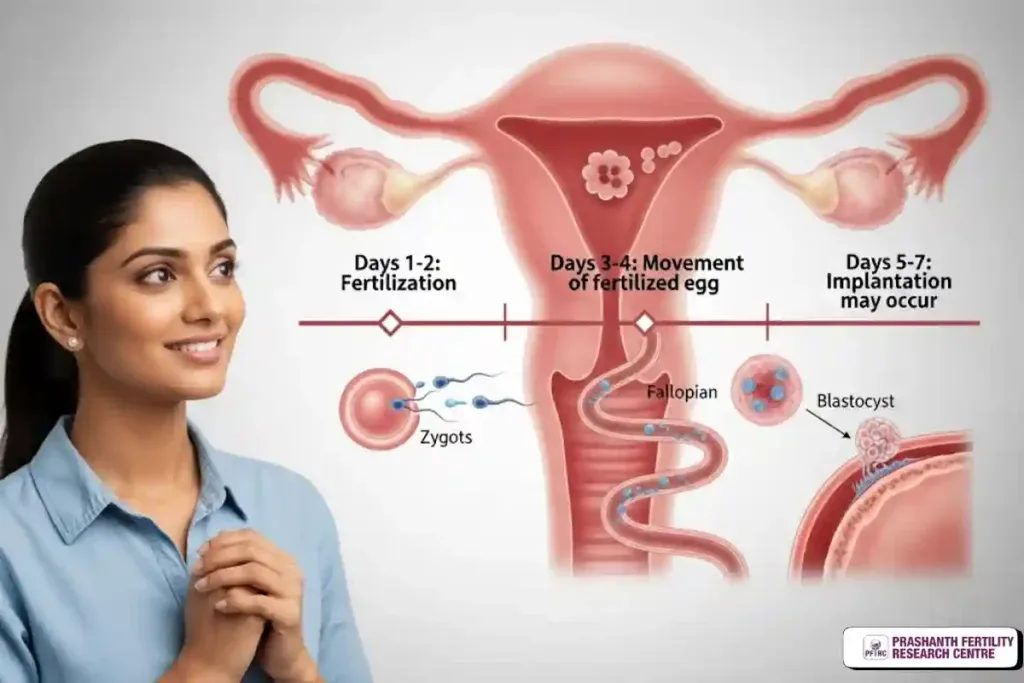
    Illustration showing fertilization and implantation timeline with a woman looking hopeful.

    Fertility Medications vs Supplements: Which Is More Accessible to Everyone?

    Accessibility:
    Supplements are generally more accessible to everyone since they can be purchased without a prescription. They are also usually more affordable than fertility medications. However, it is essential to note that not all supplements are created equal, and some may not have enough scientific evidence to support their effectiveness.

    Effectiveness:
    While supplements may seem like a more accessible and natural option for increasing fertility, their effectiveness is not guaranteed. Since supplements are not regulated by the FDA, their quality and ingredients may vary. This makes it challenging to determine which supplements are truly effective for fertility.

    Which Is the Better Option?
    It is challenging to determine which option is better since both fertility medications and supplements have their pros and cons. Fertility medications may be more effective for those who have specific hormonal imbalances or ovulation issues, while supplements may be beneficial for overall reproductive health.

    Therefore, it is crucial to consult with a doctor and undergo fertility testing to determine the root cause of fertility issues before deciding on a treatment plan. In some cases, a combination of both fertility medications and supplements may be recommended.

    In terms of accessibility, supplements may have an advantage since they can be purchased without a prescription and are often more affordable. However, it is essential to research and choose reputable supplement brands that have scientific evidence to support their effectiveness.

    In conclusion, both fertility medications and supplements have their benefits and drawbacks. While fertility medications may be more effective for specific fertility issues, supplements may be a more accessible and affordable option for overall reproductive health. Consulting with a doctor and undergoing fertility testing is crucial in determining the best treatment plan for each individual or couple.

    Summary:
    Fertility medications and supplements are both options for those struggling with fertility, but their accessibility and effectiveness vary. Fertility medications require a prescription and can be expensive, while supplements can be purchased over-the-counter and are generally more affordable. However, the effectiveness of both options is not guaranteed, and it is crucial to consult with a doctor and undergo fertility testing to determine the best treatment plan.

  • The Holistic Approach to Fertility: Combining Medications and Supplements

    Blog Post:

    Fertility is a topic that is often surrounded by a lot of emotions and expectations. For those who are struggling to conceive, it can be a rollercoaster of hope, disappointment, and frustration. In recent years, there has been an increase in the number of couples seeking fertility treatments, whether through medications, supplements, or both. While medications and supplements can be effective on their own, a holistic approach that combines the two can provide even better results.

    The holistic approach to fertility involves treating the body as a whole and addressing any underlying issues that may be affecting fertility. This includes not only physical health but also mental, emotional, and environmental factors. By taking a holistic approach, couples can optimize their chances of conceiving and having a healthy pregnancy.

    Medications for Fertility:

    Medications are often the first line of treatment for fertility issues. They work by regulating hormones, stimulating ovulation, and improving the quality of eggs and sperm. Some common medications used for fertility include clomiphene citrate, letrozole, and gonadotropins. These medications can be taken orally, injected, or inserted vaginally, depending on the specific treatment plan.

    While medications can be effective, they do come with potential side effects such as hot flashes, mood swings, and bloating. It is important to work closely with a doctor and monitor the dosage and response to the medication. Additionally, some medications may not be suitable for certain individuals, such as those with a history of blood clots or hormone-sensitive cancers.

    Supplements for Fertility:

    In recent years, there has been a growing interest in using supplements to boost fertility. Supplements are natural products that contain vitamins, minerals, and herbs that are believed to support reproductive health. Some popular fertility supplements include Coenzyme Q10, folic acid, and chasteberry. These supplements can be purchased over-the-counter and are usually taken in the form of capsules or tablets.

    Supplements are generally considered safe and have minimal side effects. However, it is important to consult with a doctor before starting any new supplements, as they may interact with other medications or have potential risks for certain individuals. It is also important to note that supplements are not regulated by the FDA, so it is important to do thorough research and choose reputable brands.

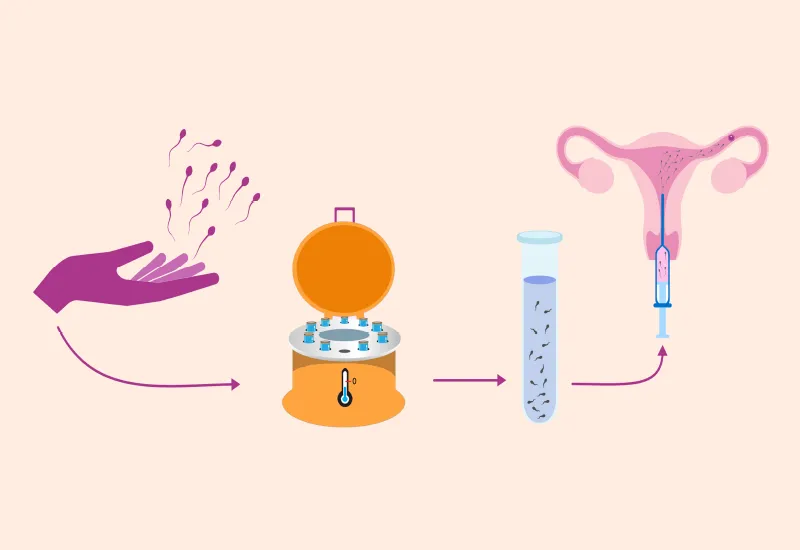
    illustration of the IUI process, showing sperm collection, preparation, and insertion into the uterus

    The Holistic Approach to Fertility: Combining Medications and Supplements

    Combining Medications and Supplements:

    The combination of medications and supplements can provide a powerful and effective approach to fertility. By addressing both hormonal imbalances and nutritional deficiencies, couples can optimize their chances of conceiving. For example, taking Coenzyme Q10 in combination with clomiphene citrate has been shown to improve the quality of eggs and increase pregnancy rates in women with polycystic ovary syndrome (PCOS).

    Additionally, supplements can help with side effects of medications, such as reducing the risk of blood clots in women taking gonadotropins. Supplements can also help improve overall health and well-being, which can have a positive impact on fertility. For example, folic acid is not only important for fetal development but also for reducing the risk of birth defects.

    Holistic Approaches for Specific Fertility Issues:

    The holistic approach to fertility can also be tailored to specific fertility issues. For example, for women with endometriosis, a condition where the tissue that lines the uterus grows outside of it, a combination of medications, supplements, and lifestyle changes may be recommended. Medications can help manage symptoms and regulate hormones, while supplements can support the body’s natural anti-inflammatory processes. Lifestyle changes such as reducing stress, improving sleep, and maintaining a healthy weight can also improve fertility outcomes for women with endometriosis.

    For men with poor sperm quality, a combination of medications and supplements can also be beneficial. Supplements such as Coenzyme Q10, vitamin D, and zinc have been shown to improve sperm count and motility. Additionally, medications such as letrozole and gonadotropins can help improve sperm production and quality.

    The Importance of a Healthy Lifestyle:

    In addition to medications and supplements, a healthy lifestyle is crucial for optimal fertility. This includes eating a well-balanced diet, exercising regularly, managing stress, and avoiding harmful substances such as tobacco and excessive alcohol consumption. These lifestyle factors can impact hormonal balance, egg and sperm quality, and overall reproductive health.

    Summary:

    Fertility is a complex issue that can be addressed through a holistic approach. By combining medications and supplements, couples can address hormonal imbalances, nutritional deficiencies, and other underlying factors that may be affecting fertility. This approach can be tailored to specific fertility issues and can also be enhanced by maintaining a healthy lifestyle. It is important to work closely with a doctor to develop a personalized treatment plan and to carefully monitor the response to medications and supplements.

  • Fertility Medications: Understanding the Risks and Side Effects

    Blog Post Title: Fertility Medications: Understanding the Risks and Side Effects

    Fertility medications are commonly used to help couples overcome infertility and conceive a child. These medications work by stimulating the production of hormones that regulate the reproductive system. While they can be highly effective, like any medication, they also come with risks and potential side effects that should be carefully considered. In this blog post, we will explore the various fertility medications available, their benefits and potential risks, and what to expect when using them.

    Types of Fertility Medications

    There are several types of fertility medications, and the specific type recommended by your doctor will depend on the underlying cause of your infertility. The most commonly prescribed fertility medications include:

    1. Clomiphene citrate (Clomid): This medication is taken orally and is typically the first-line treatment for women with ovulation problems. It works by stimulating the release of follicle-stimulating hormone (FSH) and luteinizing hormone (LH), which are essential for ovulation.

    2. Gonadotropins: These are injectable medications that contain FSH and LH hormones. They are often used in women who do not respond to Clomid or have more severe infertility issues.

    3. Metformin: This medication is commonly used to treat polycystic ovary syndrome (PCOS), a condition that affects ovulation. It helps regulate insulin levels and can improve ovulation in women with PCOS.

    4. Letrozole: Originally used to treat breast cancer, this medication is now also used to stimulate ovulation in women with PCOS. It works by blocking estrogen production, which can lead to increased production of FSH and LH.

    5. Bromocriptine: This medication is used to treat hyperprolactinemia, a condition in which the body produces too much prolactin hormone. Elevated levels of prolactin can interfere with ovulation in women.

    6. Human chorionic gonadotropin (hCG): This medication is often used in conjunction with other fertility medications to trigger ovulation.

    Possible Risks and Side Effects

    Like any medication, fertility medications come with potential risks and side effects that should be carefully considered before use. Some of the most common risks and side effects include:

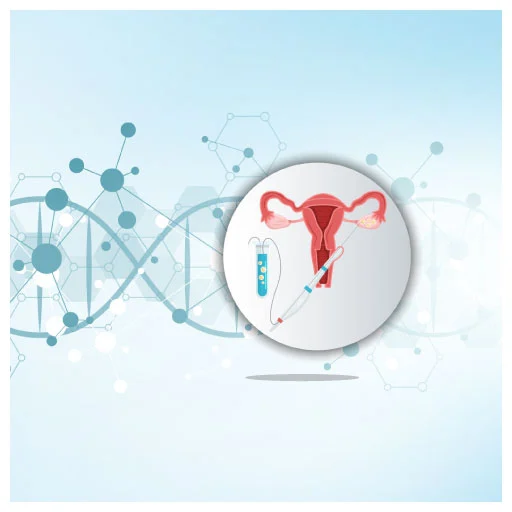
    Illustration of IUI procedure with uterus and syringe against a DNA background.

    Fertility Medications: Understanding the Risks and Side Effects

    1. Multiple pregnancies: Fertility medications can increase the chances of conceiving twins, triplets, or more. While this may seem like a desirable outcome for some couples struggling with infertility, multiple pregnancies come with a higher risk of complications for both the mother and babies.

    2. Ovarian hyperstimulation syndrome (OHSS): This is a potentially life-threatening condition that can occur when the ovaries are overstimulated and produce too many eggs. Symptoms of OHSS include abdominal pain, bloating, and nausea.

    3. Ovarian cysts: Fertility medications can increase the risk of developing ovarian cysts, which are fluid-filled sacs that can form on the ovaries. Most cysts are harmless and resolve on their own, but in some cases, they may need to be surgically removed.

    4. Mood swings: Hormonal changes caused by fertility medications can lead to mood swings, irritability, and anxiety in some women.

    5. Hot flashes: Some fertility medications can cause hot flashes, similar to those experienced during menopause.

    6. Nausea and vomiting: Nausea and vomiting are common side effects of fertility medications, especially those taken orally.

    7. Headaches: Changes in hormone levels can also trigger headaches in some women.

    8. Breast tenderness: Fertility medications can cause breast tenderness, which may be uncomfortable for some women.

    What to Expect When Using Fertility Medications

    If you and your partner have decided to use fertility medications, it’s essential to know what to expect during the treatment process. The first step will be a thorough evaluation by a fertility specialist to determine the underlying cause of your infertility. Once the cause has been identified, your doctor will recommend the most appropriate fertility medication for you.

    Fertility medications are usually taken for several weeks, and your doctor will monitor your progress through regular blood tests and ultrasounds. If you are taking injectable medications, your doctor may teach you how to administer them at home. It’s crucial to follow your doctor’s instructions carefully and attend all scheduled appointments to ensure the best possible outcome.

    Once you have completed the treatment cycle, your doctor will determine if ovulation has occurred. If it has, you and your partner will be advised on the best time to try to conceive. If pregnancy does not occur, your doctor may recommend further treatment or alternative options.

    In summary, fertility medications can be effective in helping couples overcome infertility and achieve their dream of starting a family. However, like any medication, they come with potential risks and side effects that should be carefully considered. It’s essential to work closely with a fertility specialist and follow all instructions to increase the chances of success and minimize any potential risks.

  • Fertility Medications vs Supplements: Which Is More Sustainable for Your Body?

    Fertility Medications vs Supplements: Which Is More Sustainable for Your Body?

    Fertility is a topic that is often surrounded by myths and misconceptions. For many people, the journey to conceive a child can be long, stressful, and emotionally draining. As a result, individuals may turn to fertility medications and supplements in hopes of increasing their chances of getting pregnant. However, with so many options available, it can be overwhelming and confusing to know which is the best approach for your body. In this blog post, we will explore the differences between fertility medications and supplements and their impact on the body to determine which option is more sustainable for your fertility journey.

    Fertility Medications:

    Fertility medications, also known as assisted reproductive technology (ART), are prescribed by doctors to help individuals conceive a child. These medications work by stimulating the ovaries to produce more eggs, regulating ovulation, or improving the quality of eggs and sperm. Some commonly prescribed fertility medications include Clomid, Letrozole, and Gonadotropins.

    While these medications can be effective in helping individuals conceive, they come with potential risks and side effects. These risks include multiple pregnancies, ovarian hyperstimulation syndrome, and increased chances of birth defects. Additionally, the use of fertility medications can also lead to hormone imbalances, which can have long-term effects on the body’s natural fertility.

    Moreover, fertility medications can be expensive, with one cycle of treatment costing thousands of dollars. This cost can quickly add up, especially for individuals who require multiple rounds of treatment. This can cause financial strain and may not be feasible for everyone seeking fertility treatment.

    Supplements:

    On the other hand, supplements for fertility are often viewed as a more natural and holistic approach to boosting fertility. These supplements come in the form of vitamins, minerals, and herbal remedies, and are marketed as safe and effective options for improving fertility. Some popular supplements for fertility include folic acid, CoQ10, and evening primrose oil.

    Illustration of the IUI process, showing a syringe and catheter in the reproductive system.

    Fertility Medications vs Supplements: Which Is More Sustainable for Your Body?

    Supplements for fertility typically work by providing the body with essential nutrients and antioxidants that are beneficial for reproductive health. For example, folic acid is known to improve ovulation and reduce the risk of birth defects, while CoQ10 helps improve egg quality and sperm motility. These supplements can also help regulate hormones and promote a healthy menstrual cycle, making it easier to conceive.

    Additionally, supplements are generally more affordable than fertility medications, making them a more accessible option for individuals seeking fertility treatment. They also have minimal to no side effects, making them a safer option for long-term use.

    Sustainability for the Body:

    When it comes to sustainability for the body, supplements seem to have the upper hand over fertility medications. As mentioned earlier, fertility medications can have potential risks and side effects that can impact the body’s natural fertility. For example, the use of Clomid can cause thinning of the uterine lining, making it difficult for a fertilized egg to implant. This can lead to repeated cycles of treatment and put a strain on the body.

    Moreover, fertility medications work by artificially stimulating the ovaries, which can result in multiple pregnancies. This can be risky for both the mother and the babies, leading to a higher chance of complications during pregnancy and birth. Supplements, on the other hand, work to improve the body’s natural processes and do not pose the same risks as fertility medications.

    Additionally, the long-term use of fertility medications can also lead to hormone imbalances and disrupt the body’s natural reproductive cycle. This can cause difficulties in conceiving in the future and may require further medical intervention. Supplements, on the other hand, work to promote overall reproductive health and can potentially improve fertility in the long run.

    In terms of financial sustainability, supplements also have an advantage. As mentioned earlier, fertility medications can be expensive and may not be feasible for everyone seeking treatment. On the other hand, supplements are more affordable and can be incorporated into one’s daily routine without breaking the bank.

    Summary:

    Fertility medications and supplements are two different approaches to boosting fertility, with each having its own set of benefits and drawbacks. While fertility medications can be effective in helping individuals conceive, they come with potential risks and side effects that can impact the body’s natural fertility. On the other hand, supplements are generally viewed as a safer and more sustainable option for fertility treatment. They work to provide the body with essential nutrients and promote overall reproductive health without causing harm to the body’s natural processes. Additionally, supplements are more affordable and have minimal to no side effects, making them a more accessible option for individuals seeking fertility treatment. Ultimately, the decision between fertility medications and supplements should be based on individual needs and preferences.

  • Fertility Medications vs Supplements: A Comprehensive Guide to Your Options

    Fertility Medications vs Supplements: A Comprehensive Guide to Your Options

    When it comes to trying to conceive, many couples turn to fertility medications or supplements to increase their chances of getting pregnant. However, with so many options available, it can be overwhelming to determine which route to take. In this comprehensive guide, we will discuss the differences between fertility medications and supplements, their effectiveness, potential side effects, and which option may be best for you.

    Fertility Medications

    Fertility medications, also known as fertility drugs, are prescribed by a doctor and are typically used to treat specific fertility issues. There are several types of fertility medications, each with a different purpose.

    Clomiphene citrate, or Clomid, is a commonly prescribed medication for women who are not ovulating regularly. It works by stimulating the production of hormones that trigger ovulation. Clomid is usually taken orally for five days at the beginning of a woman’s menstrual cycle.

    Gonadotropins are another type of fertility medication that also stimulates ovulation. Unlike Clomid, which is taken orally, gonadotropins are injected into the body. They contain follicle-stimulating hormone (FSH) and luteinizing hormone (LH) to stimulate the ovaries to produce eggs.

    Metformin is a medication typically prescribed for women with polycystic ovary syndrome (PCOS) to help regulate their menstrual cycles and improve ovulation.

    In addition to these medications, there are also fertility medications that are used in combination with assisted reproductive techniques, such as intrauterine insemination (IUI) or in vitro fertilization (IVF). These medications are used to stimulate the production of multiple eggs to increase the chances of conception.

    Effectiveness and Side Effects

    Fertility medications can be highly effective in treating specific fertility issues. For example, Clomid has been shown to increase ovulation and pregnancy rates in women with ovulation problems. However, the effectiveness of these medications may vary depending on the individual’s condition and factors such as age and overall health.

    Like any medication, fertility drugs can also come with side effects. Common side effects of Clomid include hot flashes, mood swings, headaches, and bloating. Gonadotropins may cause similar side effects, as well as more serious complications such as ovarian hyperstimulation syndrome (OHSS). Metformin may cause gastrointestinal discomfort, such as nausea and diarrhea.

    It’s essential to discuss potential side effects with your doctor before starting any fertility medication and to closely monitor your body’s response to the medication.

    Supplements

    Supplements, on the other hand, are not prescribed by a doctor and can be purchased over-the-counter. They are often marketed as natural alternatives to fertility medications and claim to improve fertility by providing essential nutrients and vitamins to support reproductive function.

    Some common supplements for fertility include:

    Illustration of intrauterine insemination (IUI) procedure, showing sperm injection into the uterus.

    Fertility Medications vs Supplements: A Comprehensive Guide to Your Options

    1. Folic Acid – This B vitamin is essential for fetal development and is often recommended for women trying to conceive.

    2. Coenzyme Q10 – This antioxidant may help improve egg quality and increase the chances of conception.

    3. Omega-3 fatty acids – These healthy fats have been linked to improved fertility in women.

    4. Vitamin D – Low levels of vitamin D have been associated with infertility and supplementation may improve fertility.

    5. Myo-inositol – This supplement has been shown to improve ovulation and pregnancy rates in women with PCOS.

    Effectiveness and Side Effects

    The effectiveness of supplements in improving fertility is not as well-studied as fertility medications. Some studies have shown promising results for specific supplements, but more research is needed to confirm their effectiveness.

    Unlike fertility medications, supplements are not regulated by the FDA, so there may be inconsistencies in the quality and potency of the product. Additionally, supplements may interact with other medications, so it’s crucial to discuss with your doctor before adding any supplements to your routine.

    Which Option Is Best for You?

    The answer to this question will depend on your specific fertility issues and overall health. If you have been diagnosed with a specific fertility problem, such as irregular ovulation or PCOS, your doctor may recommend a specific fertility medication to address the issue.

    Supplements, on the other hand, may be a good option for those who are generally healthy and looking to optimize their fertility. They can also be used in conjunction with fertility medications to support overall reproductive health.

    It’s essential to discuss all of your options with your doctor and carefully weigh the potential benefits and risks before making a decision.

    In conclusion, fertility medications and supplements can both be effective options for couples trying to conceive. Fertility medications are prescribed by a doctor and are used to treat specific fertility issues, while supplements are available over-the-counter and claim to improve fertility by providing essential nutrients and vitamins.

    While fertility medications may have a higher success rate in treating specific fertility issues, they also come with potential side effects and must be used under the guidance of a doctor. Supplements, on the other hand, may be a more natural and less invasive option, but their effectiveness is not as well-studied, and they may interact with other medications.

    Ultimately, the best option for you will depend on your individual needs and should be discussed with your doctor. By understanding the differences between fertility medications and supplements, you can make an informed decision and take a step closer to achieving your dream of starting a family.

  • Fertility Medications vs Supplements: Which Is More Cost-Effective in the Long Run?

    Fertility is a topic that affects many individuals and couples, and the desire to start a family is a natural and common goal. However, for some, achieving pregnancy can be a challenging and sometimes expensive journey. In recent years, there has been an increase in the use of fertility medications and supplements to aid in conception. Both options have their own advantages and disadvantages, but the question remains: which is more cost-effective in the long run?

    In this blog post, we will explore the differences between fertility medications and supplements, their costs, and the potential long-term effects on fertility and overall health.

    Fertility Medications:

    Fertility medications are prescribed drugs that are used to stimulate ovulation and increase the chances of conception. These medications are typically prescribed by a doctor after a thorough evaluation of a person’s fertility health and are often used in conjunction with other fertility treatments such as intrauterine insemination (IUI) or in vitro fertilization (IVF).

    There are several types of fertility medications, including clomiphene citrate, letrozole, and gonadotropins. The cost of these medications can vary depending on the type, dosage, and duration of treatment. On average, one cycle of fertility medication can cost anywhere from $50 to $1000.

    One of the main advantages of fertility medications is their effectiveness. They have been shown to significantly increase ovulation and pregnancy rates, especially in cases of ovulation disorders. Additionally, they are often covered by insurance, making them more accessible for those on a budget.

    However, there are also potential downsides to fertility medications. They can have side effects such as hot flashes, mood swings, and abdominal discomfort. In some cases, they can also increase the risk of multiple pregnancies, which can lead to complications and additional costs for the parents. Moreover, fertility medications only address the immediate issue of ovulation and do not address any underlying fertility problems, which can lead to the need for continued use and increased costs in the long run.

    Fertility Supplements:

    Fertility supplements, on the other hand, are natural products that claim to improve fertility by providing essential vitamins, minerals, and herbs that support reproductive health. They are available over-the-counter and do not require a prescription. Some of the most commonly used fertility supplements include folic acid, vitamin D, and CoQ10.

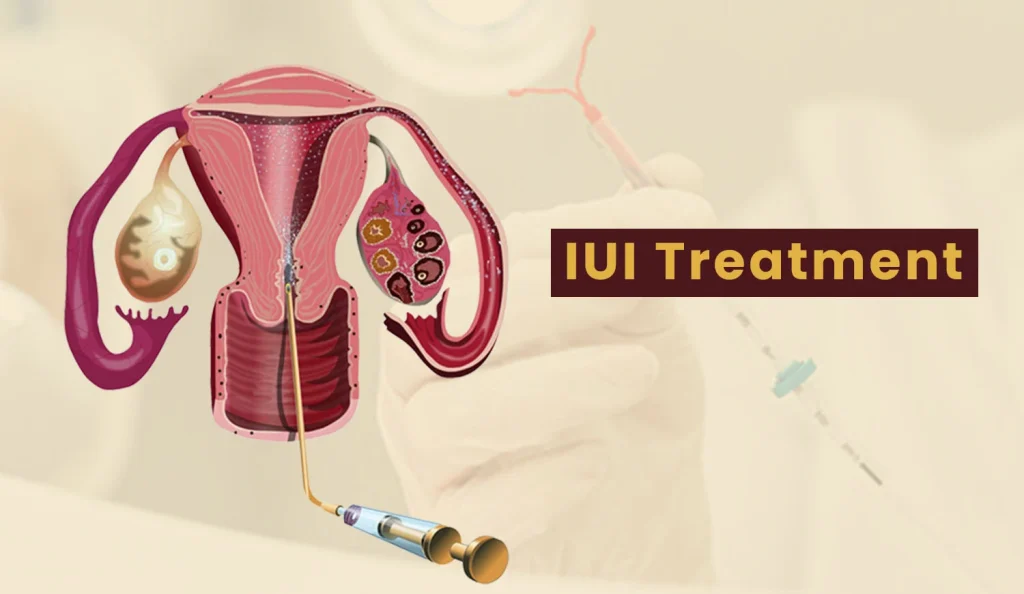
    illustration of the uterus and ovaries with a syringe, labeled "IUI Treatment" in the background

    Fertility Medications vs Supplements: Which Is More Cost-Effective in the Long Run?

    The cost of fertility supplements can range from $20 to $100 per month, depending on the brand and specific ingredients. They are generally more affordable than fertility medications, making them a more attractive option for those on a budget. Moreover, since they are not prescription drugs, they are not covered by insurance, but some fertility clinics offer them as part of their treatment plans.

    Fertility supplements are often touted as a more natural and safer option compared to medications. They are also believed to have fewer side effects, making them a more desirable choice for those who want to avoid the potential risks associated with fertility medications. Another advantage of supplements is that they can address a wider range of fertility issues, such as hormonal imbalance and low sperm count, by providing the necessary nutrients for reproductive health.

    However, fertility supplements also have their limitations. While some studies have shown promising results, the effectiveness of supplements in improving fertility is still inconclusive. Moreover, since they are not regulated by the FDA, the quality and potency of these supplements can vary greatly, making it difficult to determine their true effectiveness. In some cases, taking supplements may also lead to interactions with other medications or supplements, which can have negative effects on fertility and overall health.

    Which is More Cost-Effective in the Long Run?

    When it comes to cost-effectiveness, there is no clear winner between fertility medications and supplements. While fertility medications may have a higher upfront cost, they have been proven to be effective in increasing ovulation and pregnancy rates. On the other hand, fertility supplements may be more affordable, but their effectiveness is still uncertain.

    In the long run, it is essential to consider the potential risks and benefits of both options. Fertility medications may provide immediate results, but they may also have side effects and only address the immediate issue of ovulation. On the other hand, supplements may take longer to show results, but they can address a wider range of fertility issues and provide long-term benefits for overall reproductive health.

    Ultimately, the best approach may be a combination of both fertility medications and supplements. Consulting with a healthcare professional can help determine the best course of action based on an individual’s specific fertility needs and budget.

    Summarization:

    In summary, fertility medications and supplements are both viable options for improving fertility and increasing the chances of conception. Fertility medications are prescription drugs that are highly effective but can have potential side effects and only address the immediate issue of ovulation. On the other hand, fertility supplements are natural products that are more affordable and have fewer side effects but may not have as much scientific evidence to support their effectiveness. The best approach may be a combination of both options, and consulting with a healthcare professional is recommended for personalized and budget-friendly treatment plans.