Blog Post:
Fertility treatments can be a daunting and overwhelming journey for many couples struggling to conceive. For some, the process may involve a combination of medications and surgeries to help improve their chances of getting pregnant. However, navigating the world of fertility treatments can be confusing, especially when it comes to choosing between medications and surgery. In this blog post, we will discuss the pros and cons of both options and offer guidance on how to make the best decision for your unique situation.
Medications for Fertility Treatments:
Medications are often the first line of treatment for couples struggling with infertility. These medications can help regulate hormone levels, stimulate ovulation, and improve the chances of pregnancy. Depending on the underlying cause of infertility, your doctor may prescribe different types of medications such as:
1. Clomiphene Citrate: This medication is used to treat ovulation disorders in women and is often the first medication prescribed for fertility treatment. It works by stimulating the release of hormones necessary for ovulation.
2. Gonadotropins: These are injectable hormones that can be used to stimulate ovulation in women with ovulation disorders. They can also help regulate hormone levels in men with low sperm count.
3. Metformin: This medication is commonly used to treat polycystic ovary syndrome (PCOS) and can help regulate ovulation and improve fertility.
4. Bromocriptine: This medication is used to treat high levels of the hormone prolactin, which can interfere with ovulation.
While medications can be highly effective in treating certain fertility issues, they can also come with their own set of risks and side effects. Some common side effects of fertility medications include headaches, hot flashes, mood swings, and abdominal discomfort. In some cases, medications may also increase the risk of multiple pregnancies, which can come with its own set of complications.
Surgery for Fertility Treatments:
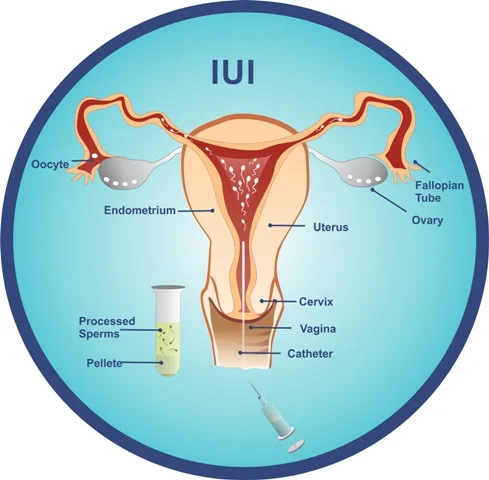
Navigating the World of Fertility Treatments: Medications vs Surgery
Surgery is often recommended for couples with structural abnormalities or blockages that may be preventing pregnancy. Some common surgical procedures used for fertility treatments include:
1. Laparoscopy: This minimally invasive procedure involves making small incisions in the abdomen to diagnose and treat conditions such as endometriosis, fibroids, and blocked fallopian tubes.
2. Hysteroscopy: This procedure involves inserting a thin, lighted tube into the uterus to diagnose and treat abnormalities such as polyps, fibroids, and scar tissue.
3. Varicocele repair: This surgery is performed on men to repair enlarged veins in the scrotum that may be interfering with sperm production.
Surgery can be a more invasive option compared to medications, and it often requires downtime for recovery. However, surgery can also offer a more permanent solution to certain fertility issues. For example, correcting a structural abnormality through surgery can greatly improve the chances of getting pregnant without the need for ongoing medication use.
Choosing Between Medications and Surgery:
When it comes to choosing between medications and surgery for fertility treatments, there is no one-size-fits-all solution. The best approach will depend on your specific infertility diagnosis, medical history, and personal preferences. It is crucial to discuss all available options with your doctor and ask any questions or concerns you may have.
In some cases, a combination of medications and surgery may be necessary to address different aspects of infertility. For instance, a woman with PCOS may benefit from taking Metformin to regulate hormone levels, while also undergoing surgery to remove any cysts or blockages in the ovaries. It is important to keep an open mind and be willing to explore different treatment options.
Conclusion:
Fertility treatments can be a complex and emotionally challenging journey, and the decision between medications and surgery can be overwhelming. It is important to work closely with your doctor and trust their expertise when making this decision. Remember to also take care of your emotional well-being and seek support from loved ones or a therapist if needed. With the right treatment plan and support, many couples are able to overcome fertility challenges and achieve their dream of starting a family.
In summary, fertility treatments can involve a combination of medications and surgery to help improve the chances of getting pregnant. While medications can help regulate hormone levels and stimulate ovulation, they may also come with side effects and risks. On the other hand, surgery can offer a more permanent solution to certain fertility issues, but it can also be more invasive. The best approach will depend on your specific infertility diagnosis, medical history, and personal preferences, and it is important to discuss all options with your doctor.