Tag: secondary infertility

  • A Holistic Guide to Overcoming Secondary Infertility

    Secondary infertility is a common but often overlooked issue that affects many couples who are trying to conceive. Unlike primary infertility, which is the inability to conceive a first child, secondary infertility refers to the difficulty in conceiving after a previous successful pregnancy. This can be a frustrating and emotional experience for those experiencing it, as they may have assumed that they would have no difficulty getting pregnant again. In this blog post, we will discuss a holistic guide to overcoming secondary infertility, including possible causes, traditional and alternative treatments, and tips for supporting mental health during this journey.

    Possible Causes of Secondary Infertility

    There are several potential causes of secondary infertility, including age, hormonal imbalances, and underlying health conditions. As women age, their fertility naturally decreases, making it more difficult to conceive. Hormonal imbalances, such as irregular ovulation or low progesterone levels, can also affect a woman’s ability to get pregnant. Additionally, underlying health conditions such as endometriosis, polycystic ovary syndrome (PCOS), or uterine fibroids can also contribute to secondary infertility.

    Traditional Treatments for Secondary Infertility

    The most common traditional treatment for secondary infertility is fertility medication, such as Clomid or Letrozole, which can help stimulate ovulation. In some cases, intrauterine insemination (IUI) or in vitro fertilization (IVF) may also be recommended. These treatments can be effective, but they can also be expensive and come with potential side effects. It’s essential to discuss all options with a fertility specialist and understand the potential risks and benefits before moving forward with any treatment.

    Alternative Treatments for Secondary Infertility

    In addition to traditional treatments, there are also alternative approaches that can be used to help overcome secondary infertility. These include acupuncture, herbal remedies, and dietary changes. Acupuncture has been shown to improve fertility by promoting blood flow to the pelvic area and reducing stress levels. Herbal remedies, such as maca root or chasteberry, can help regulate hormones and improve fertility. Dietary changes, such as increasing intake of whole foods and reducing processed foods, can also have a positive impact on fertility.
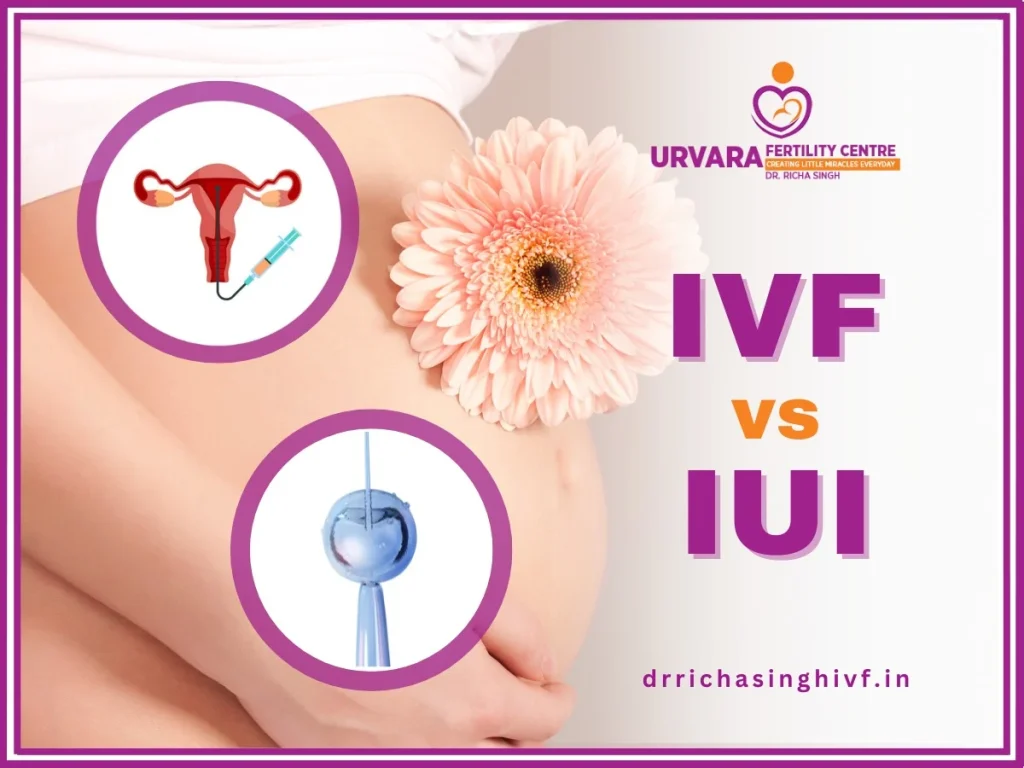
    IVF vs IUI comparison with illustrations of reproductive processes and a flower on a pregnant belly.

    A Holistic Guide to Overcoming Secondary Infertility

    Holistic Approaches to Overcoming Secondary Infertility

    Taking a holistic approach to overcoming secondary infertility means addressing not just the physical aspects but also the mental and emotional aspects of fertility. This includes reducing stress levels, improving overall health and well-being, and creating a supportive environment. Some holistic practices that can be beneficial for those struggling with secondary infertility include yoga, meditation, and journaling. These activities can help reduce stress and promote relaxation, which can have a positive impact on fertility.

    Supporting Mental Health During the Journey

    The journey of overcoming secondary infertility can be emotionally and mentally taxing. It’s crucial for those experiencing it to take care of their mental health and seek support when needed. This can include therapy, support groups, or talking to friends and family. It’s also essential to practice self-care and find healthy ways to cope with the emotions that come with this experience. This can include exercise, spending time in nature, or engaging in hobbies and activities that bring joy.

    In Conclusion

    Overcoming secondary infertility is a challenging and complex journey, but it’s important to remember that there is hope. By understanding the possible causes, exploring traditional and alternative treatments, and taking a holistic approach to fertility, it is possible to overcome secondary infertility and achieve a successful pregnancy. It’s also crucial to prioritize mental health and seek support during this time. By taking care of both physical and emotional well-being, individuals and couples can navigate this journey and come out stronger in the end.

    SEO metadata:
  • Fertility Acupuncture and Secondary Infertility: A Hopeful Solution

    Blog Post: Fertility Acupuncture and Secondary Infertility: A Hopeful Solution

    Infertility is a deeply personal and often devastating experience for many couples. The desire to have a child and start a family is a natural and instinctual one, and when that doesn’t happen, it can lead to feelings of frustration, sadness, and even hopelessness. While there are many different causes of infertility, one type that is often overlooked is secondary infertility.

    Secondary infertility is defined as the inability to conceive or carry a pregnancy to term after previously giving birth to a child without any issues. It affects about 3 million women in the United States, accounting for nearly 60% of all infertility cases. The causes of secondary infertility can vary and may include changes in hormone levels, uterine issues, or even lifestyle factors such as stress or diet. However, one potential solution that has gained popularity in recent years is fertility acupuncture.

    Acupuncture is an ancient Chinese practice that involves inserting thin needles into specific points on the body to stimulate the flow of energy and promote healing. While it has been used for centuries to treat a wide range of conditions, including pain, digestive issues, and stress, it has also shown promising results for couples struggling with infertility.

    How Fertility Acupuncture Works

    According to traditional Chinese medicine, fertility is directly related to the balance and flow of energy, or Qi, in the body. When there is an imbalance or blockage in this flow, it can lead to health issues, including infertility. Acupuncture helps to restore this balance by stimulating specific points on the body, also known as acupuncture points, to promote the smooth flow of Qi.

    In terms of fertility, acupuncture can help by regulating hormone levels, improving blood flow to the reproductive organs, and reducing stress and anxiety. When these factors are addressed, it can increase the chances of pregnancy and improve overall reproductive health.

    Studies Supporting the Use of Fertility Acupuncture

    While there is still limited research on the use of acupuncture for infertility, several studies have shown promising results. In a 2018 study published in the journal Obstetrics & Gynecology, researchers found that women who received acupuncture before and after embryo transfer had significantly higher pregnancy rates compared to those who did not receive acupuncture. Another study published in the journal Fertility and Sterility found that acupuncture improved the chances of pregnancy for women undergoing in vitro fertilization (IVF) by increasing blood flow to the uterus and ovaries.

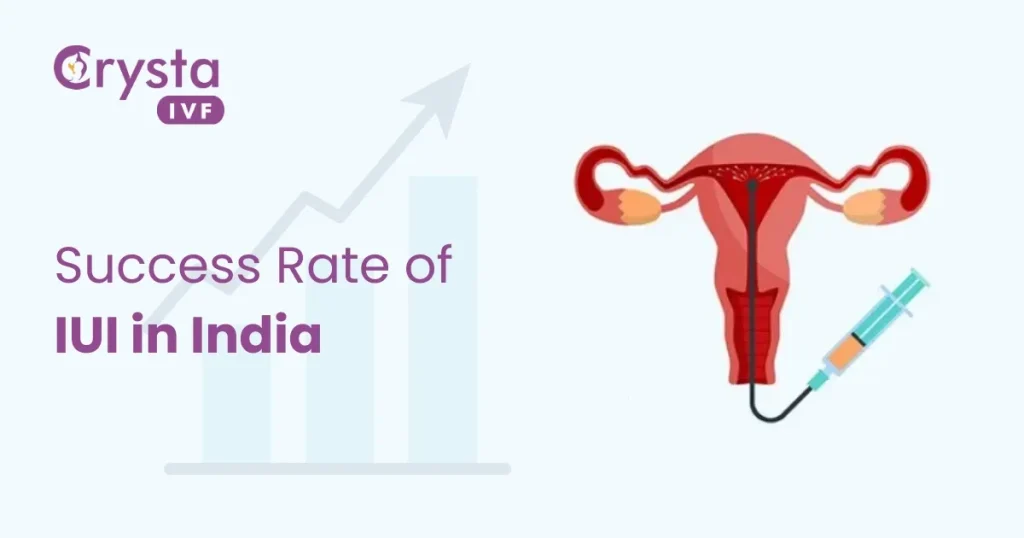
    success rate of IUI in India with a graphic of a uterus and syringe alongside a rising graph

    Fertility Acupuncture and Secondary Infertility: A Hopeful Solution

    Furthermore, a review of 12 studies published in the journal Complementary Therapies in Medicine concluded that acupuncture may be a beneficial adjunct treatment for infertility, particularly in improving the success rates of IVF.

    The Role of Fertility Acupuncture in Secondary Infertility

    While most people may think of acupuncture as a treatment for primary infertility, it can also be a helpful solution for secondary infertility. As mentioned earlier, secondary infertility can be caused by a variety of factors, and acupuncture can address many of them. For example, if hormonal imbalances are the cause of secondary infertility, acupuncture can help to restore hormonal balance and regulate ovulation. If scar tissue or blockages in the reproductive organs are the issue, acupuncture can improve blood flow and promote healing.

    In addition, acupuncture can also be an effective way to reduce stress and anxiety, which can significantly impact fertility. Trying to conceive can be a stressful and emotionally draining experience, especially for couples who have already gone through the disappointment of infertility. Acupuncture has been shown to reduce stress hormones and promote relaxation, which can positively affect reproductive health.

    Finding a Fertility Acupuncturist

    If you are considering acupuncture as a treatment for secondary infertility, it is essential to find a qualified and experienced fertility acupuncturist. They should have specialized training in treating infertility and be familiar with the specific acupuncture points and techniques that are most effective for fertility.

    During your first visit, the acupuncturist will conduct a thorough assessment of your health and fertility history to determine the best course of treatment for you. Typically, treatment plans involve weekly acupuncture sessions for several months, although this can vary depending on your individual needs.

    Conclusion: A Promising Solution for Secondary Infertility

    Secondary infertility can be a challenging and emotional journey for many couples, but there is hope. Fertility acupuncture has shown promising results in improving reproductive health and increasing the chances of pregnancy for couples struggling with secondary infertility. By addressing hormonal imbalances, promoting blood flow, and reducing stress, acupuncture can be a valuable tool in the journey towards expanding your family.

    Summary: Secondary infertility affects millions of women in the United States, but one potential solution that has gained popularity in recent years is fertility acupuncture. This ancient Chinese practice involves stimulating specific points on the body to promote the flow of Qi and address issues such as hormonal imbalances, scar tissue, and stress that can contribute to infertility. While there is still limited research on the use of acupuncture for infertility, several studies have shown promising results. For couples struggling with secondary infertility, finding a qualified and experienced fertility acupuncturist may provide a hopeful solution.

  • Coping with Secondary Infertility: The Benefits of Fertility Counseling and Support

    Coping with Secondary Infertility: The Benefits of Fertility Counseling and Support

    Secondary infertility is a term used to describe the inability of a couple to conceive or carry a pregnancy to term after successfully having one or more children. It is a relatively common issue, affecting about 20% of couples who struggle with fertility. However, unlike primary infertility, which refers to the inability to conceive at all, secondary infertility can be a particularly challenging experience due to the expectations and assumptions that come with having already had a successful pregnancy. Many individuals and couples may feel shame, guilt, and isolation when facing secondary infertility, and it is important to recognize the emotional toll it can take on one’s mental health. In this blog post, we will explore the benefits of seeking fertility counseling and support when dealing with secondary infertility.

    First and foremost, fertility counseling provides a safe space for individuals and couples to process their emotions and express their feelings. The journey of trying to conceive can be emotionally draining, and it is common for individuals to experience a wide range of emotions, including grief, anger, and frustration. Fertility counseling can help individuals and couples navigate these complex emotions and develop healthy coping mechanisms to deal with them effectively.

    Furthermore, fertility counseling can help individuals and couples understand the underlying causes of their secondary infertility. This can be especially helpful for couples who had no issues conceiving their first child and are now struggling to do so. A fertility counselor can help identify any potential medical or lifestyle factors that may be contributing to secondary infertility. They can also provide valuable information about fertility treatments and options, allowing couples to make informed decisions about their next steps.

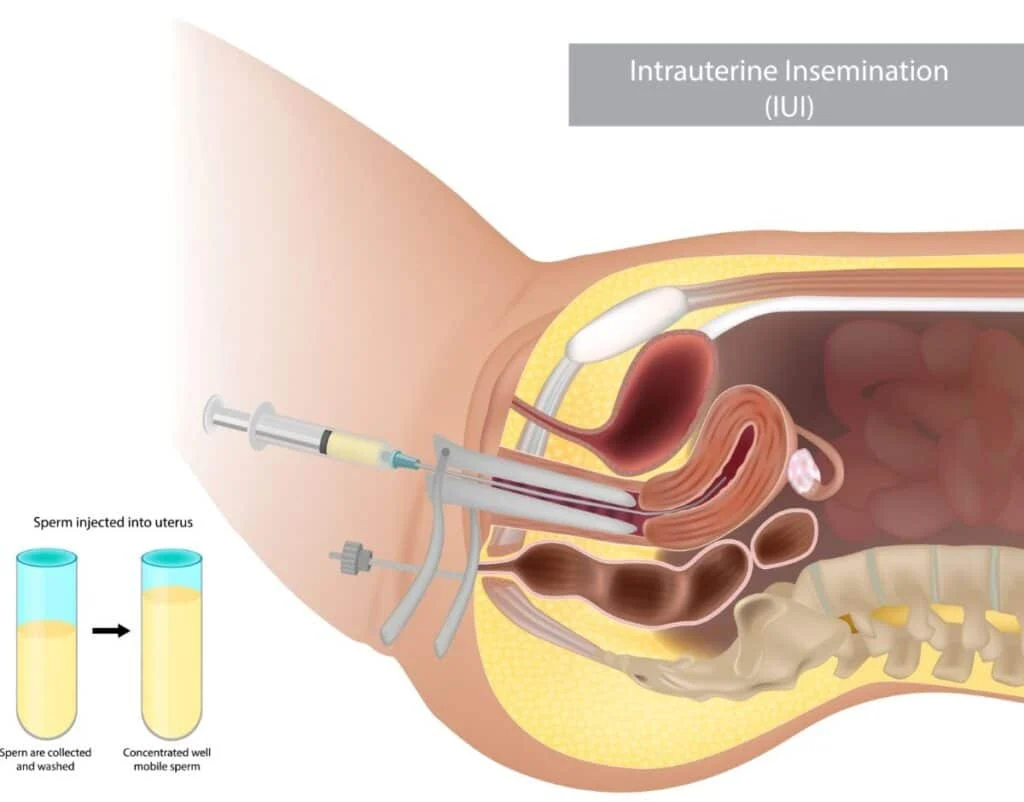
    Diagram illustrating intrauterine insemination (IUI) procedure with sperm injection into the uterus.

    Coping with Secondary Infertility: The Benefits of Fertility Counseling and Support

    Another benefit of fertility counseling is that it can improve communication and strengthen relationships. Secondary infertility can put a strain on even the strongest of relationships, as individuals and couples may experience a range of conflicting emotions. Fertility counseling can provide a neutral and supportive environment for couples to communicate openly and work through any issues that may arise. This can lead to a deeper understanding and stronger bond between partners, ultimately helping them to better cope with their fertility struggles together.

    In addition to counseling, seeking support from others who are experiencing or have experienced secondary infertility can be incredibly beneficial. Support groups, both online and in-person, can provide a sense of community and understanding that can be hard to find elsewhere. Being able to connect with others who are going through a similar journey can be comforting and validating, and can help individuals and couples feel less alone in their struggles.

    Moreover, fertility counseling and support can also help individuals and couples manage the stress and anxiety that often comes with trying to conceive. The constant cycle of hope and disappointment can take a toll on one’s mental health, and it is important to have healthy coping mechanisms in place to manage these feelings. Fertility counselors can provide tools and techniques to reduce stress and promote relaxation, such as mindfulness and relaxation exercises. They can also offer support in dealing with the anxiety and uncertainty that comes with fertility treatments, and help individuals and couples navigate the financial and emotional aspects of these treatments.

    It is also worth mentioning the impact of secondary infertility on one’s self-esteem and identity. For many individuals, parenthood is a core aspect of their identity, and struggling to conceive or carry a pregnancy can lead to feelings of inadequacy and failure. Fertility counseling can help individuals and couples address these feelings and develop a more positive and realistic sense of self. It can also provide a space to explore alternative paths to parenthood, such as adoption or surrogacy, and help individuals and couples find a sense of purpose and fulfillment outside of traditional parenthood.

    In conclusion, secondary infertility can be a challenging and emotionally taxing experience. However, seeking fertility counseling and support can provide valuable benefits for individuals and couples struggling with this issue. From emotional support and understanding to practical information and tools, fertility counseling can help individuals and couples navigate the complex emotions and challenges of secondary infertility and find a path towards building their family. If you or someone you know is dealing with secondary infertility, do not hesitate to seek out the support and guidance of a fertility counselor.