Intrauterine insemination (IUI) and low-tech in vitro fertilization (IVF) are two commonly used fertility treatments for couples struggling with infertility. Both procedures involve the placement of sperm into the woman’s reproductive tract, but they differ in their methods and success rates. While both IUI and low-tech IVF have their own risks and complications, understanding the differences between the two can help couples make informed decisions about their fertility journey.
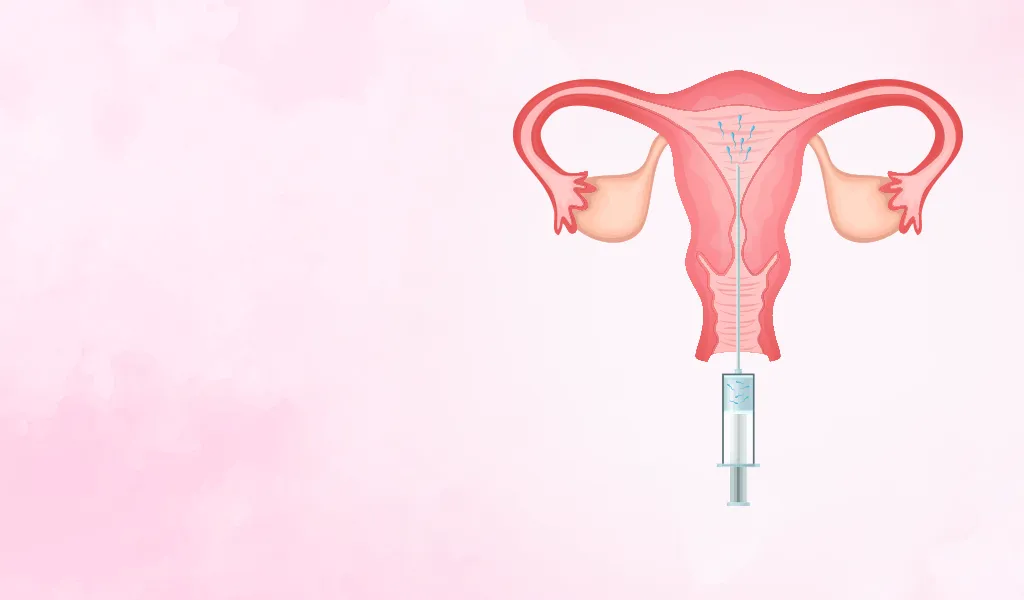
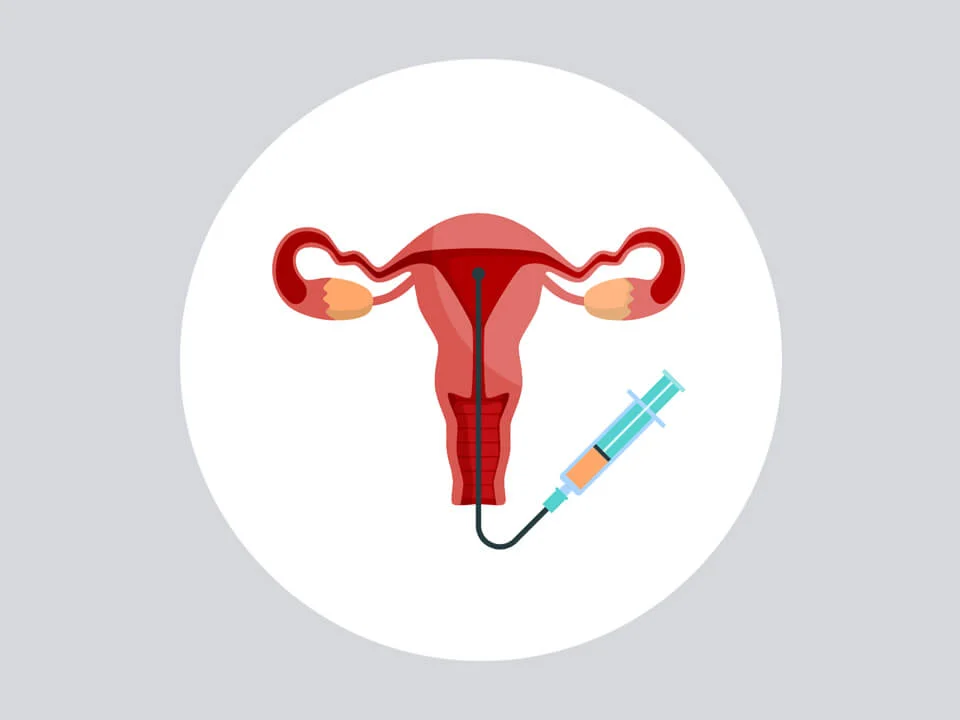
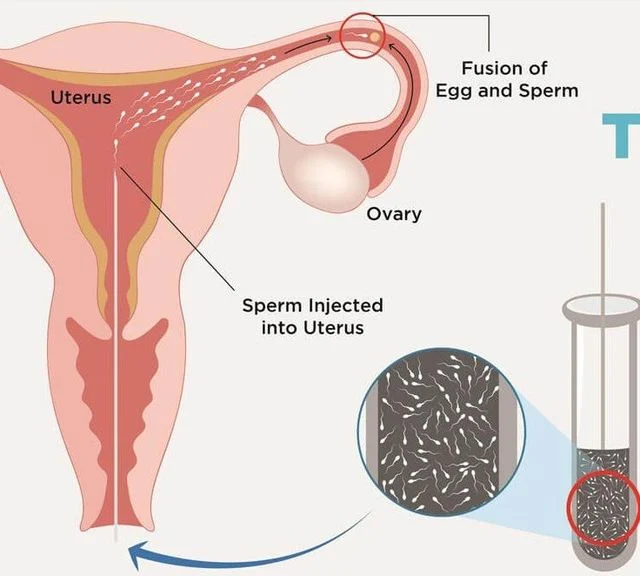
IUI, also known as artificial insemination, is a relatively simple and non-invasive procedure where sperm is placed directly into the woman’s uterus using a thin catheter. This procedure is typically recommended for couples with unexplained infertility, mild male factor infertility, or cervical issues. IUI is also commonly used for same-sex female couples or single women who want to conceive using donor sperm.
On the other hand, low-tech IVF is a more involved procedure that involves the retrieval of a woman’s eggs, fertilization in a laboratory, and then the transfer of the resulting embryo(s) into the uterus. Unlike traditional IVF, low-tech IVF uses minimal or no fertility drugs to stimulate the ovaries, making it a more affordable option for many couples. This procedure is recommended for couples with ovulation disorders, tubal factor infertility, or mild to moderate male factor infertility.
While both IUI and low-tech IVF have similar success rates, there are some notable differences in their risks and complications. Let’s take a closer look at the potential risks and complications associated with each procedure.
IUI Risks and Complications:
1. Multiple pregnancies: The use of fertility drugs to stimulate ovulation during an IUI cycle can increase the chances of conceiving multiples. This can lead to a higher risk of complications during pregnancy, such as preterm labor and low birth weight babies.
2. Infection or injury: There is a small risk of infection or injury during the IUI procedure, especially if the woman has a pre-existing condition such as pelvic inflammatory disease or a uterine abnormality.
3. Ectopic pregnancy: In rare cases, the fertilized egg may implant outside of the uterus, usually in the fallopian tube. This can be a life-threatening condition that requires immediate medical attention.
Intrauterine Insemination vs Low-Tech IVF: A Comparison of Risks and Complications
4. Allergic reaction: Some women may experience an allergic reaction to the fertility drugs used during an IUI cycle, which can lead to symptoms such as hives, swelling, and difficulty breathing.
Low-Tech IVF Risks and Complications:
1. Ovarian hyperstimulation syndrome (OHSS): In some cases, the use of fertility drugs to stimulate the ovaries during a low-tech IVF cycle can lead to OHSS, a potentially serious condition that causes the ovaries to become swollen and painful.
2. Multiple pregnancies: Similar to IUI, the use of fertility drugs during a low-tech IVF cycle can increase the chances of conceiving multiples.
3. Infection or injury: As with any medical procedure, there is a small risk of infection or injury during the egg retrieval or embryo transfer process.
4. Ectopic pregnancy: The risk of an ectopic pregnancy is also present with low-tech IVF, as the embryos are transferred into the uterus.
5. Emotional stress: The emotional toll of undergoing multiple cycles of low-tech IVF, especially if unsuccessful, can be significant for couples.
In summary, both IUI and low-tech IVF have their own risks and complications, and it is important for couples to weigh these factors when considering their fertility treatment options. While IUI may be a less invasive and more affordable option for some couples, it may not be suitable for those with certain fertility issues. On the other hand, low-tech IVF may offer a higher chance of success for couples with more complex infertility issues, but it can also be emotionally and physically taxing.
Ultimately, the decision between IUI and low-tech IVF should be based on a couple’s unique circumstances and needs, as well as a thorough discussion with their healthcare provider. By understanding the potential risks and complications of both procedures, couples can make informed decisions and feel more confident in their fertility journey.