Starting a family is a major milestone for many couples. It is a time filled with excitement, anticipation, and dreams of a happy future. However, the financial realities of starting a family can often be daunting and overwhelming. In particular, for couples facing fertility issues or considering adoption, the costs involved can be significant.
In this blog post, we will explore the financial realities of starting a family through fertility treatments and adoption. We will discuss the various costs involved, potential sources of financial assistance, and tips for managing the financial burden. We hope that by shedding light on these financial aspects, we can help couples make informed decisions and alleviate some of the stress associated with starting a family.
Fertility Treatments: The High Costs of Conception
For couples struggling with fertility issues, assisted reproductive technologies (ART) such as in vitro fertilization (IVF) can offer hope. However, these treatments come with a hefty price tag. A single cycle of IVF can cost anywhere from $12,000 to $15,000, and multiple cycles may be required for a successful pregnancy. This can quickly add up to tens of thousands of dollars.
Aside from the actual treatment costs, there are other expenses to consider, such as medication, blood work, ultrasounds, and other medical tests. These costs can easily add an additional $3,000 to $5,000 per cycle.
Moreover, many insurance plans do not cover fertility treatments, leaving couples to bear the full cost out of pocket. Some insurance plans may offer partial coverage for diagnosis, but not for the actual treatment. This lack of coverage can be a major hurdle for couples who are already facing emotional and physical challenges on their journey to parenthood.
Potential Sources of Financial Assistance for Fertility Treatments
While fertility treatments may seem financially out of reach for some couples, there are potential sources of financial assistance available. Some employers offer fertility benefits as part of their health insurance plans, so it is worth checking with your employer to see if you have any coverage.
Additionally, there are organizations and foundations that provide financial assistance for fertility treatments. These include Baby Quest Foundation, The Tinina Q. Cade Foundation, and Family Formation Charitable Trust, to name a few. These organizations have specific eligibility criteria, so it is essential to do your research and see if you qualify for their assistance.
Another option is to consider financing options such as loans or payment plans offered by fertility clinics. While these may come with interest and additional fees, they can help spread out the cost of treatments over time, making it more manageable for couples.
Adoption: The Costs of Building a Family Through Love
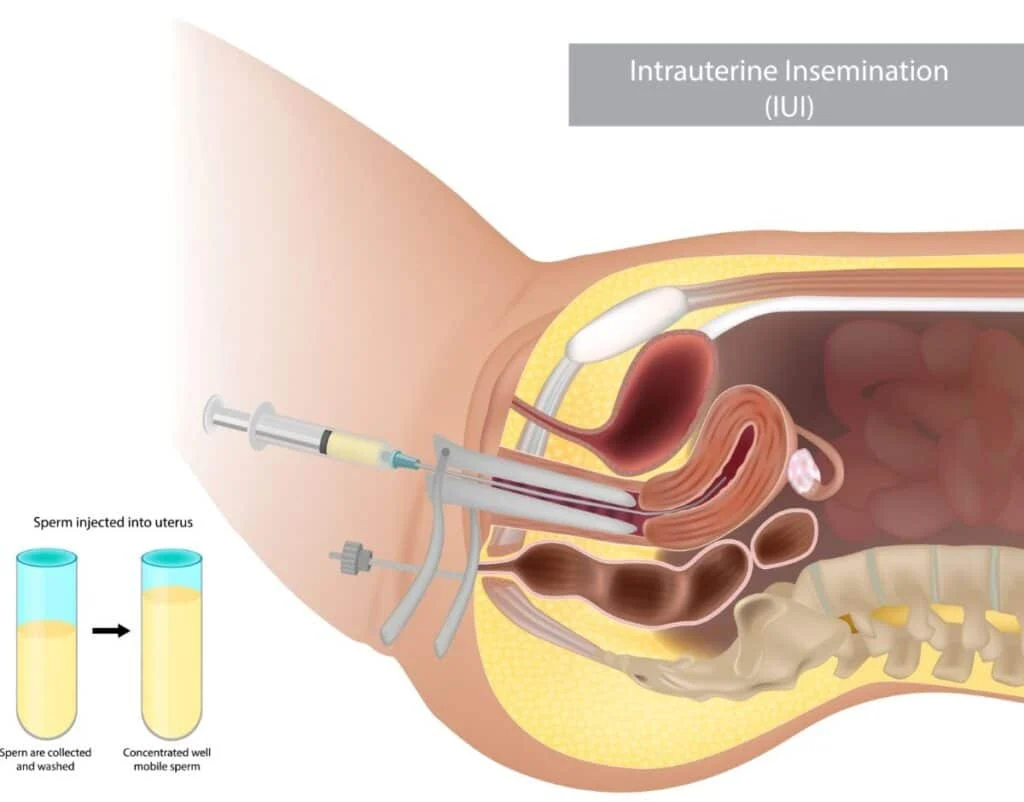
The Financial Realities of Starting a Family: Fertility Treatments and Adoption
For couples who are unable to conceive or prefer adoption as a means of starting a family, the costs involved can also be significant. The average cost of domestic adoption in the United States can range from $20,000 to $40,000, while international adoptions can cost upwards of $50,000.
These costs include application fees, home study fees, legal fees, and travel expenses if adopting internationally. It is worth noting that the costs can vary depending on the type of adoption, the age of the child, and the agency or attorney fees involved.
It is also important to keep in mind that these costs do not guarantee a successful adoption. There are instances where couples incur expenses and do not end up adopting a child, adding to the financial burden.
Potential Sources of Financial Assistance for Adoption
Similar to fertility treatments, there are potential sources of financial assistance for adoption. Many employers offer adoption benefits as part of their employee benefits packages, which can help offset some of the costs involved. Additionally, there are adoption grants and loans available through organizations such as HelpUsAdopt.org and Gift of Adoption Fund.
Some states also offer adoption subsidies and tax credits for families who adopt children with special needs or from the foster care system. It is essential to research and understand the adoption laws and benefits in your state to determine if you are eligible for any financial assistance.
Managing the Financial Burden of Starting a Family
The financial realities of starting a family through fertility treatments or adoption can be overwhelming. However, there are ways to manage the financial burden and make the journey to parenthood more feasible.
Firstly, it is crucial to create a budget and stick to it. Understand the costs involved in your specific situation and plan accordingly. This can help prevent overspending and keep you on track towards your goal of starting a family.
Secondly, consider alternative options such as foster care adoption or embryo adoption, which can be more affordable than traditional adoption methods.
Lastly, do not be afraid to seek help and support. There are support groups and online communities for couples going through fertility treatments or adoption, where you can find emotional and financial support. Additionally, consulting with a financial advisor can also be beneficial in creating a financial plan and exploring potential sources of financial assistance.
In conclusion, the financial realities of starting a family through fertility treatments or adoption can be challenging. However, with careful planning, research, and support, it is possible to overcome these challenges and achieve the dream of parenthood. Remember, the journey to starting a family may not be easy, but the end result of holding your child in your arms will make it all worth it.